
Maria — History & Facts
Could a single brushstroke hold eternity? In Maria, Jacques Callot explores the delicate equilibrium between grace and fragility, inviting viewers into a moment that feels both timeless and transient. Focus your gaze on the figure at the center, where soft lines and subtle shading combine to create a luminous presence. The elegant curves of her gown unfurl like a soft whisper, drawing attention to the intricate details of the fabric, each fold lovingly crafted. Notice how the light cascades gently across her visage, highlighting the serene expression that conveys a sense of inner strength and vulnerability.
The muted palette of sepia and earth tones serves to ground the composition, allowing the viewer to appreciate the balance of textures and forms that create a harmonious whole. As you delve deeper, consider the tension between the figure’s poised stance and the intricate, swirling background that hints at chaos. The interplay of light and shadow suggests a world beyond her serene exterior, a reminder of the struggles often hidden beneath the surface. This contrast between stillness and movement resonates with the viewer, evoking questions about the nature of balance in one’s life — the delicate dance between composure and turmoil. In 1631, while creating this piece, Callot was immersed in a world of Baroque innovation, responding to the artistic challenges of his time in France.
He was known for his masterful engravings, yet in this painting, there is a palpable shift toward a more intimate exploration of character and emotion, reflecting the broader currents of change in European art during the early 17th century.
More Artworks by Jacques Callot
Browse all →
Titelprent voor de prentreeks 'De kleine apostelen' (Het martelaarschap van de apostelen)
Jacques Callot
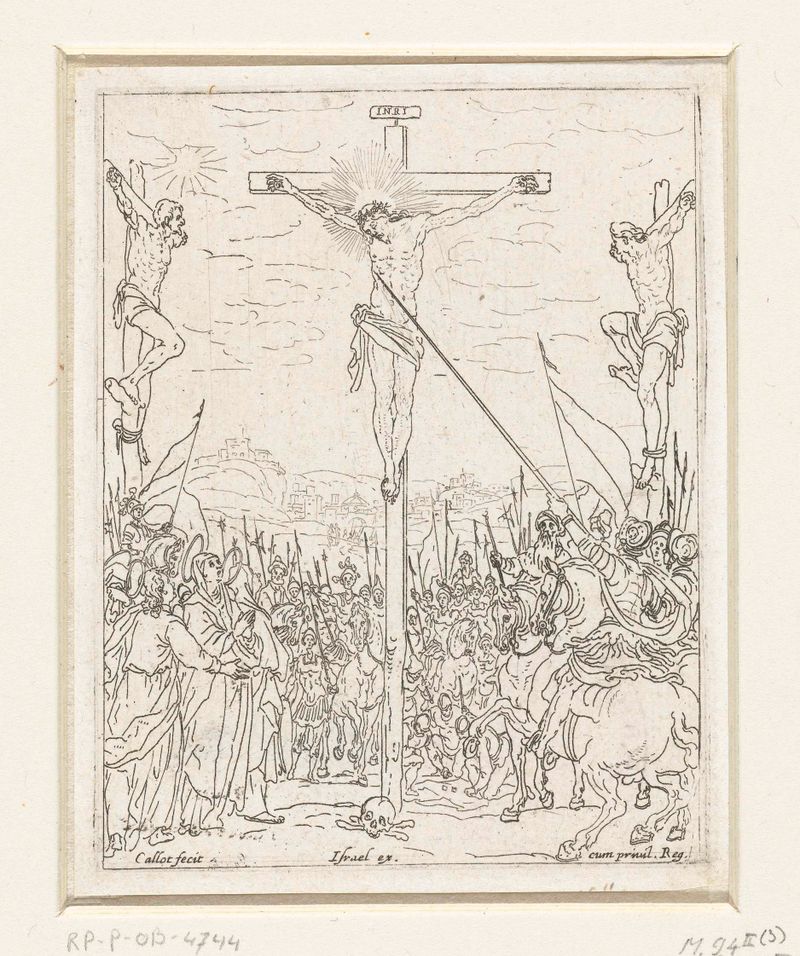
Kruisiging
Jacques Callot

De doortocht door de Rode Zee
Jacques Callot

De verloren zoon als zwijnenhoeder
Jacques Callot

Annunciatie
Jacques Callot
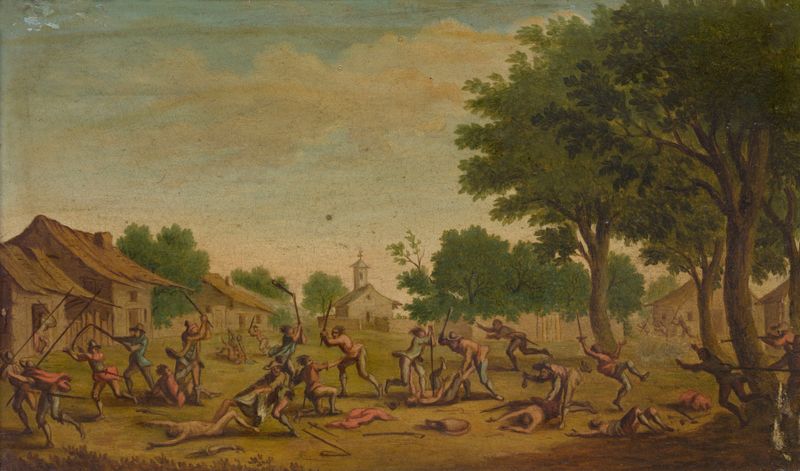
Village Fight
Jacques Callot

Titelprent voor prentreeks 'Het leven van Maria'
Jacques Callot
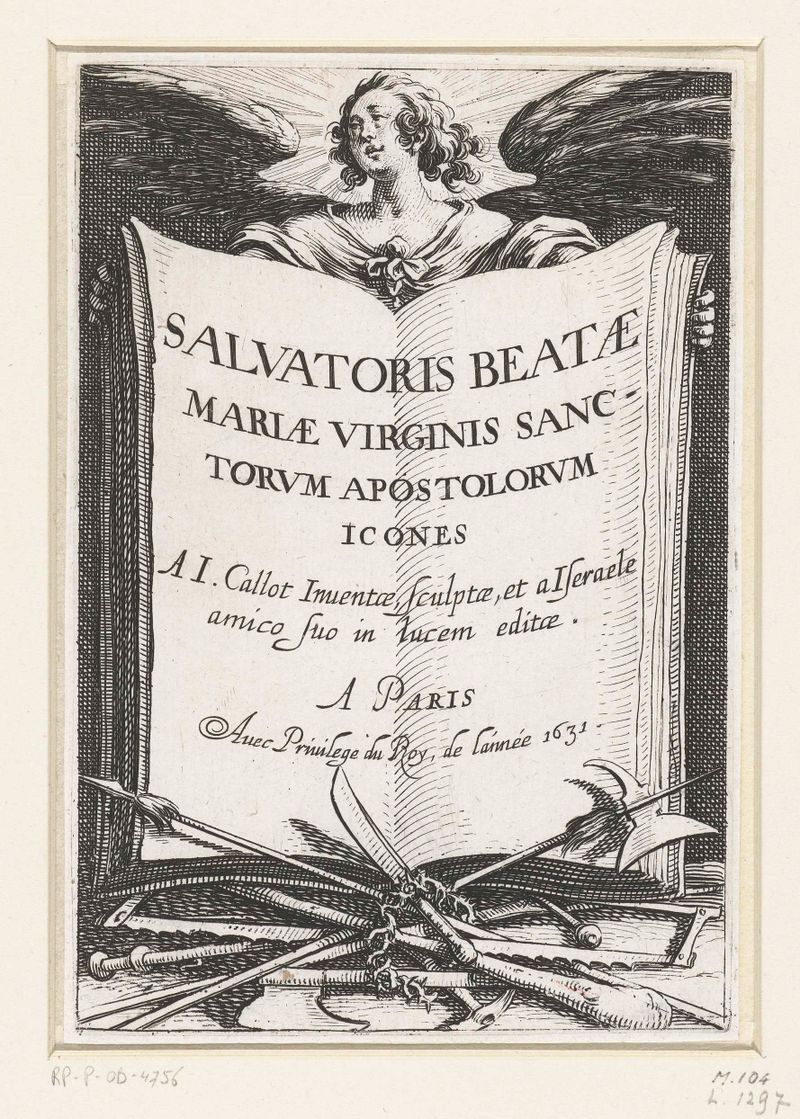
Titelprent voor de prentreeks 'De grote apostelen' (Christus, Maria en de apostelen)
Jacques Callot

Christus aan het volk getoond (Ecce homo)
Jacques Callot
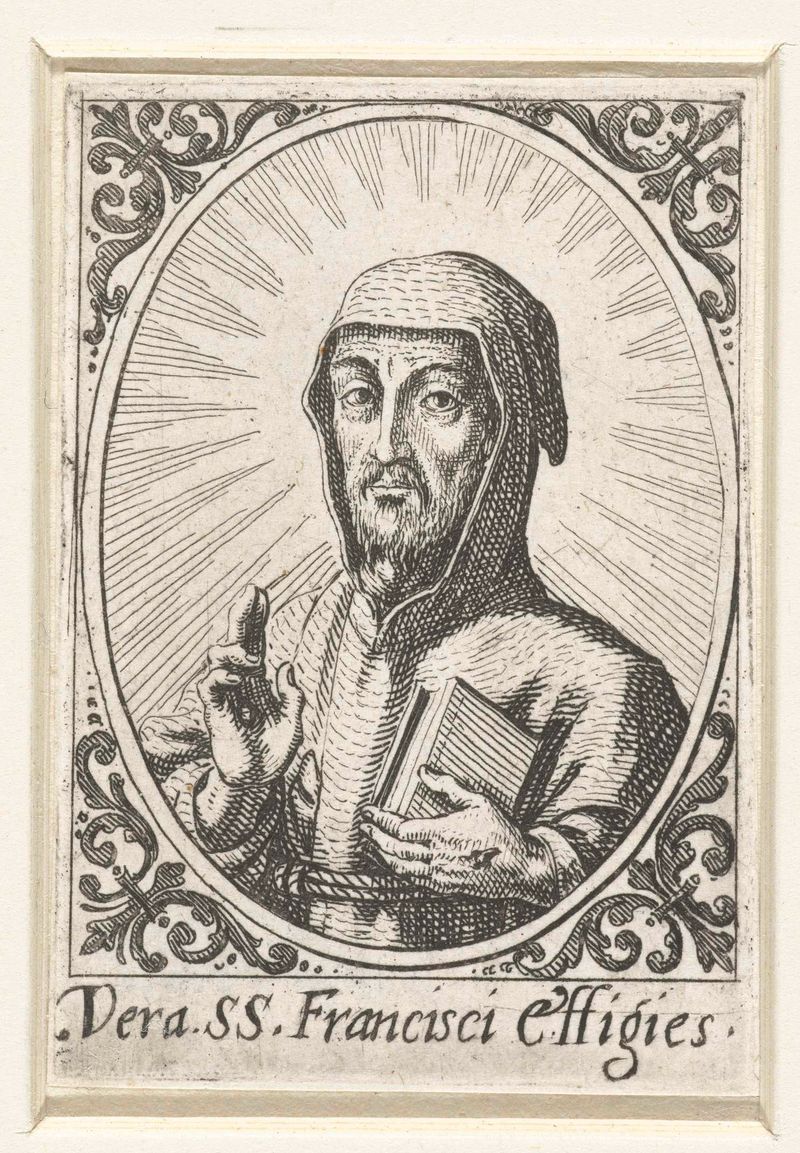
Portret van de Heilige Franciscus
Jacques Callot
More Portrait Art
Browse all →
Las meninas
Diego Velázquez

Self-portrait with a Bandaged Ear and Pipe
Unidentified artist

Girl with a Pearl Earring
Johannes Vermeer

The Sampling Officials of the Amsterdam Drapers’ Guild, Known as ‘The Syndics’
Rembrandt van Rijn

The Hundred Guilder Print: the man seen on the back in the lower left corner
Rembrandt van Rijn

Portrait of Dr Gachet
Vincent van Gogh