
Maria, een sterrenkroon op het hoofd, met kind op de maansikkel — History & Facts
In the nuanced folds of art, violence often lurks beneath the surface, demanding to be acknowledged. Look to the center of the composition, where the serene figure of Maria cradles her child, both bathed in a soft, ethereal light. The gentle curve of the crescent moon cradles them, contrasting with the vibrant hues of their garments. Notice how the delicate patterns and intricate details of their attire draw the eye, while the star crown above their heads radiates a celestial serenity that feels almost otherworldly.
The muted background serves as a stark canvas, heightening their presence and emphasizing the profound bond between mother and child. Yet, hidden beneath this tranquil facade lies an unsettling tension. The juxtaposition of the tender maternal embrace against the sharp, crescent edge of the moon suggests a reminder of vulnerability in a world that can be harsh. The droplet of tears that seems to shimmer at the edge of the child's eye hints at a deeper narrative of loss or sorrow.
Dürer captures this emotional dichotomy with masterful strokes, allowing the viewer to sense the quiet violence of reality lurking just beyond the beauty. In 1508, Dürer painted this piece during a transformative period in Europe, where the Renaissance was blossoming, and artists began to explore themes of both beauty and complexity. Residing in Nuremberg, Dürer was at the forefront of Northern Renaissance art, grappling with the interplay of faith, humanity, and the tumult of the times. This work reflects not only his technical prowess but also an awareness of the multifaceted nature of existence, merging serenity with the haunting echoes of life’s trials.
More Artworks by Albrecht Dürer
Browse all →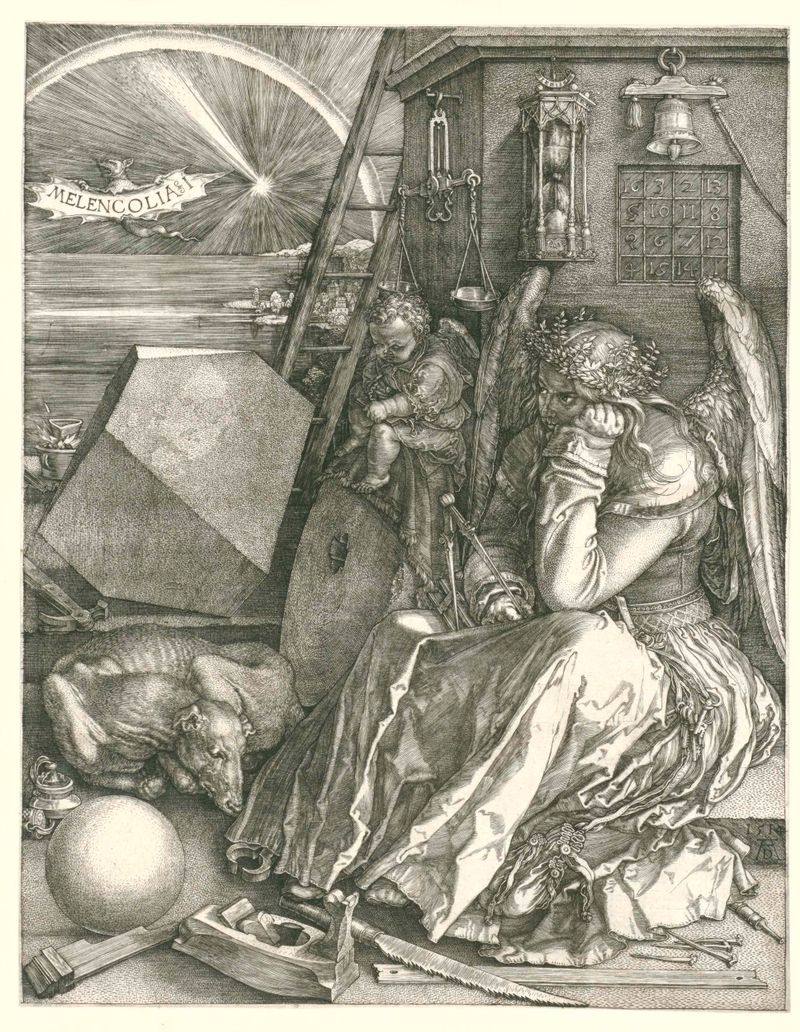
Melancholia
Albrecht Dürer
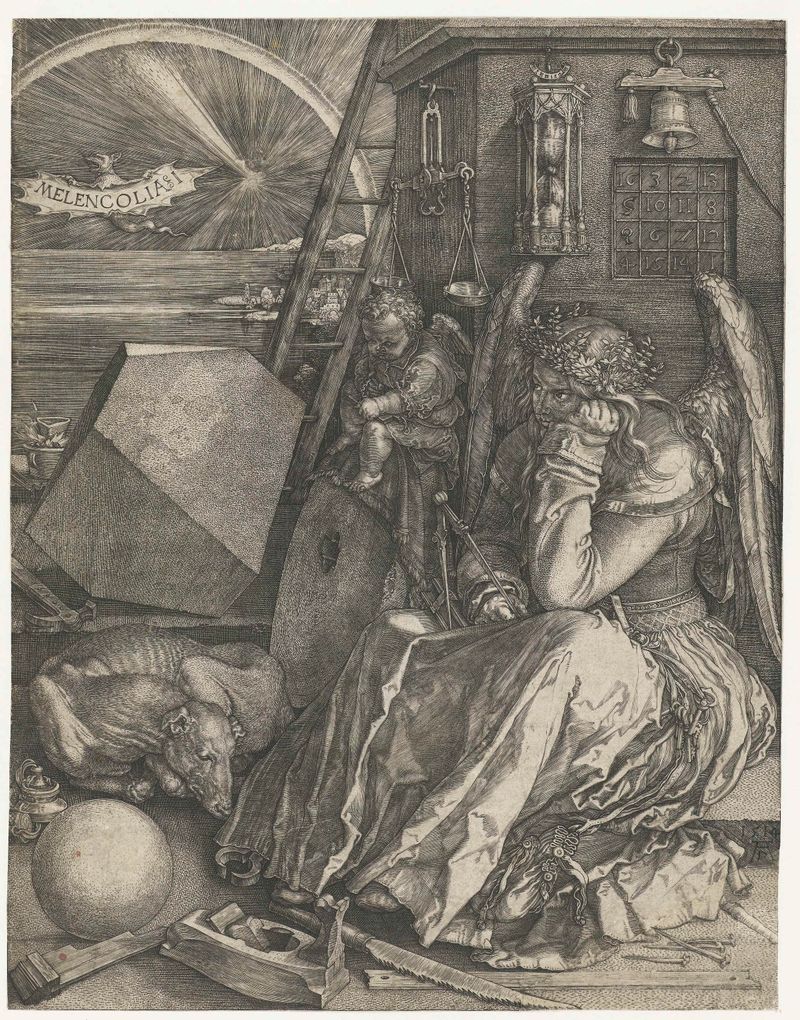
Melancholie
Albrecht Dürer

Neushoorn
Albrecht Dürer
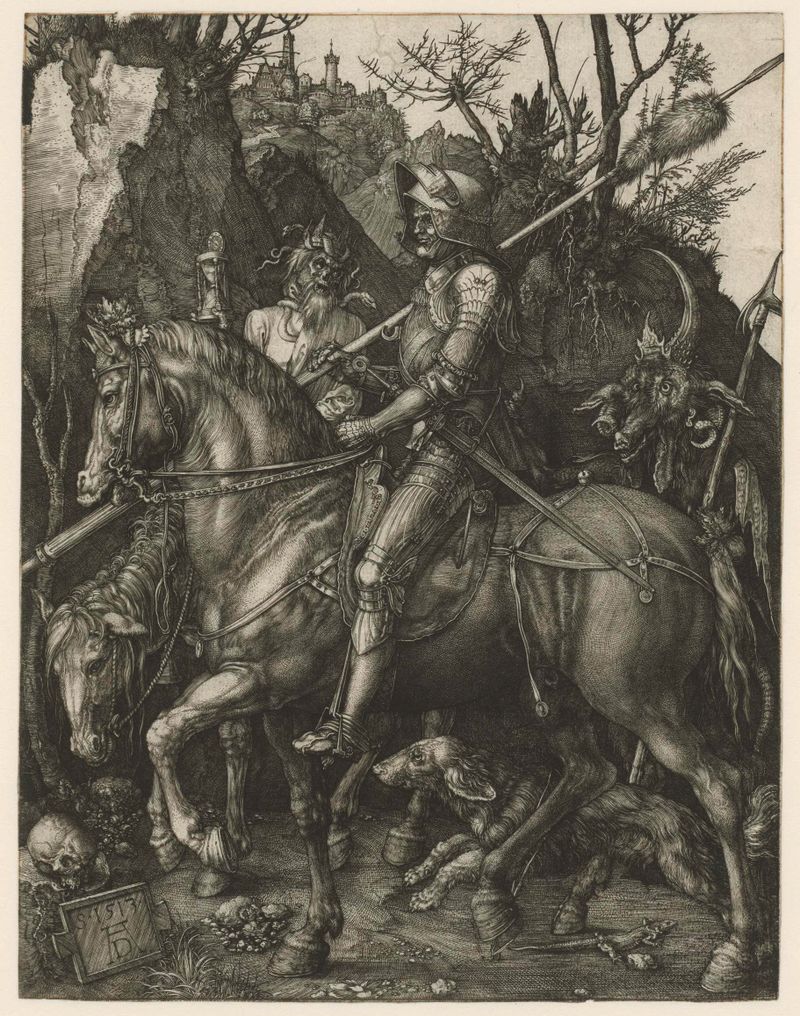
Knight, Death, and the Devil
Albrecht Dürer

De vier ruiters van de apocalyps
Albrecht Dürer

De vier ruiters van de apocalyps
Albrecht Dürer
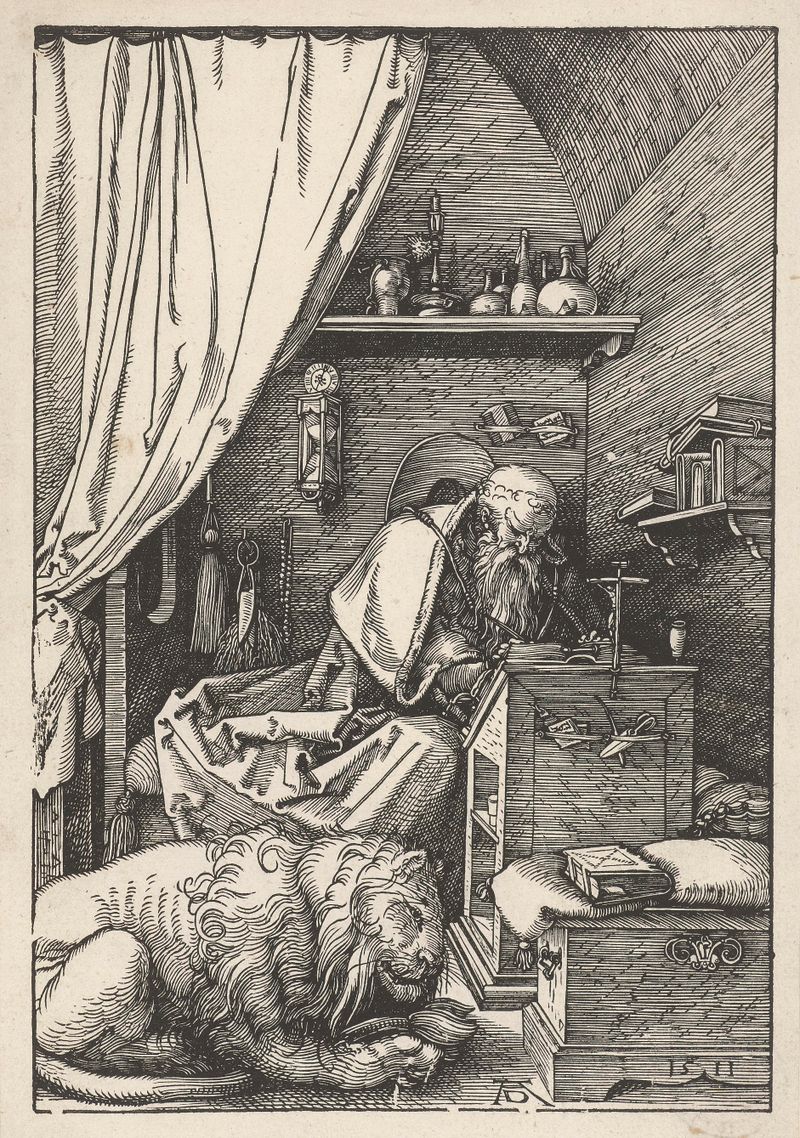
De Heilige Hiëronymus in zijn studeervertrek
Albrecht Dürer
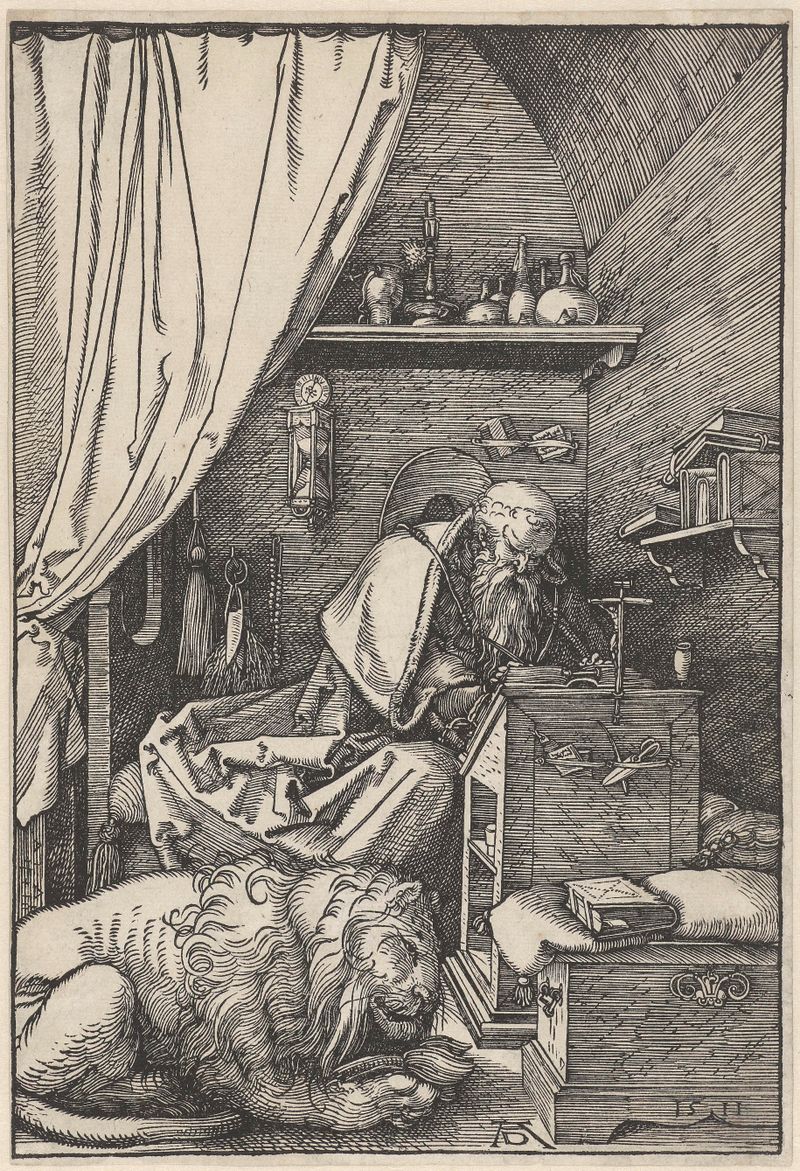
De Heilige Hiëronymus in zijn studeervertrek
Albrecht Dürer
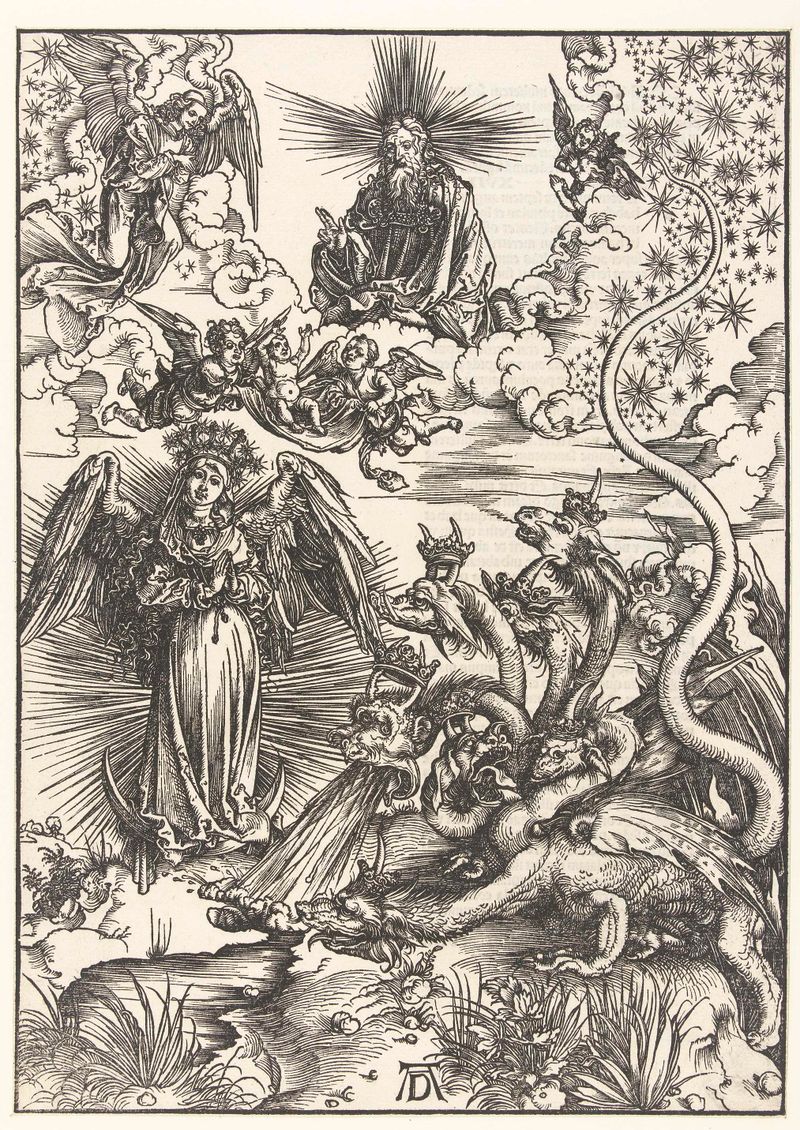
De apocalyptische vrouw en de zevenkoppige draak
Albrecht Dürer
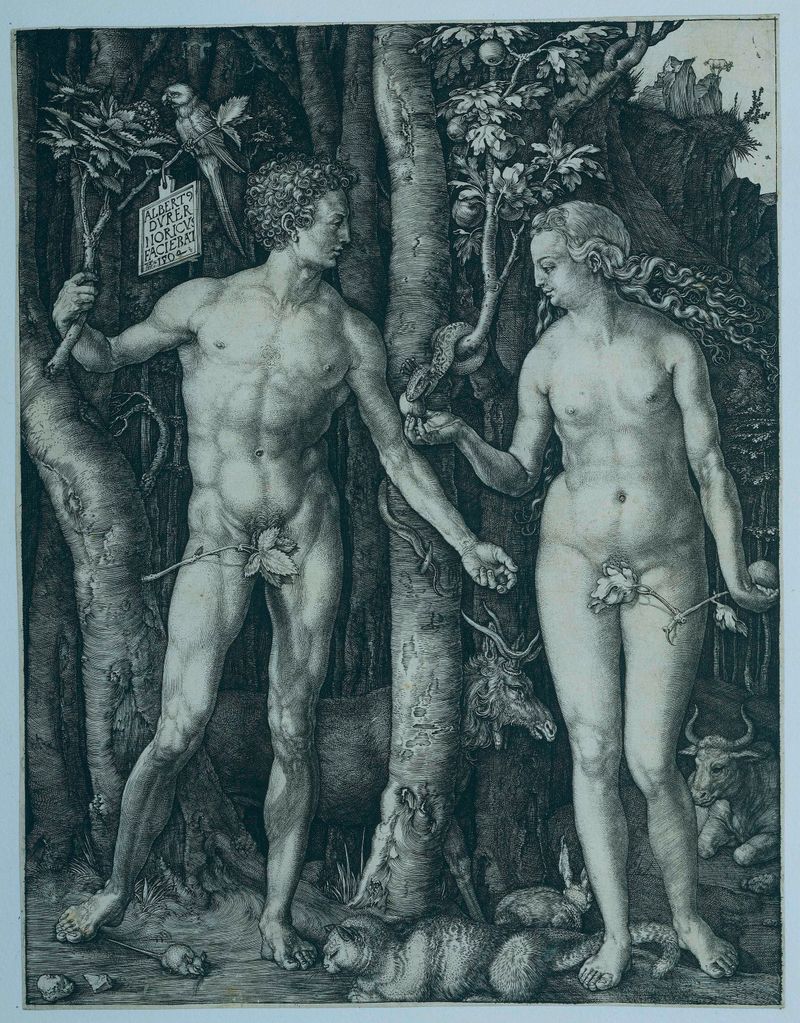
Adam en Eva
Albrecht Dürer
More Religious Art
Browse all →
The Return of the Prodigal Son
Rembrandt van Rijn

The Garden of Earthly Delights
El Bosco

Count Orgaz’ funeral
El Greco

The Hundred Guilder Print: the central piece with Christ preaching, the plate arched
Rembrandt van Rijn

The Descent from the Cross
Rogier van der Weyden

The return of the prodigal son
Rembrandt van Rijn