
Maria met Christuskind en kleine Johannes de Doper — History & Facts
Could beauty survive in a century of chaos? In a time fraught with turmoil, the delicate figures of a mother, child, and the youthful herald intertwine the sacred with the serene. Look to the center where Maria cradles the Christ child, her expression tender yet resolute. Notice the gentle curves of their forms, illuminated by a soft light that seems to emanate from within, enhancing the intimacy of this divine moment. The juxtaposition of the robust, youthful figure of Johannes de Doper on the left, with his outstretched hand, contrasts with the calm reverence of the mother and child, subtly echoing themes of prophecy and fulfillment.
Callot employs a muted palette, allowing the figures to emerge from the background, as if they are born from the very essence of the scene. Beneath the surface, the artwork whispers of deeper connections — the bond of motherhood, the innocence of youth, and the heavy mantle of divine purpose. The serene expressions of Maria and Christ suggest a moment of peace amid impending strife, while Johannes, the herald, hints at a future laden with responsibility. There’s a tension in this composition; it reflects not only the joy of divine connection but also the weight of expectations that await these figures within a turbulent world. In 1614, Jacques Callot painted this piece during a time marked by political upheaval and social strife in France.
Living in Nancy, amidst the Thirty Years' War, he found solace in creating imagery that transcended the chaos around him. This work exemplifies his ability to capture both the fragility of beauty and the profound moments of connection that persist regardless of external turmoil.
More Artworks by Jacques Callot
Browse all →
Titelprent voor de prentreeks 'De kleine apostelen' (Het martelaarschap van de apostelen)
Jacques Callot
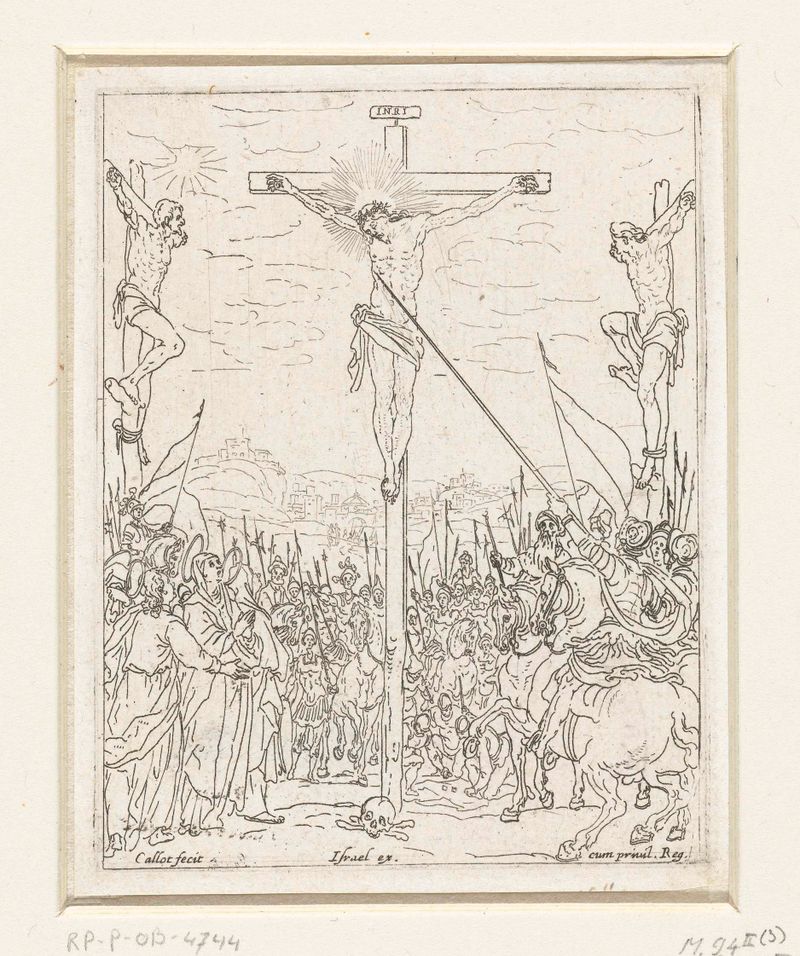
Kruisiging
Jacques Callot

De doortocht door de Rode Zee
Jacques Callot

De verloren zoon als zwijnenhoeder
Jacques Callot

Annunciatie
Jacques Callot
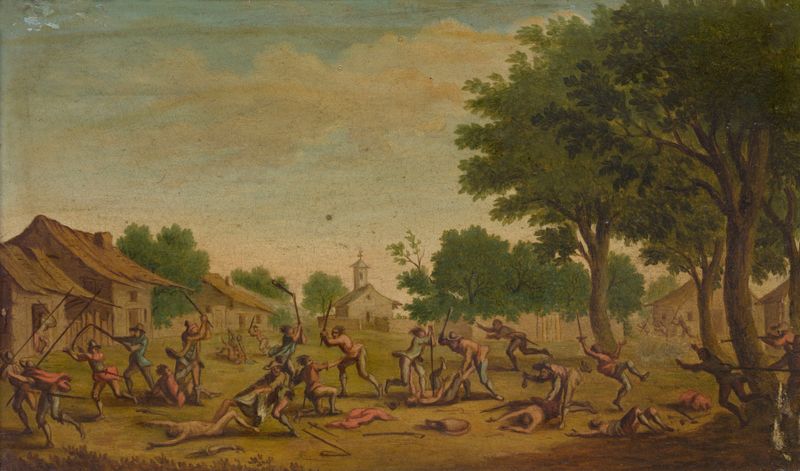
Village Fight
Jacques Callot

Titelprent voor prentreeks 'Het leven van Maria'
Jacques Callot
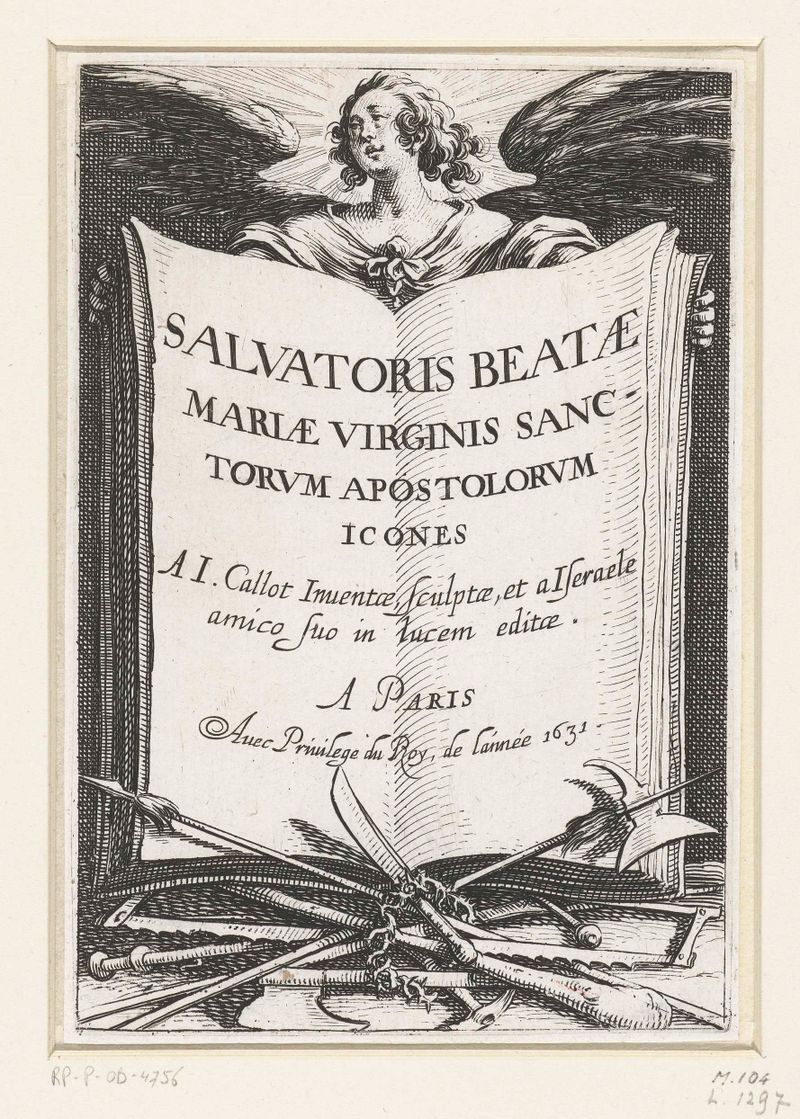
Titelprent voor de prentreeks 'De grote apostelen' (Christus, Maria en de apostelen)
Jacques Callot

Christus aan het volk getoond (Ecce homo)
Jacques Callot
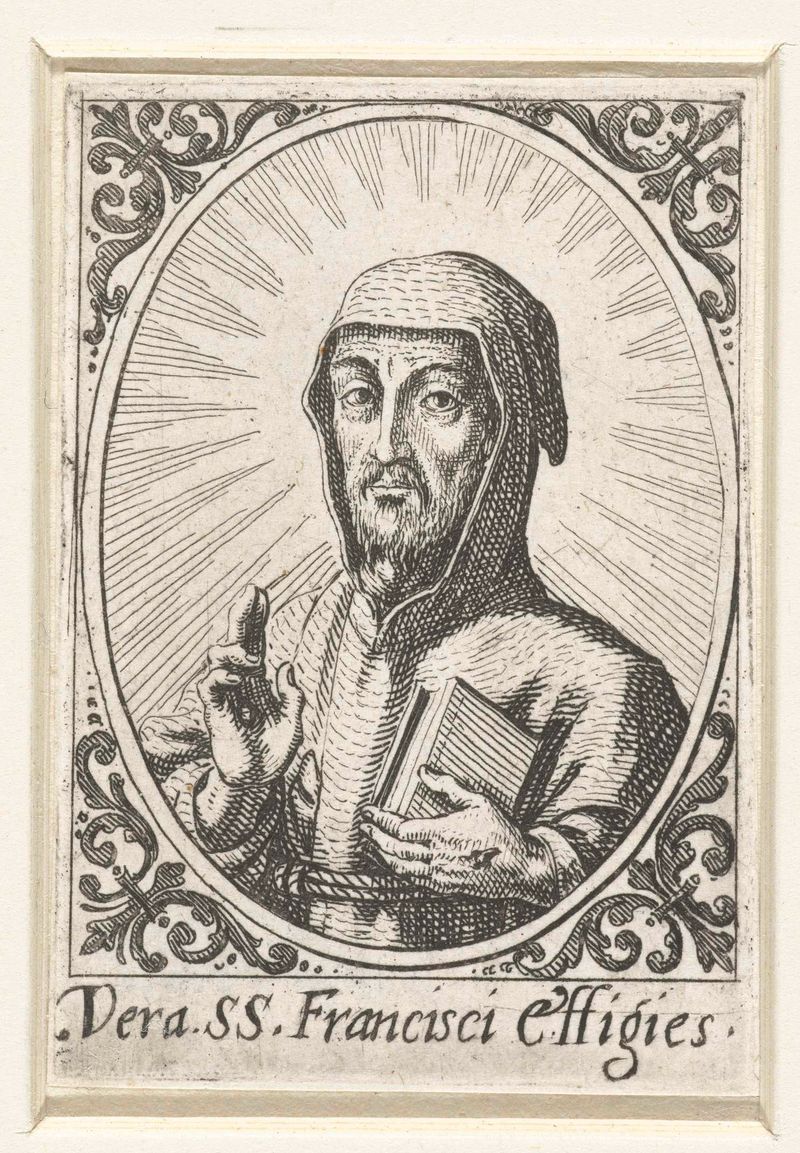
Portret van de Heilige Franciscus
Jacques Callot
More Religious Art
Browse all →
The Return of the Prodigal Son
Rembrandt van Rijn

The Garden of Earthly Delights
El Bosco

Count Orgaz’ funeral
El Greco

The Hundred Guilder Print: the central piece with Christ preaching, the plate arched
Rembrandt van Rijn

The Descent from the Cross
Rogier van der Weyden

The return of the prodigal son
Rembrandt van Rijn