
Maria met het Christuskind — History & Facts
In the quiet embrace of color, emotions unfurl like petals, revealing the unspoken depths of the human experience. Look to the right: the tender gaze of the Madonna captures your attention, her serene features illuminated by a soft, celestial light. The delicate, muted palette of ochres and blues envelops the figures, creating an ethereal atmosphere that invites contemplation. Notice how the warm hues of Maria’s garments contrast with the infant Christ, who is swathed in lighter tones, symbolizing divinity against human tenderness.
The intricate details of their clothing and the gentle gestures subtly guide the viewer’s eye, emphasizing the intimate bond between mother and child. Beneath the surface lies a medley of emotions, where every brushstroke evokes a blend of joy and melancholy. The subtle interplay of light and shadow plays a crucial role, creating a palpable tension between the sacred and the earthly. The delicate expression on Maria's face reveals a depth of longing, an acknowledgment of the heavy burden her child will one day bear.
In the background, the muted landscape serves as a reminder of the world outside their sanctuary, hinting at a reality filled with challenges and hope. During the years 1608 to 1611, the artist crafted this piece in a period marked by religious fervor and artistic experimentation. Callot was immersed in the cultural vibrancy of France, navigating the shifting tides of Baroque art. His focus on intimate, emotive subjects was part of a broader movement that sought to explore the divine through a deeply human lens, making this work a poignant reflection of both personal and universal themes.
More Artworks by Jacques Callot
Browse all →
Titelprent voor de prentreeks 'De kleine apostelen' (Het martelaarschap van de apostelen)
Jacques Callot
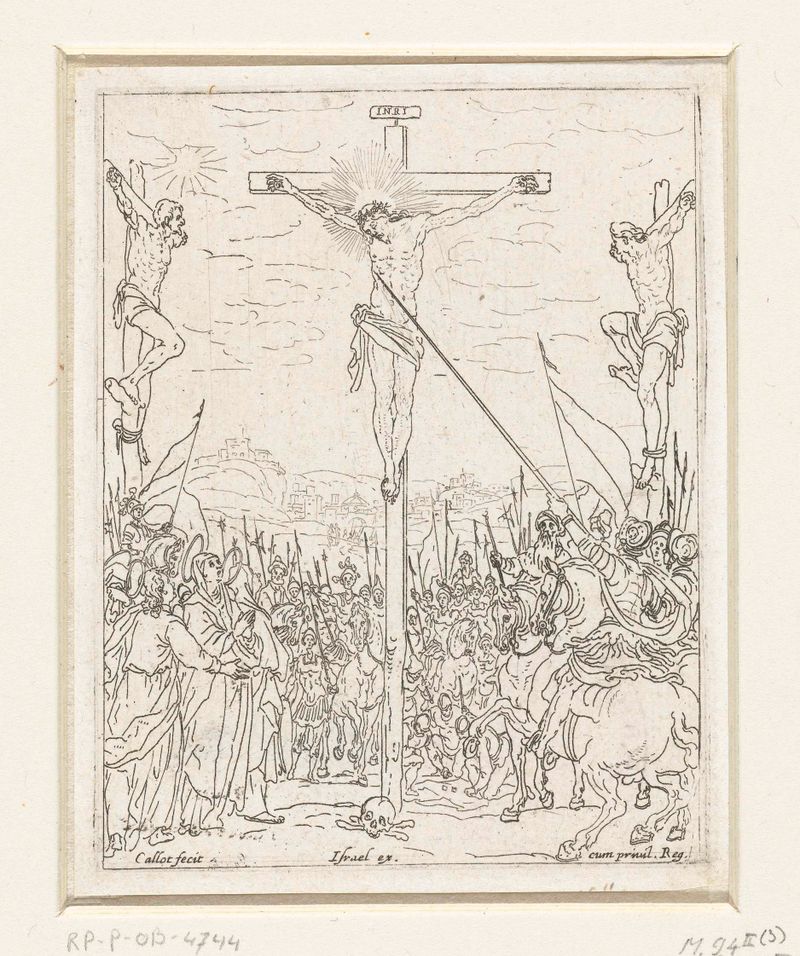
Kruisiging
Jacques Callot

De doortocht door de Rode Zee
Jacques Callot

De verloren zoon als zwijnenhoeder
Jacques Callot

Annunciatie
Jacques Callot
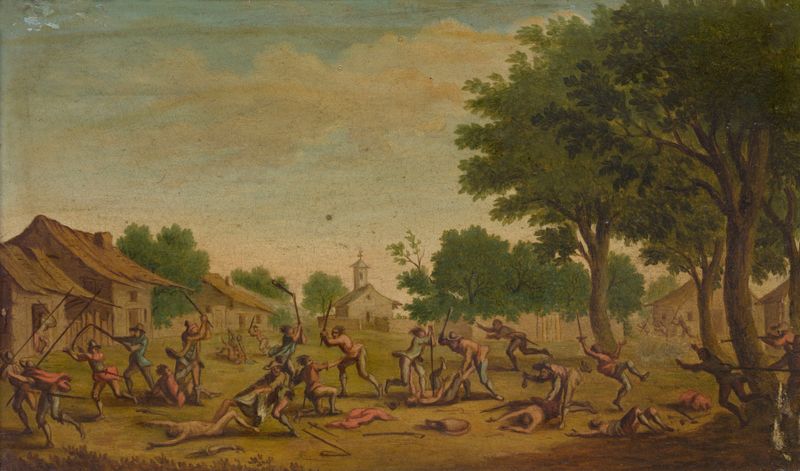
Village Fight
Jacques Callot

Titelprent voor prentreeks 'Het leven van Maria'
Jacques Callot
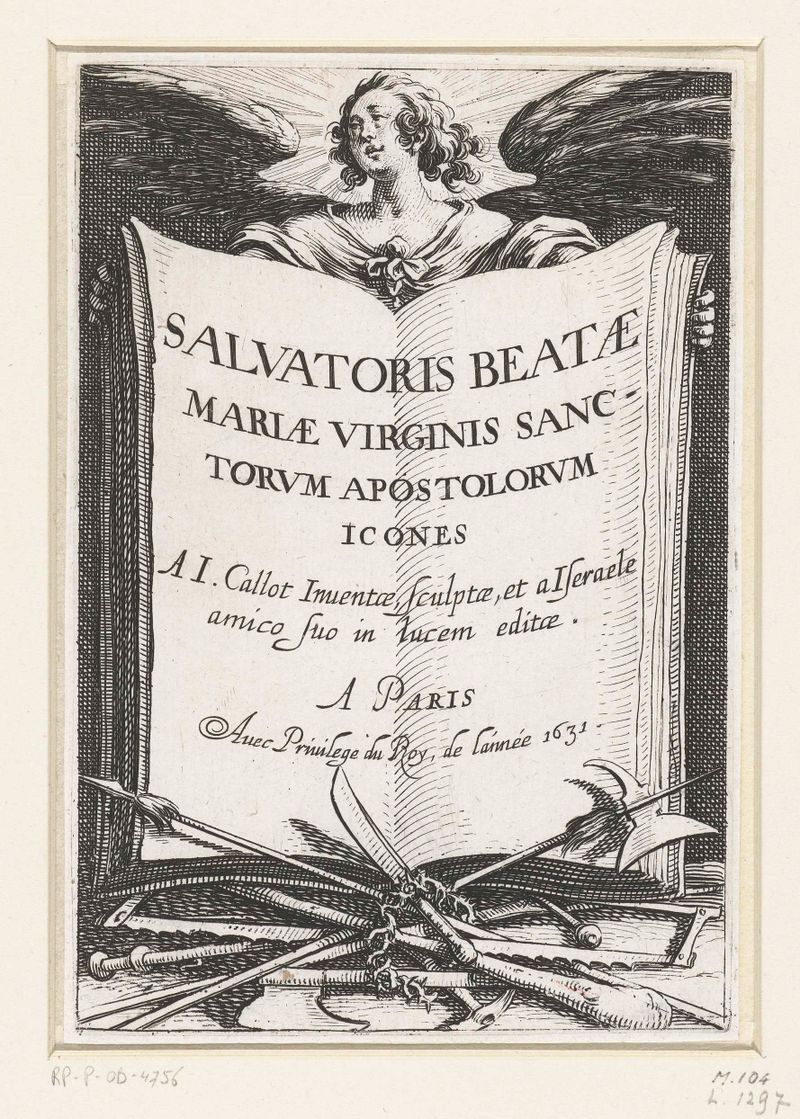
Titelprent voor de prentreeks 'De grote apostelen' (Christus, Maria en de apostelen)
Jacques Callot

Christus aan het volk getoond (Ecce homo)
Jacques Callot
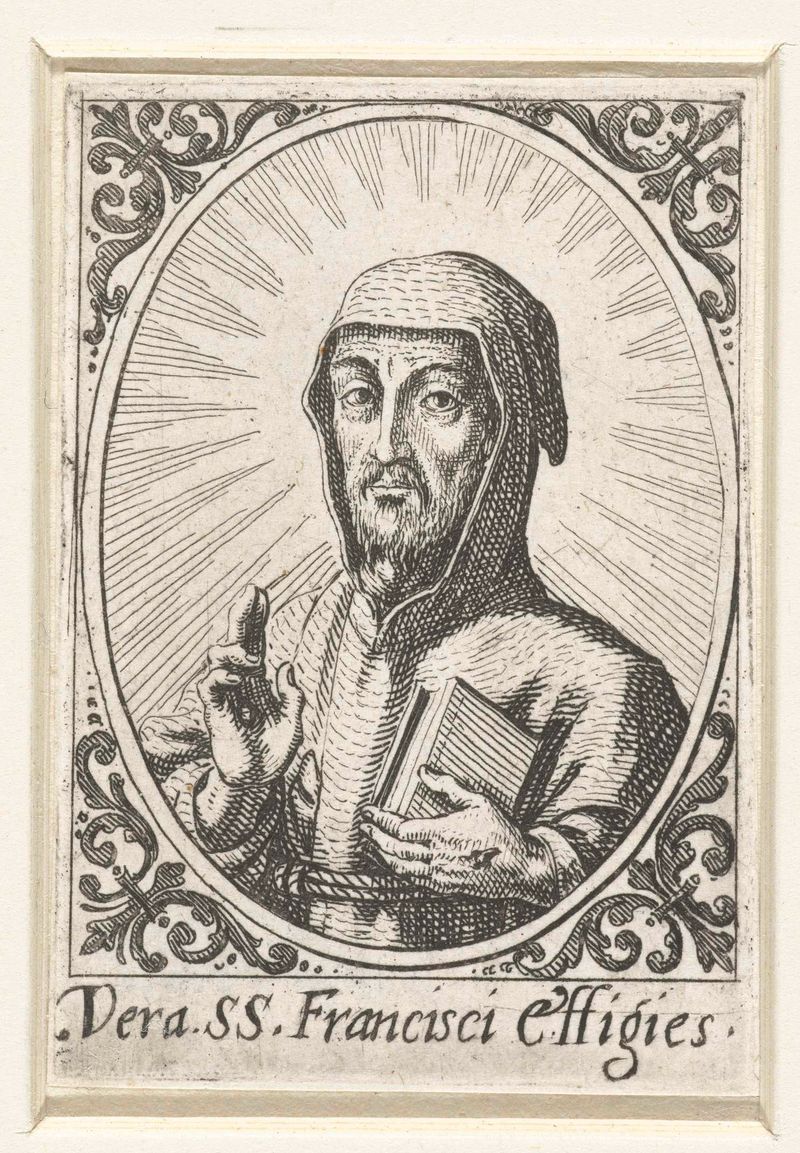
Portret van de Heilige Franciscus
Jacques Callot
More Religious Art
Browse all →
The Return of the Prodigal Son
Rembrandt van Rijn

The Garden of Earthly Delights
El Bosco

Count Orgaz’ funeral
El Greco

The Hundred Guilder Print: the central piece with Christ preaching, the plate arched
Rembrandt van Rijn

The Descent from the Cross
Rogier van der Weyden

The return of the prodigal son
Rembrandt van Rijn