
Maria met het Christuskind tussen de Heilige Jakobus de Meerdere en de Heilige Hiëronymus — History & Facts
When did color learn to lie? In Maria met het Christuskind tussen de Heilige Jakobus de Meerdere en de Heilige Hiëronymus, a delicate interplay of hues and forms unfolds, inviting contemplation of purity and faith. Each brushstroke speaks of transcendence, drawing the viewer into a sacred moment suspended between the earthly and the divine. Focus first on the ethereal glow surrounding the figures. The Virgin Mary, cradling the Christ child, occupies the center, her serene expression illuminated by soft light that bathes her in warmth.
Notice how the rich reds and deep blues of her garments contrast with the muted tones of the saints beside her, creating a visual hierarchy that emphasizes her significance. Each figure is meticulously detailed, with textures that invite touch, while the fluid lines guide the eye gracefully through the composition. Hidden within the imagery lies a profound emotional tension; the juxtaposition of the innocent child against the somber expressions of the saints reflects the weight of destiny and sacrifice. The slight tilt of St.
Jerome's head, paired with the attentive gaze of St. James, suggests a dialogue that transcends words, inviting the viewer to ponder their silent exchange. This visual conversation reveals the struggle between faith, knowledge, and the divine plan, resonating with viewers across centuries. Jacques Callot painted this piece between 1608 and 1611 in Nancy, France, during a time when the Baroque movement was beginning to gain momentum.
Influenced by the Counter-Reformation, artists were increasingly exploring themes of spirituality and devotion. Callot's intricate style and attention to detail exemplify the era's desire to communicate religious narratives with emotional depth and clarity, marking his contribution to the evolving landscape of early modern art.
More Artworks by Jacques Callot
Browse all →
Titelprent voor de prentreeks 'De kleine apostelen' (Het martelaarschap van de apostelen)
Jacques Callot
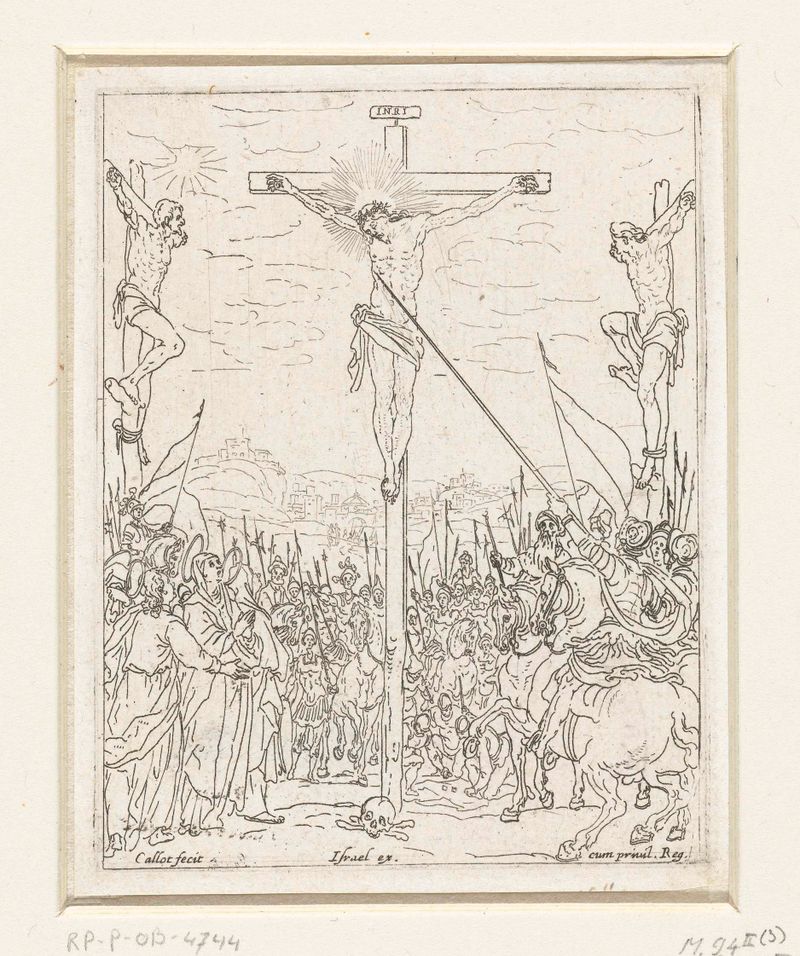
Kruisiging
Jacques Callot

De doortocht door de Rode Zee
Jacques Callot

De verloren zoon als zwijnenhoeder
Jacques Callot

Annunciatie
Jacques Callot
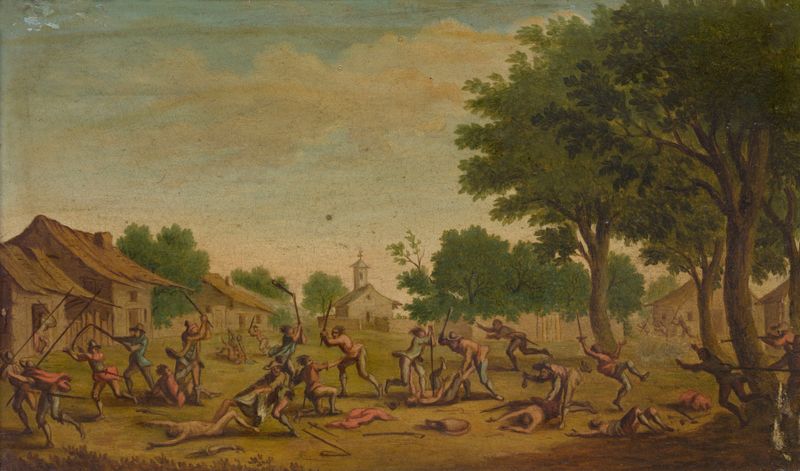
Village Fight
Jacques Callot

Titelprent voor prentreeks 'Het leven van Maria'
Jacques Callot
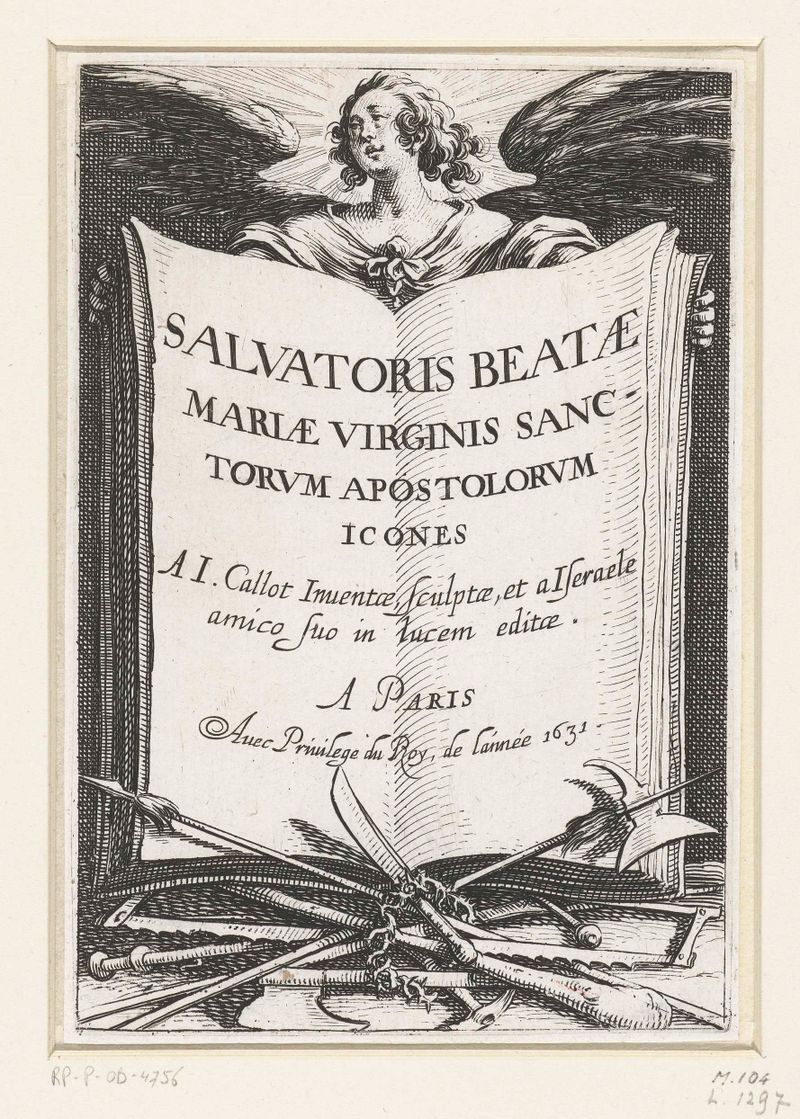
Titelprent voor de prentreeks 'De grote apostelen' (Christus, Maria en de apostelen)
Jacques Callot

Christus aan het volk getoond (Ecce homo)
Jacques Callot
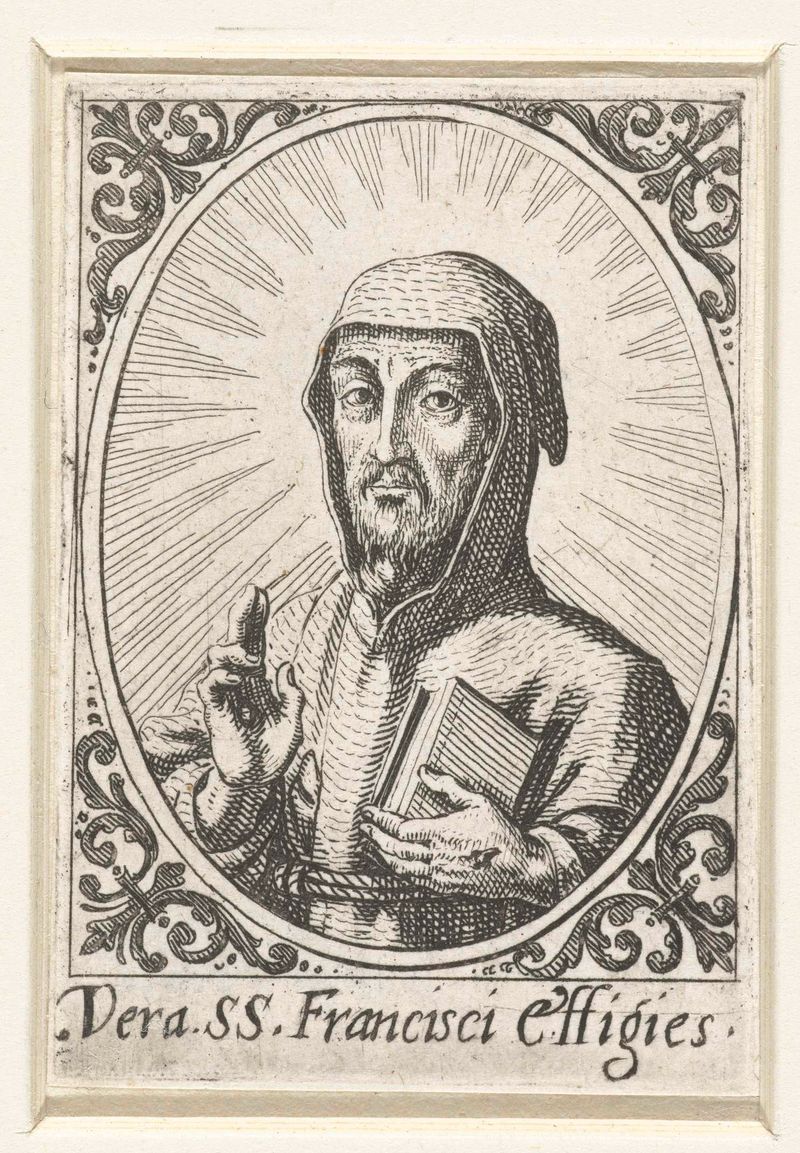
Portret van de Heilige Franciscus
Jacques Callot
More Religious Art
Browse all →
The Return of the Prodigal Son
Rembrandt van Rijn

The Garden of Earthly Delights
El Bosco

Count Orgaz’ funeral
El Greco

The Hundred Guilder Print: the central piece with Christ preaching, the plate arched
Rembrandt van Rijn

The Descent from the Cross
Rogier van der Weyden

The return of the prodigal son
Rembrandt van Rijn