
Marktstraße in Damaskus — History & Facts
Can paint confess what words never could? In Marktstraße in Damaskus, the struggle between vibrant life and lurking dread unfolds on canvas, speaking to the fears that shape a world both familiar and ominous. Focus on the bustling street in the foreground, where figures wander beneath awnings that seem to sag under the weight of shadows. The artist employs a rich palette of ochres and deep blues, evoking the warmth of the sun battling against the encroaching dusk. Notice how the architecture looms, its heavy outlines forming a maze of perspectives that guide your eyes deeper into the scene, drawing you in yet inspiring an instinct to escape. Hidden within the vibrancy is an undercurrent of anxiety; the tension between the bright market life and the darkened alleyways hints at a city caught in socio-political turmoil.
The gesturing figures, engrossed in their conversations, seem unaware of the impending uncertainty that lurks just outside the frame. This duality speaks not just to the setting but to a universal fear: the fragile balance between joy and impending doom. In 1911, while residing in Germany, Wuttke painted this piece during a period of profound change. Europe was on the brink of World War I; artists grappled with their roles as observers and activists.
The work reflects not only personal emotional struggles but also the broader anxieties of a continent poised on the edge of turmoil, making this portrayal of Damascus both a cultural snapshot and a poignant reminder of the tensions of its time.
More Artworks by Carl Wuttke
Browse all →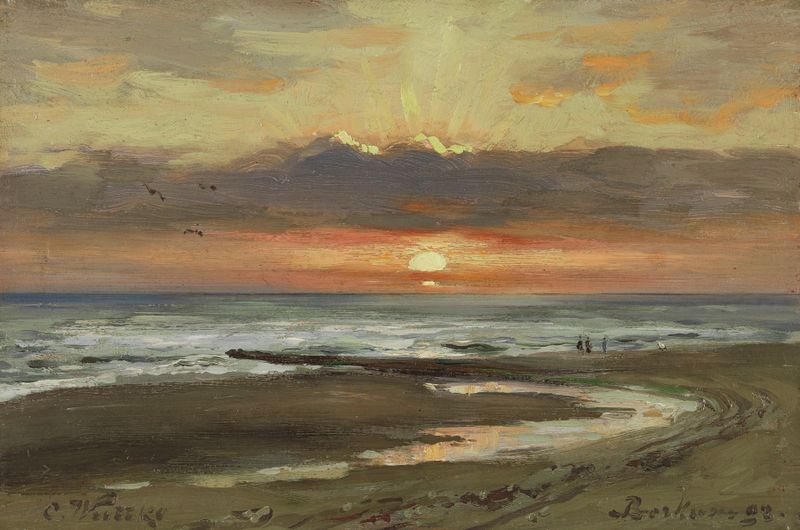
Sonnenuntergang auf Borkum
Carl Wuttke

Orientalischer Basar
Carl Wuttke

Blick vom antiken Theater in Taormina auf den Ätna
Carl Wuttke
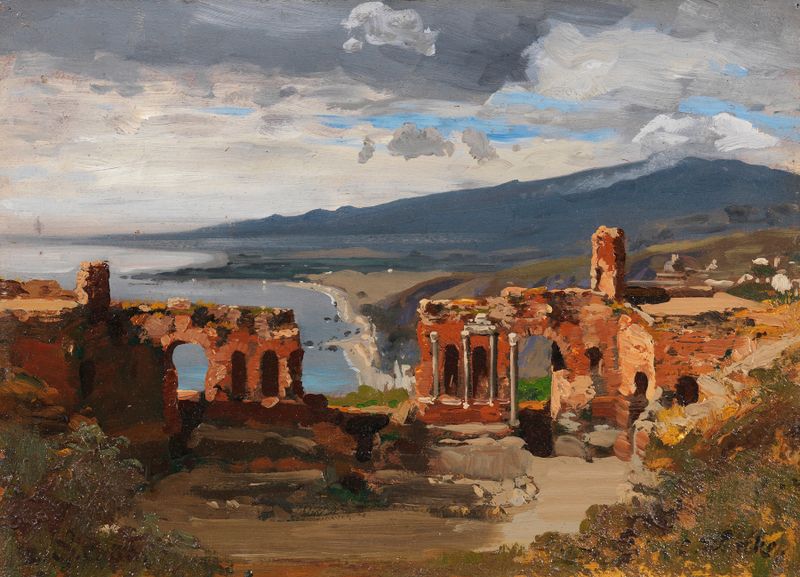
Blick vom antiken Theater in Taormina auf den Ätna
Carl Wuttke
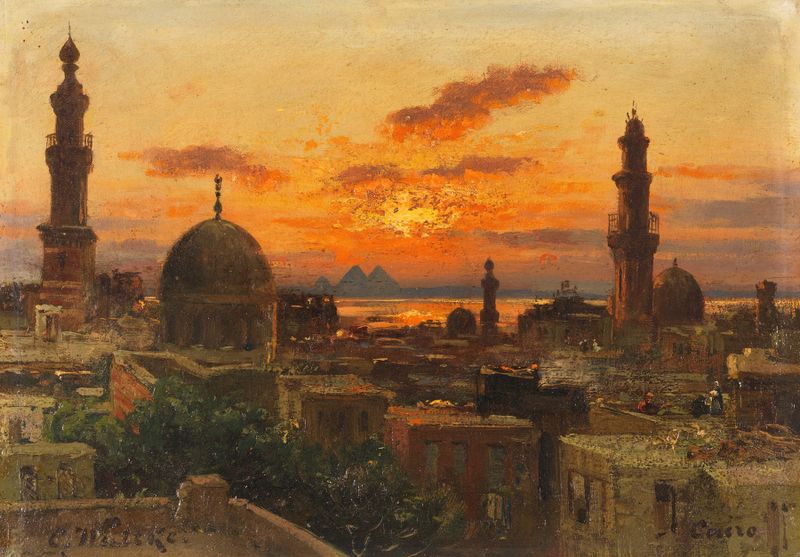
Kairo im Abendlicht
Carl Wuttke
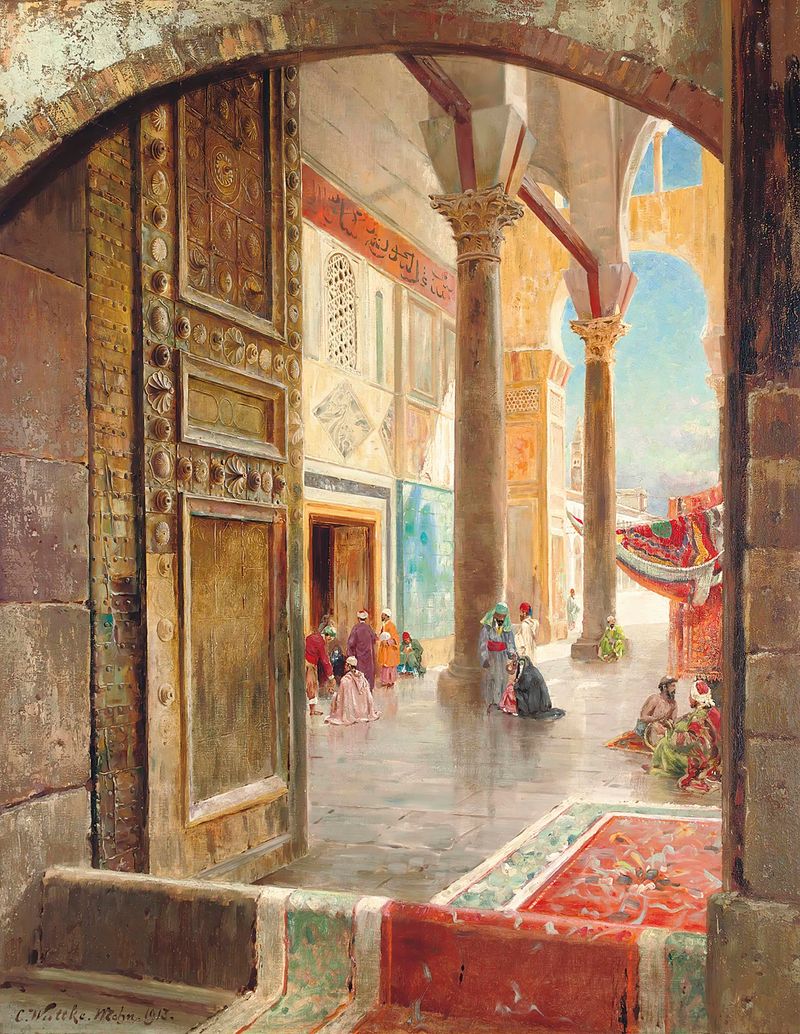
The Great Umayyad Mosque, Damascus
Carl Wuttke
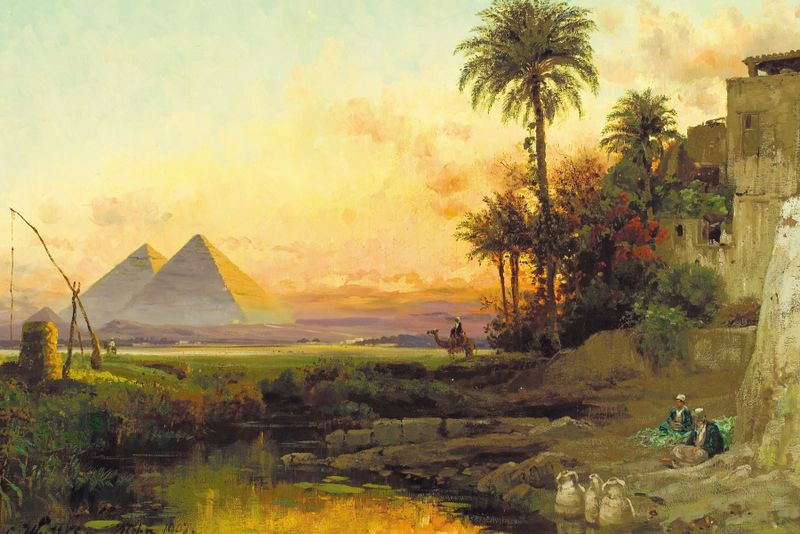
The Pyramids at Dusk
Carl Wuttke

Ansicht von Kairo mit dem Südtor der Stadtmauer
Carl Wuttke

Hügellandschaft in Westbengalen
Carl Wuttke
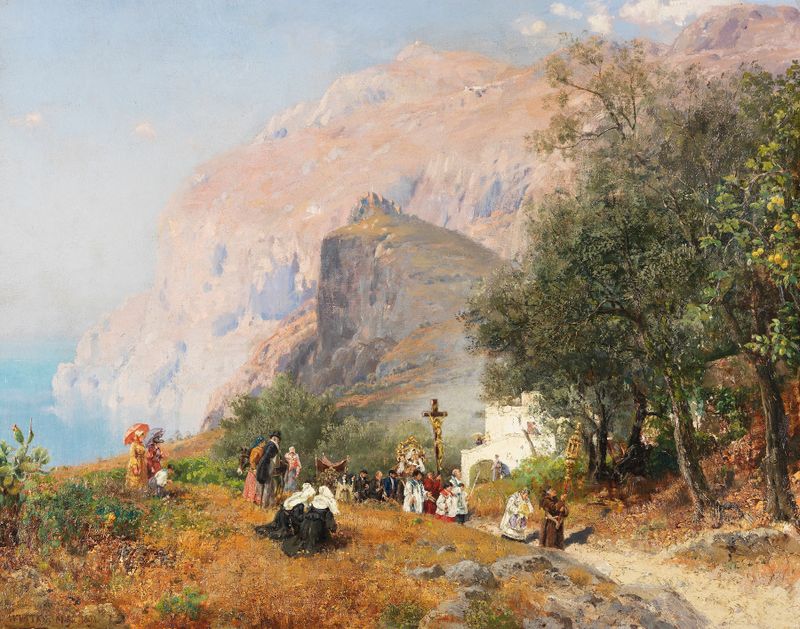
Prozession auf Capri
Carl Wuttke





