
Martelaarschap van Tomas — History & Facts
Who listens when art speaks of silence? In an era rife with turmoil, the weight of legacy often carries the echoes of forgotten voices. Look closely at the figures rendered in Martelaarschap van Tomas. Notice how they cluster around the central figure, whose serene expression contrasts sharply with the chaos enveloping him. The dynamic movement of the crowd captures the viewer’s gaze, leading your eyes to the intricate details in their attire and the sharp gestures of their hands.
Shadows dance across the canvas, highlighting their distress, while the muted earth tones amplify the scene's somber mood. Within this dramatic tableau lies a poignant exploration of faith and sacrifice. The serene martyr's calmness juxtaposed against the fervor of the onlookers invites contemplation on the nature of belief and its repercussions. Each figure represents varying shades of devotion and doubt, creating a tapestry of emotional complexity.
The hazy background, almost indistinct, suggests a world beyond the immediate suffering, reinforcing the idea that the martyr's legacy transcends the moment, inviting interpretation long after the scene has passed. Jacques Callot painted Martelaarschap van Tomas between 1632 and 1634 during a period of personal and artistic challenge. Living in France while the Thirty Years’ War ravaged Europe, Callot's work was influenced by the hardships surrounding him. This piece emerged amid his exploration of printmaking and the dramatic human condition, reflecting his keen interest in capturing the emotional depth of faith, sacrifice, and the legacy left by those who suffer.
More Artworks by Jacques Callot
Browse all →
Titelprent voor de prentreeks 'De kleine apostelen' (Het martelaarschap van de apostelen)
Jacques Callot
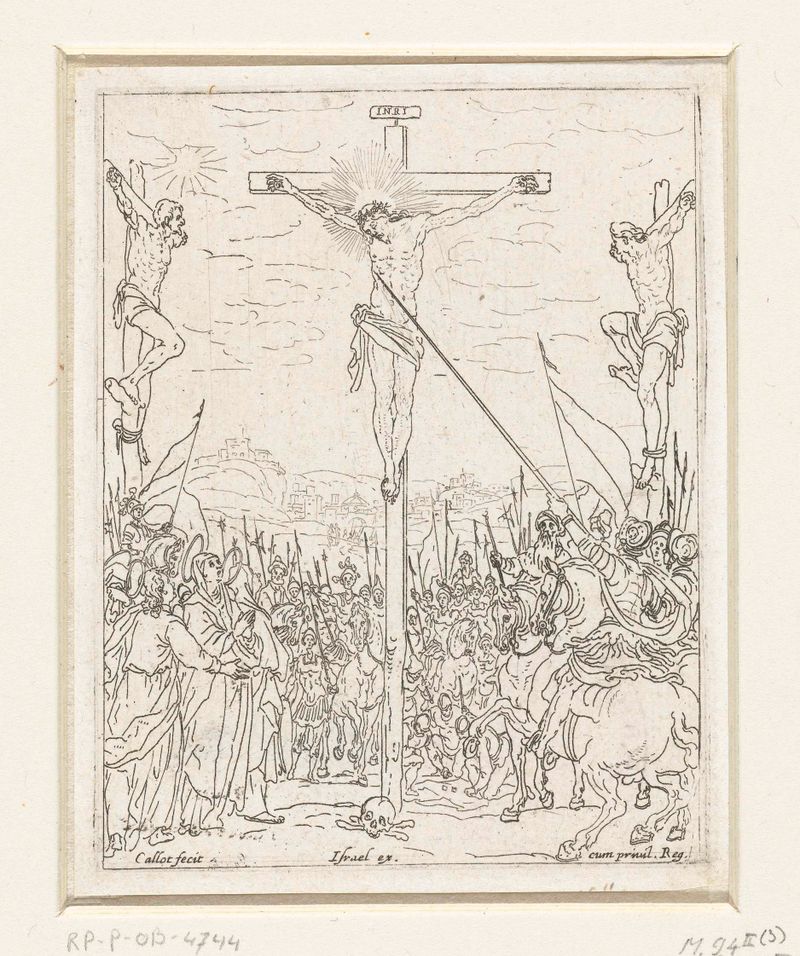
Kruisiging
Jacques Callot

De doortocht door de Rode Zee
Jacques Callot

De verloren zoon als zwijnenhoeder
Jacques Callot

Annunciatie
Jacques Callot
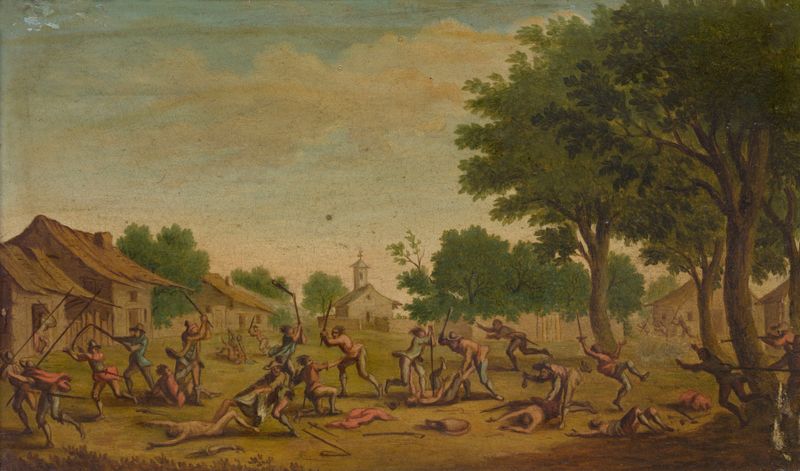
Village Fight
Jacques Callot

Titelprent voor prentreeks 'Het leven van Maria'
Jacques Callot
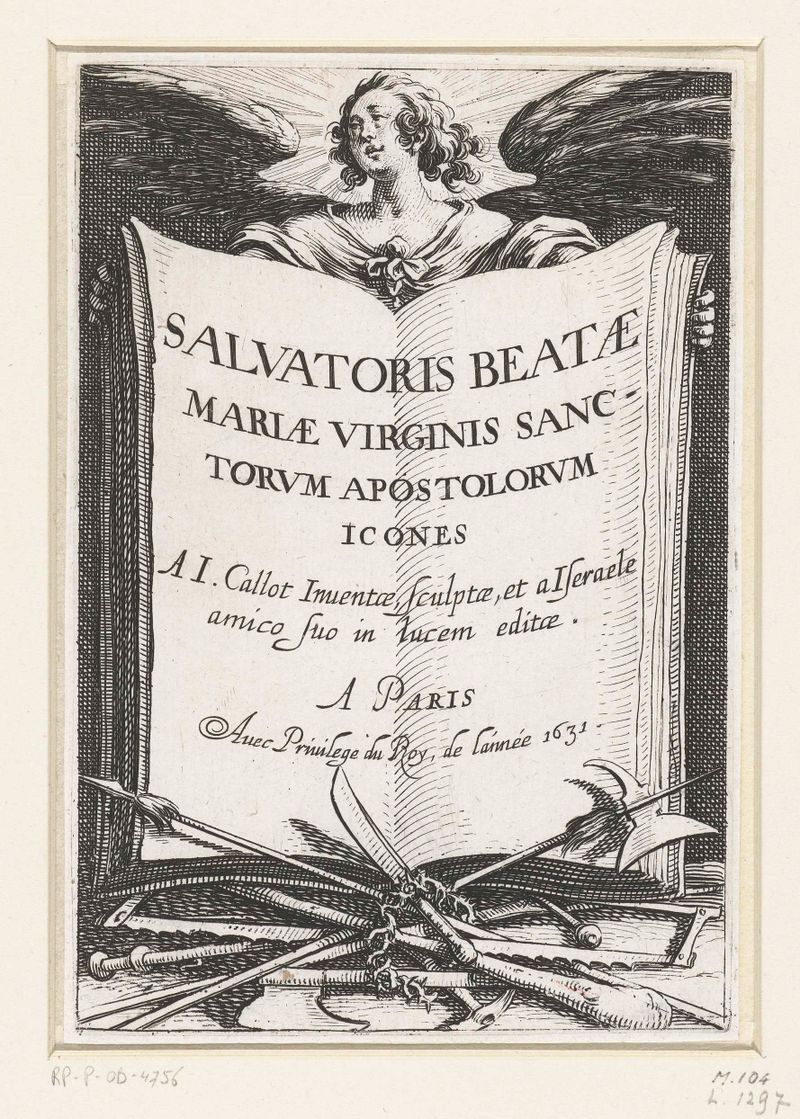
Titelprent voor de prentreeks 'De grote apostelen' (Christus, Maria en de apostelen)
Jacques Callot

Christus aan het volk getoond (Ecce homo)
Jacques Callot
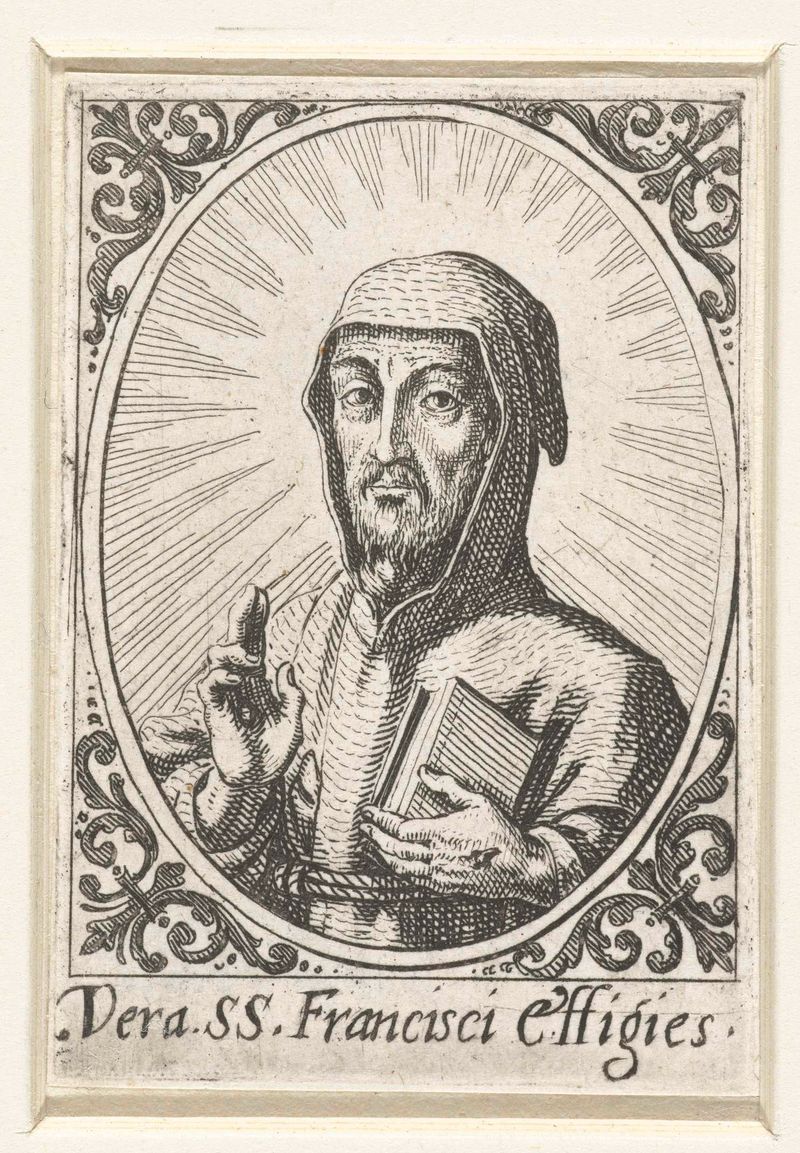
Portret van de Heilige Franciscus
Jacques Callot
More Religious Art
Browse all →
The Return of the Prodigal Son
Rembrandt van Rijn

The Garden of Earthly Delights
El Bosco

Count Orgaz’ funeral
El Greco

The Hundred Guilder Print: the central piece with Christ preaching, the plate arched
Rembrandt van Rijn

The Descent from the Cross
Rogier van der Weyden

The return of the prodigal son
Rembrandt van Rijn