
Marterl am Wegesrand — History & Facts
Can paint confess what words never could? In the stillness of Oskar Mulley’s Marterl am Wegesrand, shadows stretch languidly across the ground, whispering secrets as they dance in the fading light of day. Each hue and contour invites the viewer to ponder the unseen, the existential weight of moments unspoken and lost to time. Look to the left at the soft interplay of shadow and light, where a small roadside shrine resides, nestled against a backdrop of lush greenery. The muted earth tones evoke a sense of tranquility, while the sharp contrasts of light illuminate the shrine’s delicate features.
Notice how the artist's brushwork blends the realism of the scene with an impressionistic touch, creating an emotional resonance that lingers long after the gaze has shifted. Within this seemingly simple composition lies a profound narrative of remembrance and contemplation. The shrine, a marker of loss, suggests the presence of a life once lived, while the encroaching shadows hint at the inevitable passage of time. Each stroke seems to reflect a duality—the bittersweet nature of memories that linger like the fading light, reminding us of both presence and absence. During an uncertain period in his life, Mulley painted this work in an era marked by post-war introspection and longing for connection.
It captures his grappling with personal and societal themes, set against a backdrop of a changing cultural landscape. His exploration of shadow, both literal and metaphorical, serves as a bridge between the past and the present, inviting viewers to reflect on their own experiences of loss and remembrance.
More Artworks by Oskar Mulley
Browse all →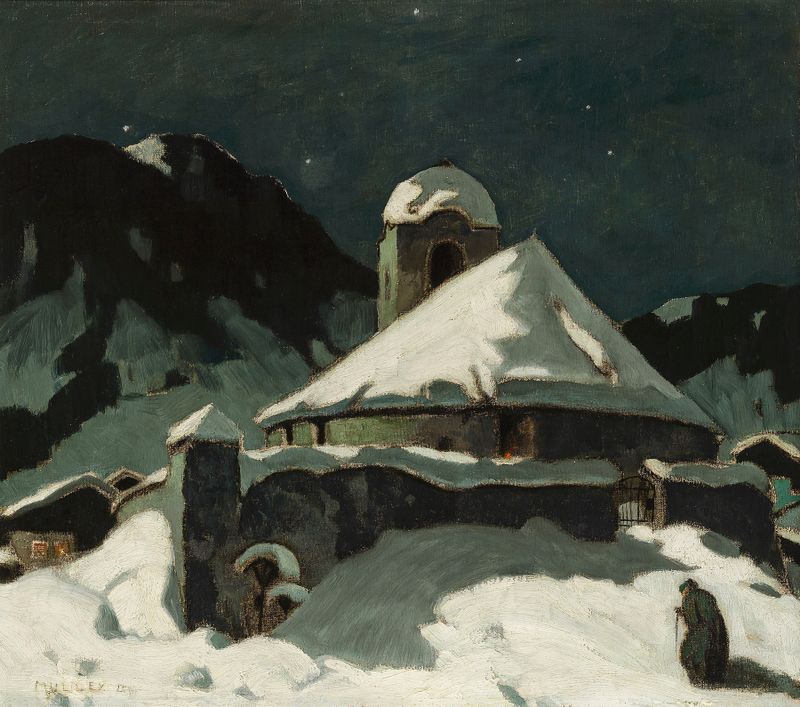
Winternacht im Bergdorf
Oskar Mulley
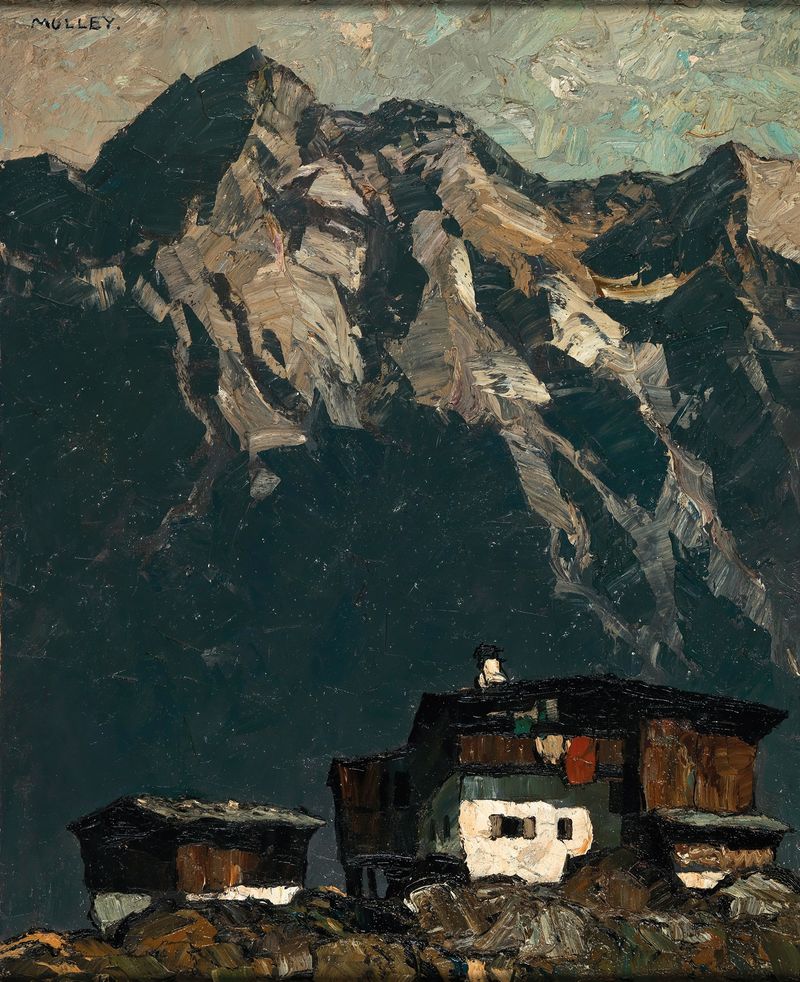
Bauernhof im Hochgebirge
Oskar Mulley
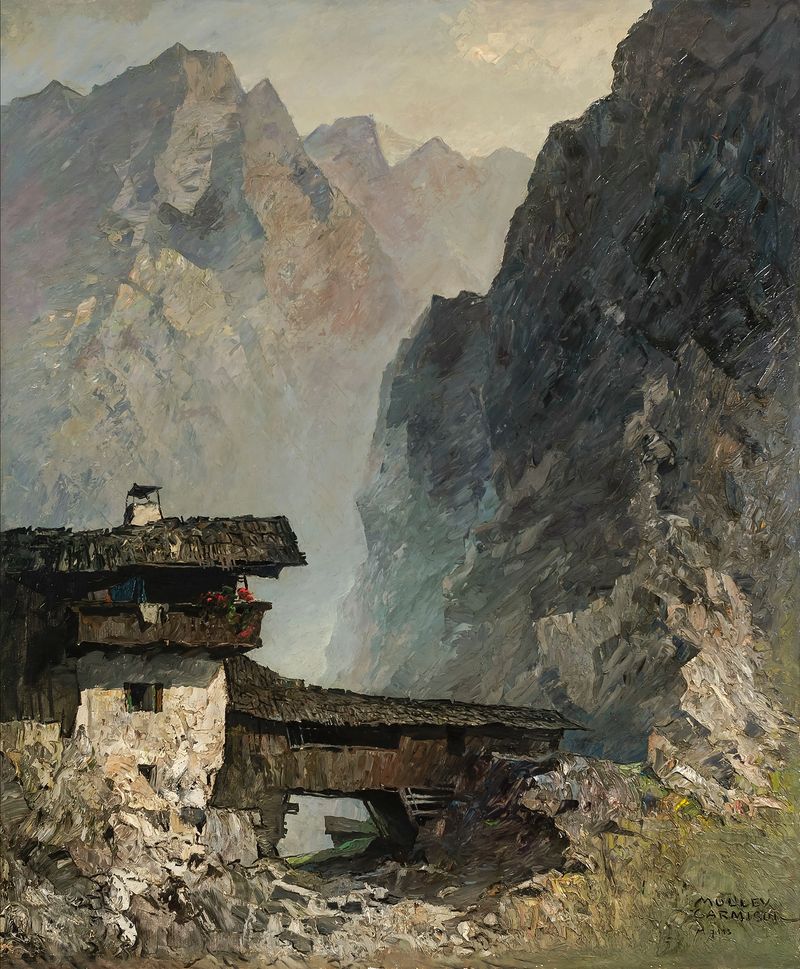
Im Hochtal
Oskar Mulley
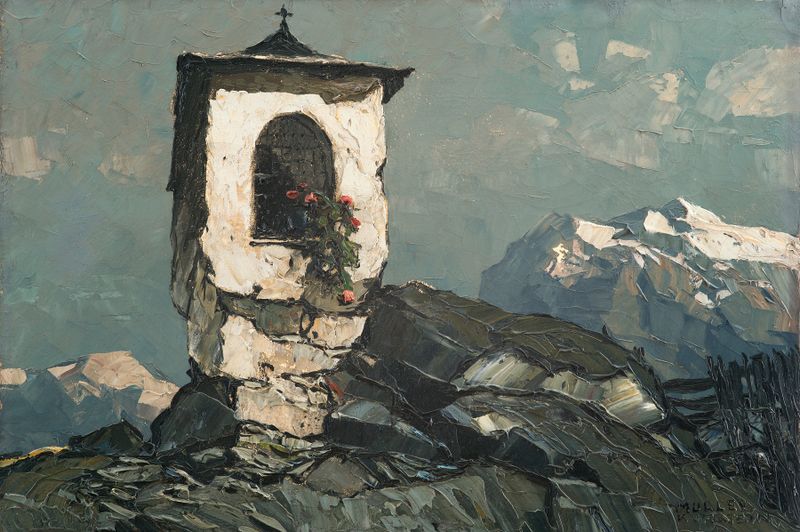
Materl im Hochgebirge
Oskar Mulley
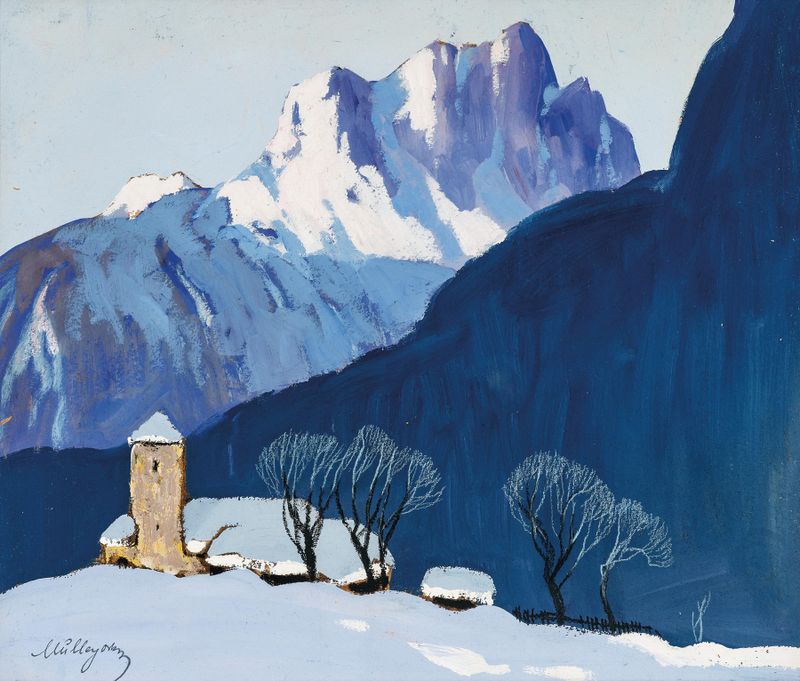
Winterlandschaft vor Bergkulisse
Oskar Mulley
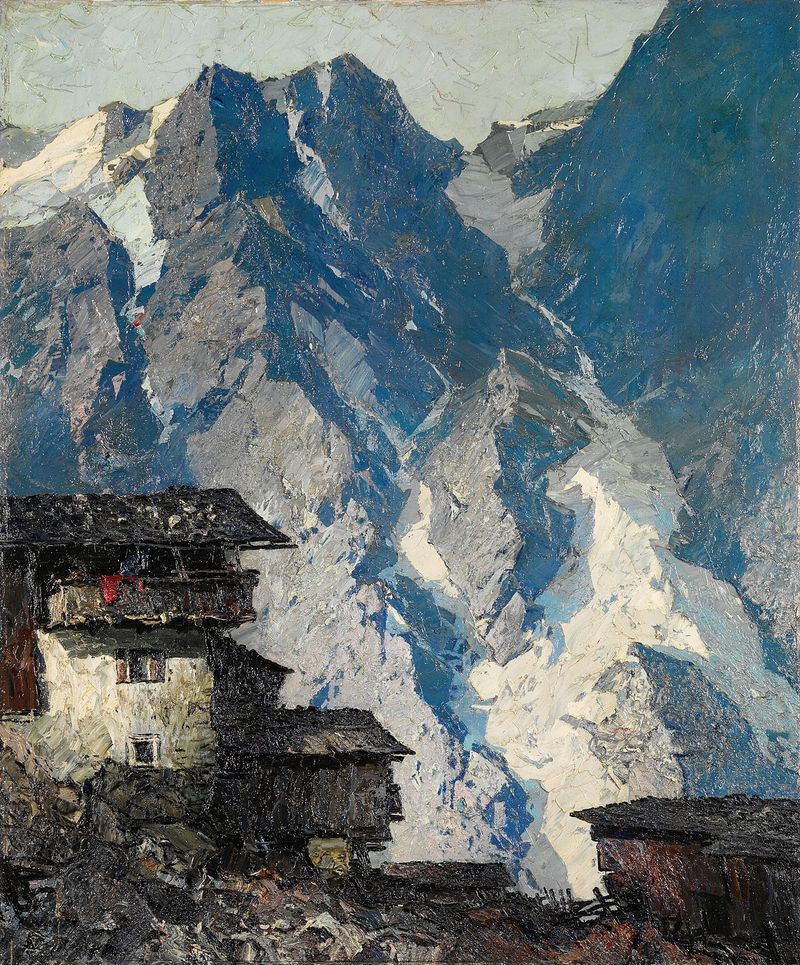
Berghof vor Gletscherlandschaft
Oskar Mulley
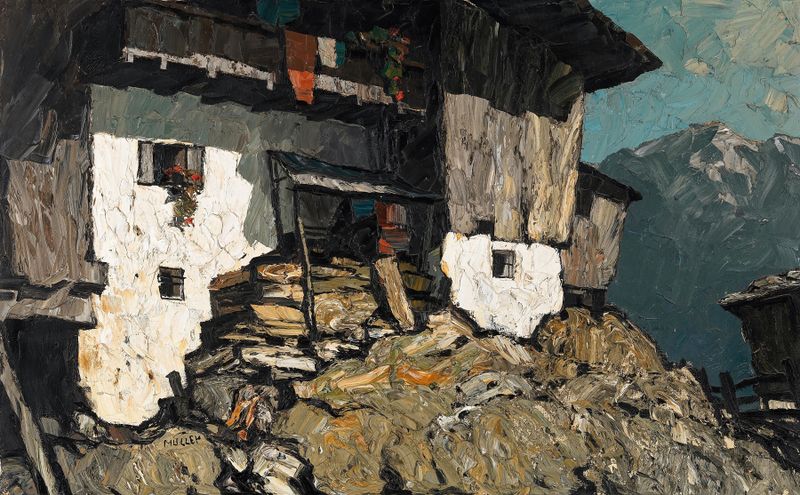
Bergbauernhof
Oskar Mulley
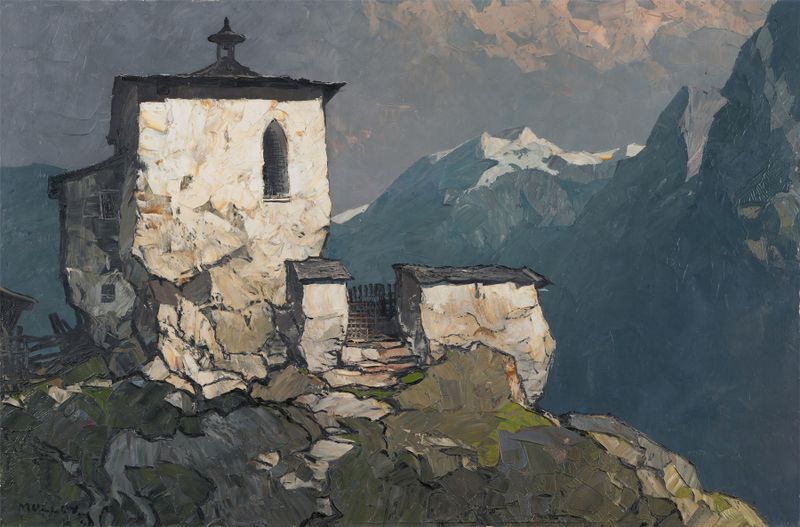
Bergkapelle
Oskar Mulley
Mondnacht
Oskar Mulley
Bergbauernhof
Oskar Mulley





