
Martyrdom of Saint Sebastian — History & Facts
What grips the eye first in Martyrdom of Saint Sebastian by Albrecht Altdorfer is not the suffering of the saint, but the spectacle of the scene: a public execution staged as theater, with an audience packed onto a grand arched bridge. The pale, near-naked figure of Sebastian is bound to a column at the edge of the composition, his body pierced by arrows, yet his face is turned downward in a gesture of resignation rather than agony. The archers, clad in vivid reds and greens, dominate the foreground, their bows taut and their gazes fixed on their target, while the bystanders above seem almost detached, as if watching a tournament or play.
The sky unfurls in a great sweep of blue and cloud, lending the moment a strange clarity and stillness, as if time itself has paused to witness this act. Painted circa 1509-1516, this work belongs to an era when religious images were both objects of devotion and vehicles for storytelling, often commissioned for altarpieces in churches and monasteries. The panel was once part of the Sebastiansaltar at the Augustinian Canons' monastery of St. Florian near Linz, a reminder of how such paintings structured the rhythm of sacred space and ritual.
In the early sixteenth century, artists like Altdorfer brought the drama of martyrdom into the landscapes and cityscapes of their own world, blending the holy past with the recognizable present. History has kept few traces of this panel’s journey, but the image still invites us to join the silent crowd on the bridge, bearing witness across centuries.
More Artworks by Albrecht Altdorfer

Landscape with Two Pines
Albrecht Altdorfer
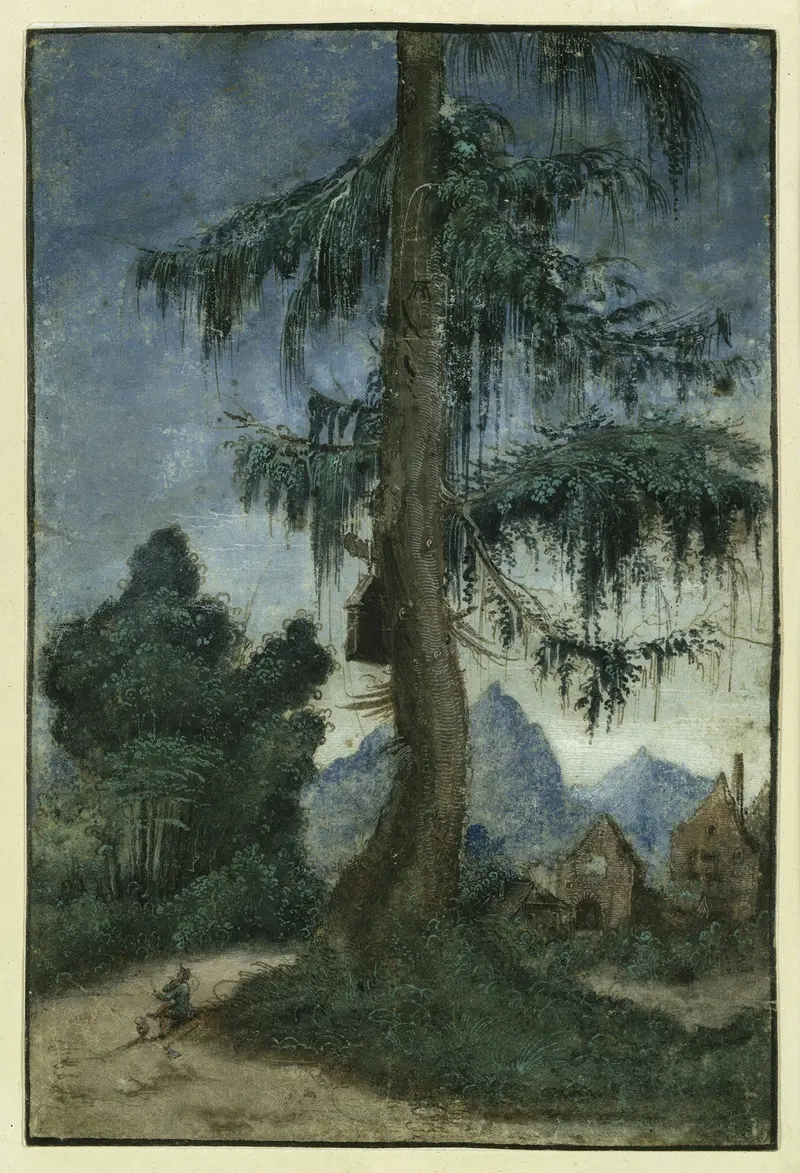
Landscape with spruce
Albrecht Altdorfer
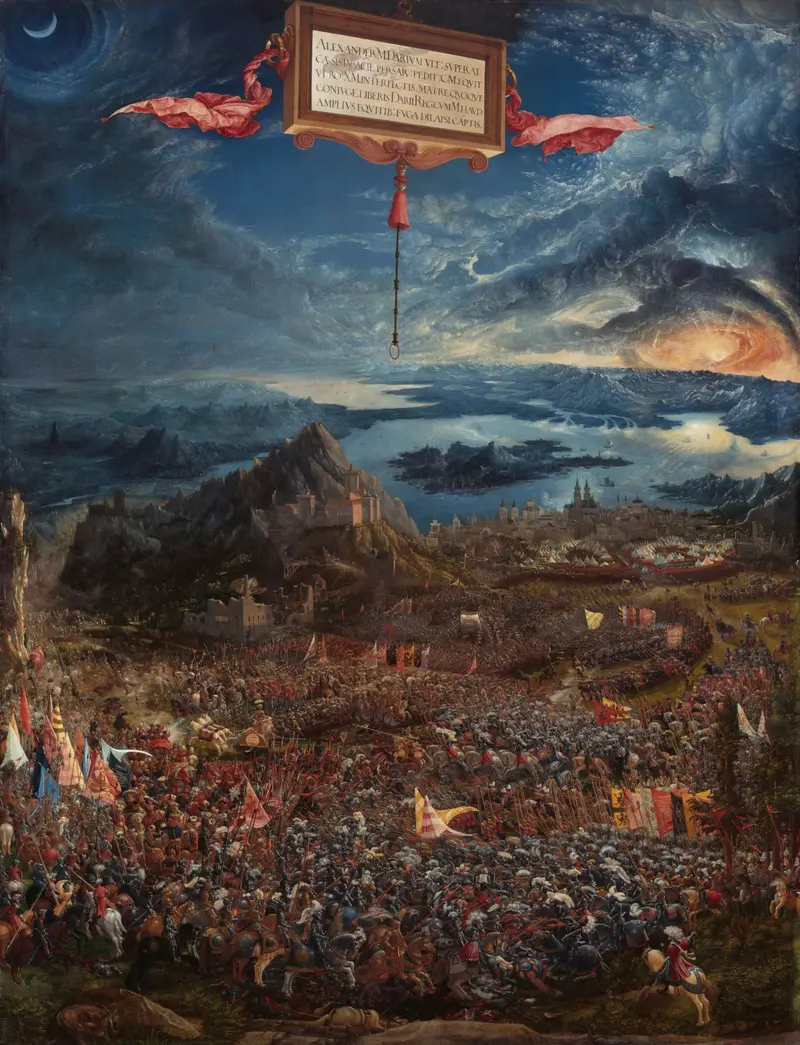
The Battle of Alexander at Issus
Albrecht Altdorfer
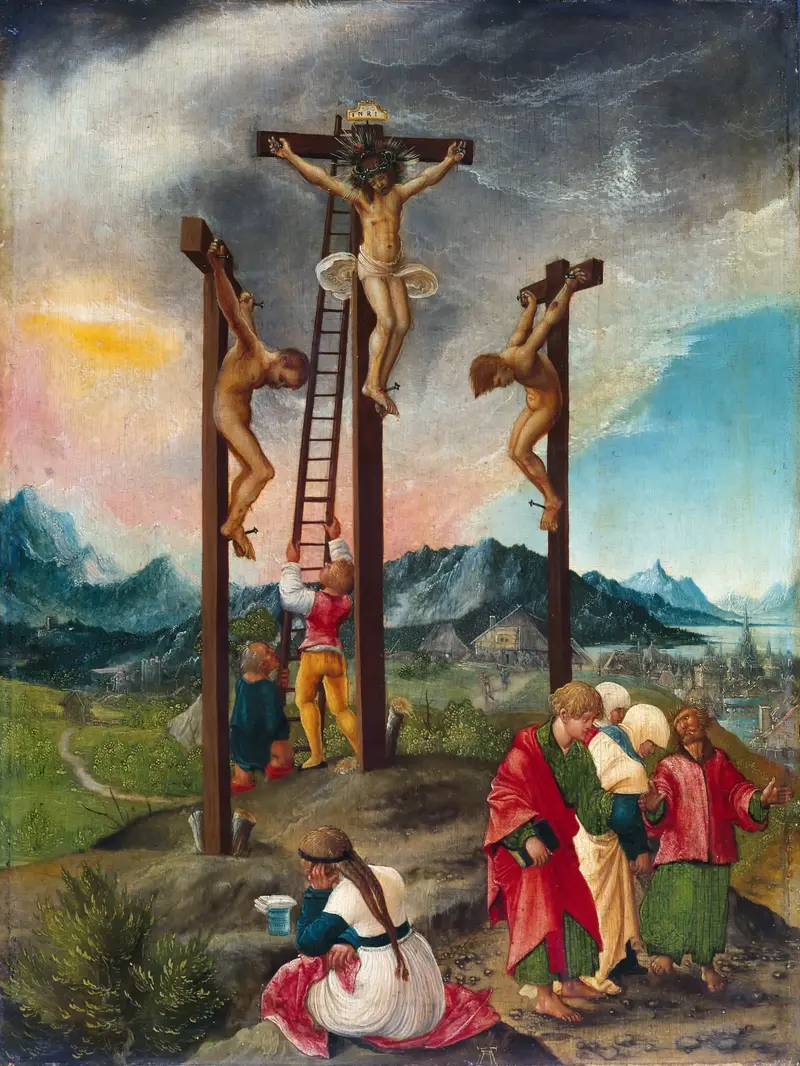
Christ on the Cross between the Two Thieves
Albrecht Altdorfer
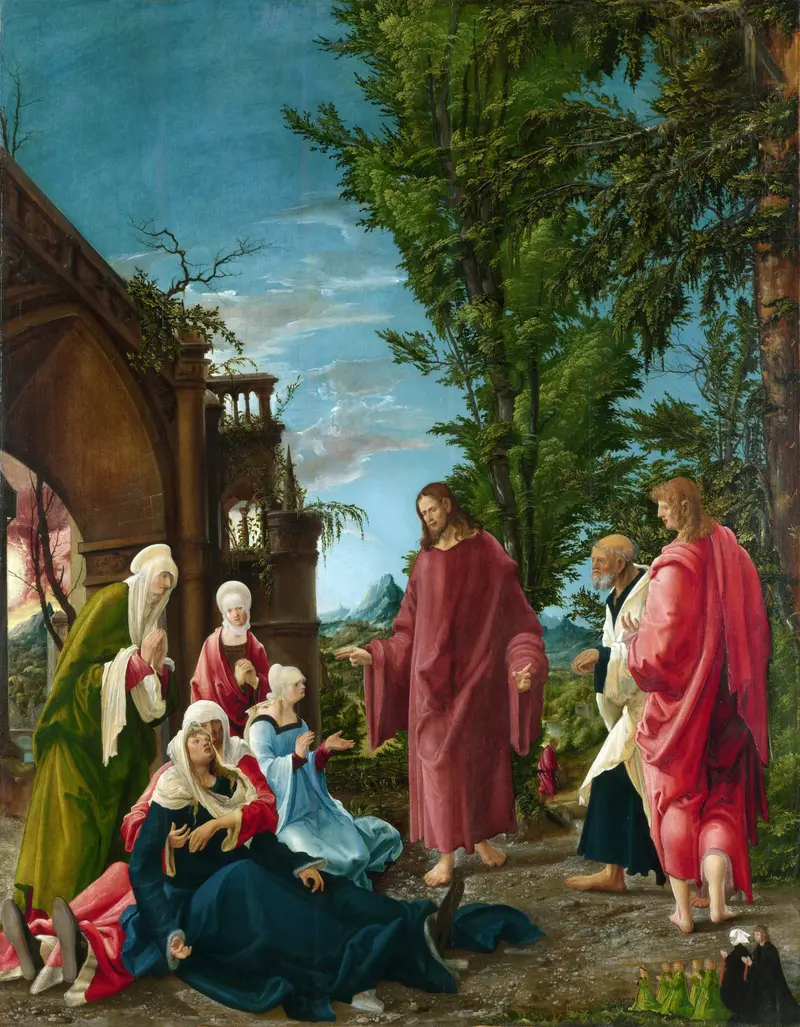
Christ Taking Leave of his Mother
Albrecht Altdorfer
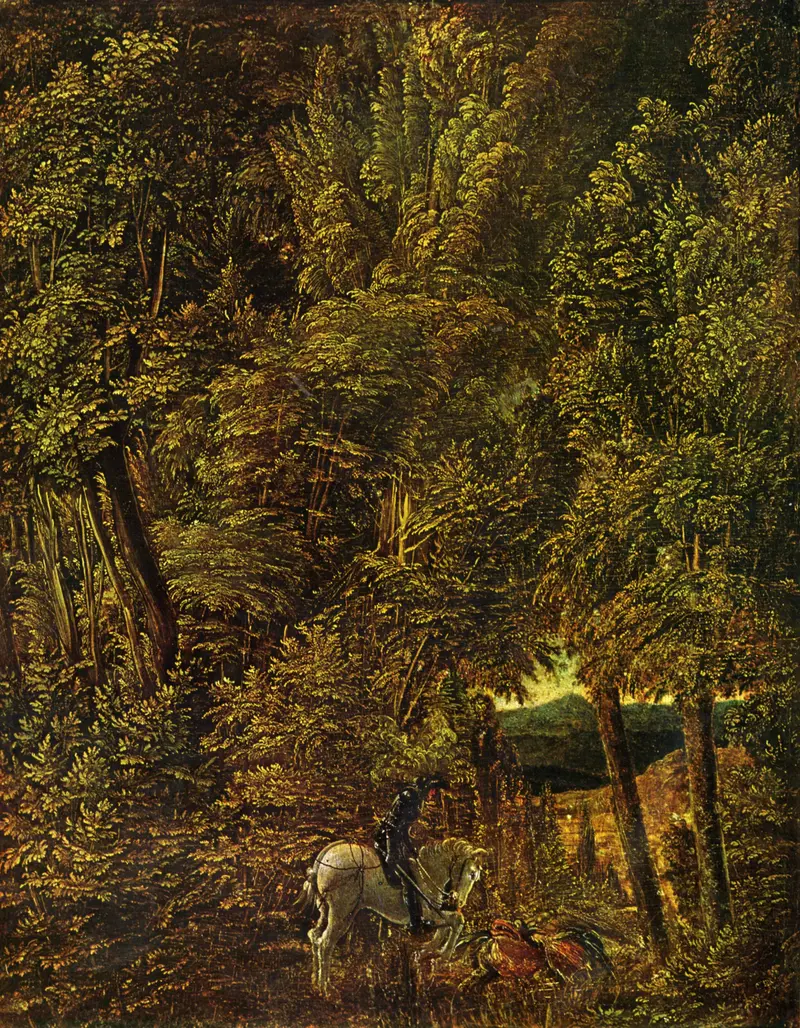
Countryside of Wood With Saint George Fighting the Dragon
Albrecht Altdorfer
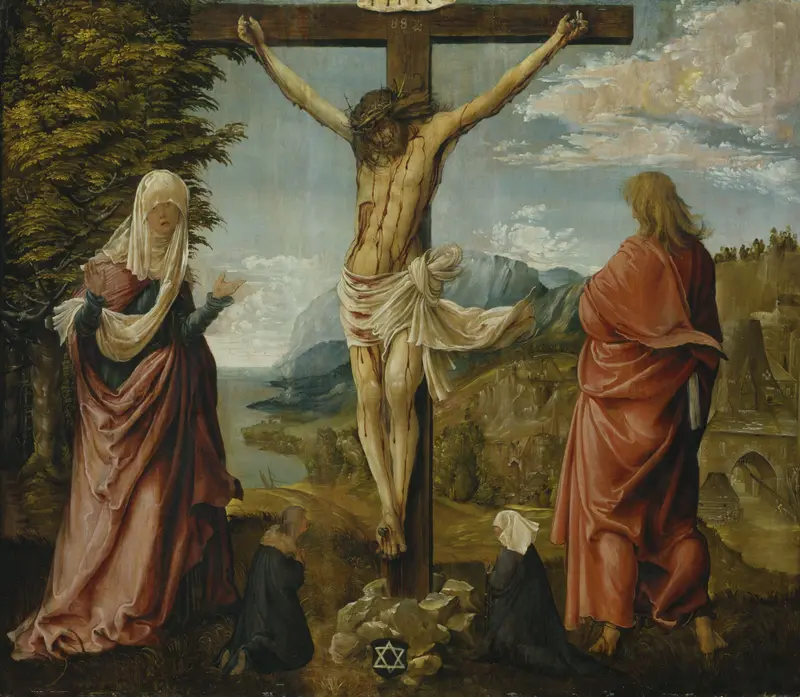
Crucifixion with Mary and John
Albrecht Altdorfer
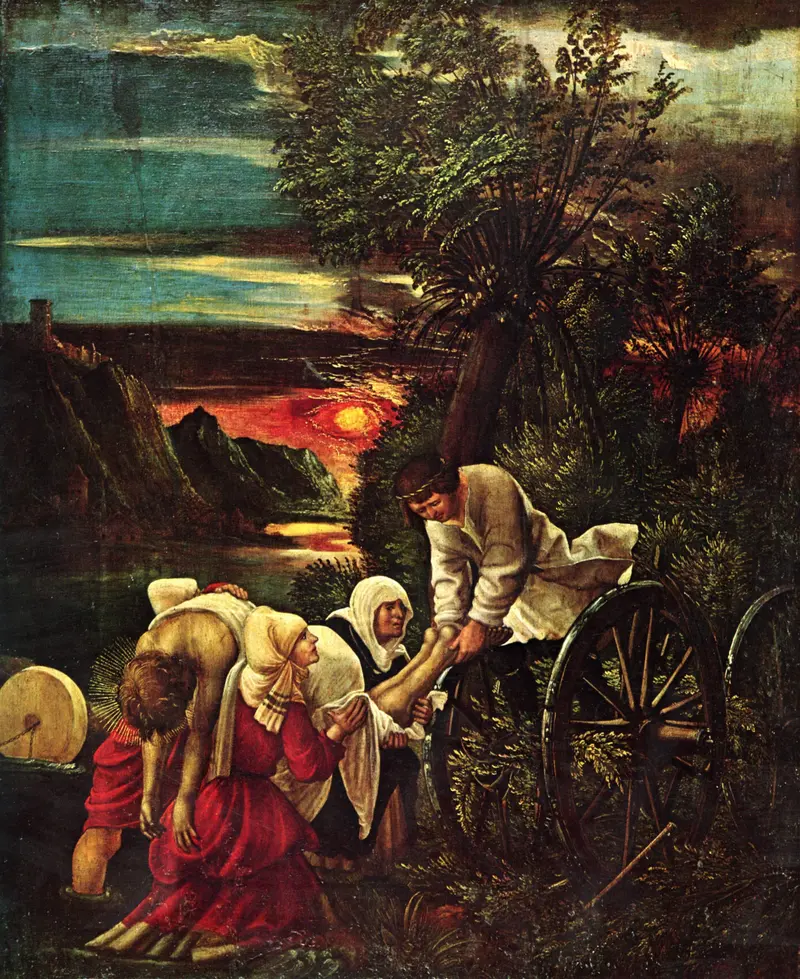
Finding of the Body of Saint Florian
Albrecht Altdorfer
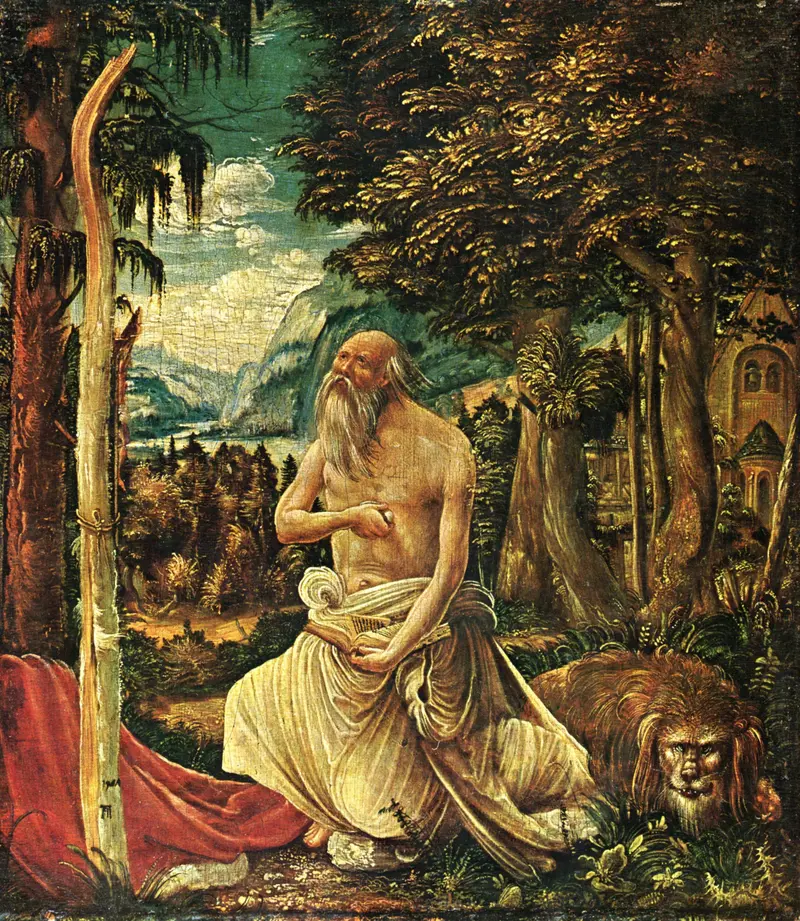
Penitent Hieronymus
Albrecht Altdorfer
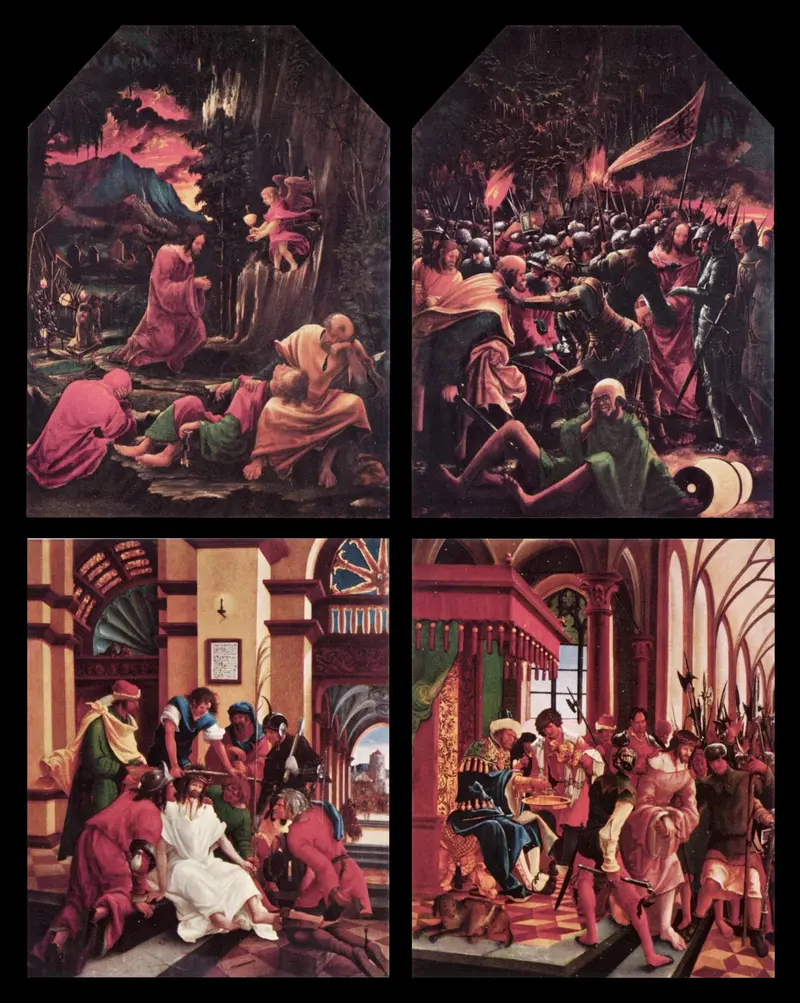
Pilate Washing His Hands by Altdorfer
Albrecht Altdorfer





