
Matsuri Yatai Dragon — History & Facts
No other Japanese artist of the nineteenth century was as fascinated by festivals as Katsushika Hokusai, and Matsuri Yatai Dragon stands out for its vivid portrayal of a festival float at the height of Edo's summer celebrations. Created in 1844, just five years before Hokusai’s death, this work is one of his rare late depictions of matsuri—public festivals that brought together all levels of society. The dragon motif, a frequent symbol in Japanese folklore, appears here not as a fearsome beast but as a guardian spirit, riding atop the yatai (festival cart) that would have wound its way through crowded city streets.
Scholars note that the exact medium of this piece remains uncertain, adding a layer of mystery to its study and conservation. At the heart of the image, the dragon’s head surges forward, its lacquered eyes gleaming, as if about to leap from the float into the throng of festival-goers. Hokusai captures a moment of anticipation: the bearers, clad in festival attire, strain at the ropes, their bodies bent in unison, while children and elders watch in awe from the sidelines. The swirling clouds and banners evoke the noise and movement of the parade, and the dragon’s coiled body—rendered with Hokusai’s trademark energetic line—suggests both power and festivity.
Unlike the more static festival scenes by Utagawa Hiroshige, Hokusai’s composition brims with restless energy, drawing the viewer into the spectacle. The provenance of Matsuri Yatai Dragon is not fully documented, but it is generally believed to have been produced during Hokusai’s final years, a period marked by prolific experimentation and a fascination with supernatural themes. No record survives of a specific patron or commission, and the work’s early history is obscure—typical of many festival images, which were often produced for popular consumption rather than elite collectors. Today, the piece is valued as a late testament to Hokusai’s enduring curiosity and his ability to capture the spirit of Edo’s communal life.
Its place in his oeuvre is unique: a celebration of both tradition and transformation, painted at the twilight of an extraordinary career.
More Artworks by Katsushika Hokusai

The Great Wave off Kanagawa
Katsushika Hokusai
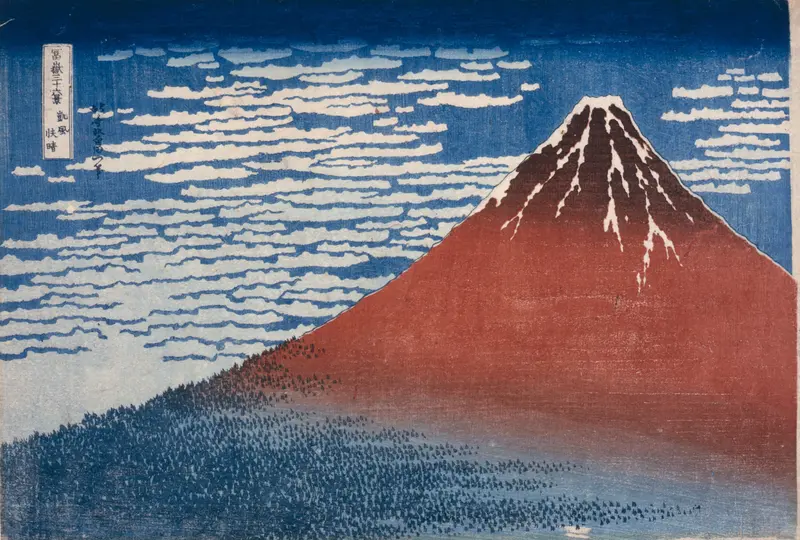
Fine Wind, Clear Morning (Red Fuji)
Katsushika Hokusai
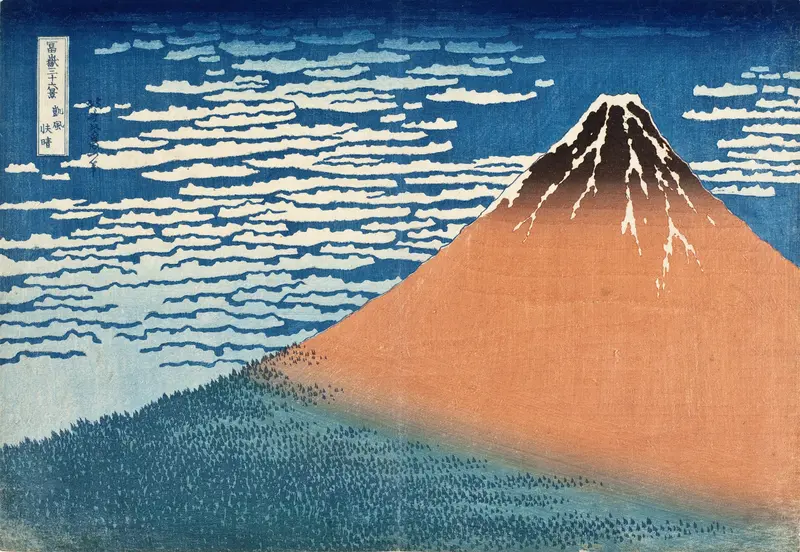
South Wind, Clear Dawn
Katsushika Hokusai
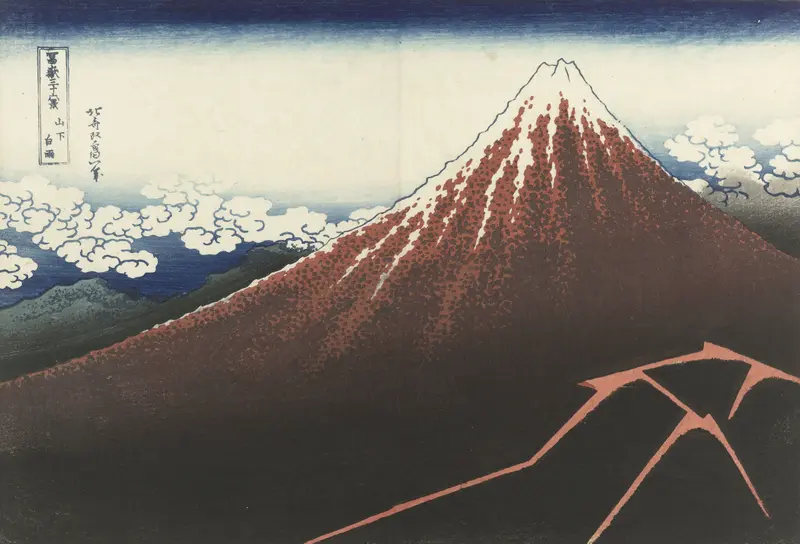
Rainstorm Beneath the Summit
Katsushika Hokusai
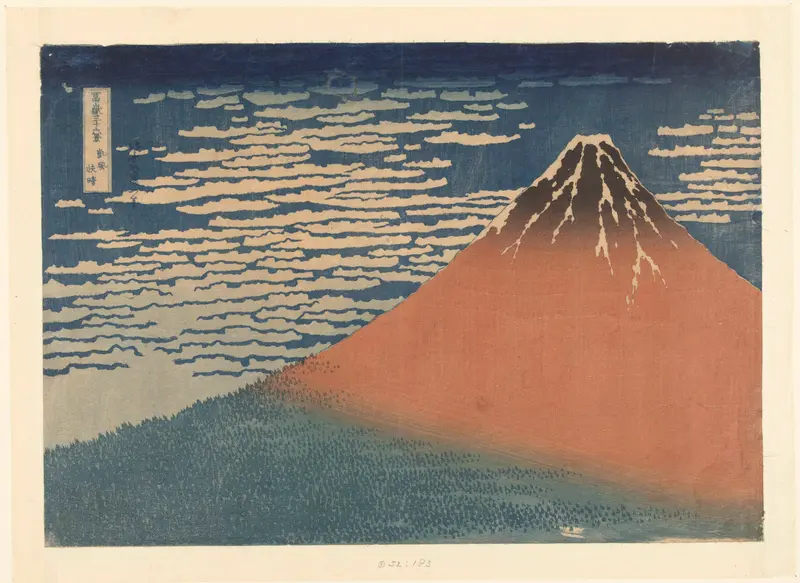
Clear Weather with a Southerly Wind
Katsushika Hokusai
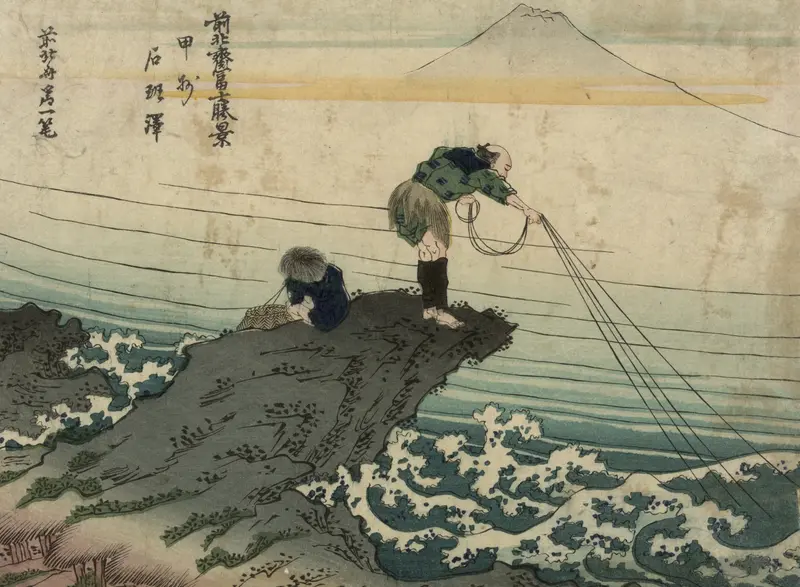
Kōshū kajikazawa
Katsushika Hokusai
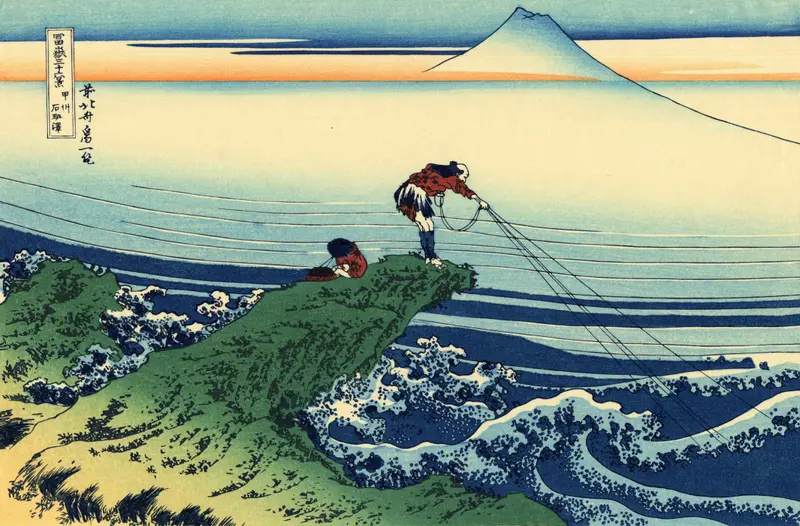
Kōshū kajikazawa 2
Katsushika Hokusai
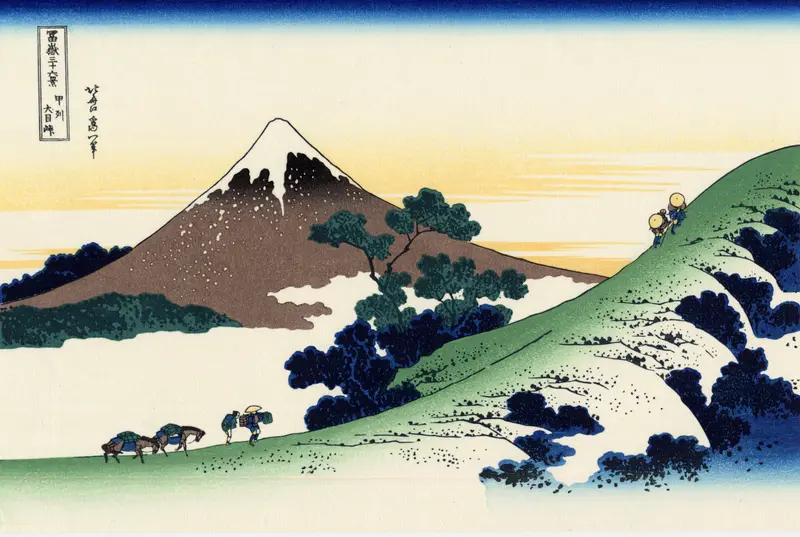
Inume Pass in Kai Province (Kôshû inume-tôge)
Katsushika Hokusai

Yoro Falls in Mino Province (Mino no Yoro no taki), from the series "A Tour of Waterfalls in Various Provinces (Shokoku taki meguri)"
Katsushika Hokusai
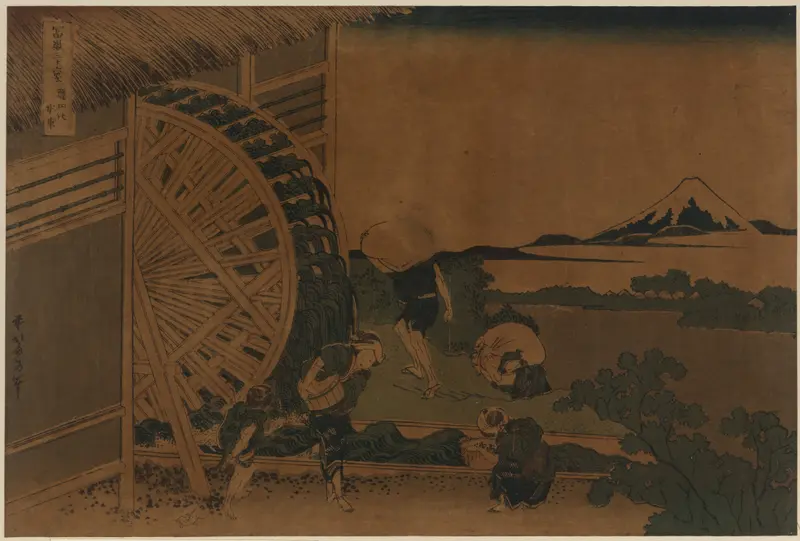
Onden no suisha
Katsushika Hokusai
More Genre Scene Art

Banquet of the Officers of the St George Civic Guard
Frans Hals

Rembrandt and Saskia in the Scene of the Prodigal Son
Rembrandt van Rijn

Bal du moulin de la Galette
Pierre-Auguste Renoir

Quadrille at the Moulin Rouge
Henri de Toulouse-Lautrec

A Burial at Ornans
Gustave Courbet

When Will You Marry?
Paul Gauguin