
Maur’s Farm — History & Facts
In the stillness of Maur’s Farm, the subtle interplay of reflection invites us to consider the unspoken histories of the land and its inhabitants. The scene is a mirror to the soul, where every blade of grass and shadow holds a story yearning to be told. Begin by focusing on the tranquil water that dominates the composition, its surface reflecting the muted hues of the sky. Look closely at the gentle ripples that disturb the glassy expanse, capturing the faint outlines of the farm buildings and surrounding trees.
The warm earth tones are expertly blended, creating a sense of harmony between the elements. Notice how the soft light bathes the landscape, casting elongated shadows that dance gracefully along the ground, evoking a serene yet poignant atmosphere. This artwork deftly balances beauty with an underlying tension. The farm, a symbol of pastoral life, stands resilient yet solitary, suggesting both comfort and isolation.
The reflections in the water create a duality, blurring the line between reality and illusion, inviting contemplation of what lies beneath the surface. The viewer is drawn to ponder the lives that have passed through these fields and the secrets whispered in the silence, transforming the landscape into an emotional canvas. Frederick Landseer Maur Griggs painted Maur’s Farm during a time in the early 20th century when the arts were experiencing significant shifts, championing realism and naturalism. Griggs, known for his dedication to capturing the English countryside, worked from his studio in Kent amidst a growing interest in the representation of rural life.
This piece encapsulates both his artistic vision and the evolving narrative of the English landscape at that time.
More Artworks by Frederick Landseer Maur Griggs
Browse all →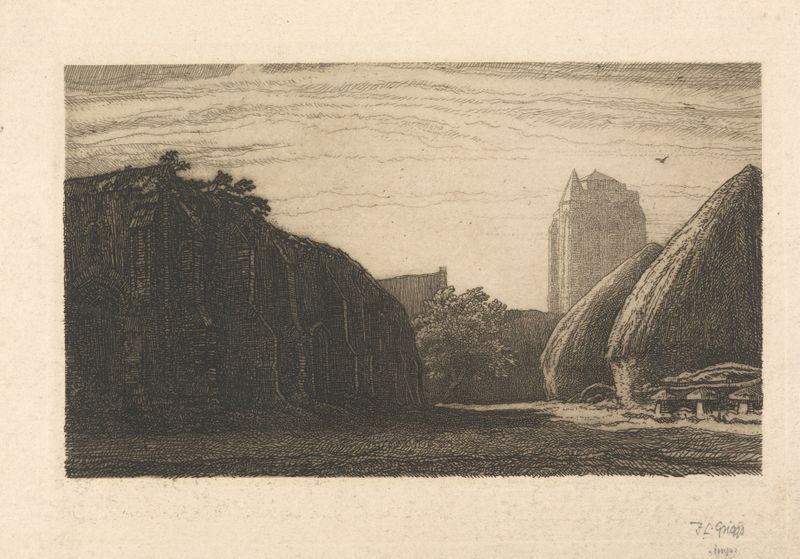
Maur’s Farm
Frederick Landseer Maur Griggs
Landscape with Castle
Frederick Landseer Maur Griggs
St. Botolph’s Bridge No. 2 1937
Frederick Landseer Maur Griggs
The Almonry
Frederick Landseer Maur Griggs

The Cresset
Frederick Landseer Maur Griggs
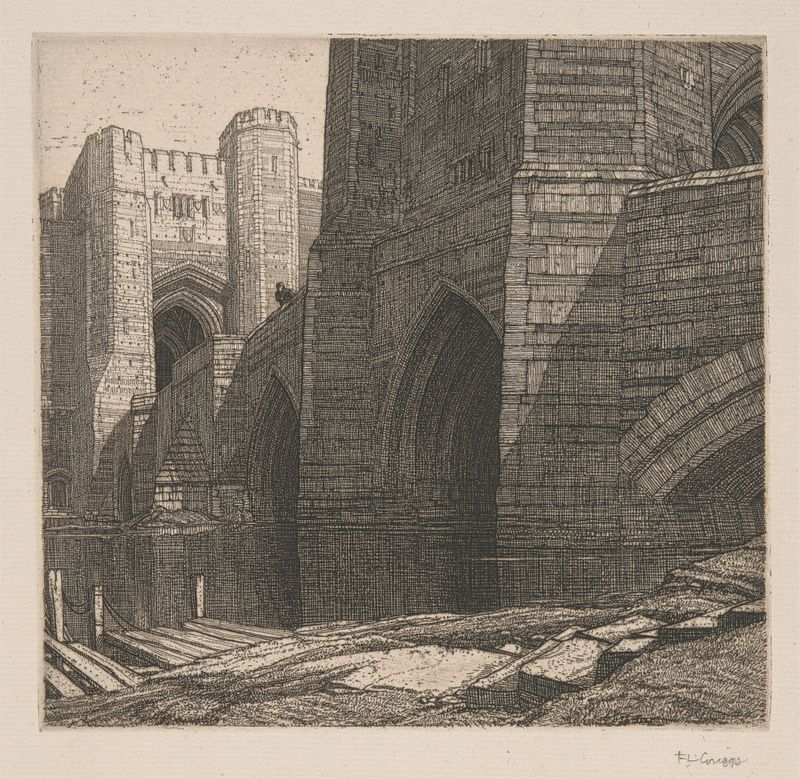
The Barbican
Frederick Landseer Maur Griggs

Maur’s Farm
Frederick Landseer Maur Griggs
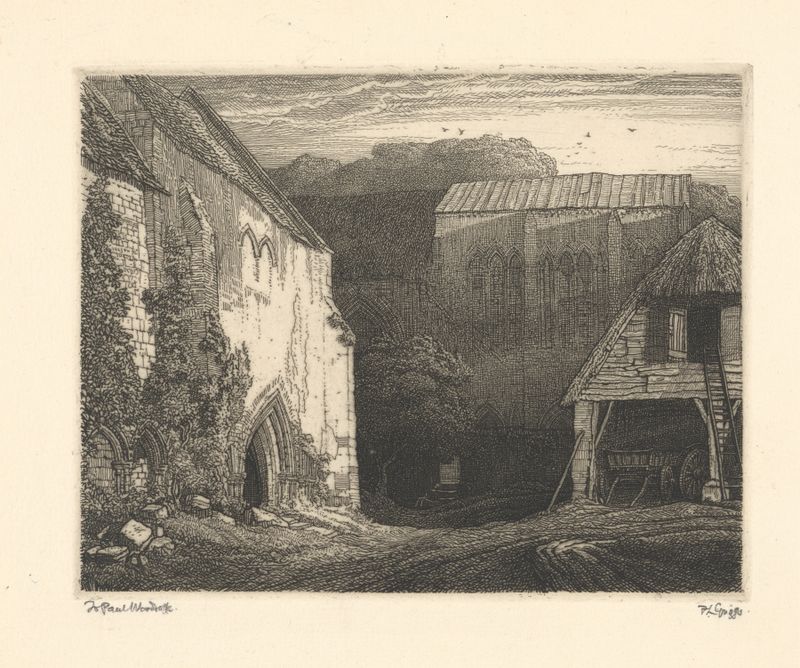
Priory Farm
Frederick Landseer Maur Griggs

St. Wendred’s March
Frederick Landseer Maur Griggs
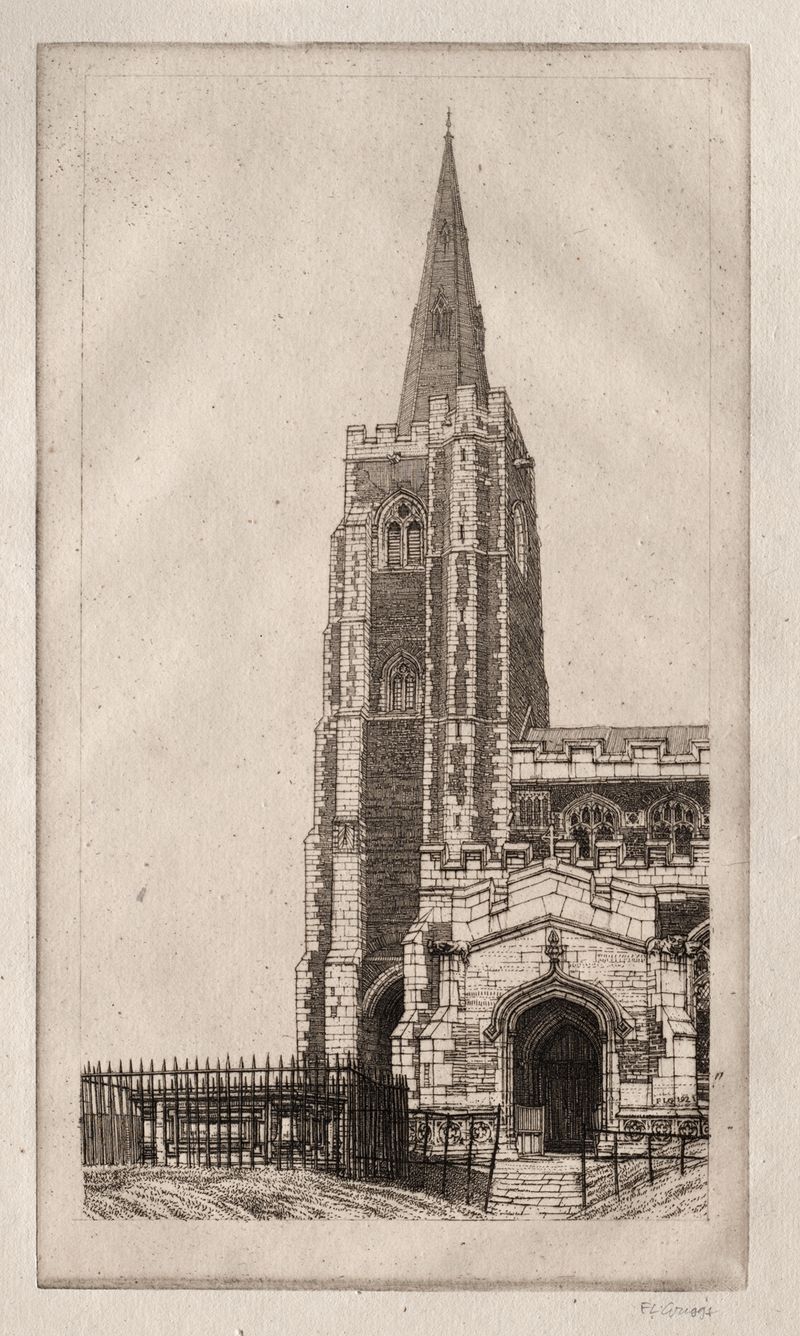
St. Wendred’s, March
Frederick Landseer Maur Griggs





