
Mausoleum Hadriani, Mausoleum Augusti, Insula Tiberina — History & Facts
Within the depths of shadow, we encounter the essence of history, ensconced in the delicate interplay of light and dark. Look to the left, where bold strokes of gray and ochre define the ancient architecture. The mausoleum rises with a solemn yet imposing presence, its round form complemented by the surrounding ruins. Notice how the muted palette envelops the scene, allowing the soft sunlight to creep into the crevices, illuminating whispers of history.
The subtle gradation of colors suggests time’s slow passage, each hue embodying the weight of forgotten stories. There exists a tension between grandeur and decay in this work. The steadfast stone structures stand as remnants of a once-thriving civilization, while the encroaching shadows convey the inevitable passage of time. The juxtaposition of vibrant light against dark recesses invites contemplation on mortality and legacy, as if urging viewers to consider what lies beyond mere physicality.
Every stroke reveals a memory, each shadow a secret—inviting deeper reflection on what we choose to remember or forget. In 1882, Christoph Ziegler painted this piece during a period rich with archaeological discoveries and a growing fascination with antiquity. Living in Europe, where the echoes of the past mingled with contemporary artistic movements, he sought to capture both the beauty and the fragility of historical remnants. This work emerged from a broader dialogue about heritage, loss, and the role of art in preserving memory amid the relentless advance of time.
More Artworks by Christoph Ziegler
Browse all →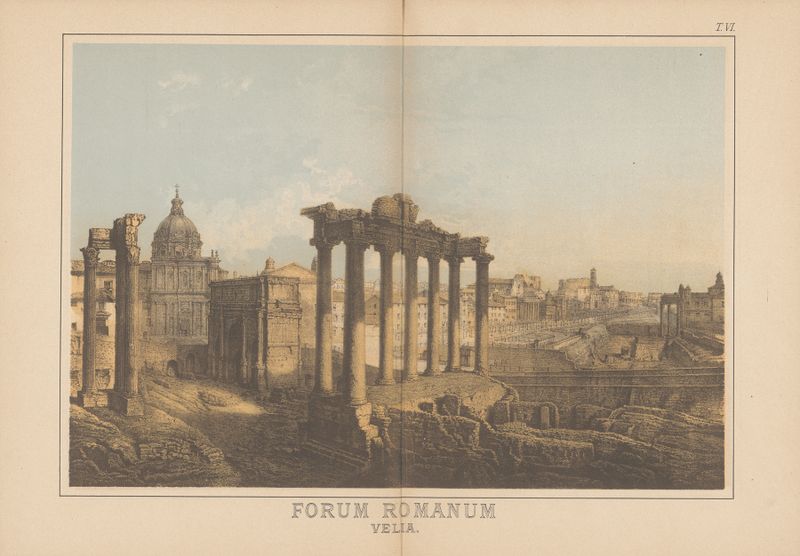
Forum Romanum
Christoph Ziegler
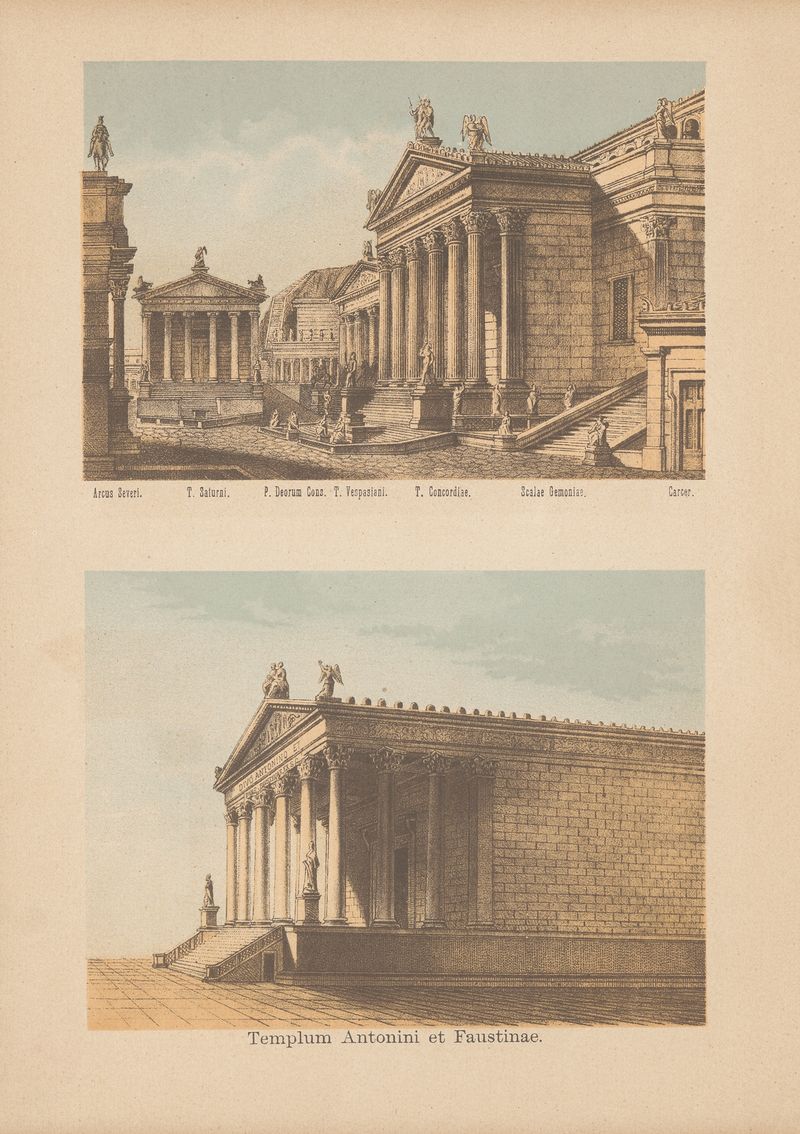
Templum Antonini et Faustinae
Christoph Ziegler
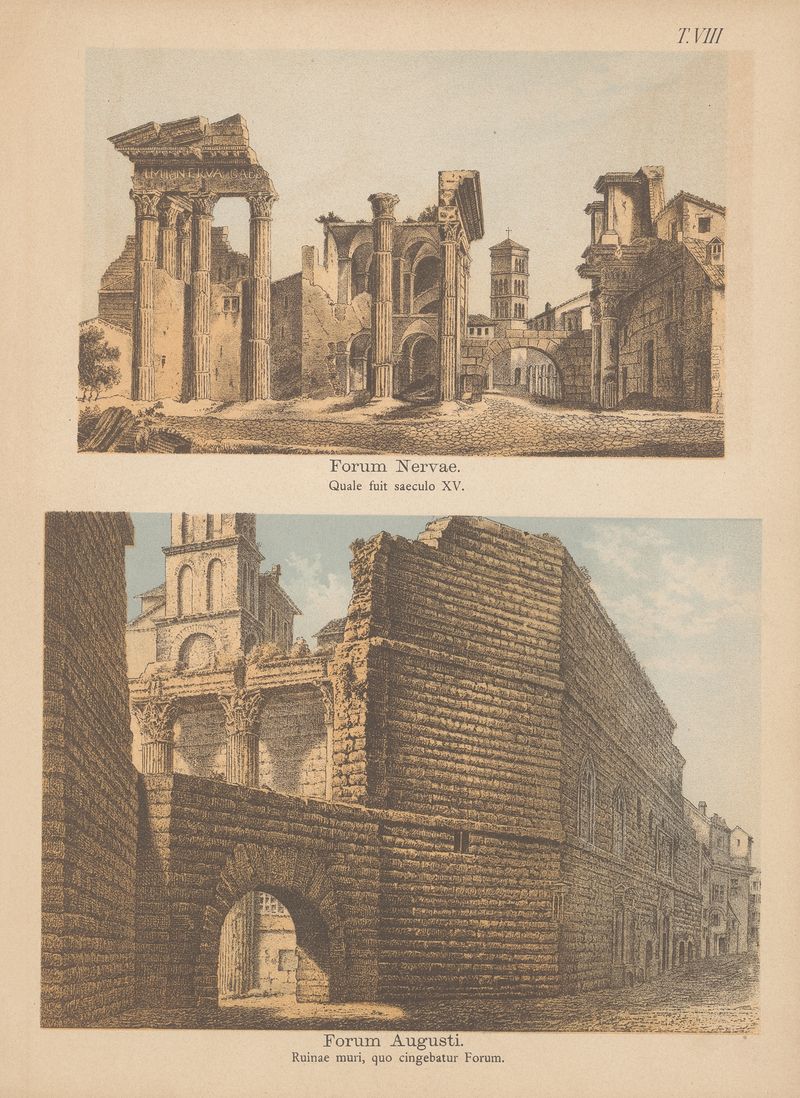
Forum Nervae, Forum Augusti
Christoph Ziegler
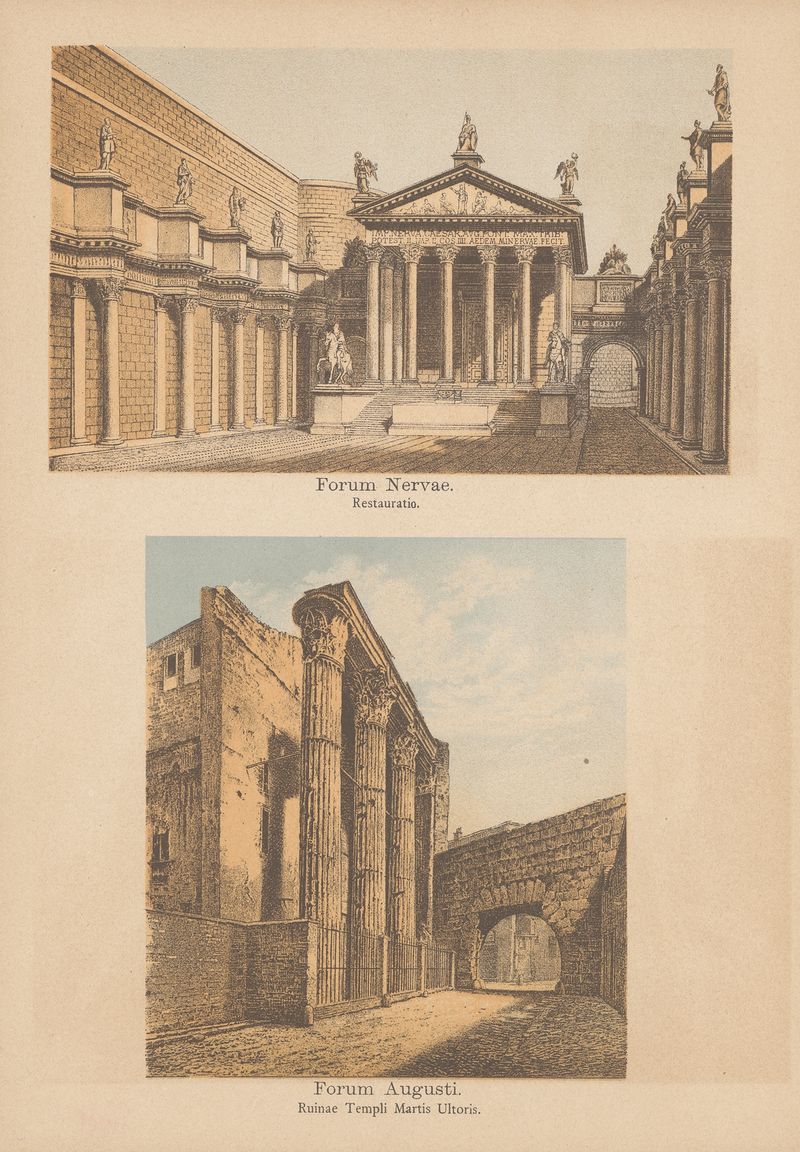
Forum Nervae, Forum Augusti
Christoph Ziegler
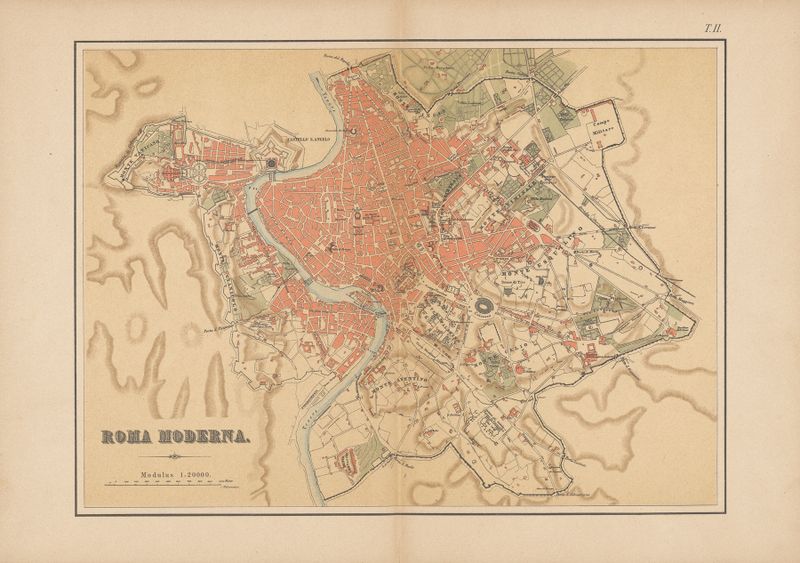
Plan des neuen Rom
Christoph Ziegler
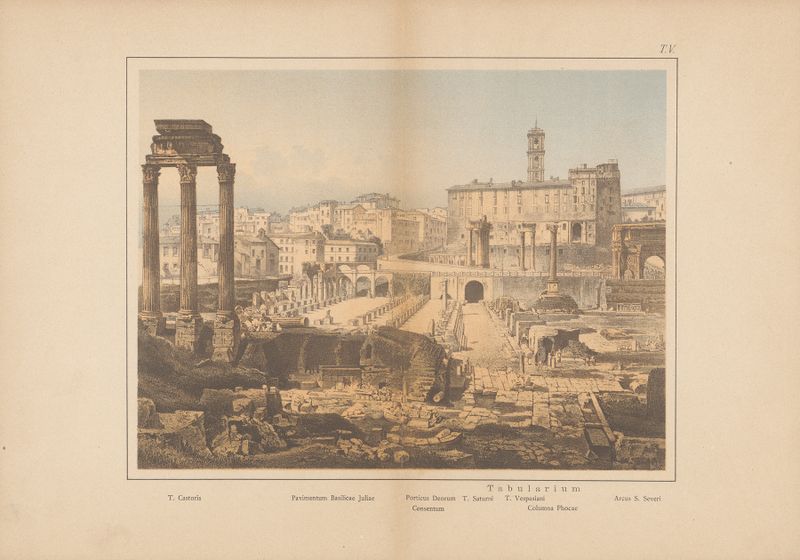
Tabularium
Christoph Ziegler
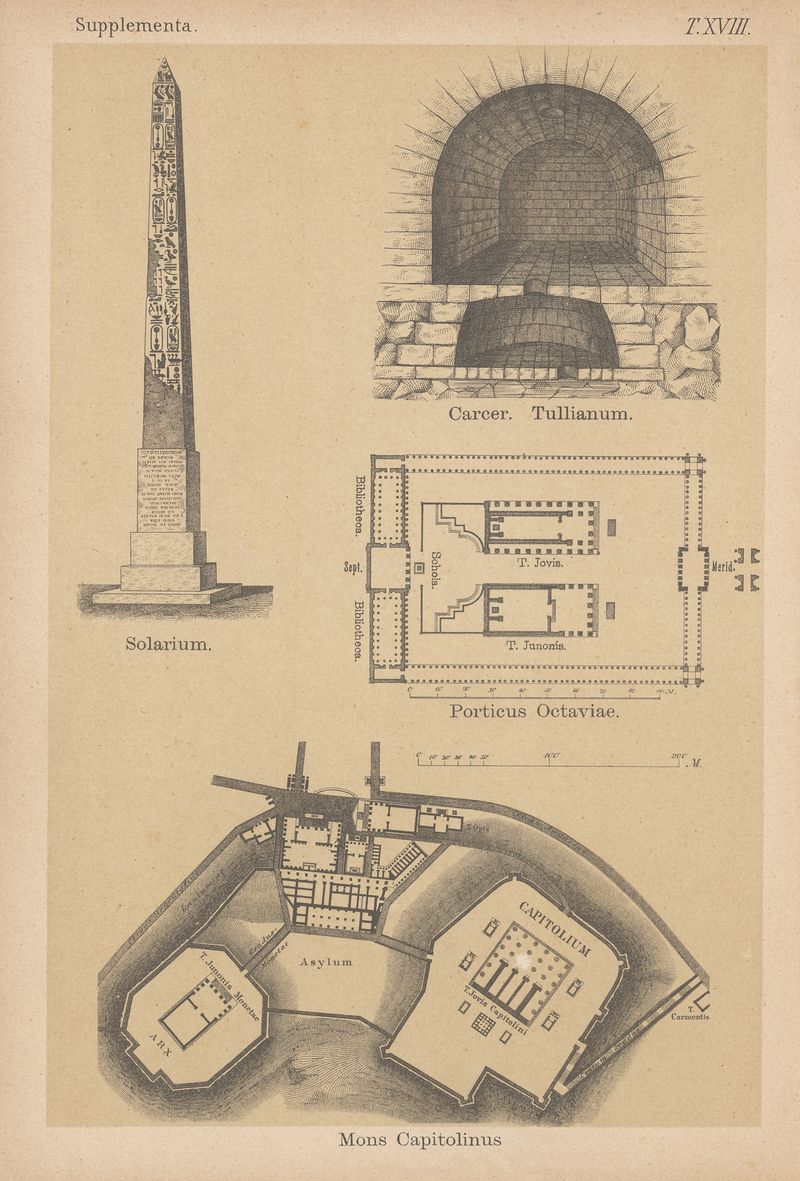
Mons Capitolinus
Christoph Ziegler
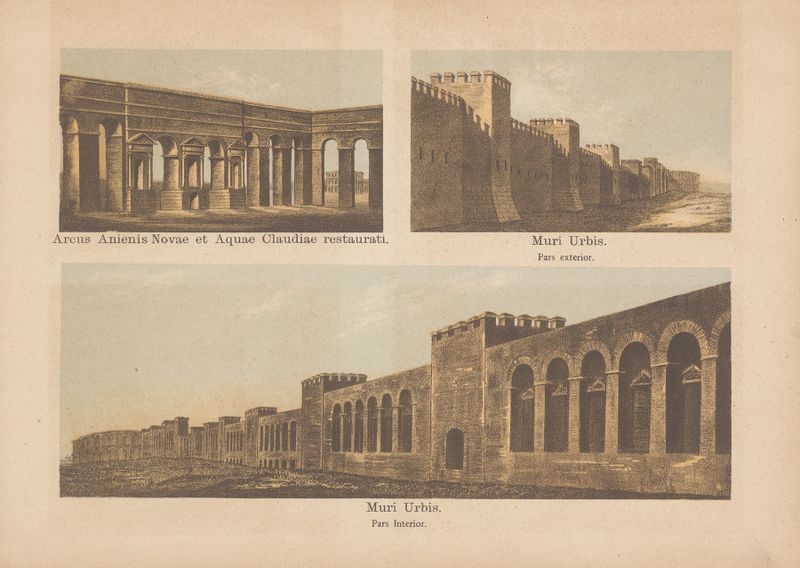
Arcus Anienis Novae, Muri urbis
Christoph Ziegler
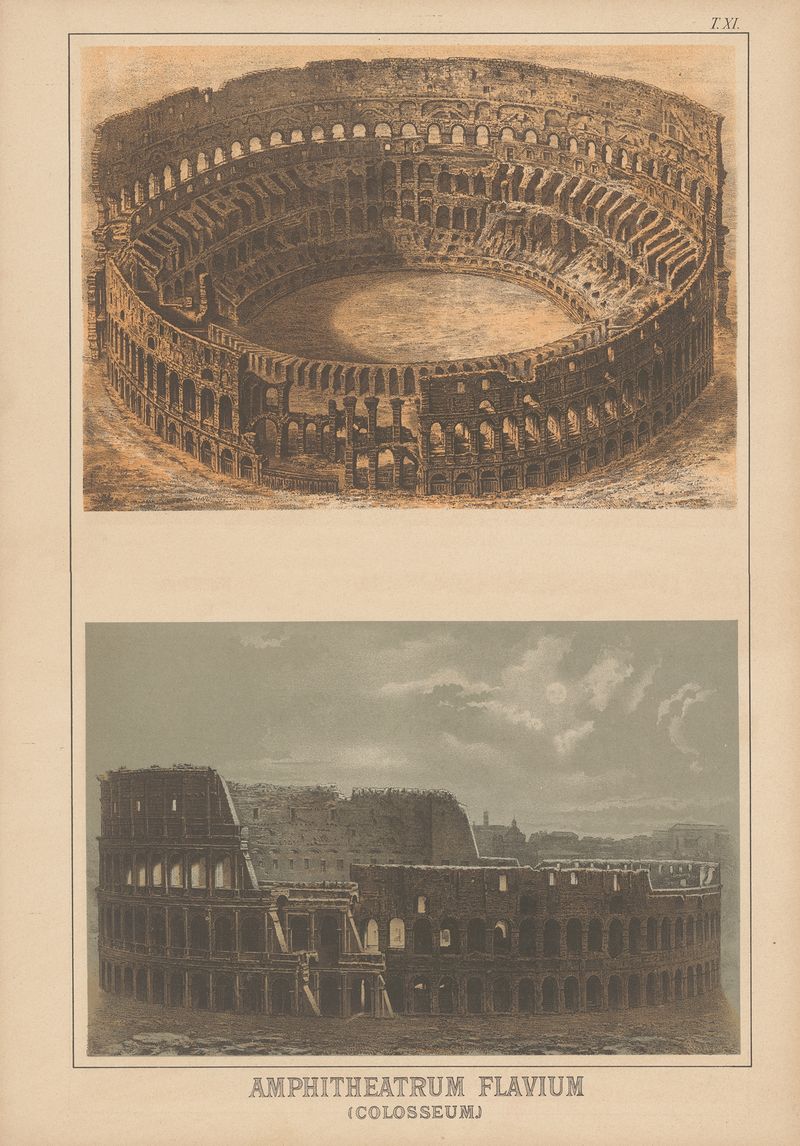
Amphitheatrum Flavium (Colosseum)
Christoph Ziegler
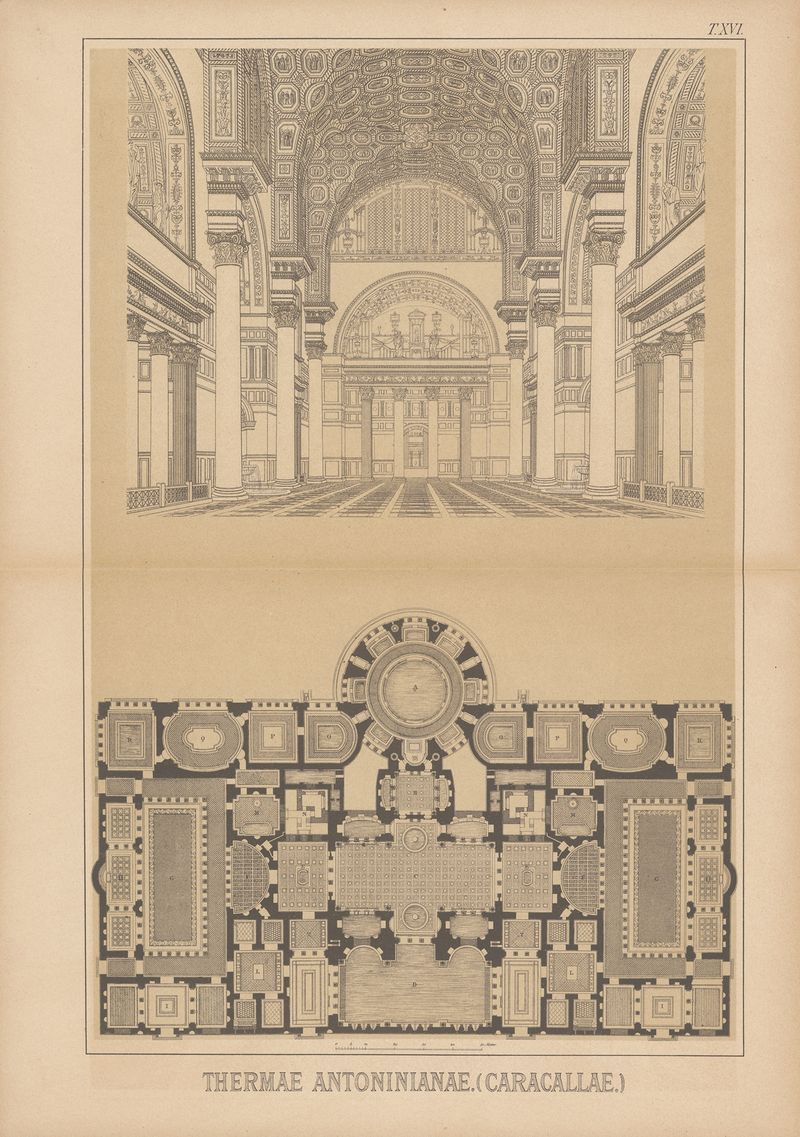
Thermae Antoninianae (Caracallae)
Christoph Ziegler
More Architecture Art
Browse all →
The statue of Liberty
Frédéric Auguste Bartholdi

View of Houses in Delft, Known as ‘The Little Street’
Johannes Vermeer

View of Houses in Delft, Known as ‘The Little Street’
Johannes Vermeer

The Cathedral in Rouen. The portal, Grey Weather
Claude Monet

The yellow house
Vincent van Gogh

The Church in Auvers-sur-Oise, View from the Chevet
Vincent van Gogh