Meetkunde — History & Facts
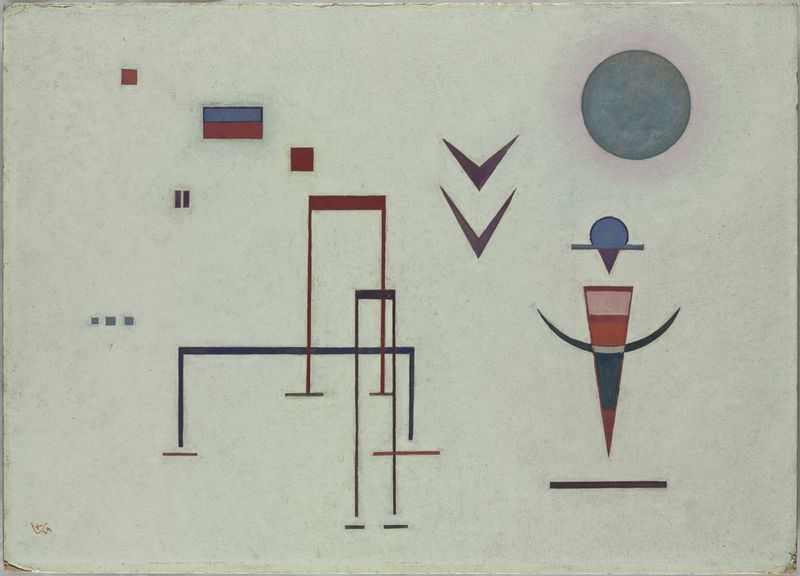
In the realm of art, transformation often whispers where it is least expected. Focus on the geometrical precision of Meetkunde, where sharp lines and soft hues converge to create an unsettling harmony. The dominant grid structure draws your gaze immediately, guiding the eye across its meticulously crafted planes. Notice how the subdued palette, punctuated by dashes of vibrant color, enhances the sense of order and chaos intertwined within the composition.
Each shape seems both an anchor and a release, inviting contemplation on balance and disruption. Delve deeper into the layered meanings behind the arranged forms and muted tones. The stark contrast between the vibrant center and the cooler, darker edges suggests an internal struggle, echoing the transformative journey of the viewer. The relationships between the shapes speak to the complexity of existence — how boundaries are both defined and breached.
It reflects a world caught between logic and emotion, a delicate equilibrium that evokes a poignant sense of reflection. During the years 1539 to 1543, when this work was created, Georg Pencz was immersed in the burgeoning Northern Renaissance, navigating the intricate landscape of humanism and artistic innovation. The influence of geometric principles and the exploration of perspective were at the forefront of artistic discourse, offering Pencz a canvas to experiment with the interplay of order, abstraction, and the essence of transformation. This piece stands as a testament to his engagement with contemporary thought and his ability to capture the complexities of his time.
More Artworks by Georg Pencz
Browse all →
Parabel van de zaaier
Georg Pencz

Parabel van de arbeiders in de wijngaard
Georg Pencz
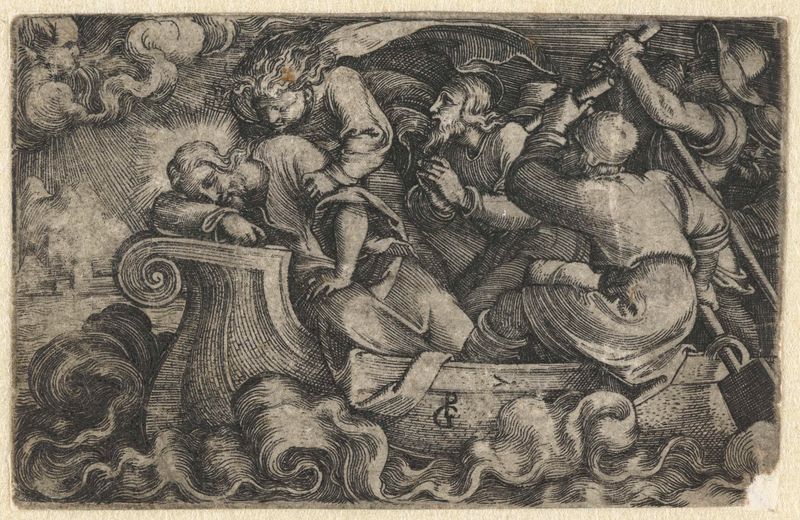
Discipelen wekken slapende Christus tijdens storm op Meer van Galilea
Georg Pencz

Afgunst (Invidia)
Georg Pencz
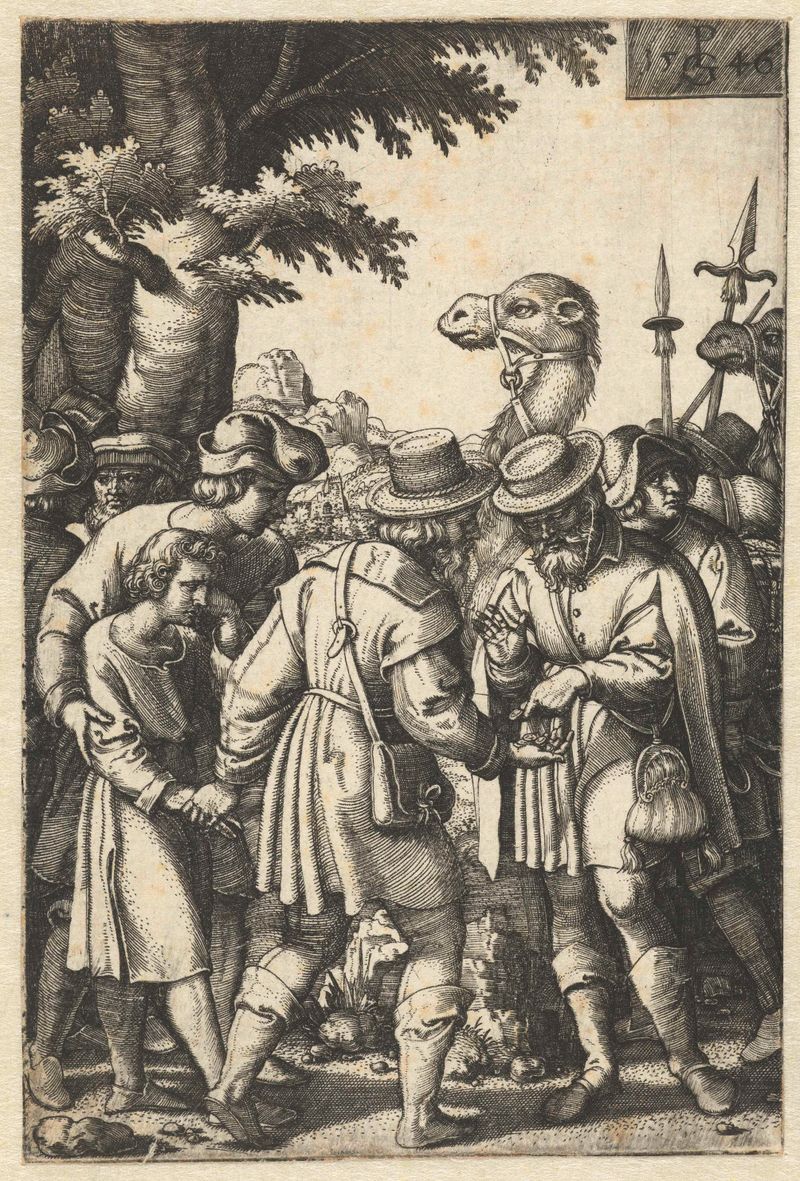
Jozef wordt verkocht aan kooplieden op weg naar Egypte
Georg Pencz

Aanbidding der koningen
Georg Pencz
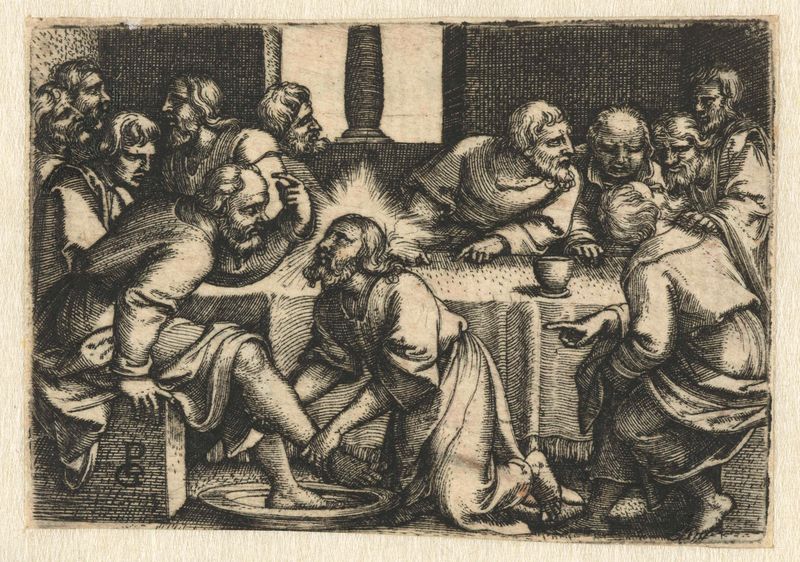
Petrus protesteert als Christus zijn voeten wast
Georg Pencz
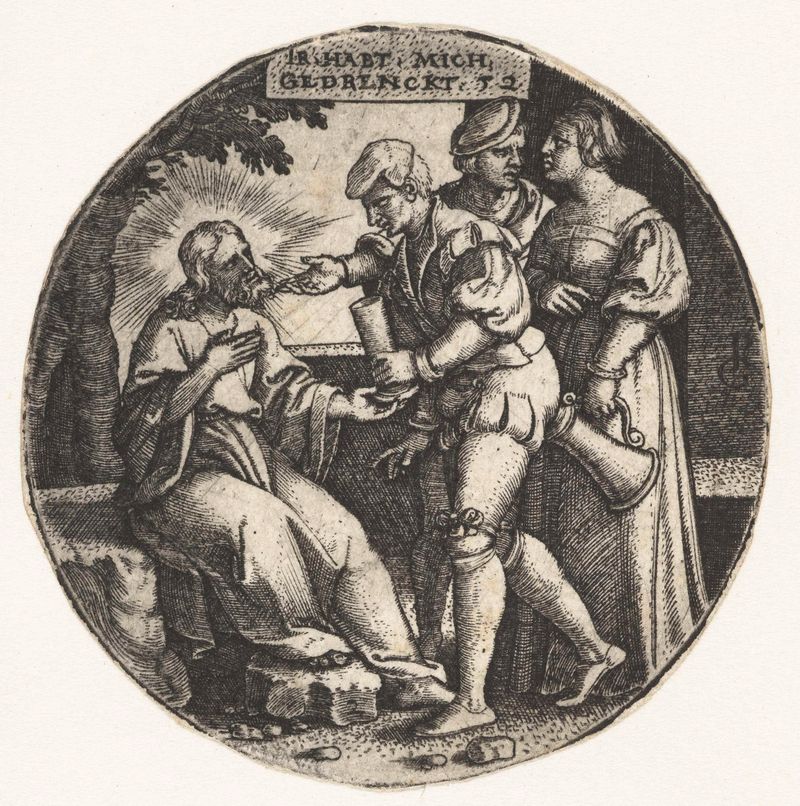
Christus heeft dorst en krijgt drinken aangeboden
Georg Pencz
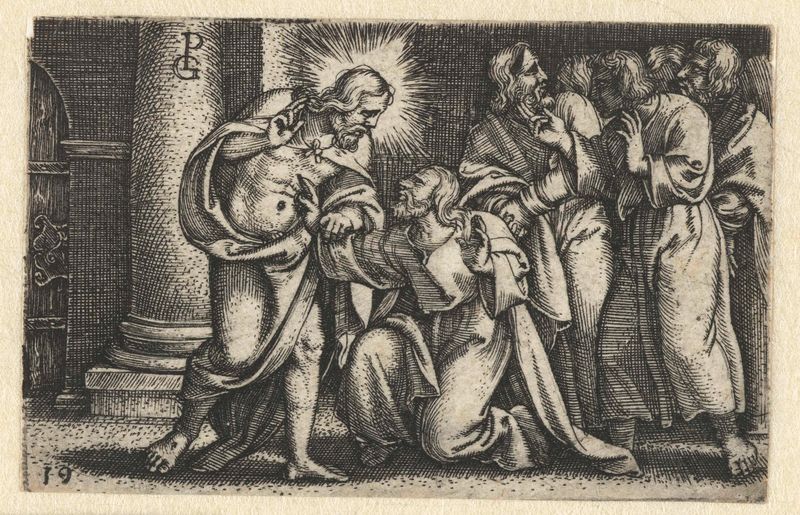
Ongelovige Thomas raakt wonden Christus aan
Georg Pencz

Offer van Abraham van Isaak
Georg Pencz