
Melancholy — History & Facts
What draws the eye first in Melancholy is the unflinching gaze of the woman, her wide, dark eyes meeting the viewer’s with a mixture of vulnerability and defiance. The darkness that envelops her is not empty, but charged with a silent tension; her pale face emerges from the gloom, framed by a cascade of black hair and the heavy, moss-green folds of her garment. One hand clutches the fabric to her chest, as if to shield herself or hold something precious within.
The light is sparse but deliberate, illuminating her features and leaving the rest to shadow, heightening a sense of isolation and inwardness. The mood is unmistakable: this is not a portrait of beauty or status, but of a state of mind, rendered with a psychological intensity that lingers. Created in 1871, this work by Arnold Böcklin belongs to a moment when artists across Europe were drawn to the inner world, exploring emotion and symbolism rather than mere likeness. The title, Melancholy, places it firmly within the Romantic fascination with the darker shades of human feeling—a period when such themes were seen as windows to the soul’s depths.
While little is recorded about this particular painting’s early history, it now resides in the collection of the Kunstmuseum Basel, where its brooding presence invites viewers to reflect on the enduring power of mood in art. The image rewards a slow, attentive gaze: every brushstroke seems to echo the silent drama within.
More Artworks by Arnold Böcklin

Die Toteninsel III
Arnold Böcklin
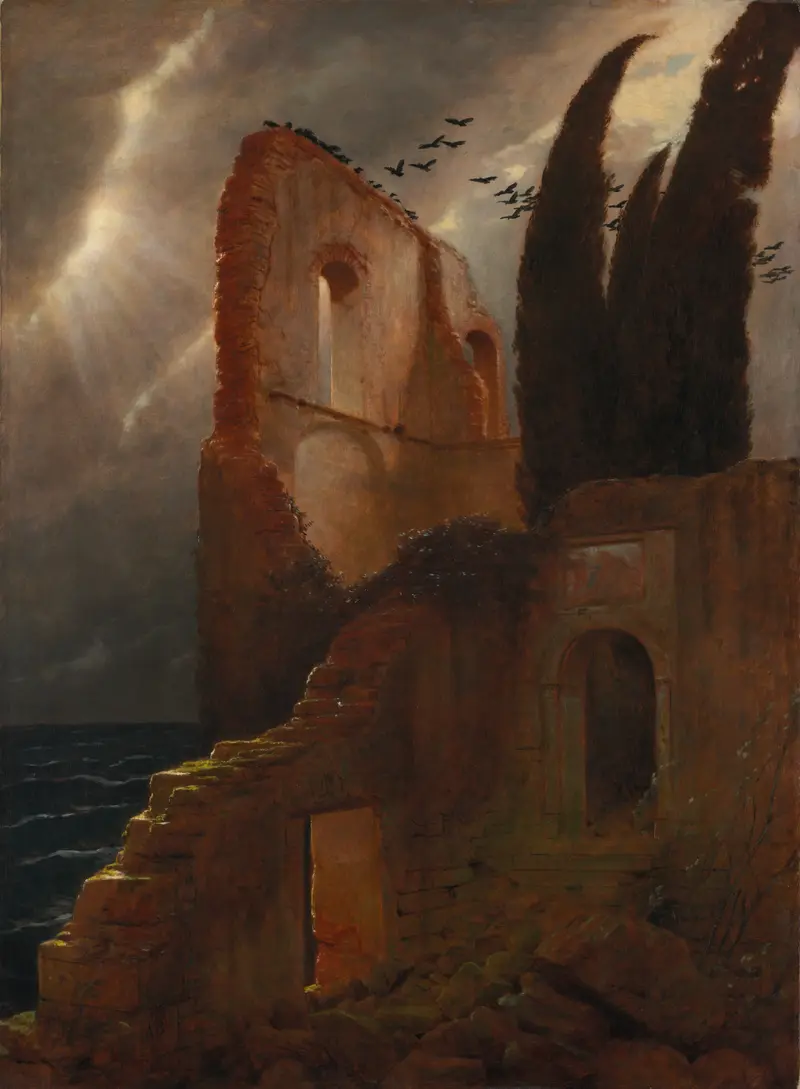
Ruin by the Sea
Arnold Böcklin
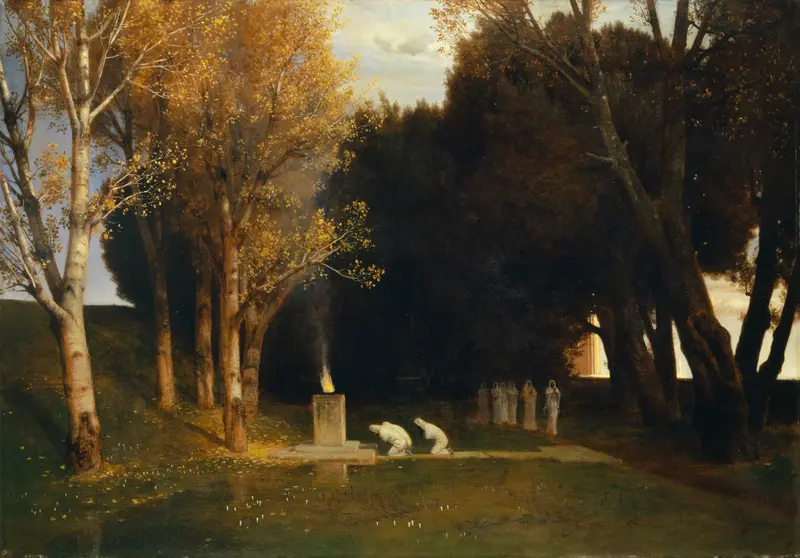
The Sacred Grove
Arnold Böcklin
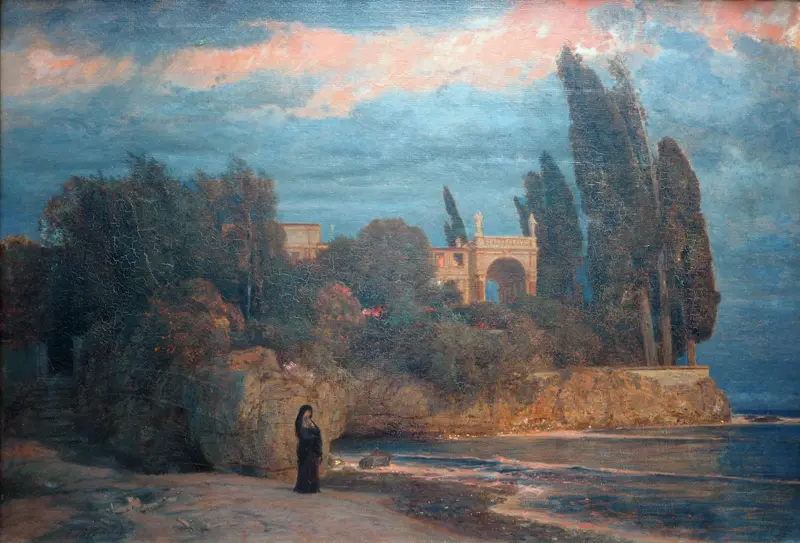
Villa by the Sea
Arnold Böcklin
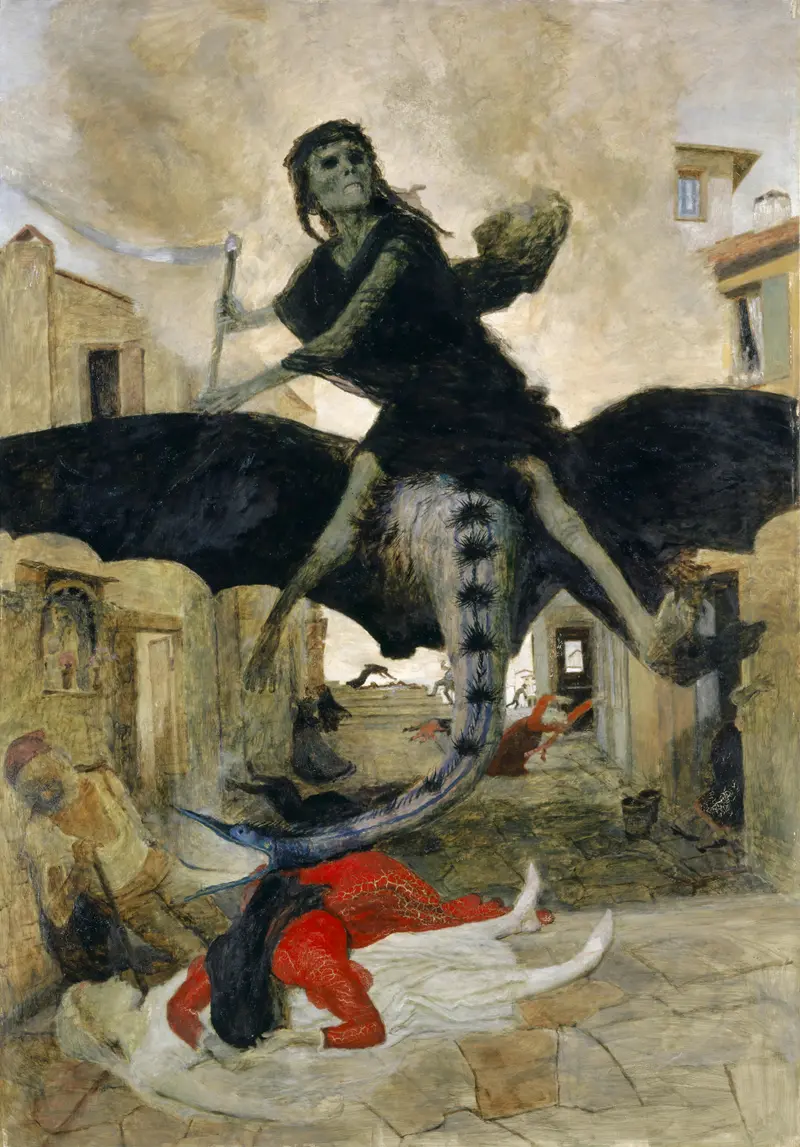
The Plague
Arnold Böcklin
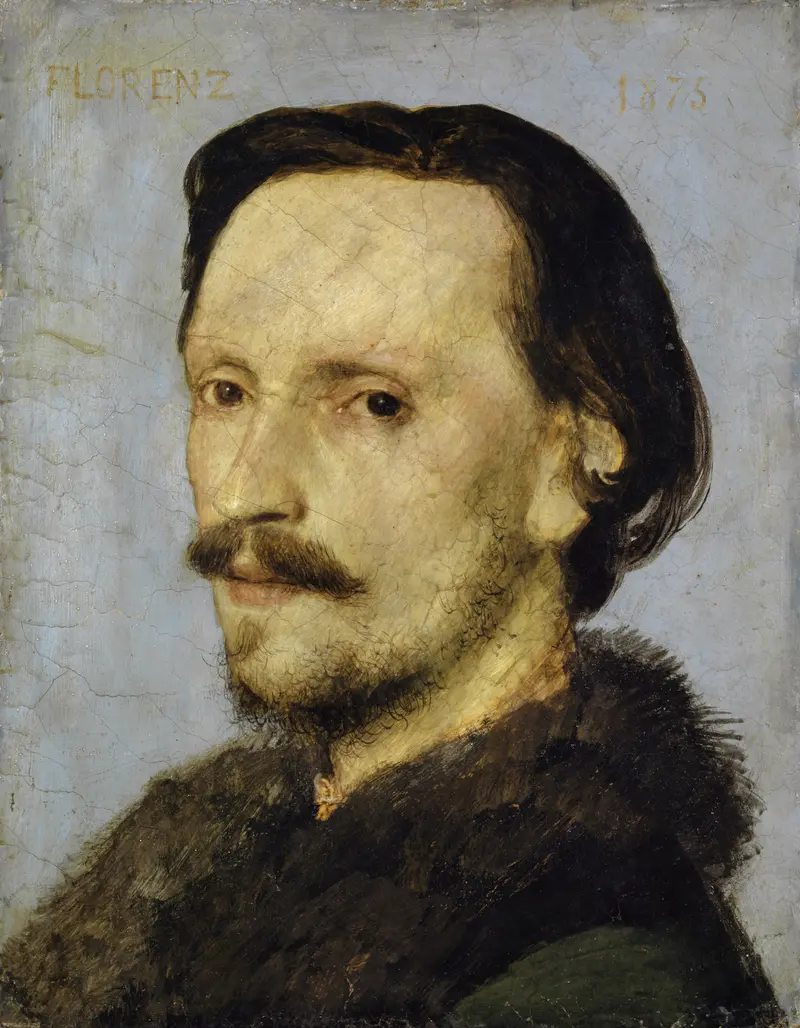
Böcklin Bildnis des Kunsthistorikers Adolph Bayersdorfer, 1875
Arnold Böcklin
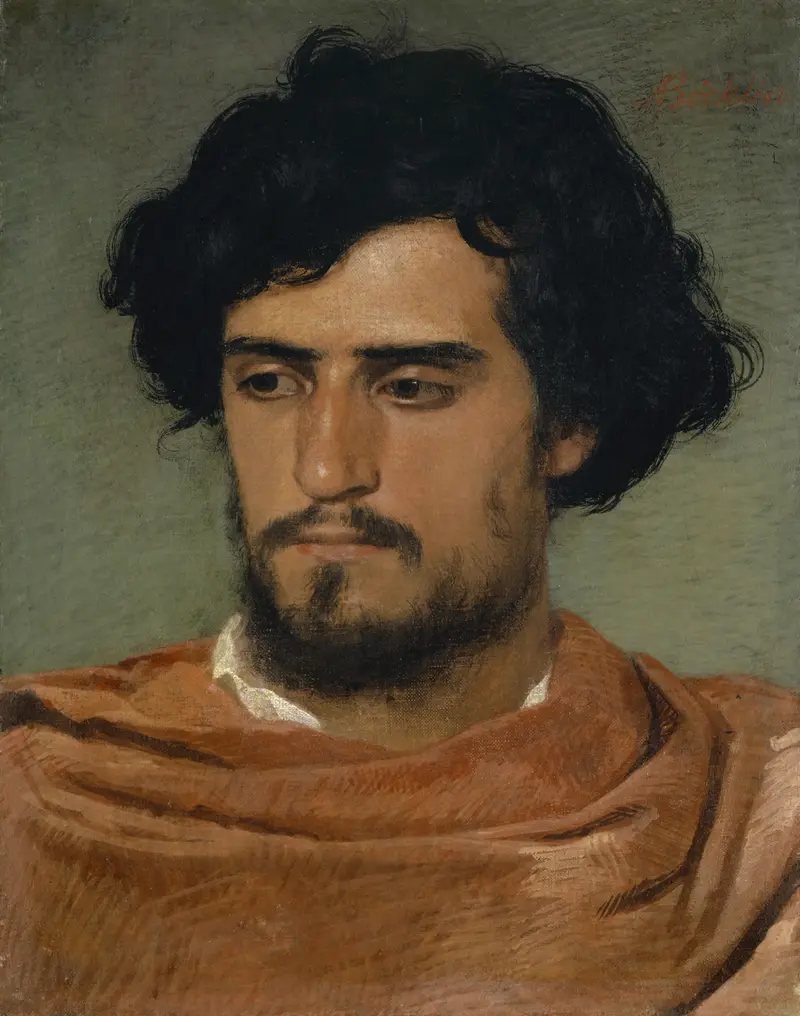
Head of a Roman
Arnold Böcklin
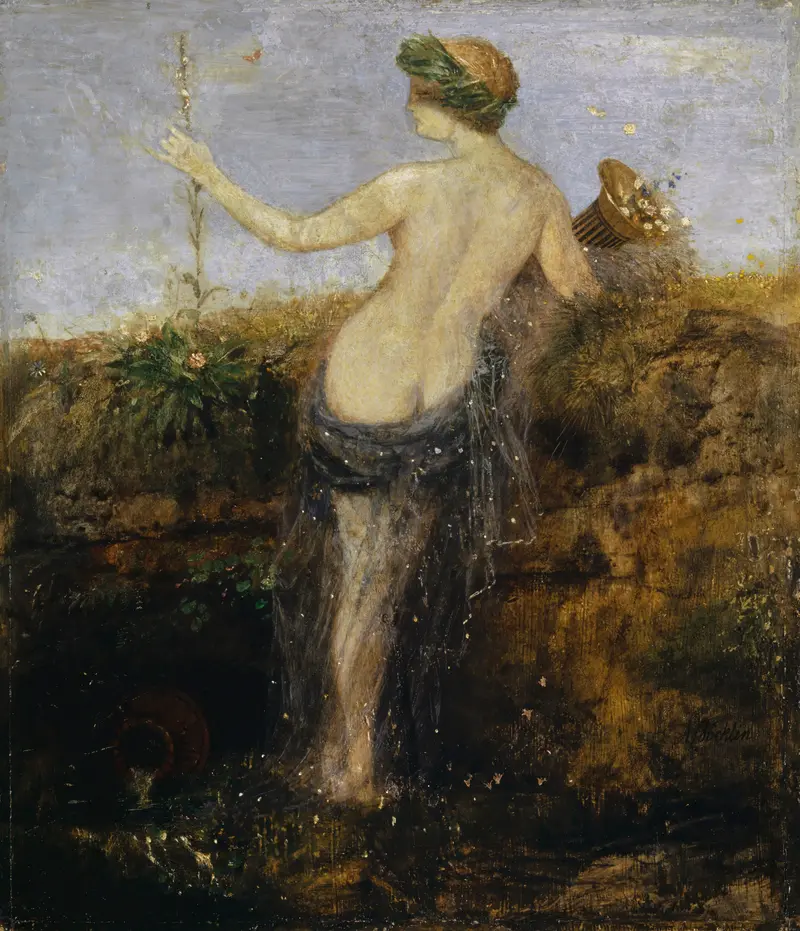
Nymphe with Horn of Plenty
Arnold Böcklin
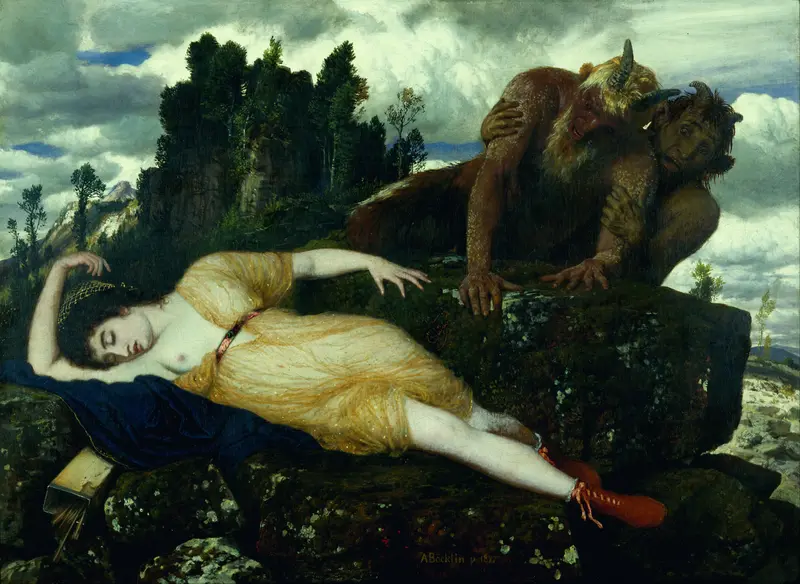
Sleeping Diana Watched by Two Fauns
Arnold Böcklin
Spring (Songs of Spring)
Arnold Böcklin





