Discover insights about this artwork
Melancholy III — History & Facts
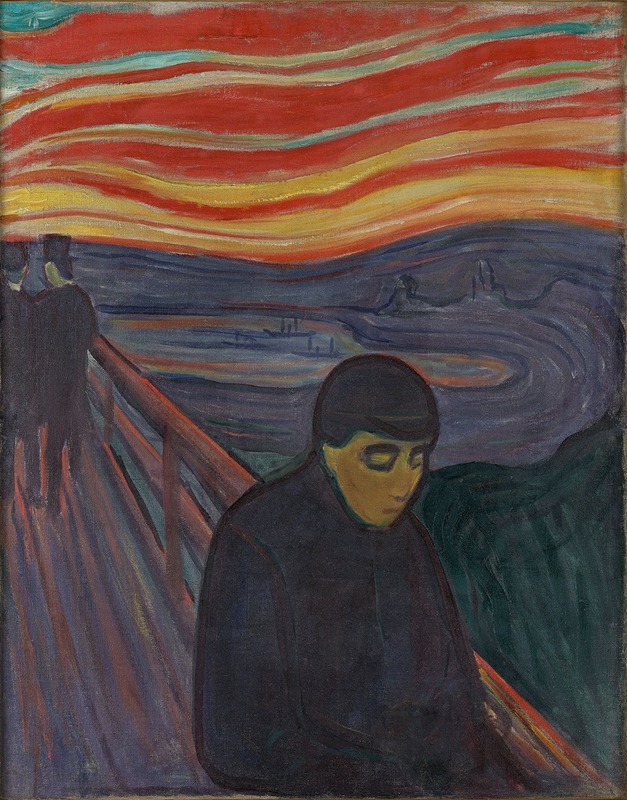
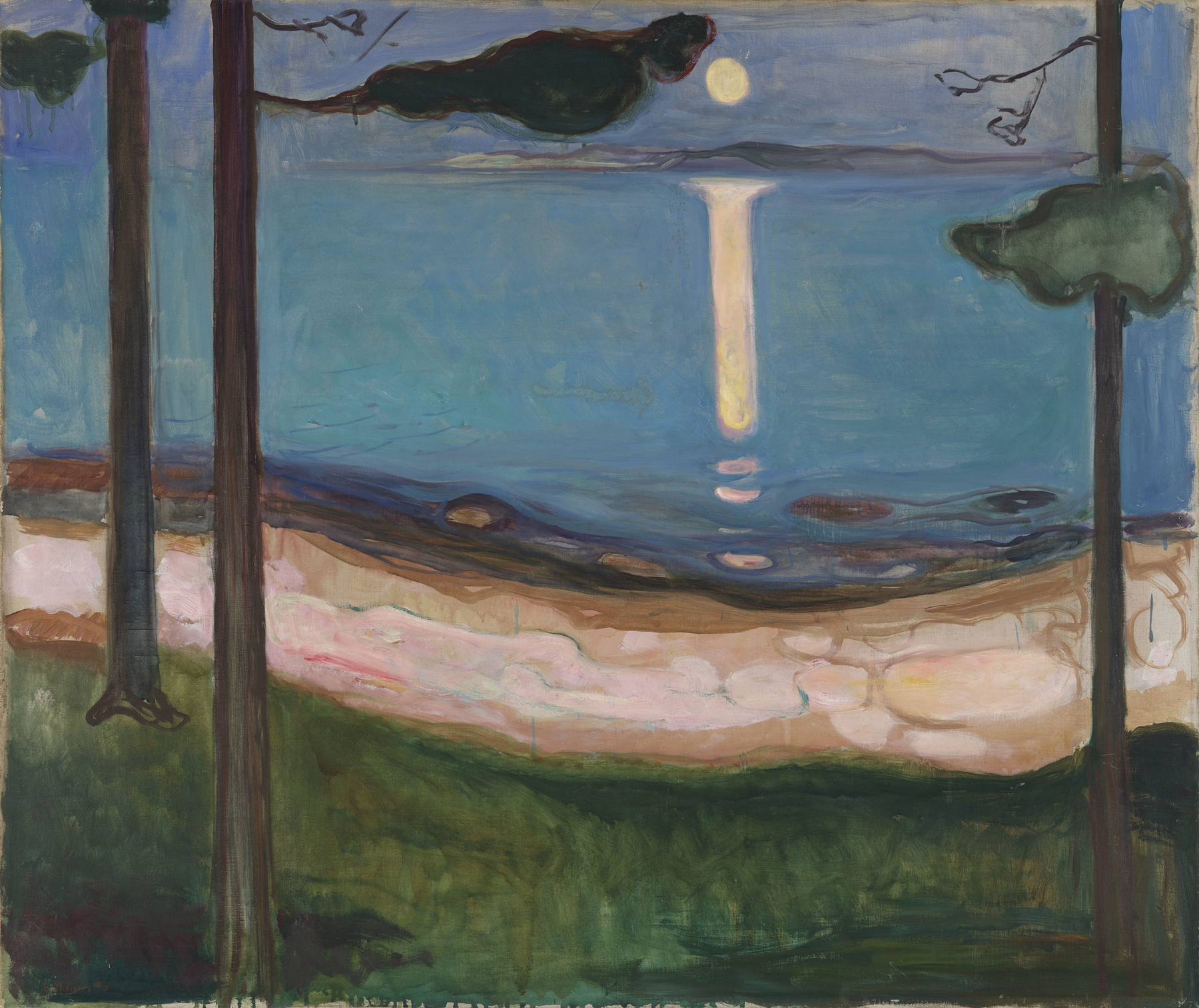
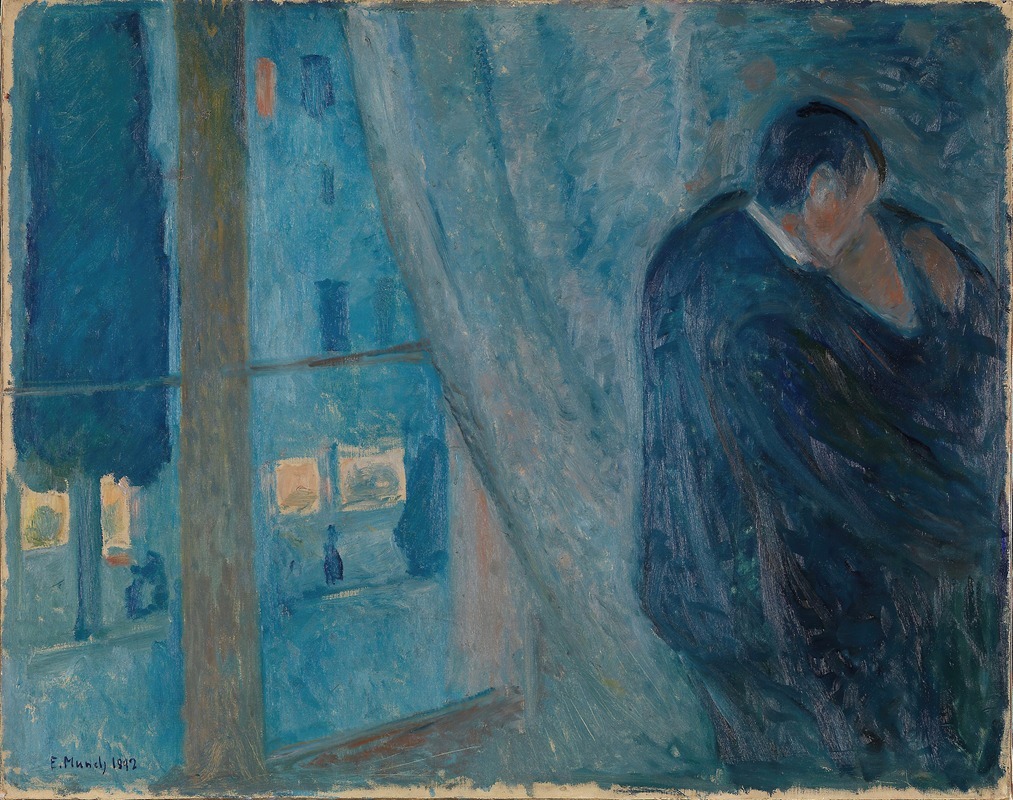
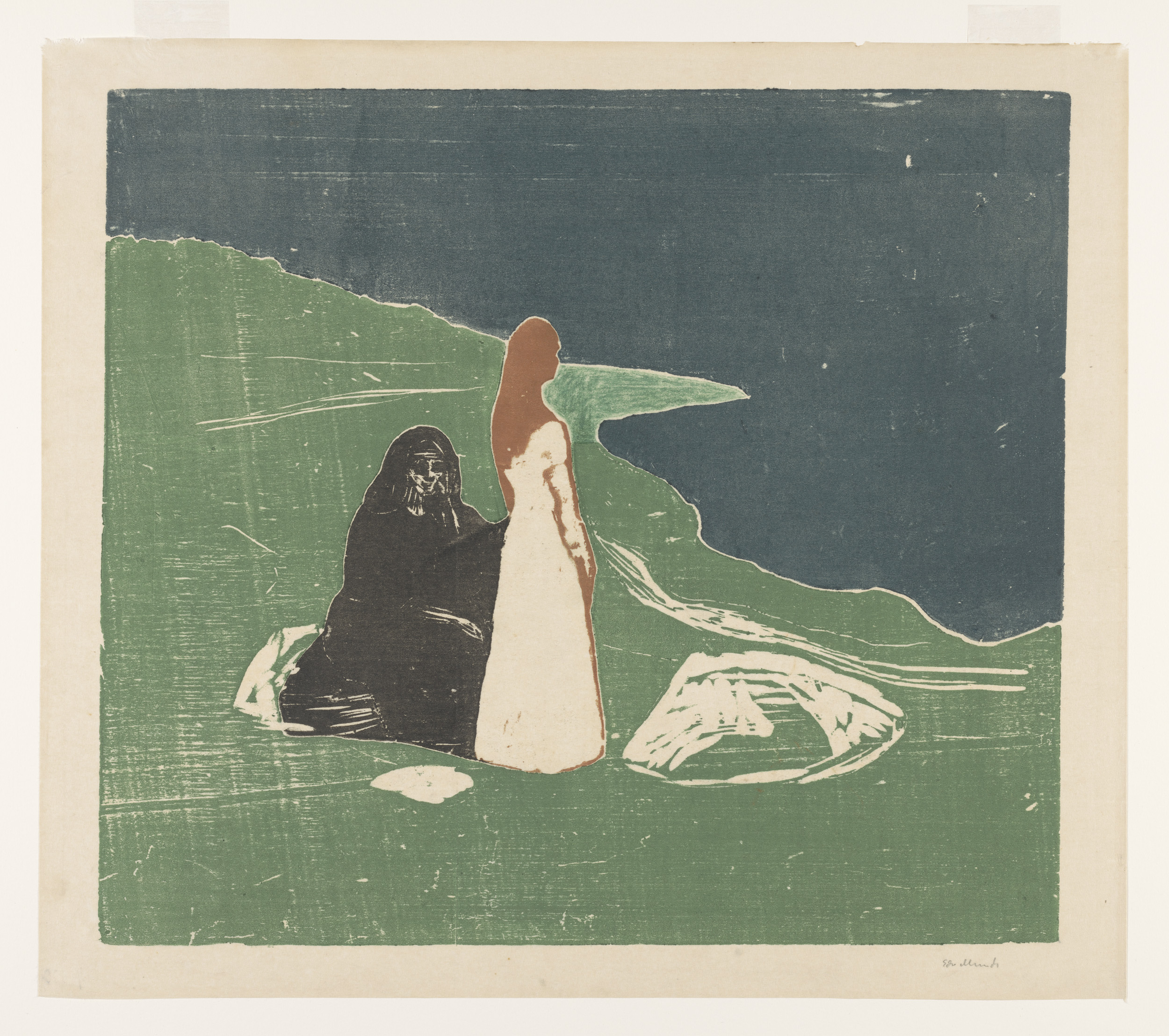
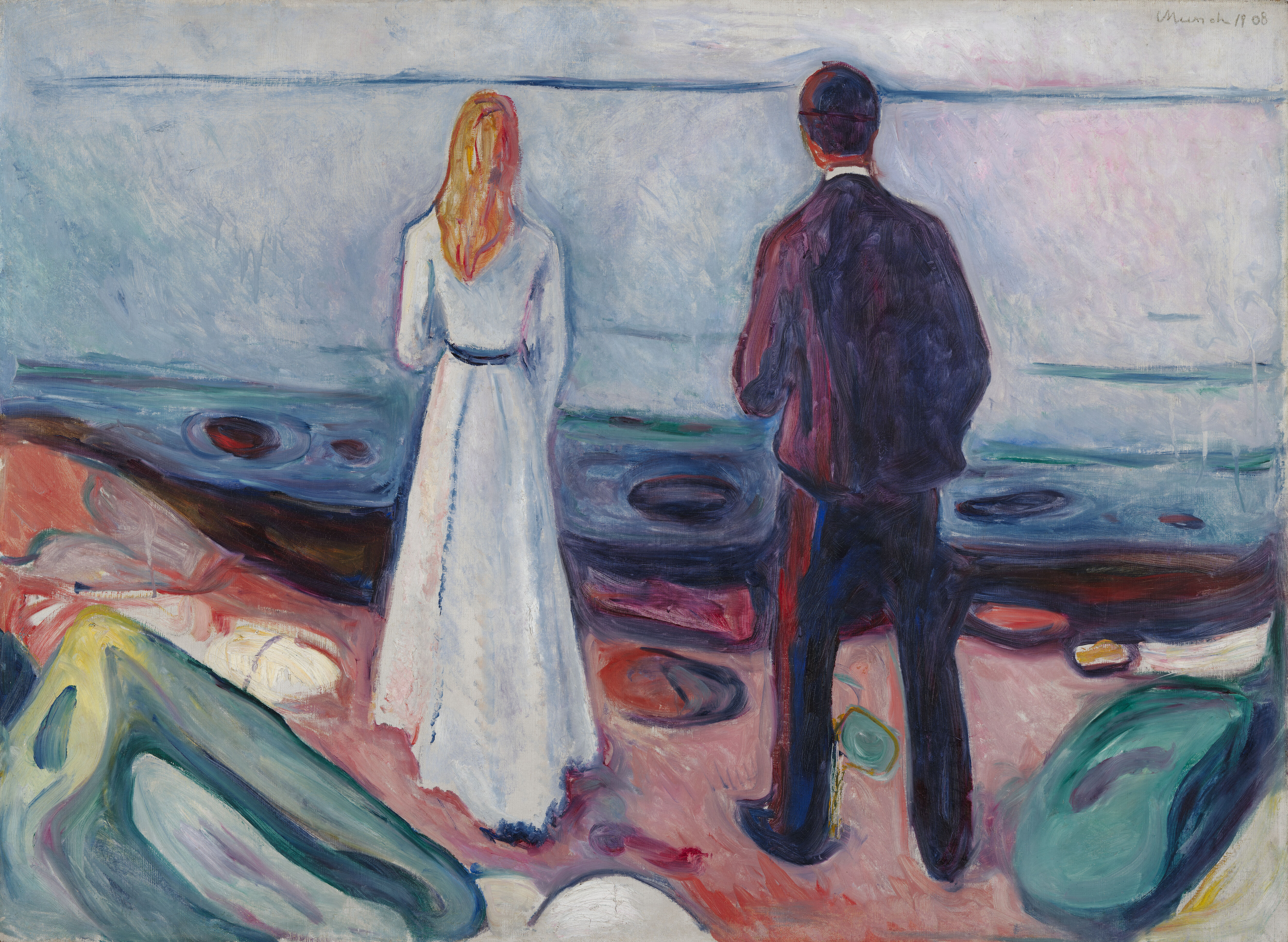
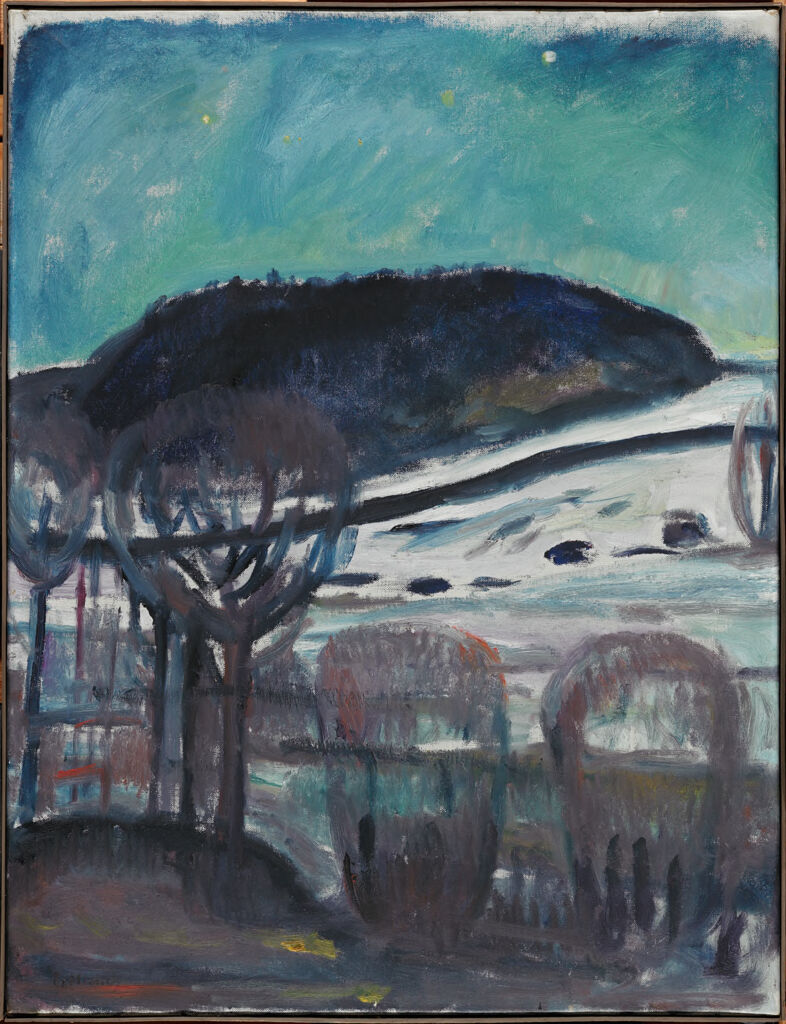
In Melancholy III, Edvard Munch presents a somber palette dominated by deep blues and muted earth tones. The central figure, a woman, appears lost in thought, her expression reflecting profound sadness. Surrounding her are abstract forms that enhance the feeling of isolation.
The overall composition evokes a sense of introspection and emotional weight. The painting is executed in oil on canvas, showcasing Munch's characteristic brushwork and use of color. The dimensions are approximately 90 x 70 cm, making it a medium-sized work that draws the viewer in. The figures are rendered in a stylized manner, typical of Munch's Symbolist approach.
This work exemplifies the emotional depth that Munch is known for. Edvard Munch was a pivotal figure in the Symbolist movement, and Melancholy III reflects his exploration of human emotion. Created in the 1890s, this painting is part of a series that delves into themes of sadness and existential angst. Interestingly, Munch often drew from his own experiences of loss and despair, making this work deeply personal.
It remains a significant example of his ability to convey complex feelings through art.