Discover insights about this artwork
Metabolism — History & Facts
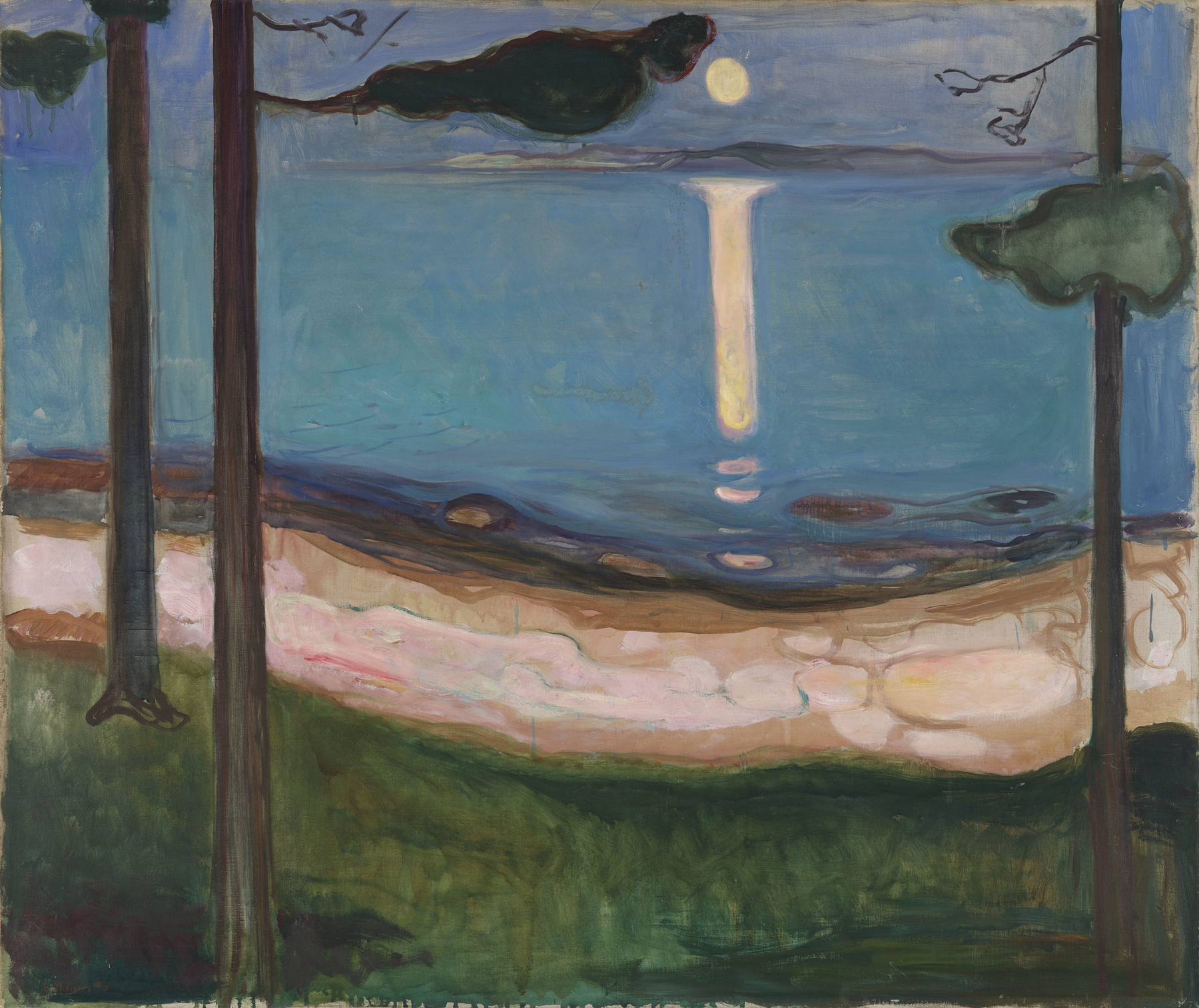
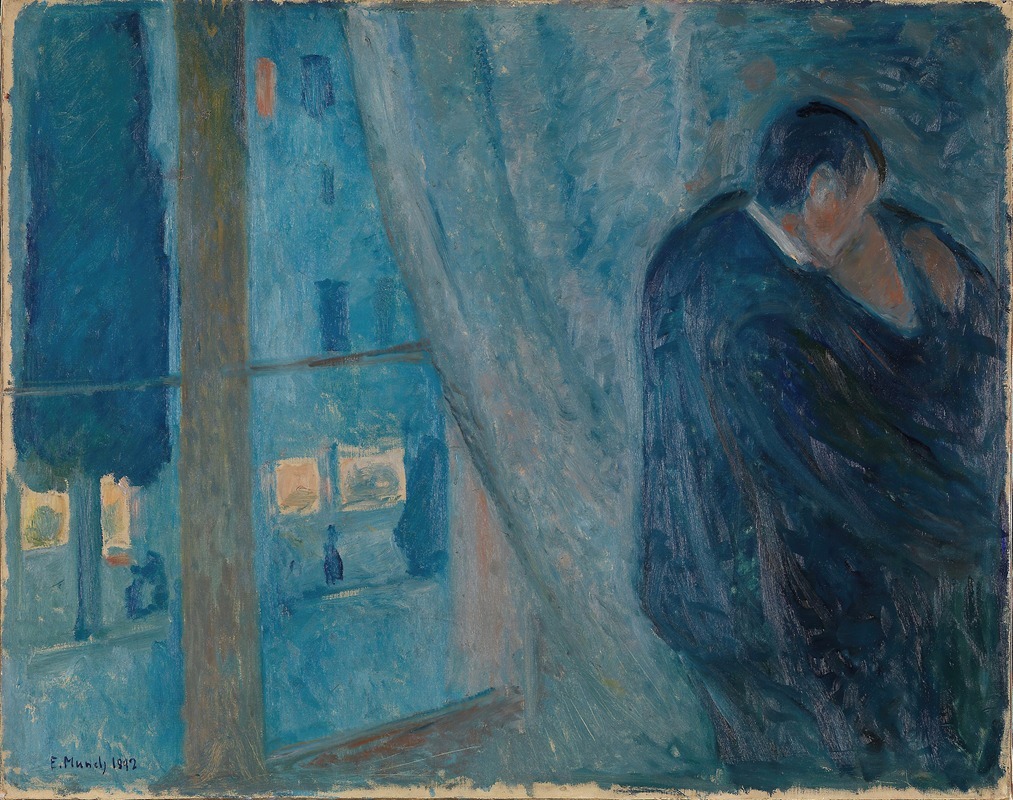
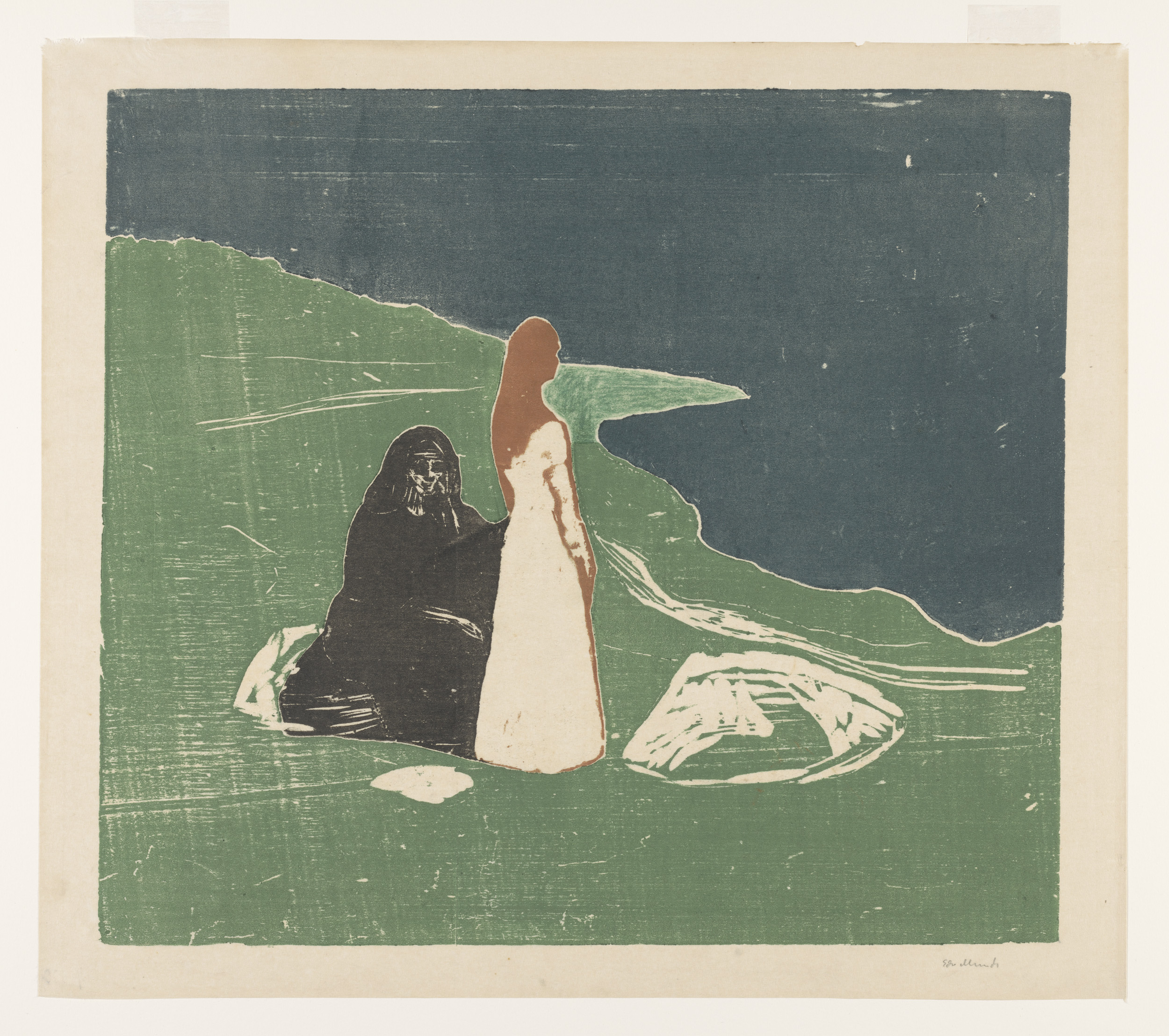
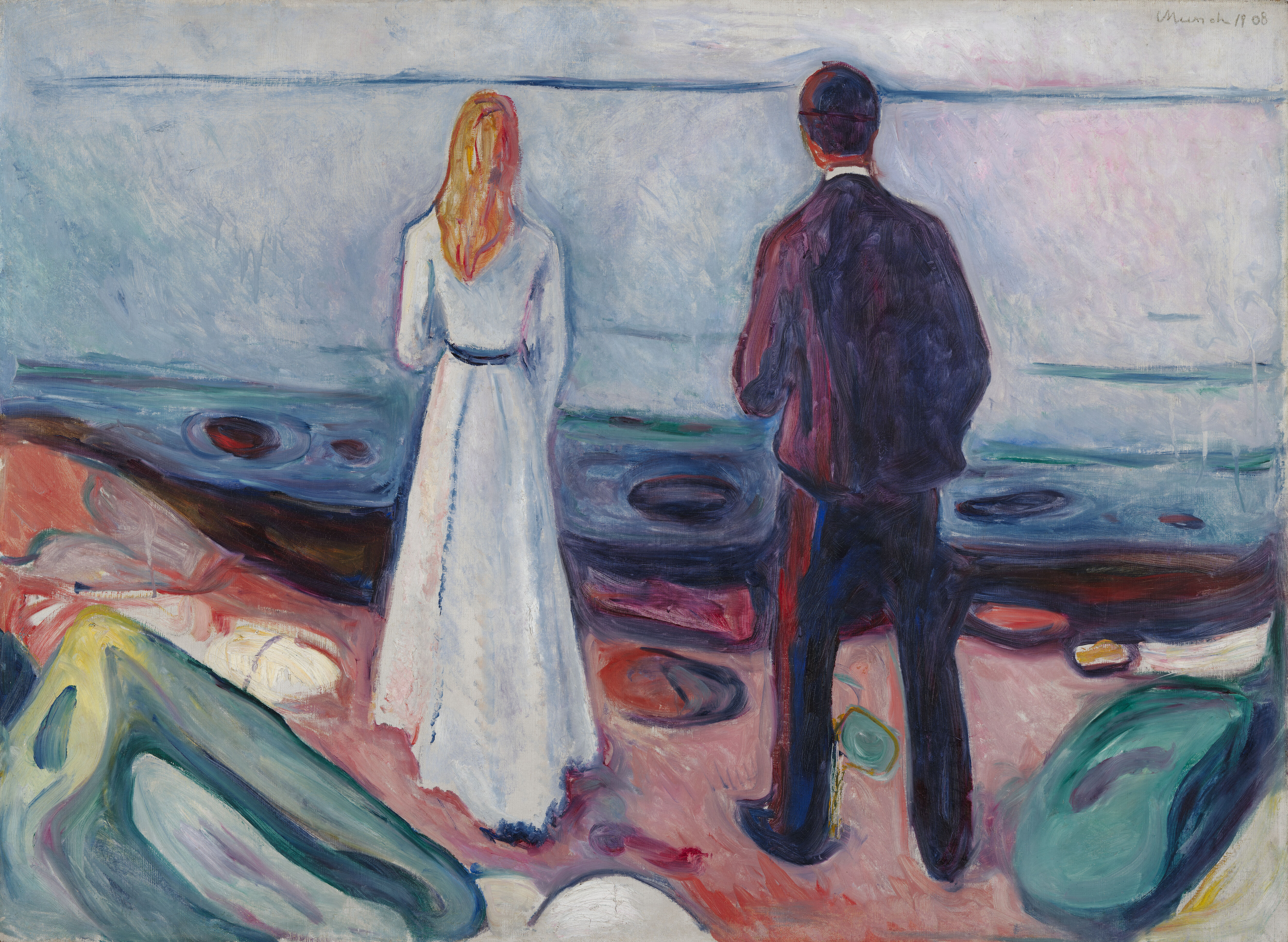
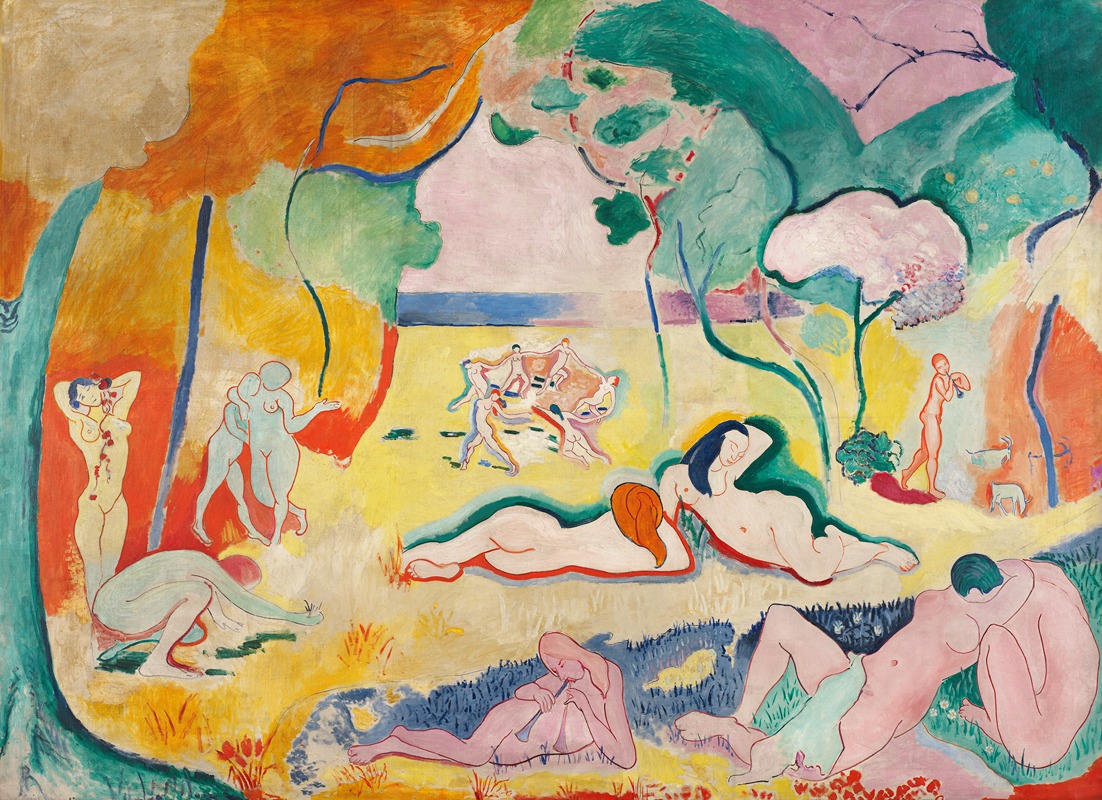
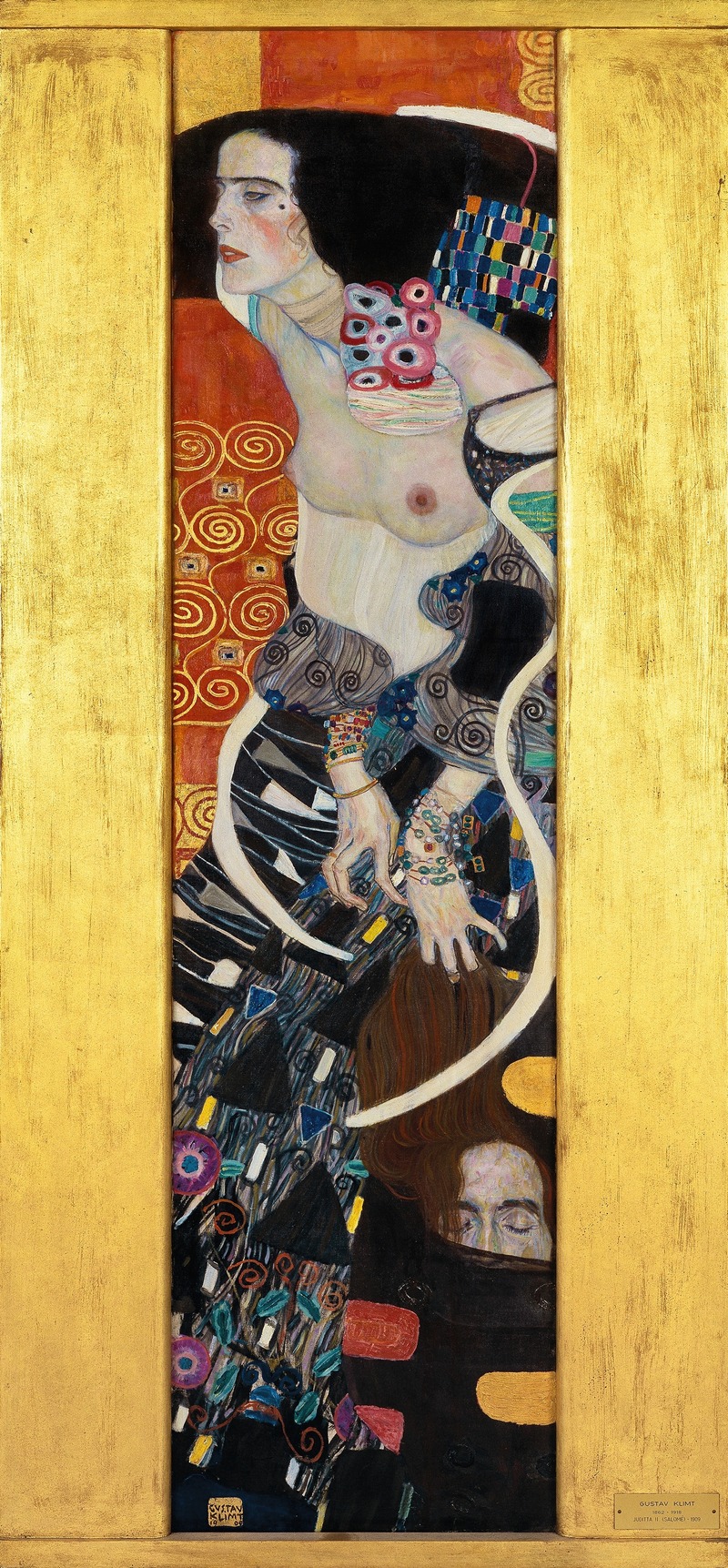
In Metabolism, Edvard Munch uses vibrant colors to depict a dynamic scene filled with abstract forms. The painting features swirling shapes that suggest movement and transformation. Figures are intertwined, representing the interconnectedness of life and nature.
The overall composition creates a sense of energy and fluidity. The painting is executed in oil on canvas, allowing for rich textures and deep colors. Munch's brushwork is expressive, with bold strokes that enhance the emotional impact of the piece. The approximate dimensions are 100 x 80 cm, making it a sizable work that commands attention.
The use of color contrasts adds depth and intensity to the visual experience. Edvard Munch, a key figure in the Expressionist movement, created Metabolism during a period of personal and artistic exploration. This work reflects his interest in themes of life, death, and transformation, which are prevalent in many of his pieces. Interestingly, Metabolism is not as widely recognized as his iconic work, The Scream, yet it showcases his unique style and emotional depth.
Munch's exploration of the human condition continues to resonate with audiences today.