
Mexican dresses — History & Facts
Could a single brushstroke hold eternity? In Mexican dresses, C. Castro invites us to explore the vivid contrasts of life, culture, and the delicate illusion of motion captured on canvas. Focus on the dynamic draping of the fabrics in the foreground. The vibrant colors dance with life—rich reds, deep blues, and sun-kissed yellows swirl together, evoking the traditional dresses worn by women in Mexico.
Notice how the artist meticulously details each fold and ripple, suggesting weight and fluidity. The composition draws the viewer's eye from the flowing garments to the subtle background, where muted tones create an intimate space that emphasizes the vibrancy of the dresses. The interplay between color and form reveals more than just clothing; it whispers of identity and heritage. Each dress represents a story, a cultural memory floating on the edge of visibility, while the soft, blurred background suggests an ephemeral quality—reminding us that traditions can be both anchored and fleeting.
This tension of permanence versus transience resonates throughout the piece, urging viewers to contemplate their own connections to culture and history. In 1869, when this work was created, Castro was deeply immersed in a period where Mexican identity was being reassessed. Following the country’s turbulent political history, artists sought to capture the essence of Mexican culture through their work. Castro’s focus on the vibrant attire of his people reflects a broader cultural revival, positioning him as an important figure in the narrative of Mexican art during an era of transformation and celebration.
More Artworks by C. Castro
Browse all →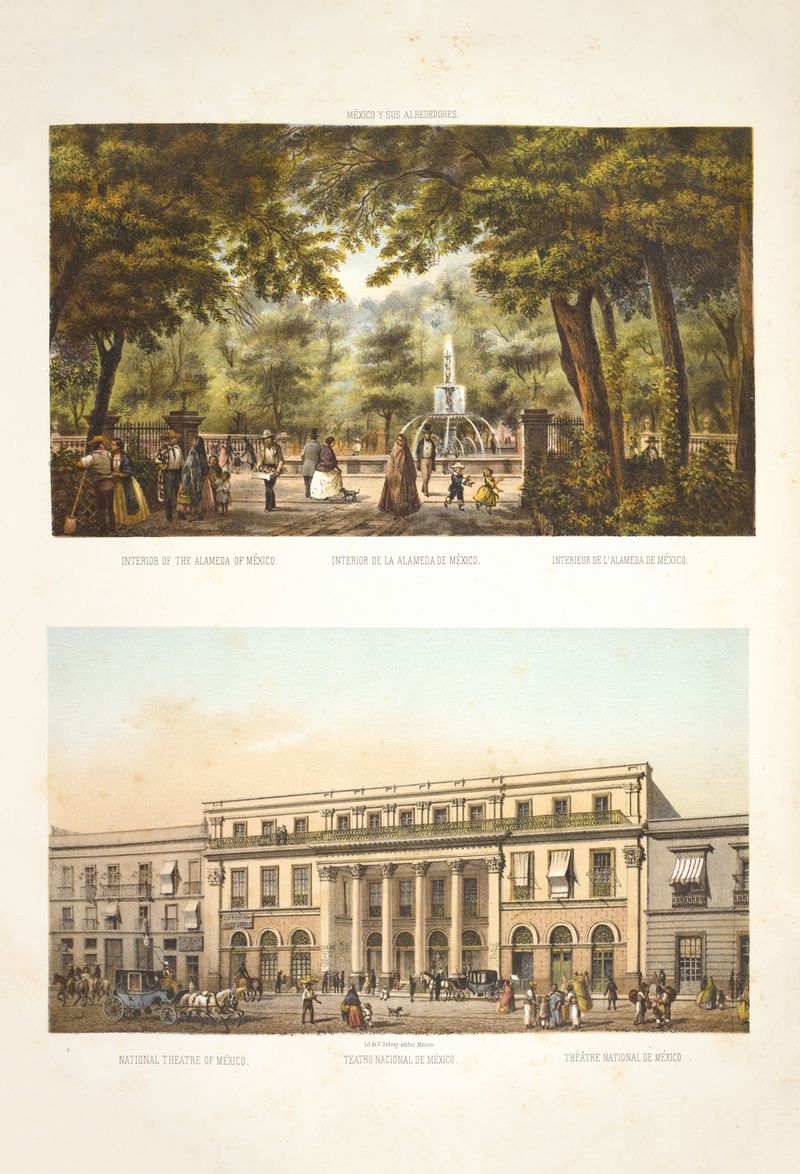
Interior of the Alameda of Mexico ; National Theatre of Mexico.
C. Castro
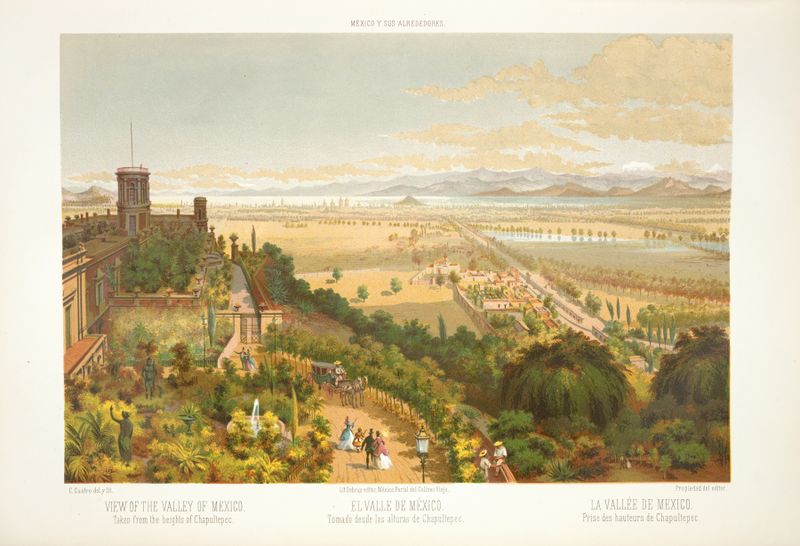
View of the Valley of Mexico, taken from the heights of Chapultepec.
C. Castro
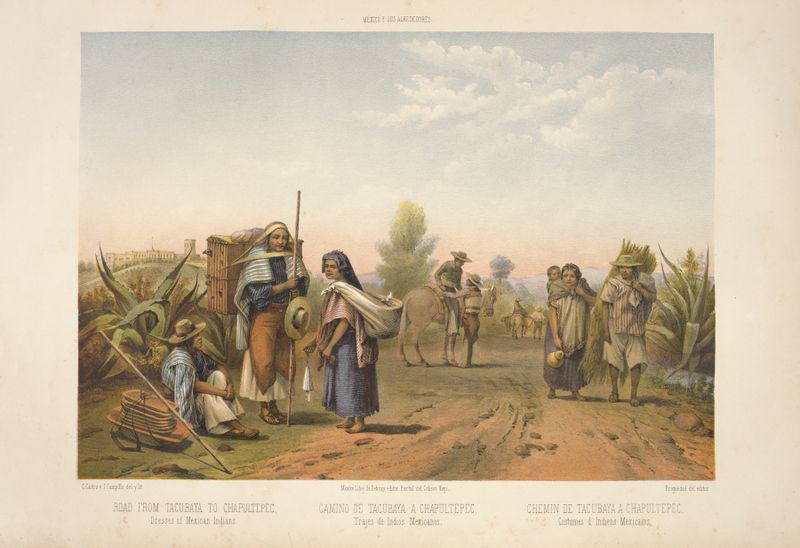
Road from Tacubaya to Chapultepec, dresses of Mexican Indians.
C. Castro
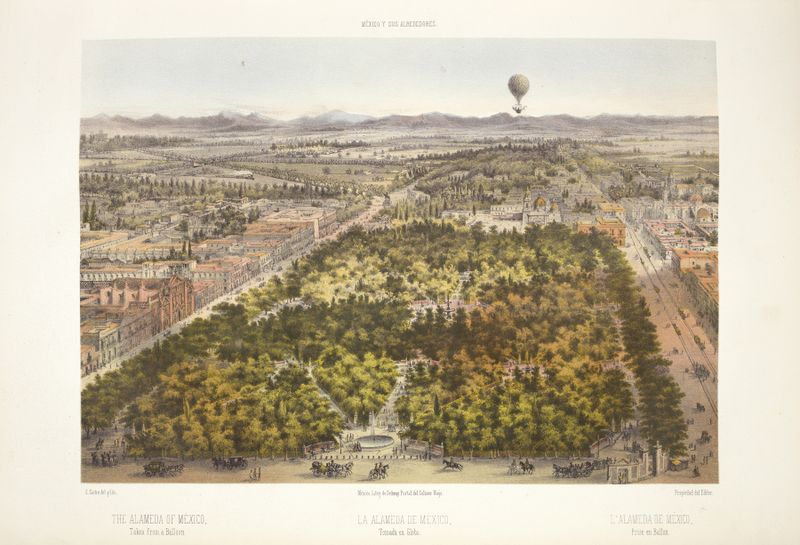
The Alameda of Mexico, taken from a balloon.
C. Castro
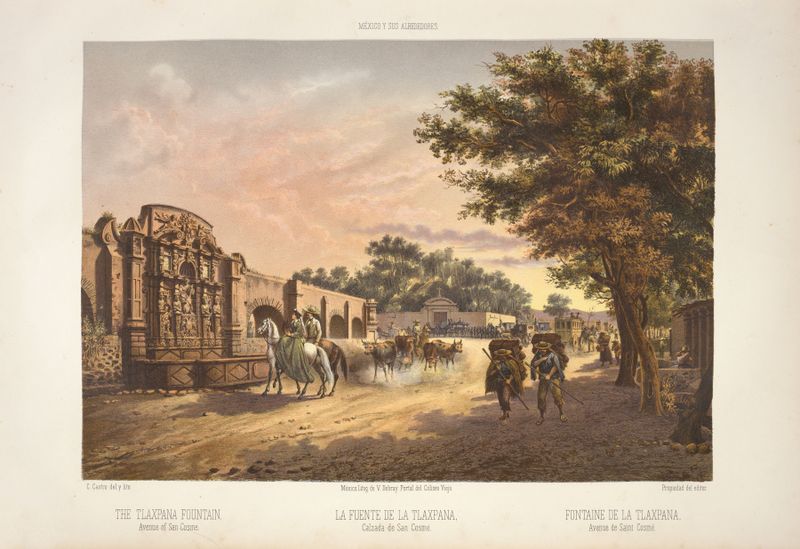
The Tlaxpana fountain, Avenue of San Cosme.
C. Castro
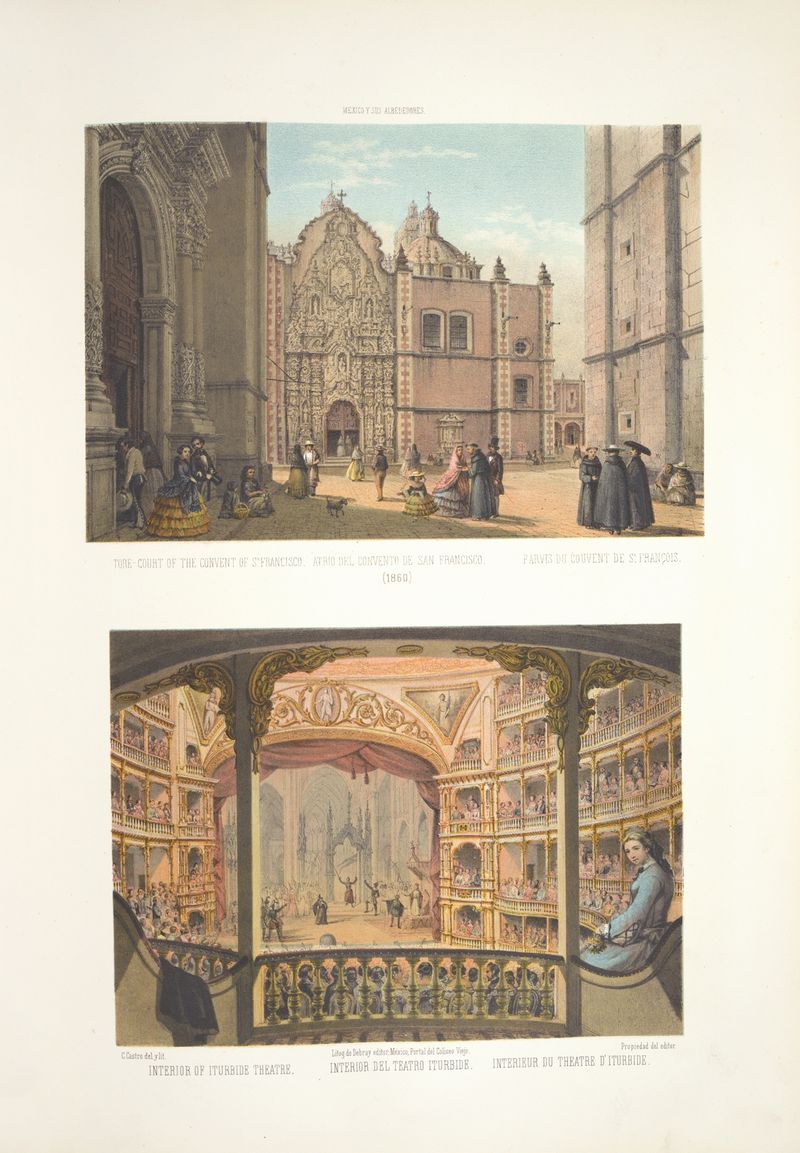
Tore-court of the convent of St. Francisco ; Interior del Teatro Iturbide
C. Castro
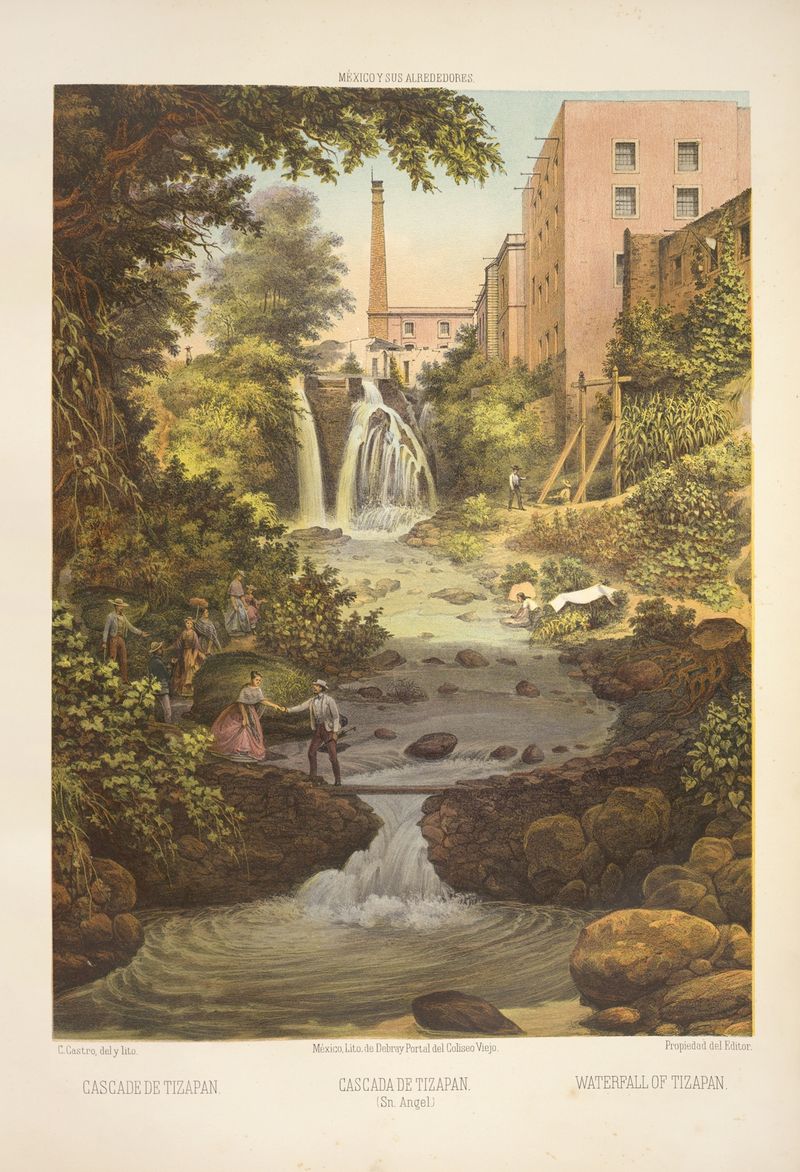
Waterfall of Tizapan
C. Castro
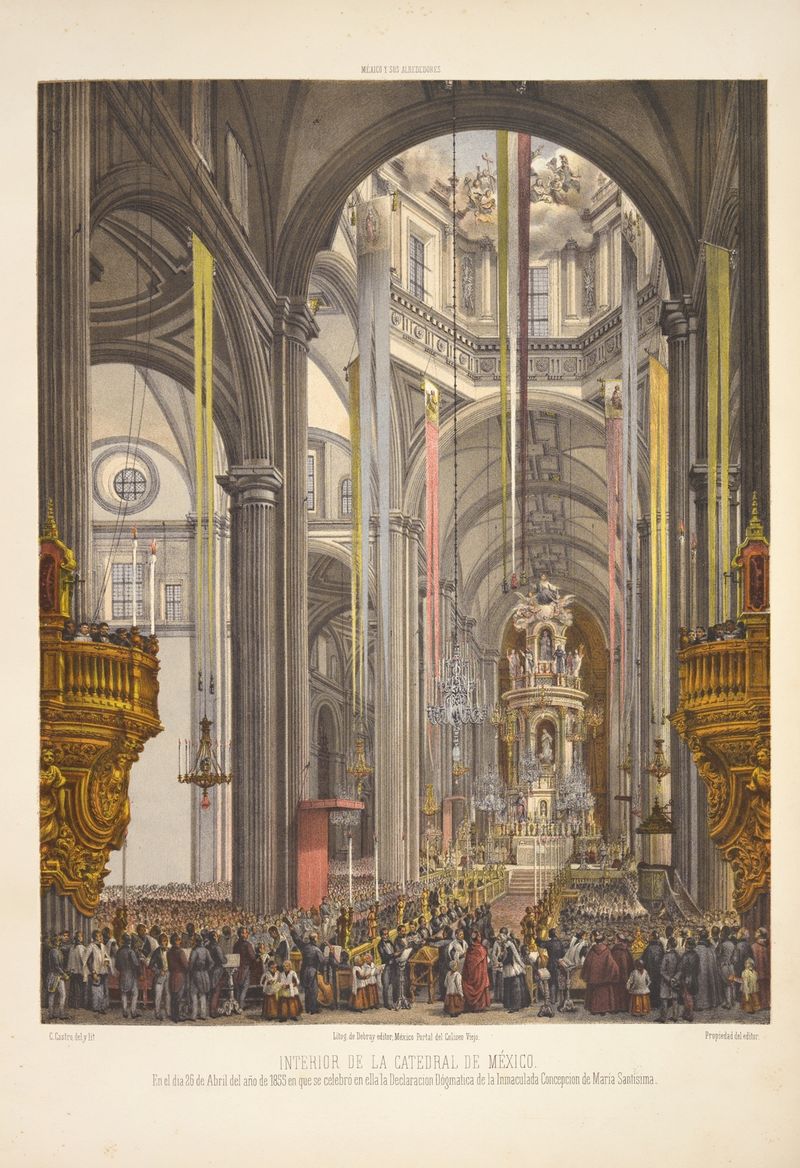
Interior de la Catedral de México. En el dia 26 de Abril del año de 1855 en que se celebró en ella la Declaracion Dógmatica de la Inmaculada Concepcion de María Santisima.
C. Castro
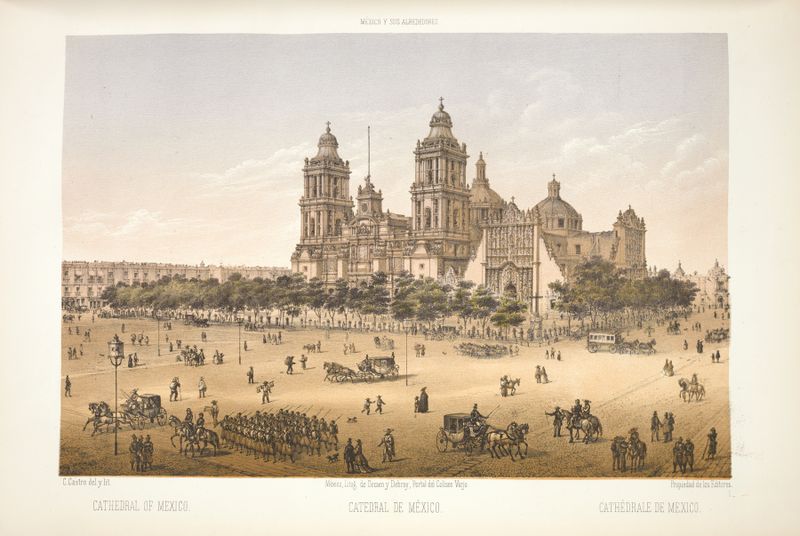
Cathedral of Mexico.
C. Castro
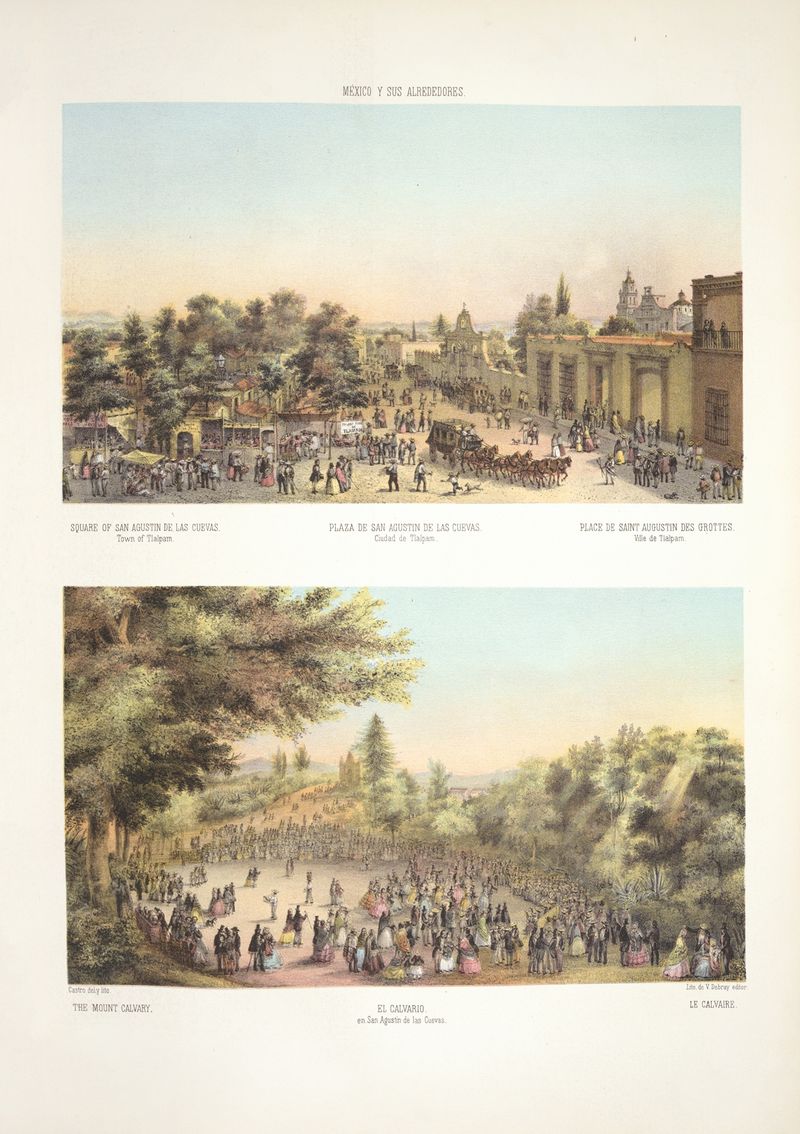
Square of San Agustin de las Cuevas, town of Tlalpam ; The Mount Calvary.
C. Castro





