
Mexican dresses — History & Facts
Did the painter know this moment would outlive them? The quiet beauty in a single brushstroke can capture the essence of a culture, a fleeting moment, and the soul of a woman. Focus on the vibrant fabrics swaying gracefully against a backdrop of muted earth tones. The intricate patterns dazzle the eye, pulling you closer to admire the craftsmanship that celebrates heritage and individuality. Notice how the light dances upon the folds of the dresses, revealing the delicate textures and colors that echo the warmth of the Mexican sun.
Each garment tells its own story, rich with history and emotion, inviting the viewer into a world of authentic beauty. Hidden within the layers of fabric are contrasts of tradition and modernity, simplicity and complexity. Observe the way the dresses are adorned with floral motifs, symbolizing nature’s abundance, while the figures themselves remain static, grounded in their cultural identity. There’s an emotional tension in the way their poised demeanors convey both strength and vulnerability, connecting the past to the present in a timeless embrace.
Each detail amplifies the significance of the moment, suggesting that beauty transcends time. Created in 1869, this work emerged during a transformative period for C. Castro, a time when Mexico was navigating its cultural identity post-independence. Immersed in the rich tapestry of a nation in flux, Castro sought to honor Mexican traditions through his art, capturing the essence of beauty in everyday life.
This painting stands as a testament to his commitment to cultural expression amid a rapidly changing world.
More Artworks by C. Castro
Browse all →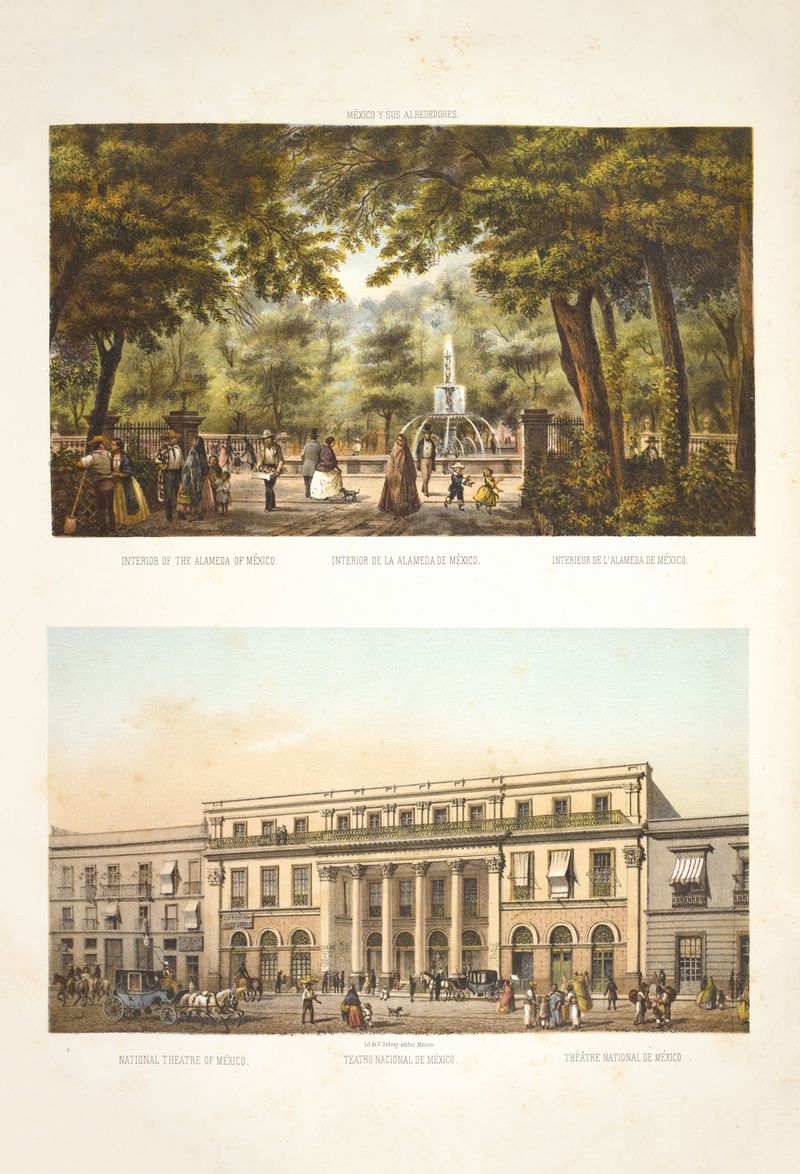
Interior of the Alameda of Mexico ; National Theatre of Mexico.
C. Castro
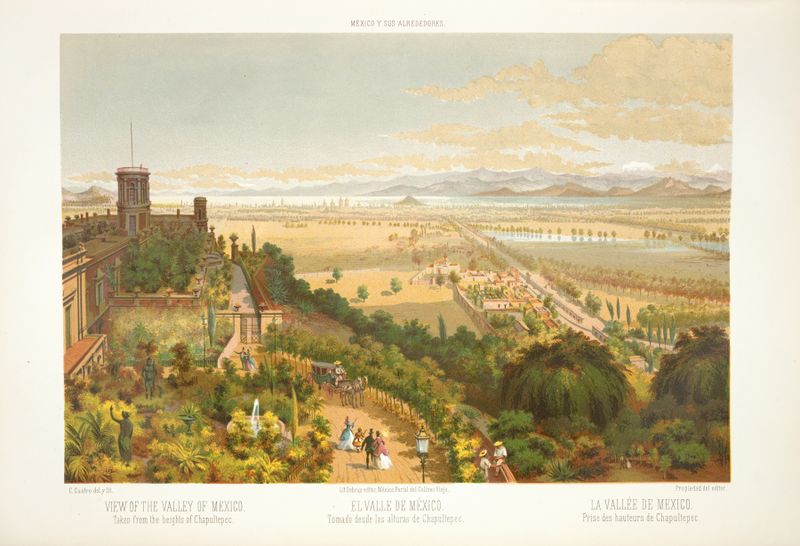
View of the Valley of Mexico, taken from the heights of Chapultepec.
C. Castro
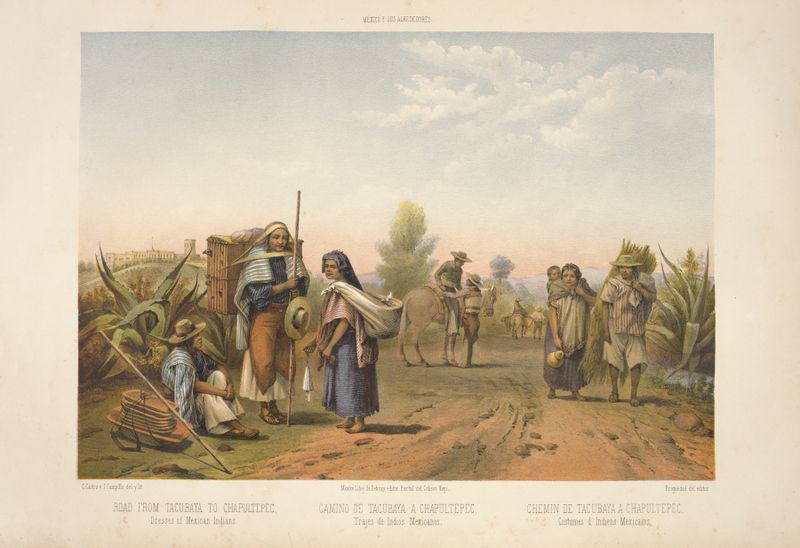
Road from Tacubaya to Chapultepec, dresses of Mexican Indians.
C. Castro
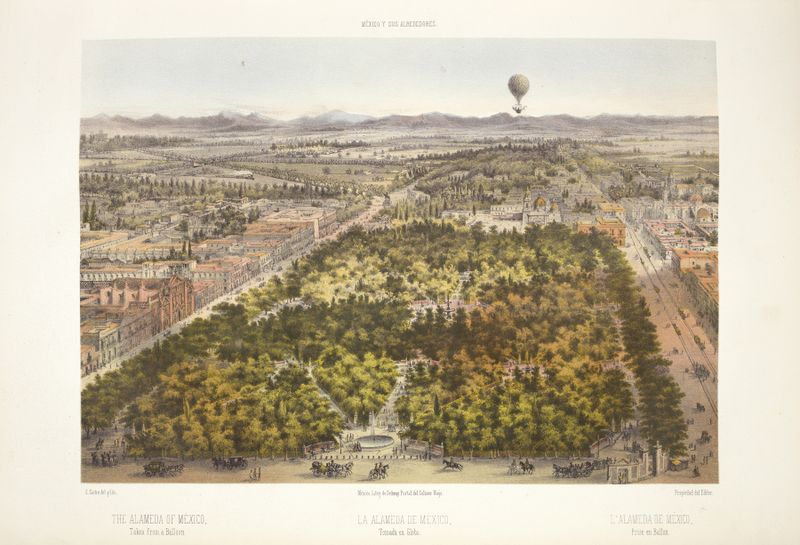
The Alameda of Mexico, taken from a balloon.
C. Castro
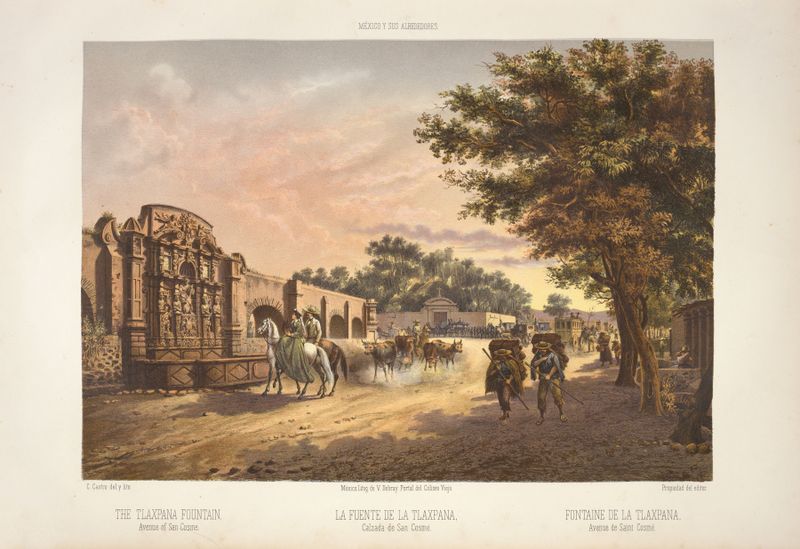
The Tlaxpana fountain, Avenue of San Cosme.
C. Castro
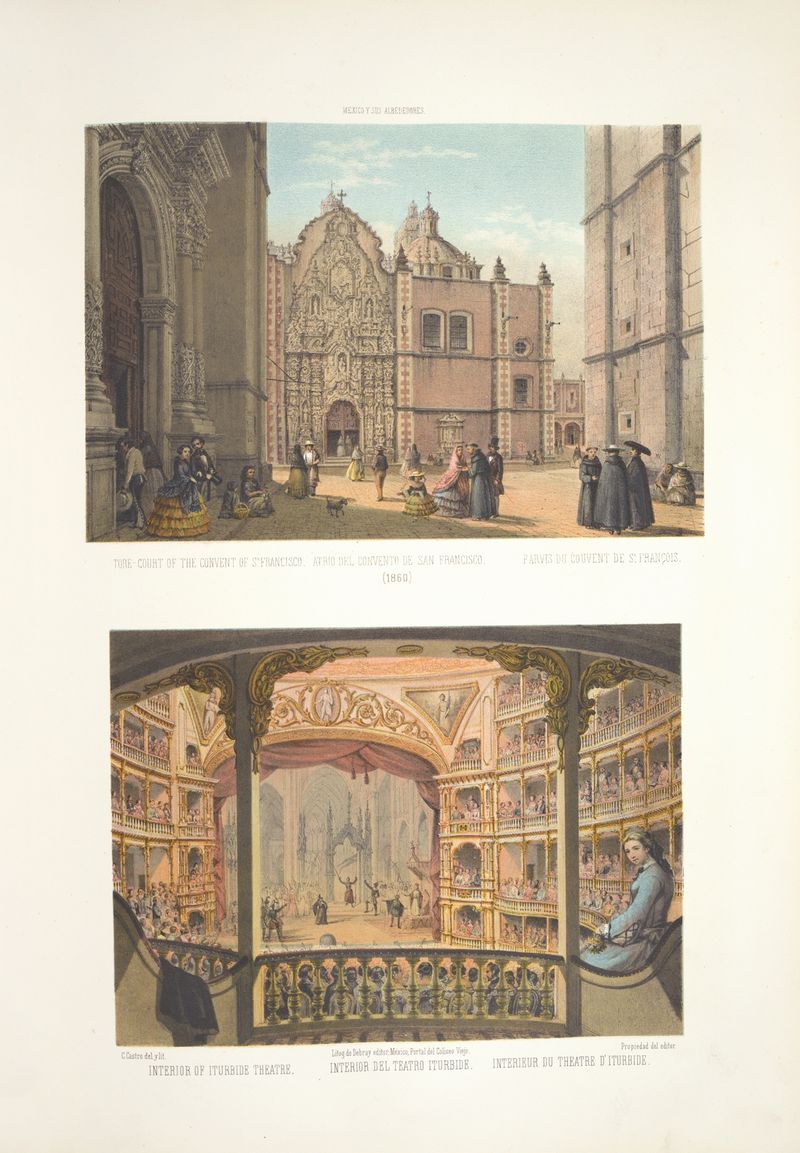
Tore-court of the convent of St. Francisco ; Interior del Teatro Iturbide
C. Castro
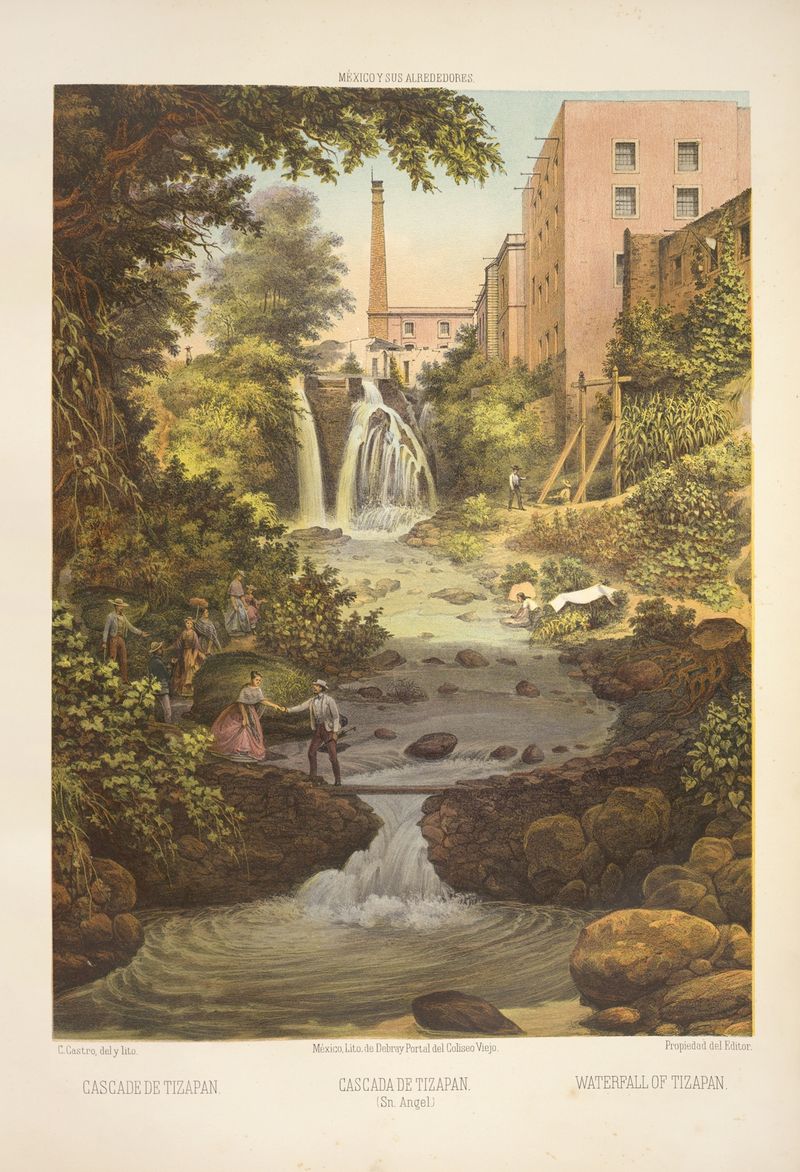
Waterfall of Tizapan
C. Castro
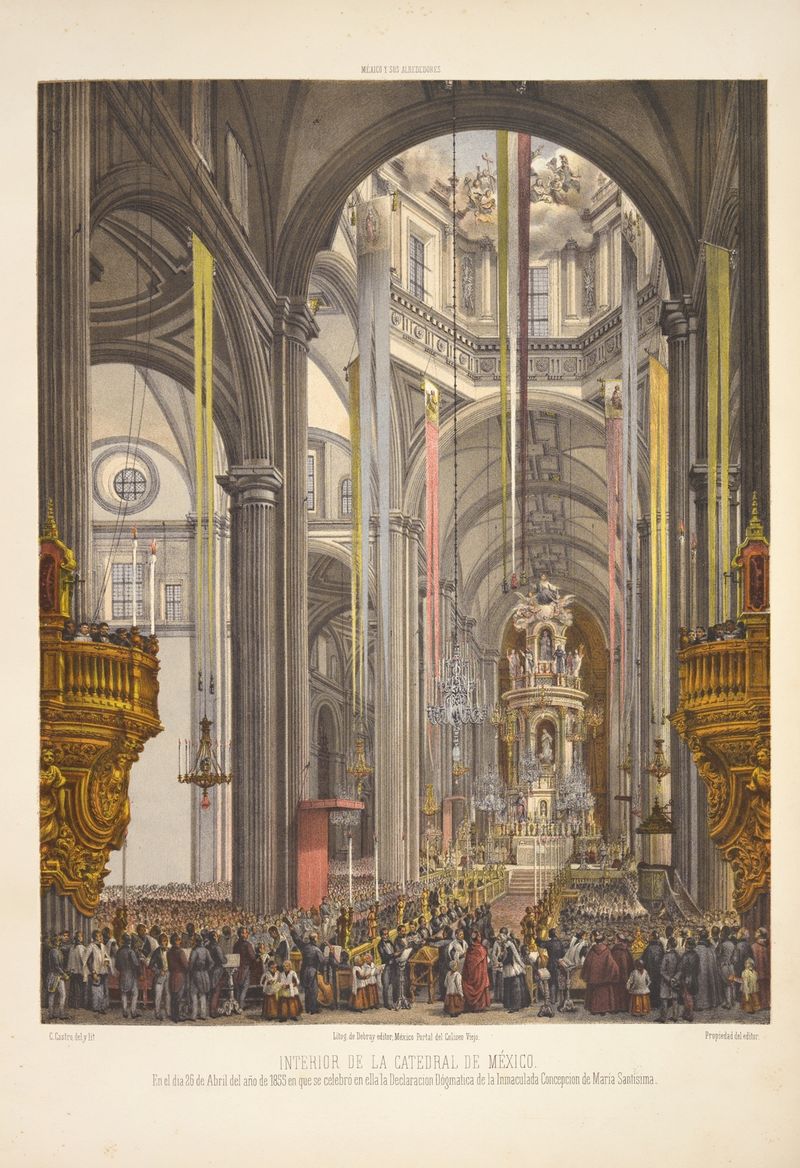
Interior de la Catedral de México. En el dia 26 de Abril del año de 1855 en que se celebró en ella la Declaracion Dógmatica de la Inmaculada Concepcion de María Santisima.
C. Castro
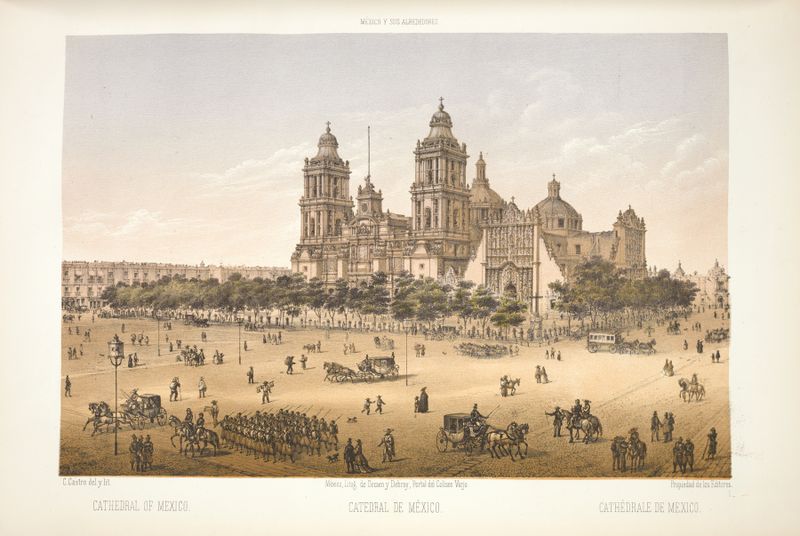
Cathedral of Mexico.
C. Castro
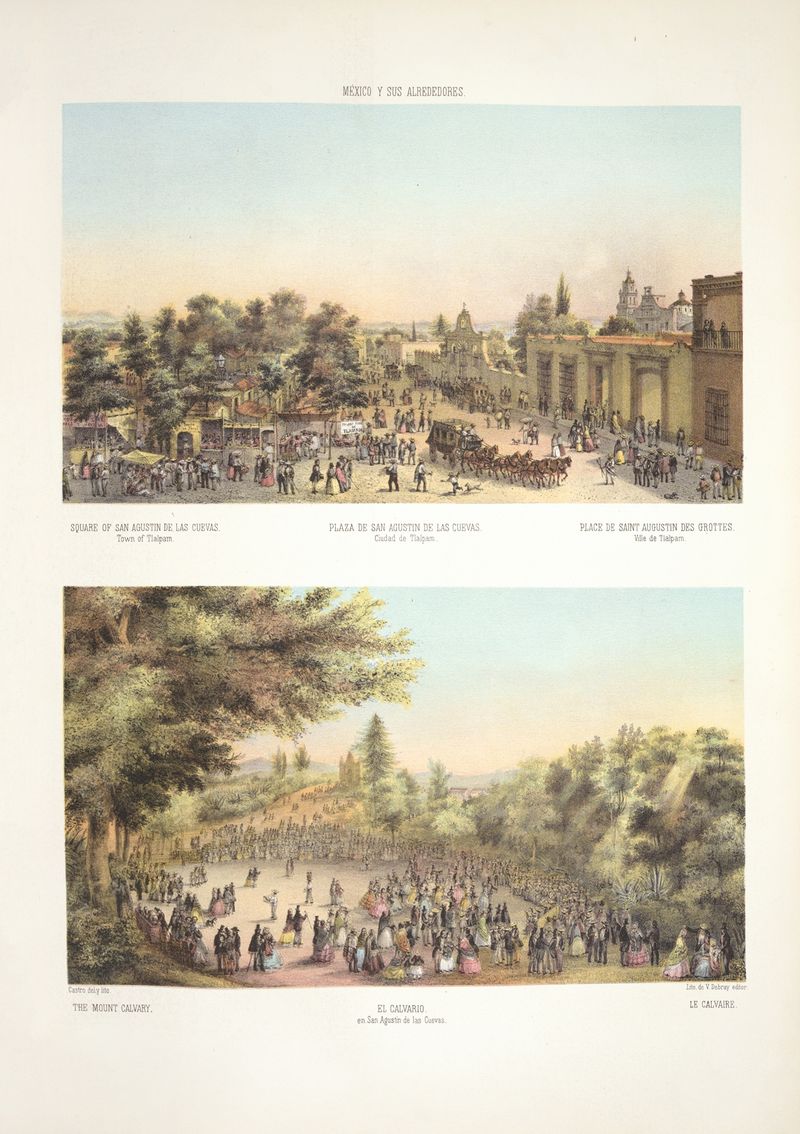
Square of San Agustin de las Cuevas, town of Tlalpam ; The Mount Calvary.
C. Castro





