
Mexican landscape — History & Facts
In a world that constantly shifts and changes, the act of capturing a moment through art becomes a rebellious gesture against the relentless passage of time. Look to the sweeping horizon of Mexican Landscape, where vibrant greens and deep blues merge to cradle a sun-drenched valley. The foreground invites you in with its lush foliage, intricately detailed to evoke a sense of touch, while the background fades into distant mountains that suggest both wonder and mystery. Notice how the light cascades from above, illuminating the scene with a warmth that feels both inviting and overwhelming, a juxtaposition that highlights the duality of existence. This artwork embodies the essence of movement—be it the gentle sway of trees in the wind or the flowing clouds that dance across the sky.
The contrast between the vibrant life of the foreground and the stoic mountains creates a tension, suggesting both stability and transience. Every brushstroke carries an urgency, as if the artist wishes to preserve this fleeting beauty against the encroaching march of time. Frederic Edwin Church created Mexican Landscape in 1869, during a period of artistic exploration influenced by the Hudson River School’s emphasis on the American landscape. Having recently embarked on an inspiring journey through Central America, Church was deeply engaged with the romantic ideal of nature as a source of transcendence, reflecting the broader cultural fascination with the exotic landscapes of the world.
More Artworks by Frederic Edwin Church
Browse all →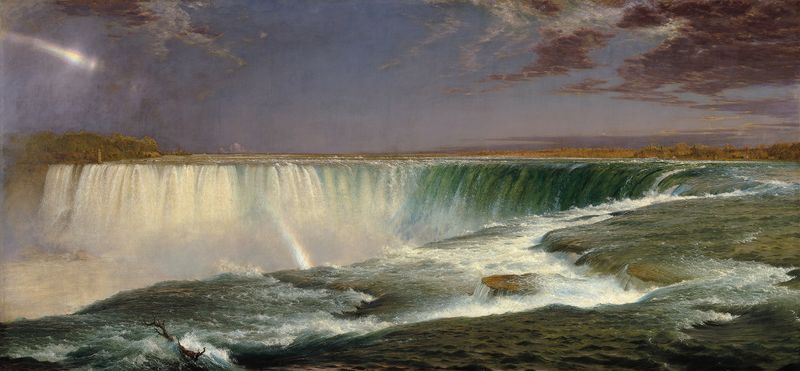
Niagara
Frederic Edwin Church
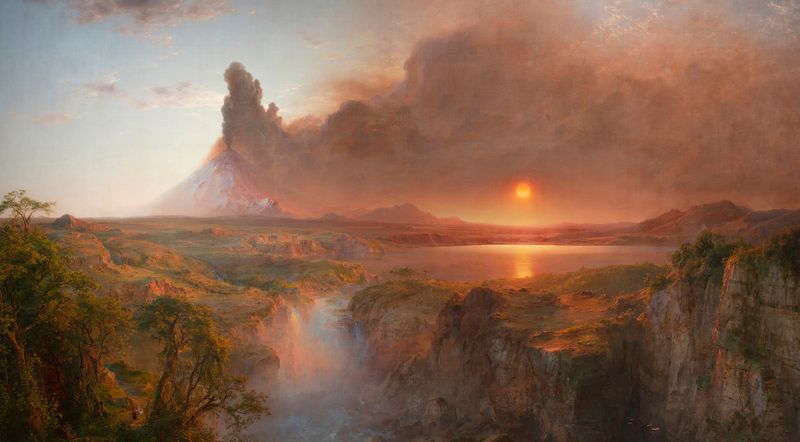
Cotopaxi
Frederic Edwin Church
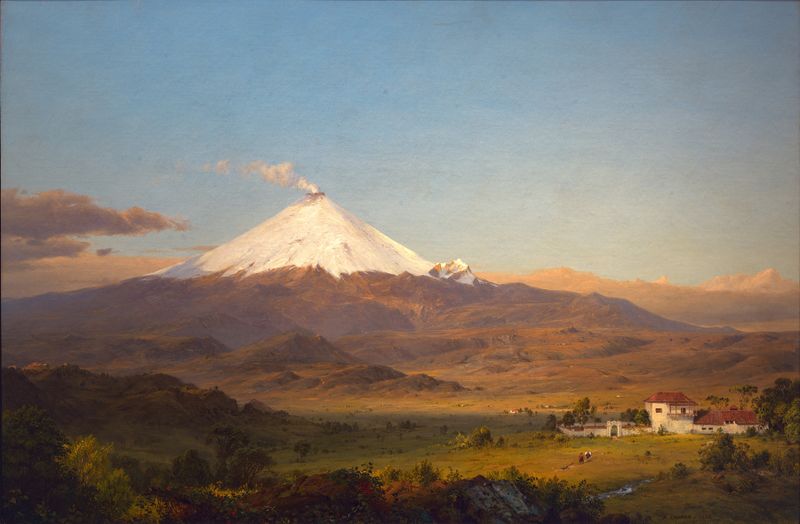
Cotopaxi
Frederic Edwin Church
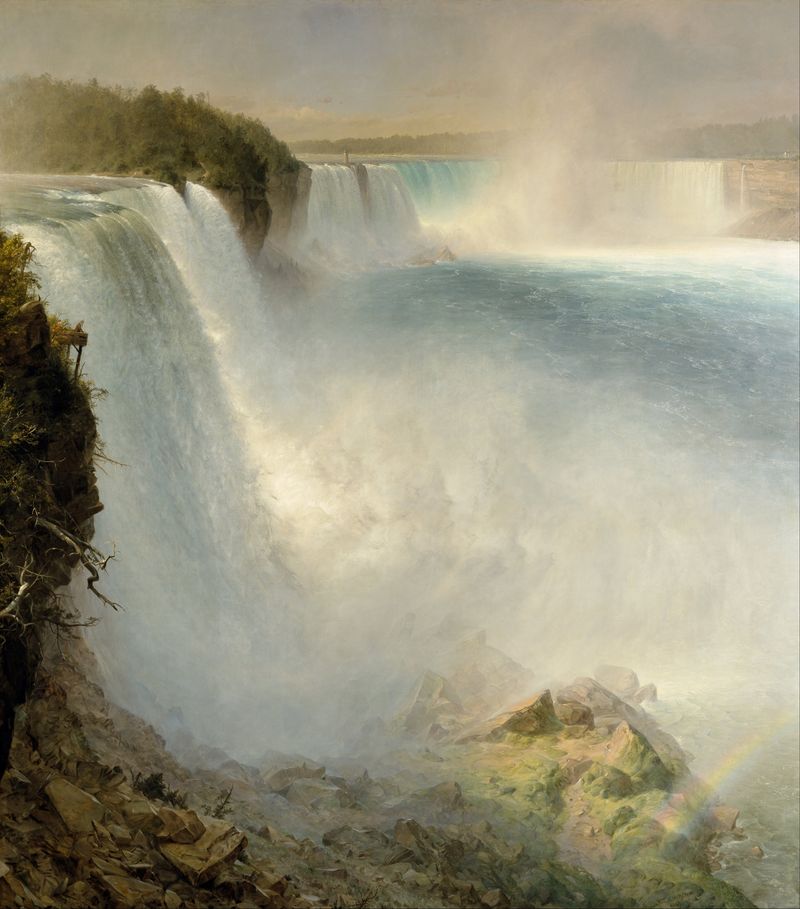
Niagara Falls, from the American Side
Frederic Edwin Church
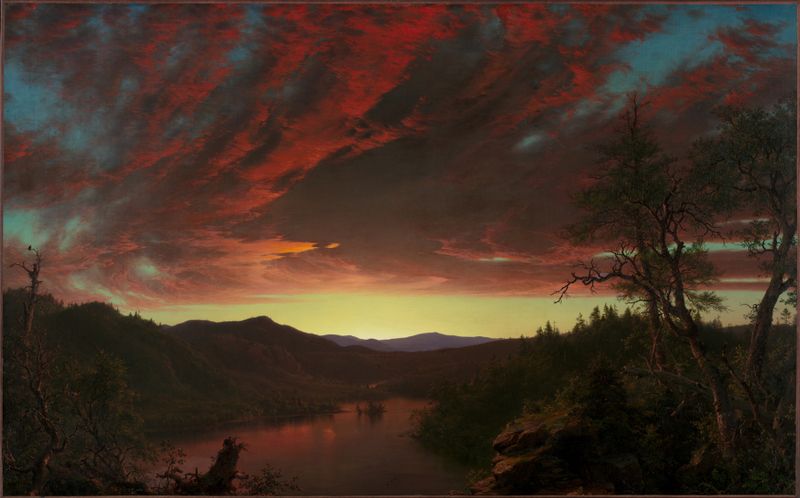
Twilight in the Wilderness
Frederic Edwin Church
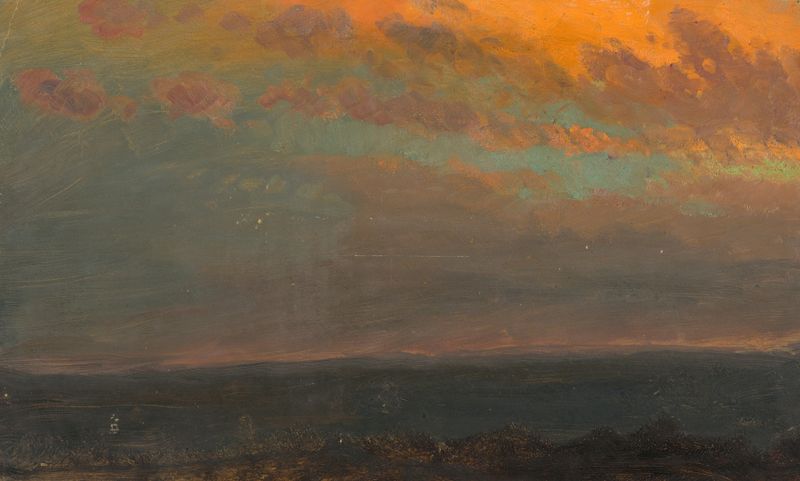
Hudson Valley at Sunset
Frederic Edwin Church
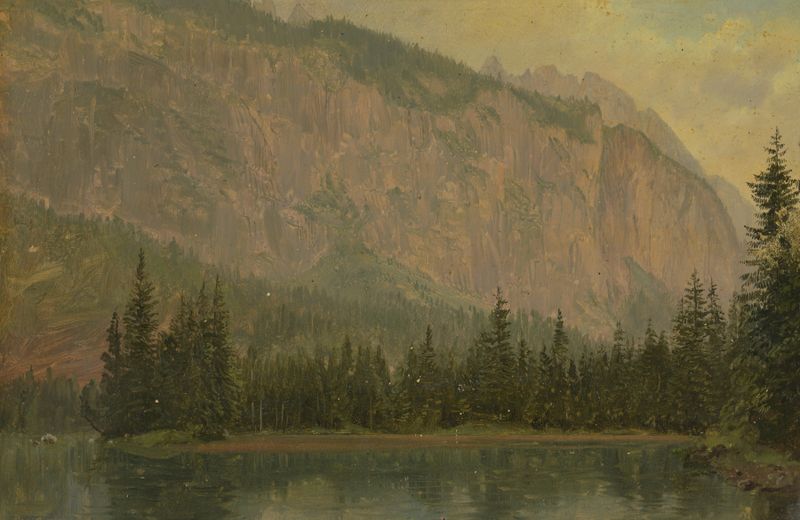
The Hintersee, near Berchtesgaden, Bavaria
Frederic Edwin Church
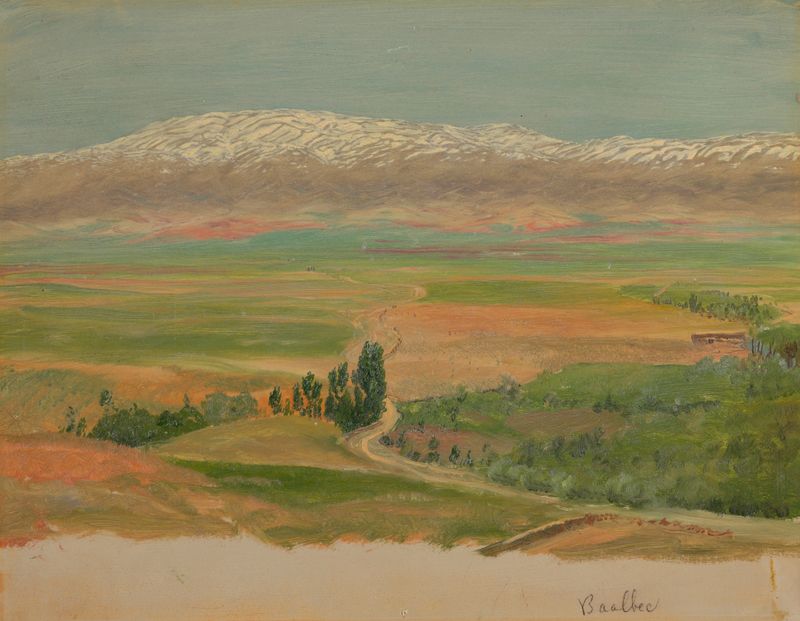
Mountains near Baalbec
Frederic Edwin Church
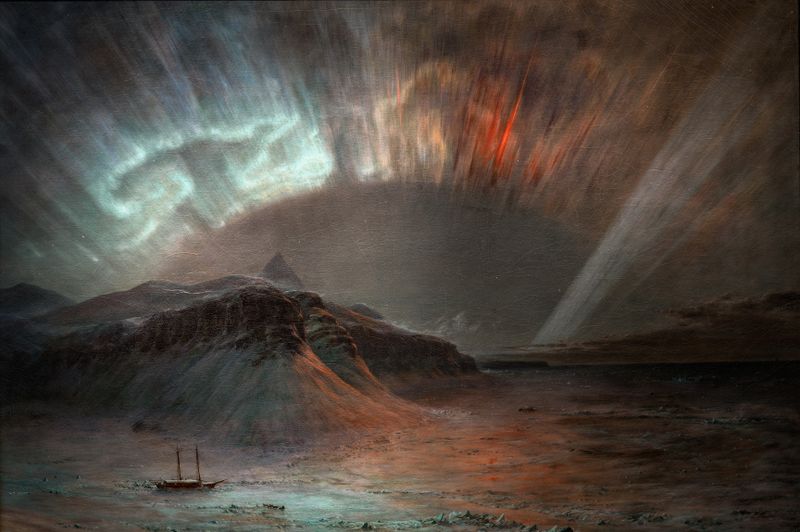
Aurora Borealis
Frederic Edwin Church
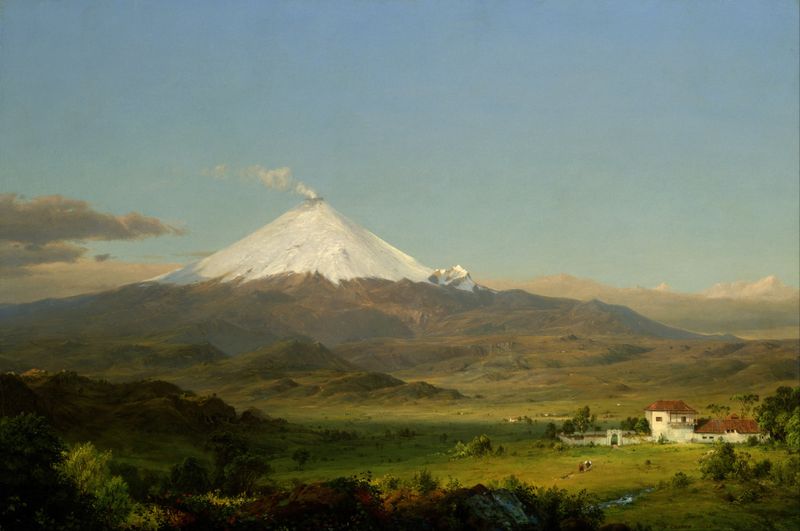
Cotopaxi
Frederic Edwin Church





