Mühle in Österreich — History & Analysis
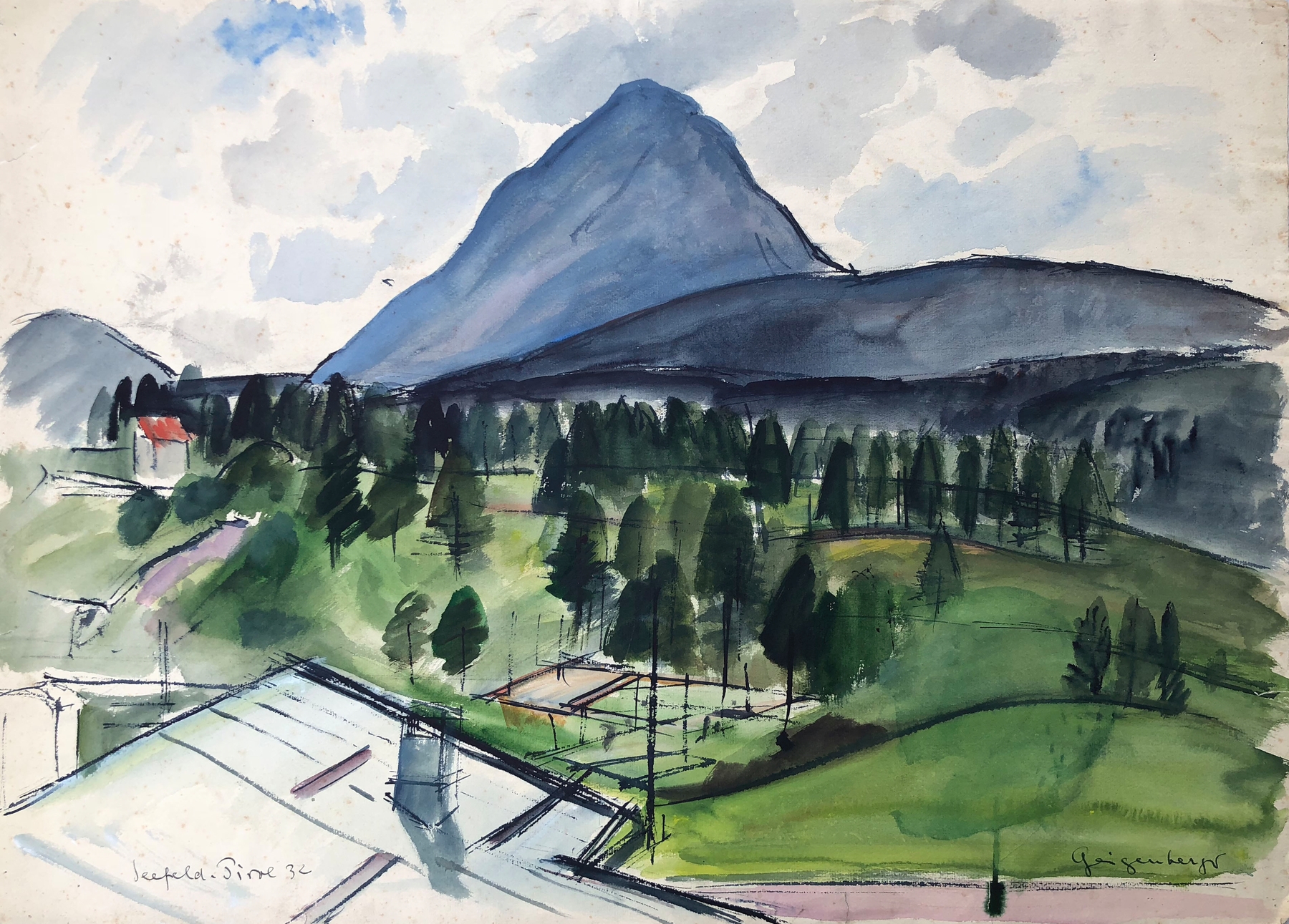
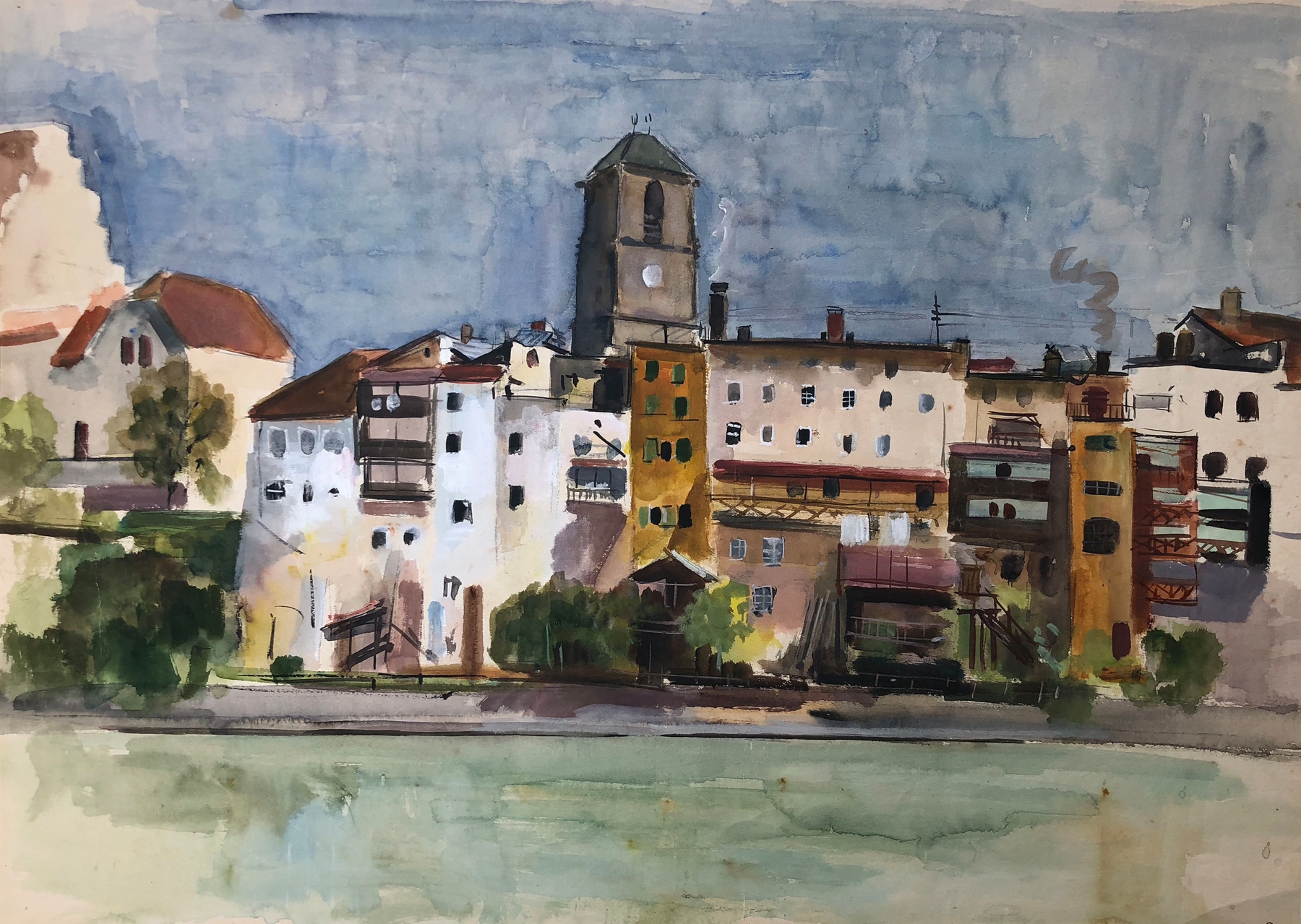
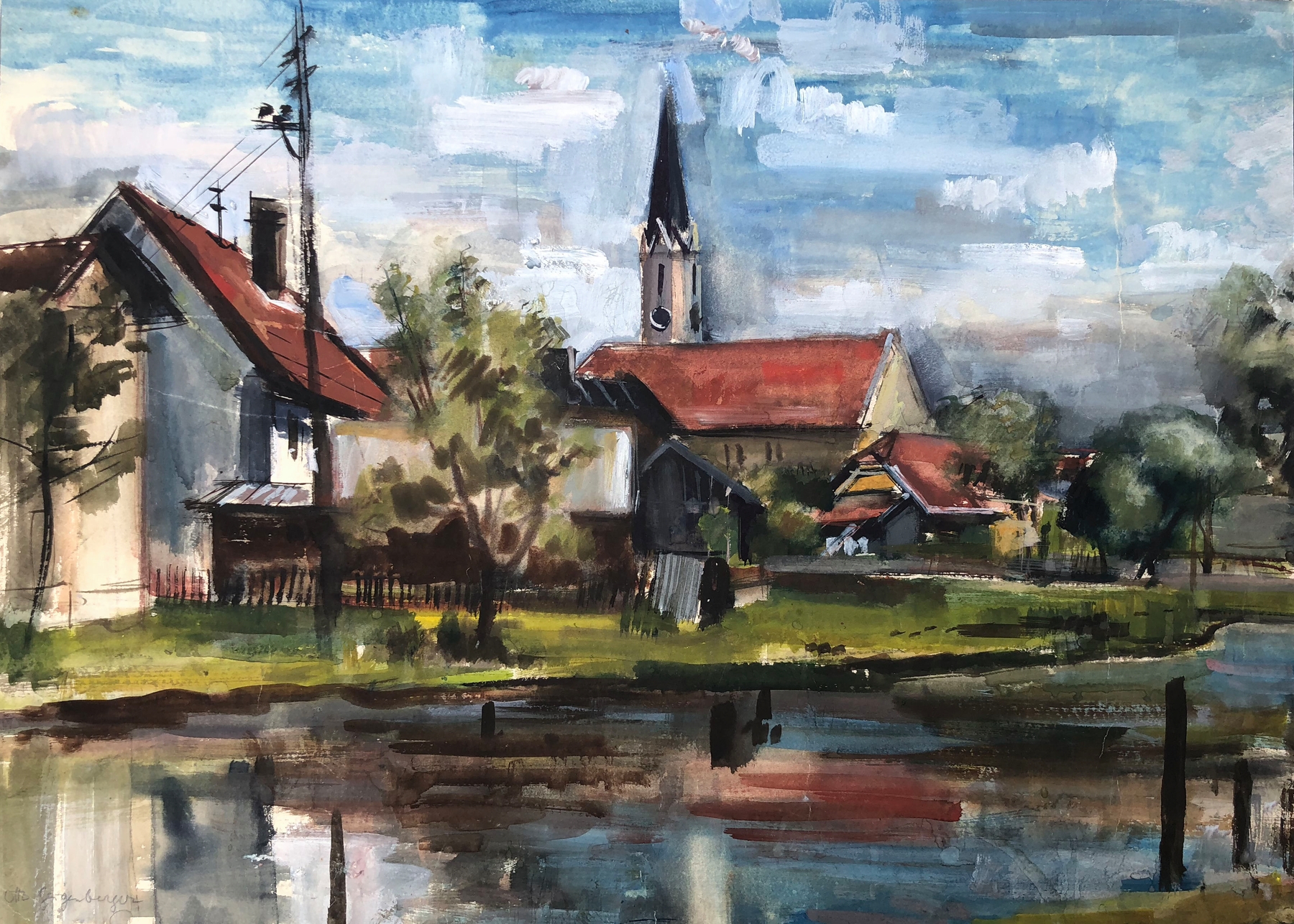
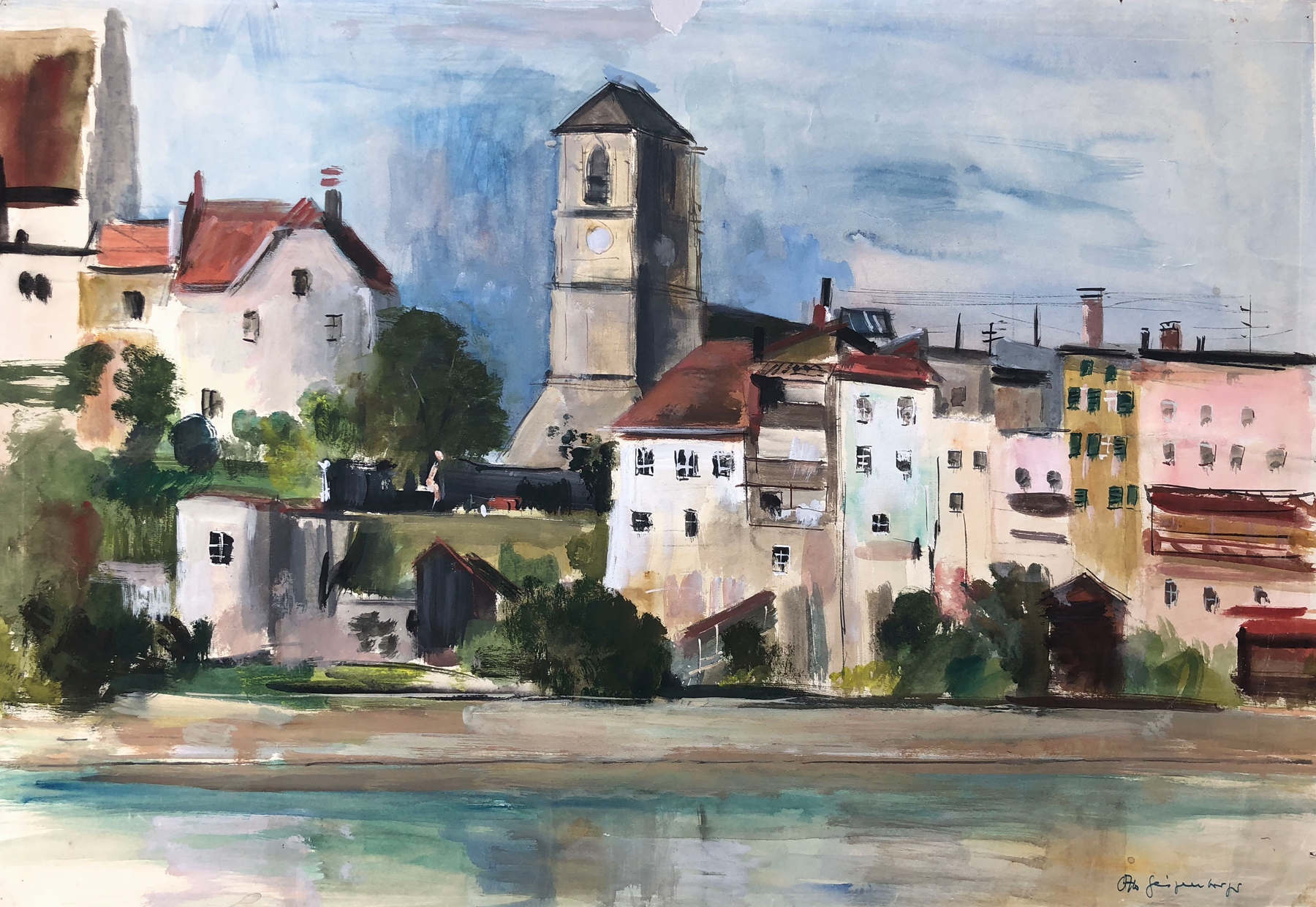
Could beauty survive in a century of chaos? In the haunting stillness of Mühle in Österreich, we find a serene moment frozen amid the turbulence of the early 20th century. The shadow of the past looms large yet is coupled with a striking tranquility, inviting contemplation of the fragile balance between light and darkness. Look to the left at the gentle curve of the mill's roof, an elegant structure that commands the scene. The muted palette of greens and browns grounds the viewer, while the soft interplay of light and shadow creates a sense of depth, imbuing the landscape with a whisper of nostalgia.
The brushwork is deft yet deliberate, giving life to the foliage that encircles the mill, suggesting both the vibrancy of nature and the passage of time. Beneath the surface, contrasts pulse through the composition. The mill, a symbol of industriousness and community, stands resilient against the encroaching shadows that threaten its existence. The interplay of light highlights the tension between the enduring and the ephemeral, evoking a sense of hope amidst uncertainty.
Each stroke captures not just the scene but an emotional narrative of survival, suggesting that even in darkness, beauty can persist. Otto Geigenberger created Mühle in Österreich in 1942 while living in war-torn Europe. Amidst the chaos of World War II, the artist sought refuge in the tranquil landscapes of his homeland. This work reflects his personal struggles and the broader socio-political landscape of the time, encapsulating a yearning for peace and a connection to the enduring spirit of nature amidst destruction.