
Midas Daughter turned to gold — History & Facts
In Midas Daughter turned to gold, Walter Crane uses a rich palette of golds and yellows to depict the transformation of Midas's daughter. The figures are elegantly rendered, with the daughter at the center, her expression a mix of surprise and despair. Surrounding her are lush, green elements that contrast with her golden form, emphasizing her tragic fate.
The setting appears mythical, with a dreamlike quality that invites viewers into the story. The painting is an oil on canvas, showcasing Crane's skill in blending colors and creating depth. The brushwork is fluid, allowing for a sense of movement in the figures and the surrounding environment. Viewers can appreciate the detailed textures, particularly in the golden elements that reflect light.
This attention to detail enhances the narrative aspect of the artwork. Walter Crane was a prominent figure in the Victorian art scene, known for his illustrations and decorative arts. This work reflects his interest in mythology and storytelling, common themes in his oeuvre. An interesting fact about this painting is that it captures a moment of transformation, a theme that resonates with many of Crane's other works.
The myth of King Midas serves as a powerful allegory for greed and its consequences.
More Artworks by Walter Crane

Oranges and Lemons
Walter Crane
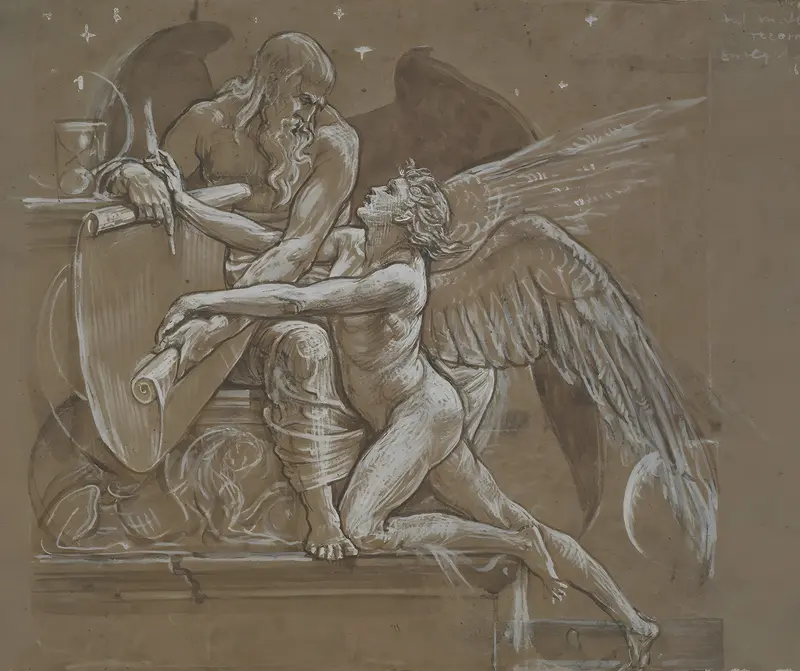
The Roll of Fate, England
Walter Crane
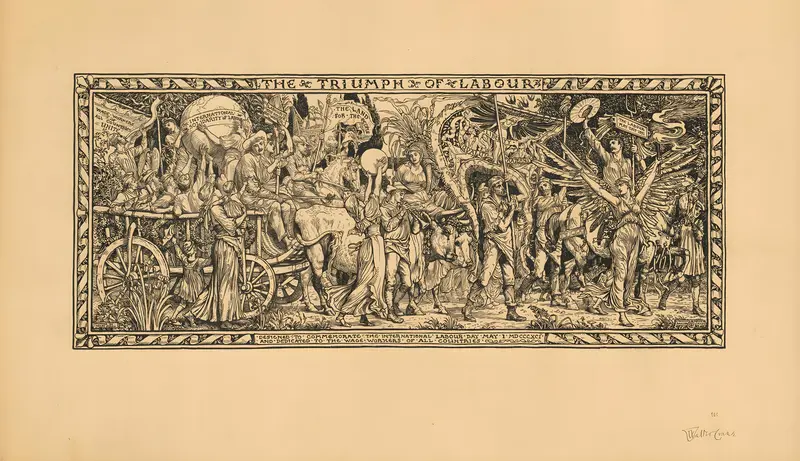
The Triumph of Labour. Designed to commemorate The International Labour Day
Walter Crane
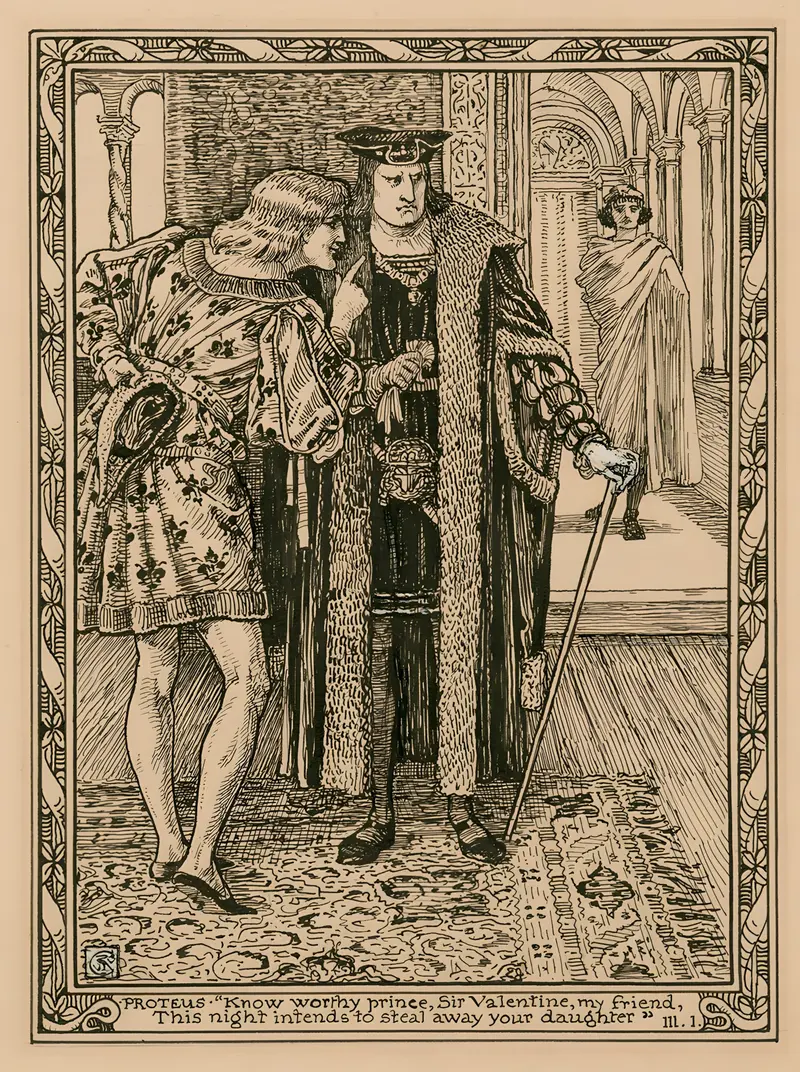
Proteus; ‘Know worthy prince, Sir Valentine, my friend, this night intends to steal away your daughter’, III, 1
Walter Crane
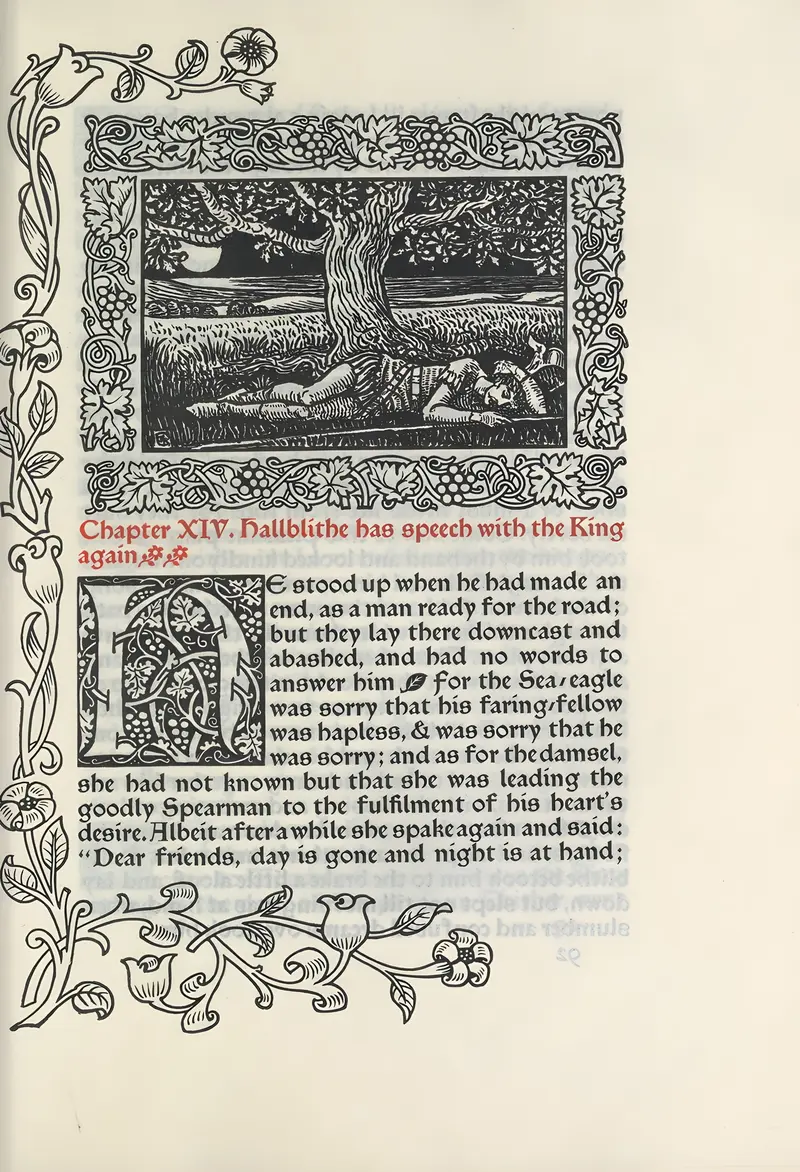
Chapter XIV. Hallblithe has speech with the King again
Walter Crane
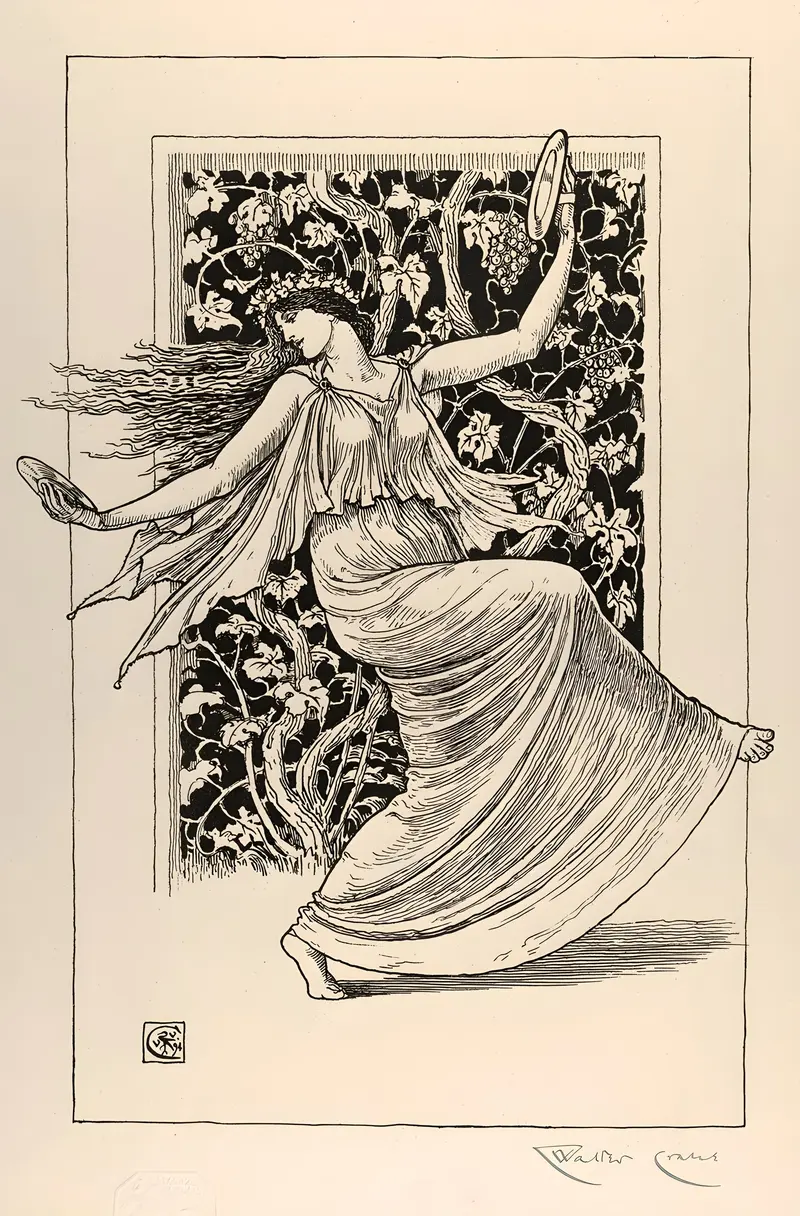
Dancing Nymph
Walter Crane
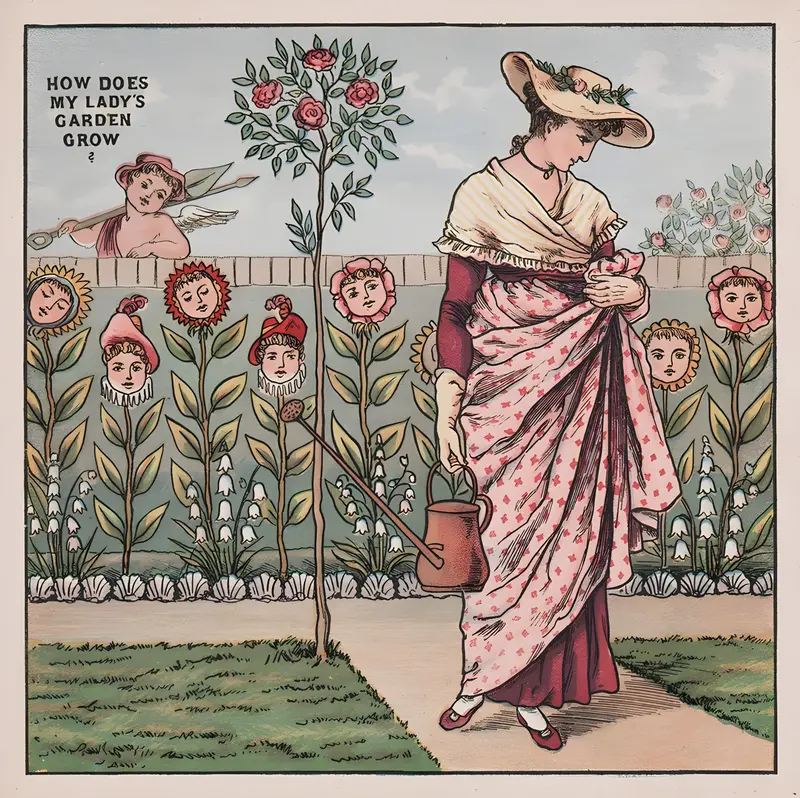
How does my lady’s garden grow
Walter Crane
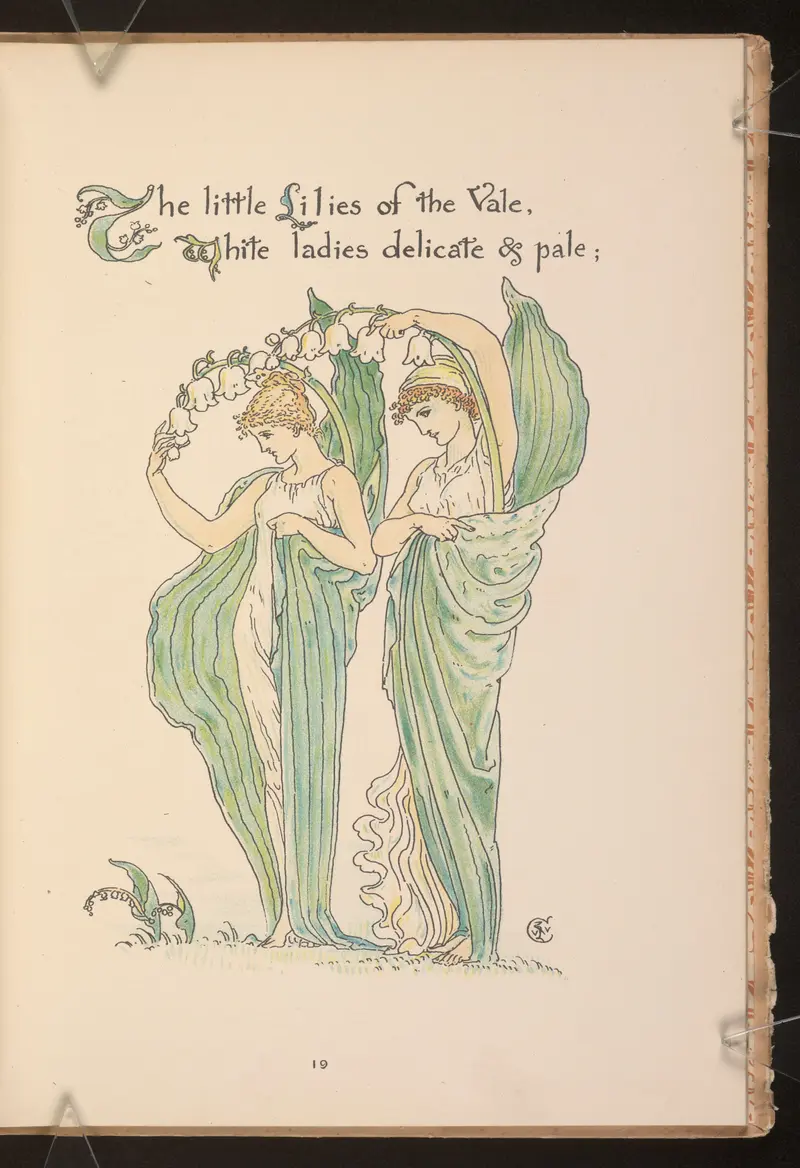
Flora’s feast; A masque of flowers Pl.19
Walter Crane
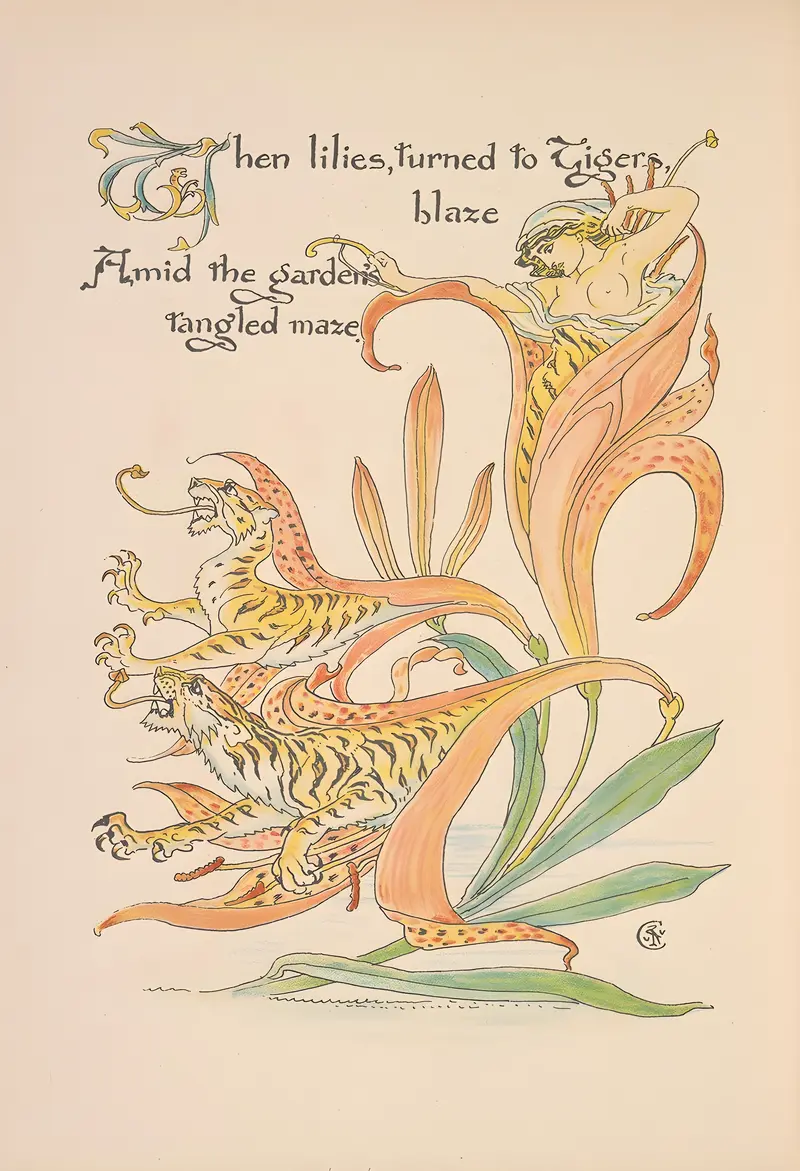
Flora’s feast; A masque of flowers Pl.34
Walter Crane
Flora’s feast; A masque of flowers Pl.29
Walter Crane





