
Middle Eastern Landscape — History & Facts
In this dance of color and form, beauty is both ephemeral and eternal, captured in strokes that echo the heart’s longing for serenity. Look to the horizon where soft, rolling hills meet an expansive sky, a seamless blend of warm ochres and cool blues. The variation in brushwork leads your eye over valleys dotted with wildflowers and the gentle outlines of distant mountains. Each layer of paint embodies the artist's touch, a tactile memory of a place both real and imagined, inviting you into an idyllic stillness that seems almost sacred. Within this landscape lies a poignant tension between the vibrant life of nature and the silent solitude of its vastness.
The lushness of the foreground draws you in, yet the unfilled space beyond evokes a sense of longing, a whisper of the unknown that lies beyond the visible. Here, the beautiful contrasts of light and shadow suggest not just the passing of day but the passage of time itself, compelling viewers to contemplate the fleeting nature of beauty. During this period, Lear was traveling across the Middle East, absorbing its landscapes and culture. His experiences infused his work with a sense of wonder, reflecting a growing fascination with the exotic and the sublime.
Art at this time was transitioning towards a deeper emotional resonance, and Lear's landscapes, while often whimsical, spoke to the deeper truths of beauty and transience that echoed in the hearts of many.
More Artworks by Edward Lear
Browse all →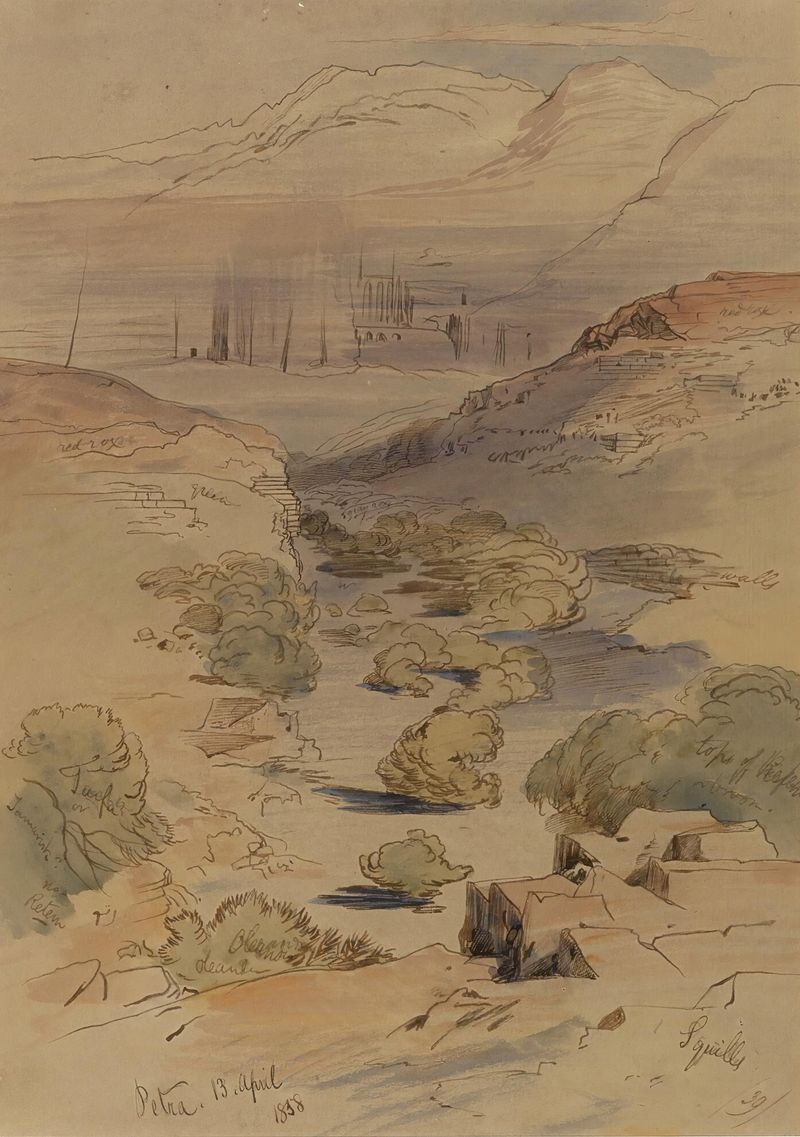
Petra
Edward Lear
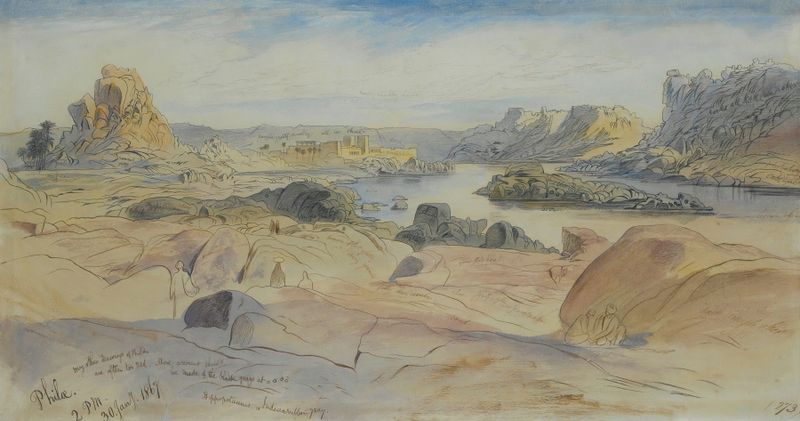
Philae, Egypt
Edward Lear
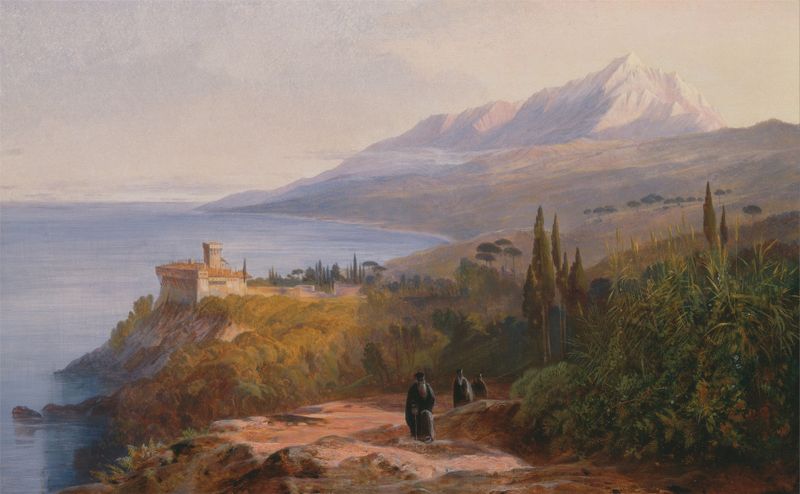
Mount Athos and the Monastery of Stavronikétes
Edward Lear
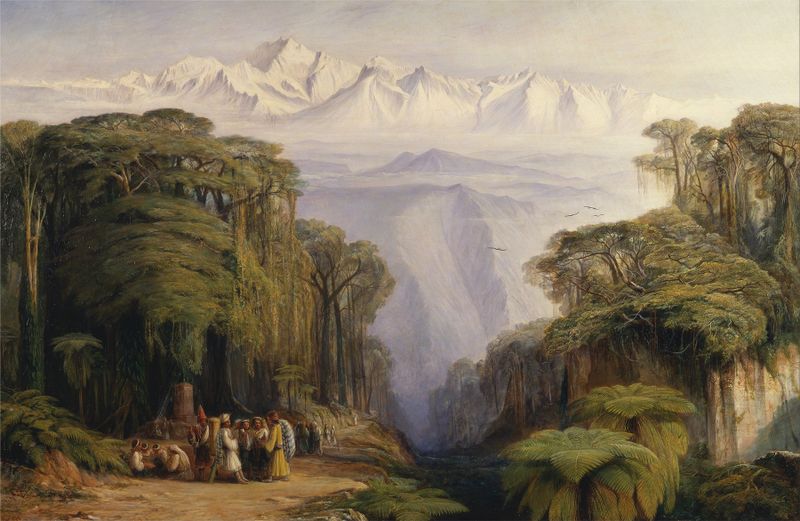
Kangchenjunga from Darjeeling
Edward Lear
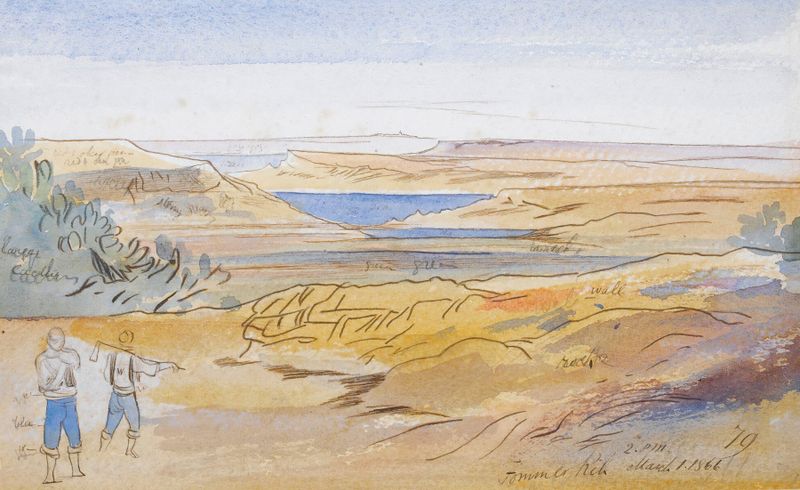
Fomm Ir-Rih, Malta
Edward Lear
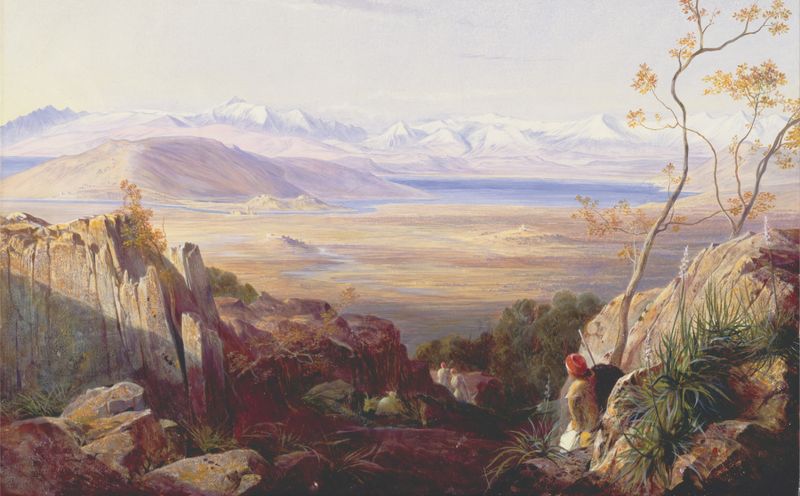
Butrinto, Albania
Edward Lear
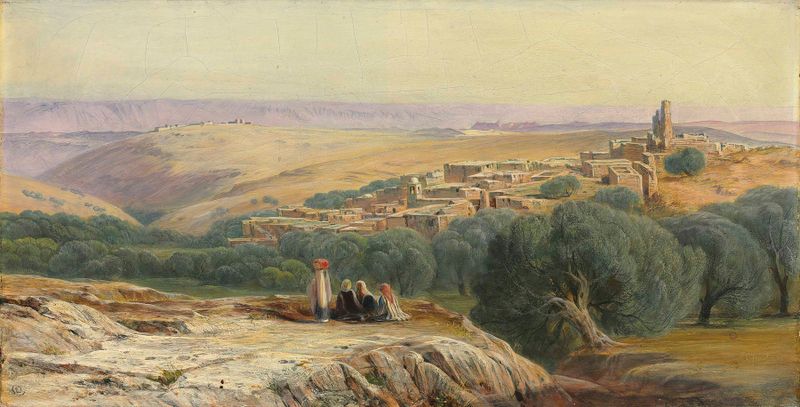
The Plains of Bethany
Edward Lear

Karnak, 9-30 pm, 22 January 1867
Edward Lear
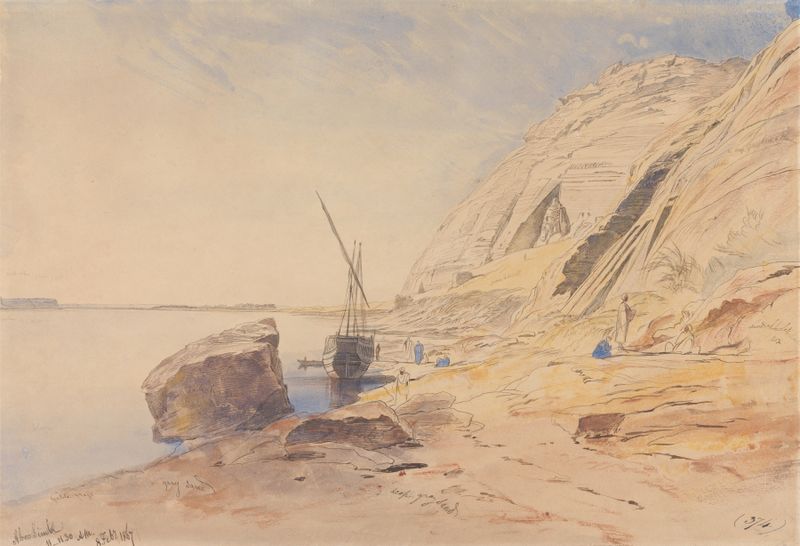
Abu Simbel, 11-11;30 am, 8 February 1867 (374)
Edward Lear

A View Of Mount Athos And The Pantokrator Monastery, Greece
Edward Lear





