
Mill at the river on a moonlit night — History & Facts
Who listens when art speaks of silence? In Mill at the River on a Moonlit Night, the canvas invites us to ponder the quiet truths hidden beneath its tranquil exterior. Look to the left at the gentle curve of the river, where moonlight shimmers like spilled silver. The mill stands guard beside the water, a silhouette against the night, with warm hues of ochre and deep indigo enveloping it. Stanisławski’s brushwork captures the stillness of the environment, tracing delicate reflections that dance across the surface, drawing the viewer's eye toward the almost ethereal harmony of light and shadow.
Notice how the trees frame the scene, their dark forms contrasting with the luminous moon, creating a sense of both peace and longing. Within this serene composition, contrasting elements resonate deeply. The stillness of the water and the stoic mill suggest permanence, yet the moon's light instigates a fleeting moment, reminding us of the transient nature of existence. There’s an emotional dichotomy at play: tranquility coupled with the weight of solitude, as if the landscape is whispering secrets to those who dare to listen.
The scene holds a quiet yet powerful reverence for the night, evoking feelings of introspection and connection to nature’s essence. In 1883, Stanisławski painted this piece during a period of burgeoning nationalistic sentiment in Poland, as he sought to express his identity through art. Living in a time of shifting artistic movements, he embraced impressionistic techniques that allowed him to convey deep emotional truths linked to the natural world. This work stands as a testament to his exploration of light and shadow, capturing the beauty of the Polish landscape while resonating with broader themes of solitude and reflection.
More Artworks by Jan Stanisławski
Browse all →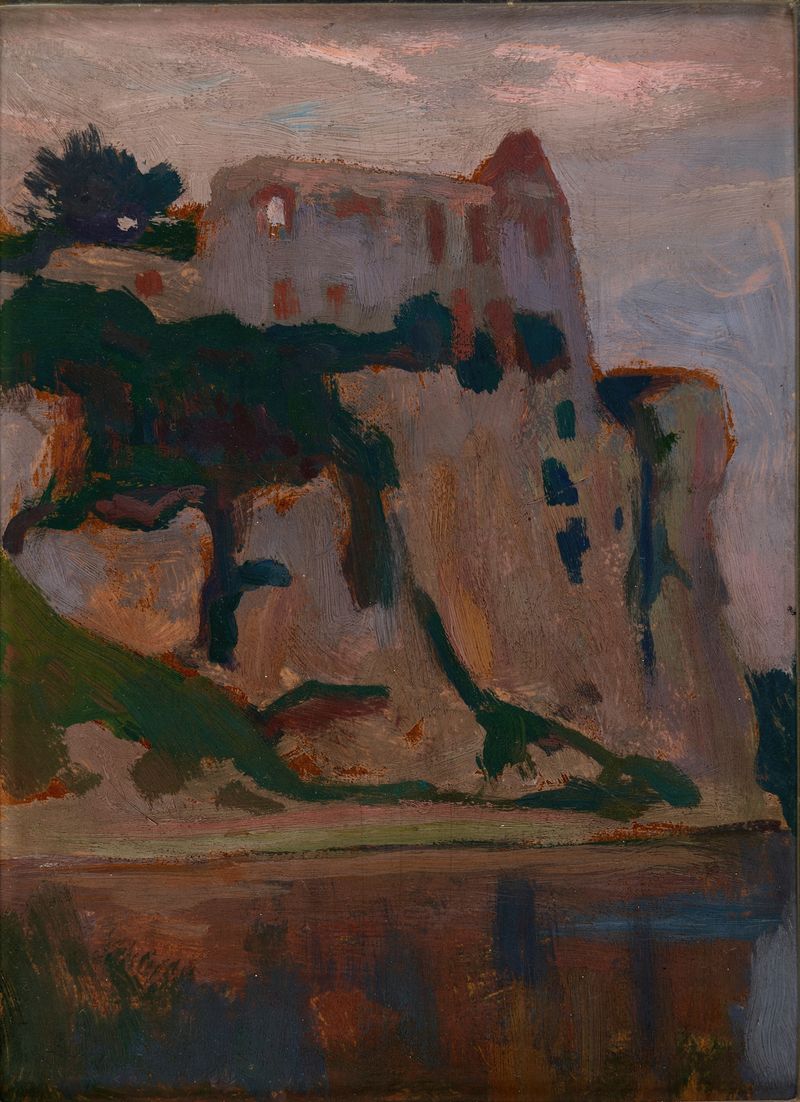
Tyniec at Dawn
Jan Stanisławski
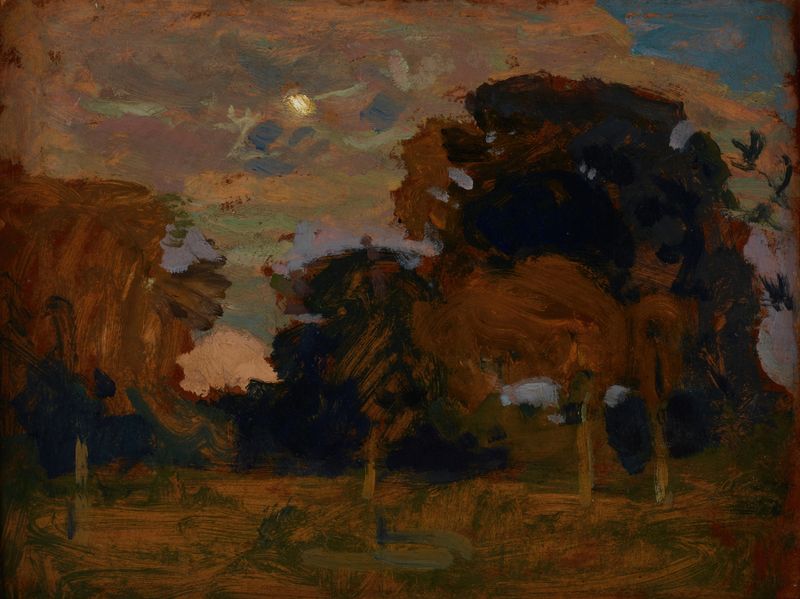
Moon in the Clouds
Jan Stanisławski
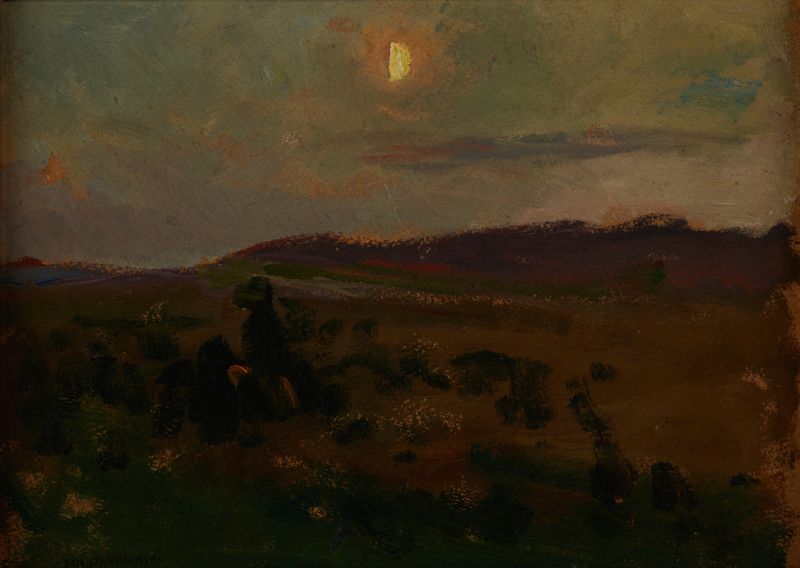
Moonrise
Jan Stanisławski
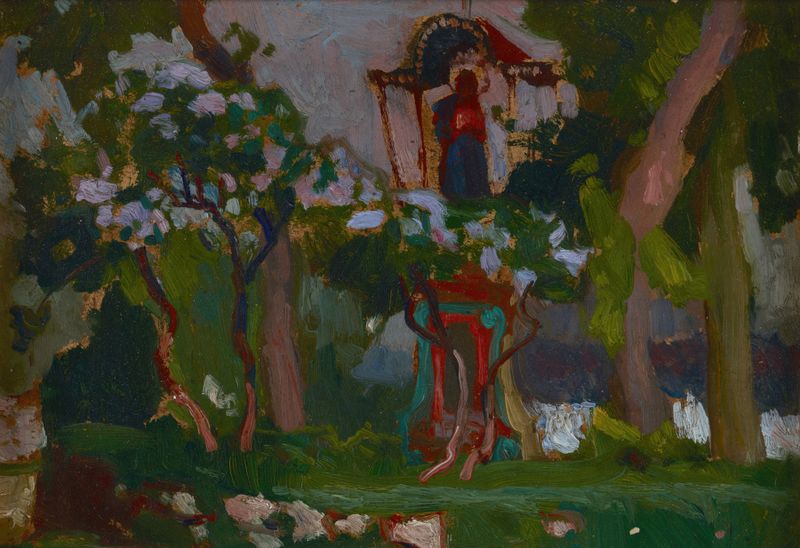
May
Jan Stanisławski
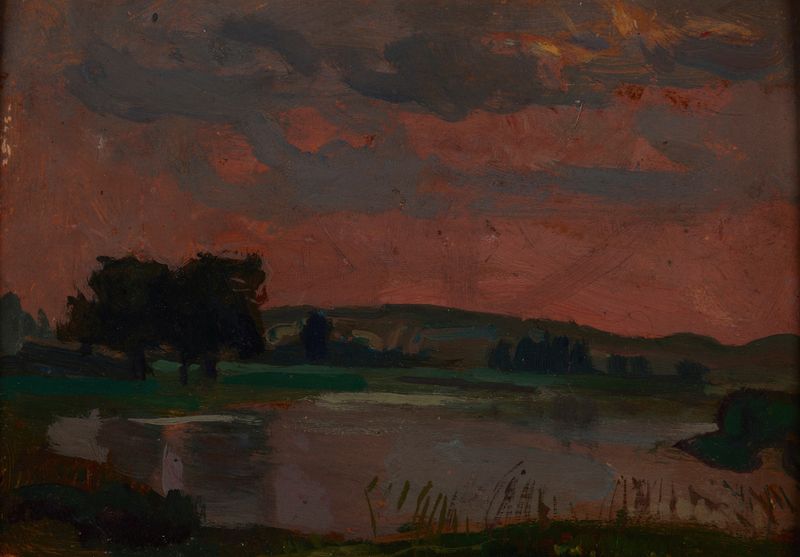
The Vistula in the Twilight
Jan Stanisławski
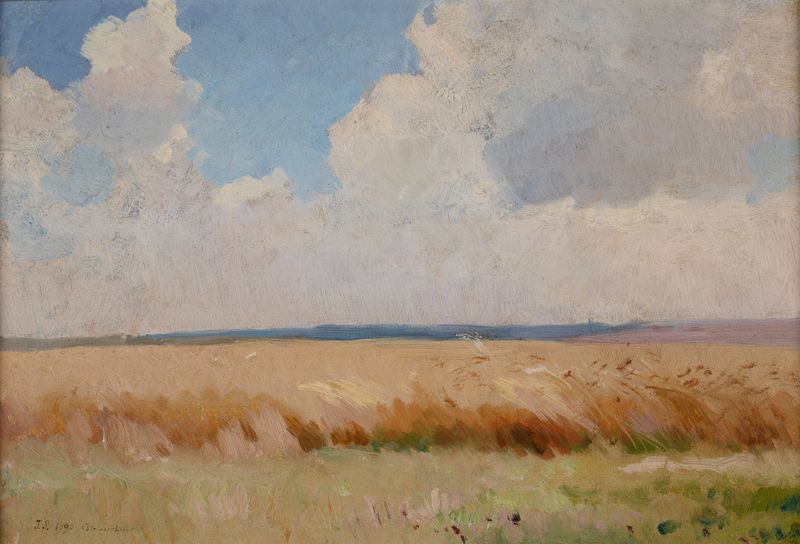
Field at Białocerkiew (Bila Tserkva)
Jan Stanisławski
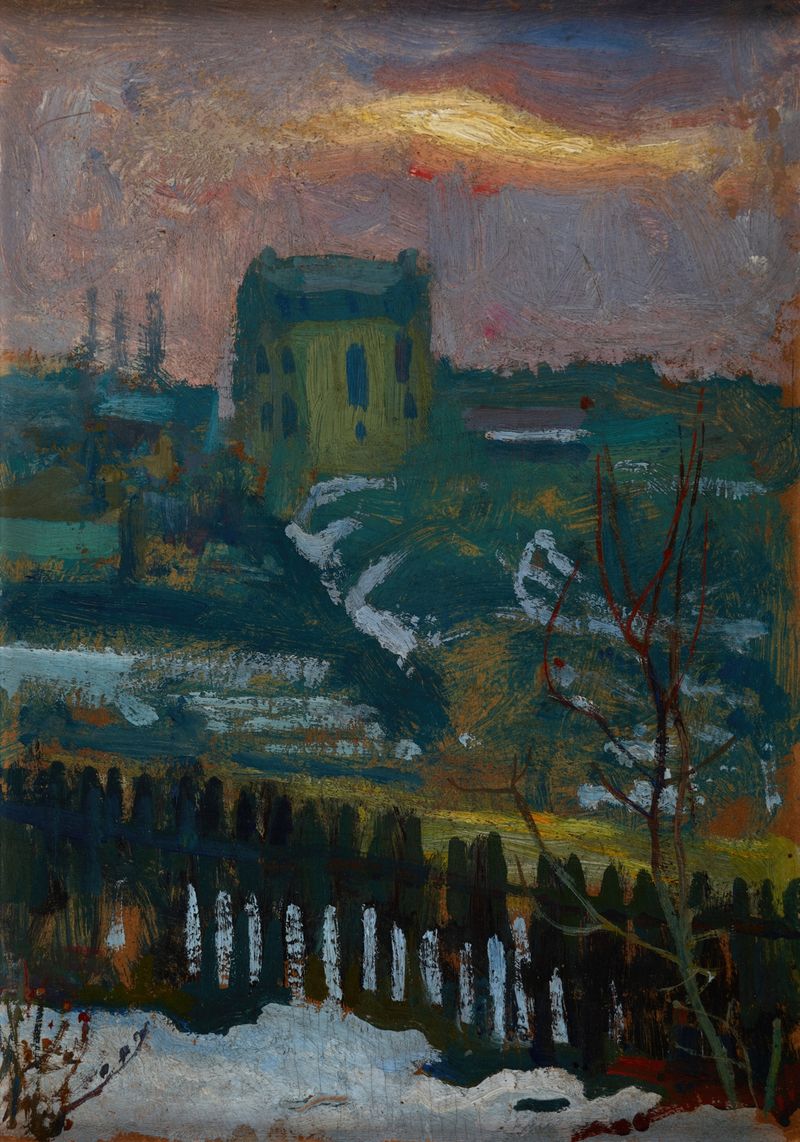
House in Winter
Jan Stanisławski
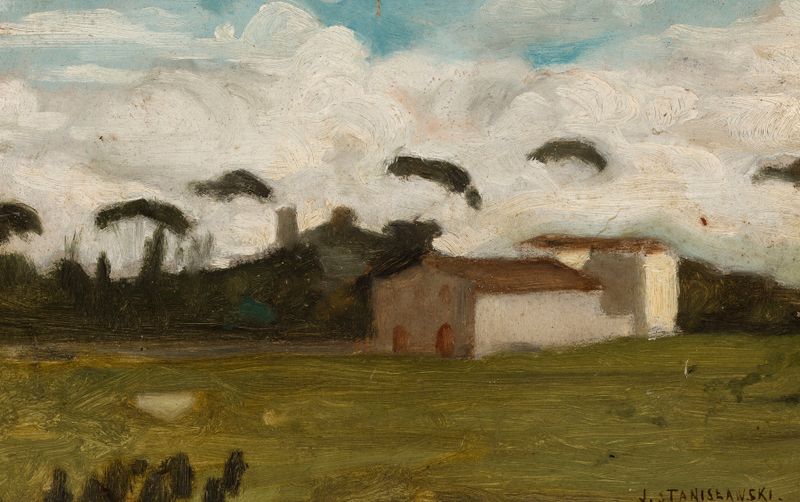
Landscape
Jan Stanisławski
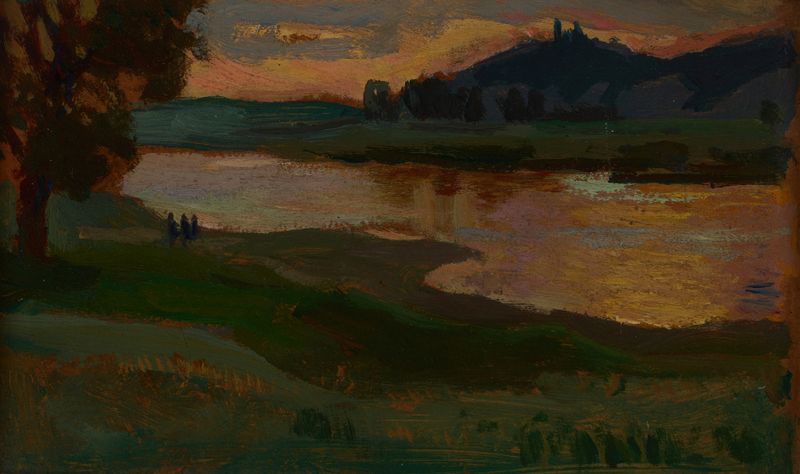
Bielany at Dusk
Jan Stanisławski
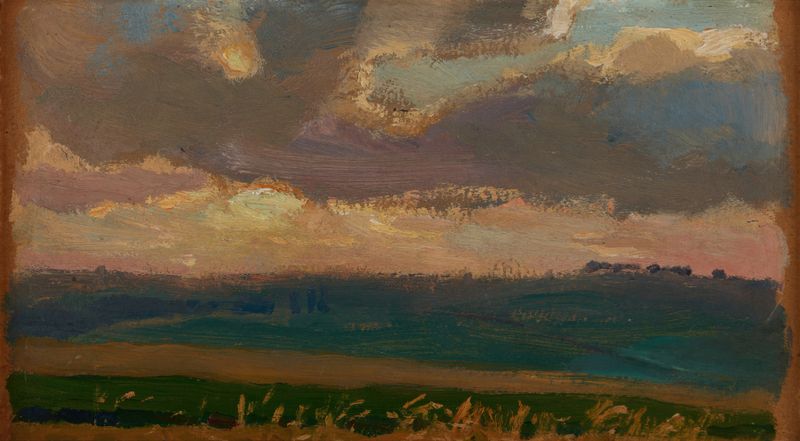
Fields at Proszowice
Jan Stanisławski





