
Mill of Pont Maupuit — History & Facts
A rush of water draws the eye first—white and insistent, tumbling over rocks, pulling the viewer into the very heart of the scene. The mill sits half-shrouded in trees, its wheel just visible, a reminder of human presence quietly harnessing the energy of the stream. The brushwork is energetic and textured, especially where the water meets stone, suggesting both movement and the cool, restless air of a riverside.
Trees rise in a loose, almost calligraphic cluster, their trunks and branches dividing the composition and leading the gaze up toward the pale sky. The palette, even in monochrome, hints at the Impressionist love for capturing the fleeting effects of light and season—nothing here is static, not even the shadows. Painted in 1900 by Armand Guillaumin, Mill of Pont Maupuit belongs to a moment when landscape painting was undergoing a quiet revolution. The Impressionists, of whom Guillaumin was a committed member, sought to capture nature not as a backdrop for grand narratives, but as a living subject in its own right.
Such works were rarely commissioned; they were painted en plein air, often for the artist’s own satisfaction or for the growing market of middle-class collectors eager for scenes of rural France. Today, this piece resides in the collection of the Art Institute of Chicago, a testament to how these once-radical visions of the countryside have become cherished records of a world on the cusp of modernity. Look again at the restless water and the mill’s silent wheel—here is a conversation between nature and industry, painted at the dawn of a new century.
More Artworks by Armand Guillaumin

La Seine À Charenton
Armand Guillaumin
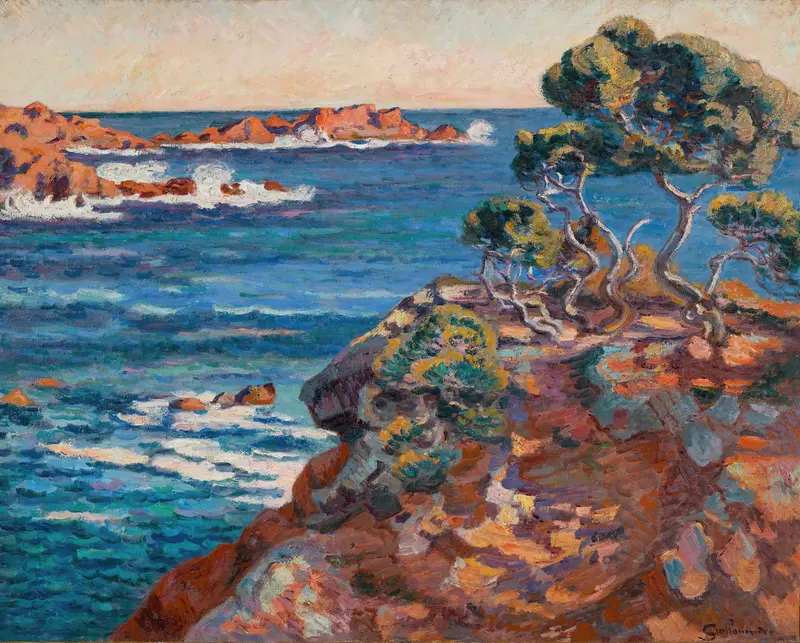
Bord De Mer À Agay
Armand Guillaumin
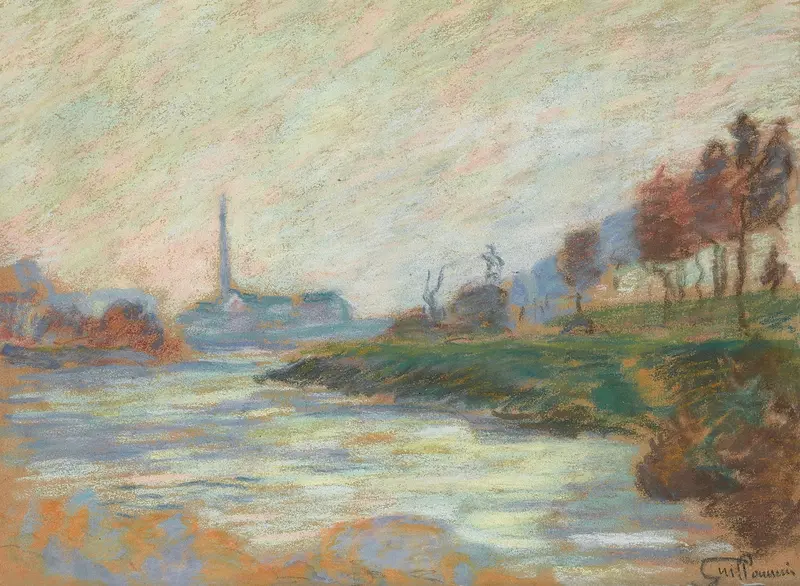
Confluent De La Marne Et De La Seine, Île De La France
Armand Guillaumin
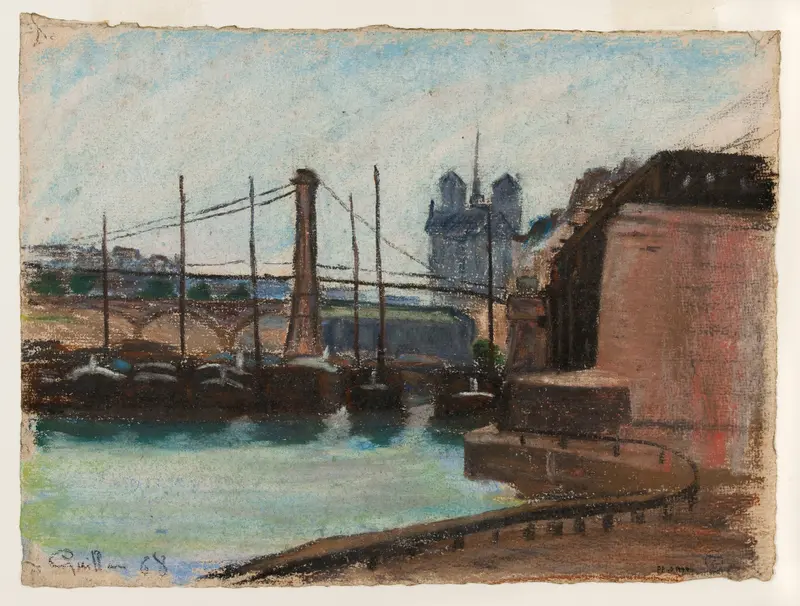
Le Pont d’Austerlitz
Armand Guillaumin
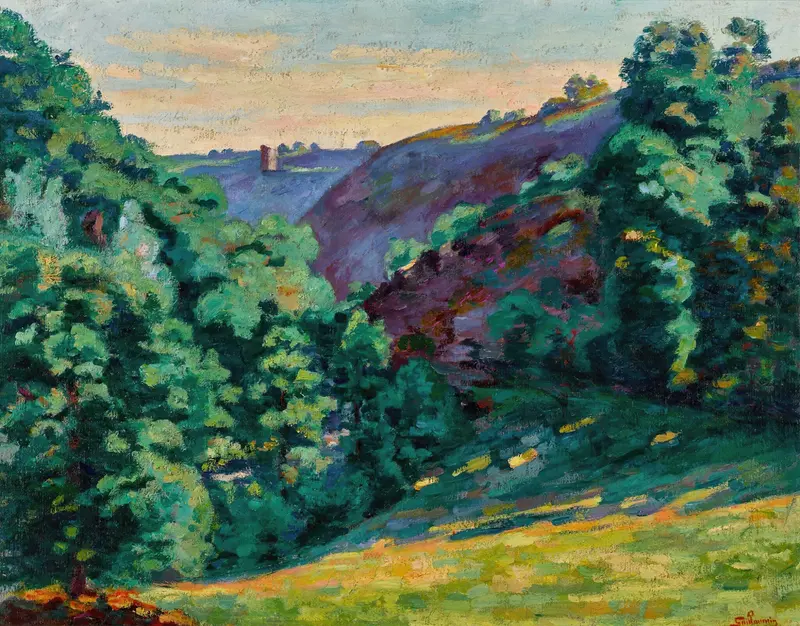
Le Ravin de la folie, vue de Chateau Crozant
Armand Guillaumin
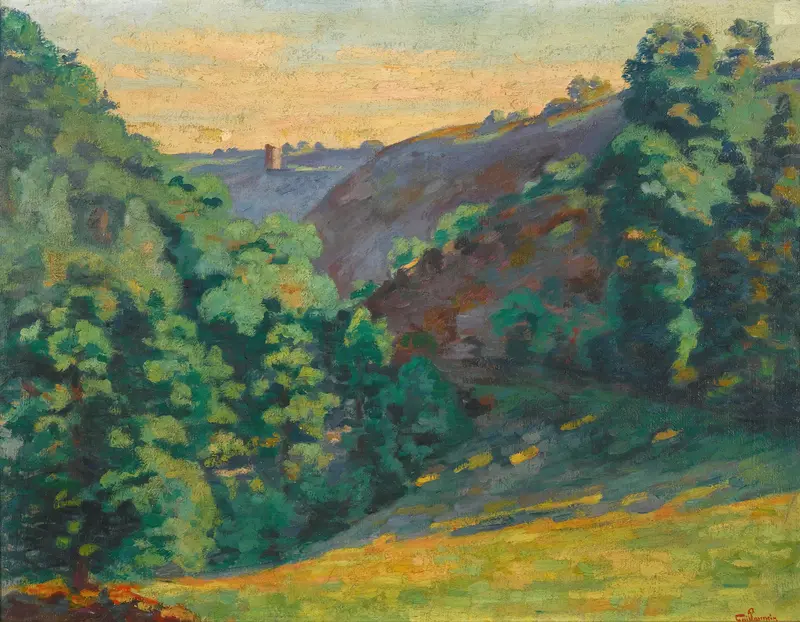
Crozant, Le Ravin De La Sedelle À La Folie
Armand Guillaumin
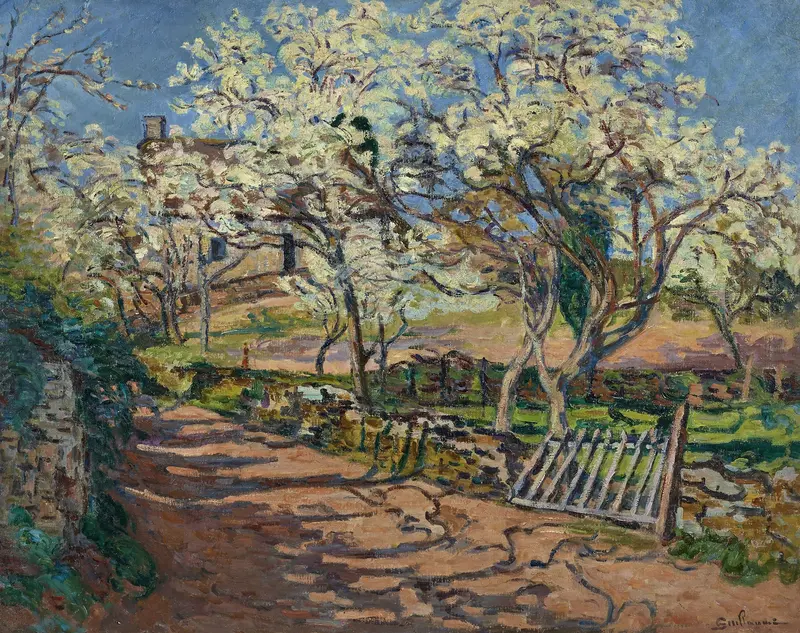
Paysage de Printemps
Armand Guillaumin
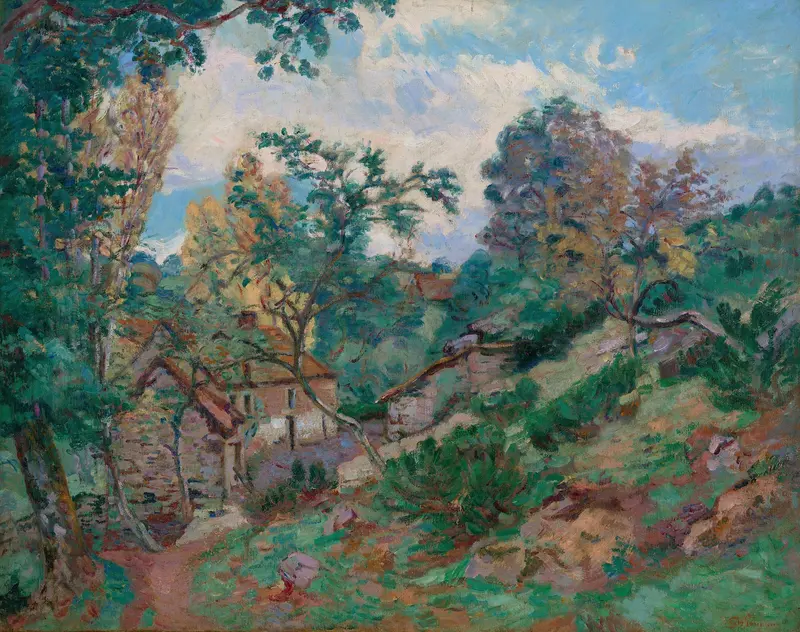
Paysage
Armand Guillaumin
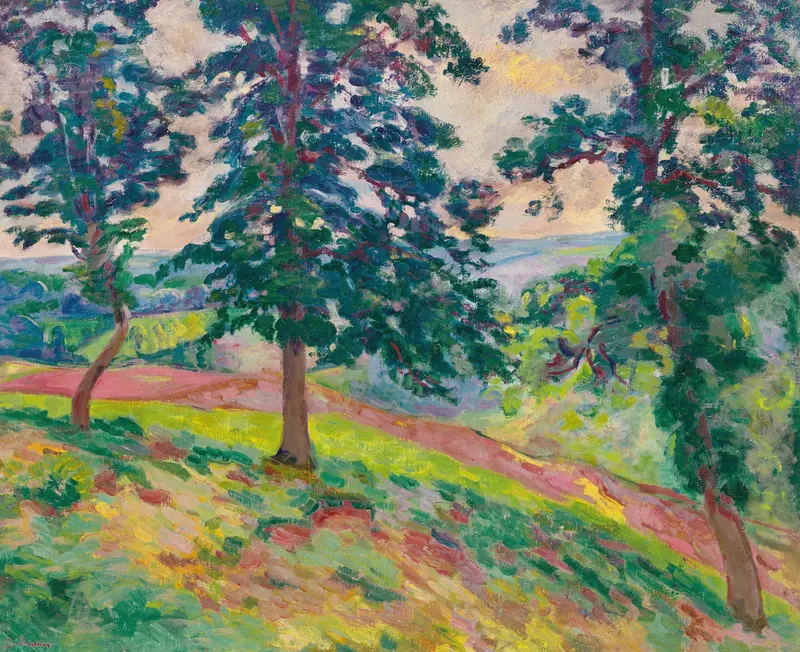
La vallée de la creuse
Armand Guillaumin
Le chemin de halage à Charenton, Ile de France
Armand Guillaumin
More Landscape Art

The Starry Night
Vincent van Gogh

View of Delft
Johannes Vermeer

Water Lilies
Claude Monet

The Grand Canal, Venice, looking north-west from the Ca' Corner to the Ca' Contarini degli Scrigni, with the campanile of Santa Maria della Carità
Canaletto

Windsor Castle
Canaletto

The Grand Canal looking North-East from the Palazzo Dolfin-Manin to the Rialto Bridge
Canaletto