
Millbank — History & Facts
The notion of melancholy is a silent companion to the eyes that gaze upon this work, whispering stories of lost moments and tender farewells. Look to the center of the canvas where the flowing river draws your attention, its muted blues and grays a serene contrast to the surrounding industrial landscape. The delicate brushstrokes create a soft texture, as if the water itself breathes languidly. Notice how the light glimmers on the surface, inviting contemplation while hinting at deeper currents of emotion beneath.
The composition is framed by shadowy silhouettes of buildings and trees, their outlines blending seamlessly into the atmosphere, evoking a sense of both familiarity and estrangement. Hidden within this tranquil scene lies a tension between nature and the encroaching man-made world. The delicate interplay of light and shadow not only reflects the fleeting nature of beauty but also the somber reality of urbanization as a backdrop to human experience. The presence of dimly lit structures suggests a past filled with both promise and loss—an echoing reminder of the passage of time and the weight of memories tied to the landscape.
Every brushstroke speaks of longing and introspection, inviting the viewer to grapple with their own sense of melancholy. In 1861, the artist created this piece in London, a time marked by rapid industrial expansion and a burgeoning art scene. Whistler was navigating his early career, seeking to establish his unique voice amidst the influences of the Romantic and Impressionist movements. As the world around him transformed, he captured the essence of change and the ephemeral quality of emotion, weaving a narrative that resonates beyond his time.
More Artworks by James Abbott McNeill Whistler
Browse all →
Nocturne in Blue and Silver
James Abbott McNeill Whistler
Nocturne: Blue and Gold–Southampton Water
James Abbott McNeill Whistler
Nocturne
James Abbott McNeill Whistler
Nocturne in Blue and Silver
James Abbott McNeill Whistler
Nocturne in Blue and Silver- The Lagoon, Venice
James Abbott McNeill Whistler
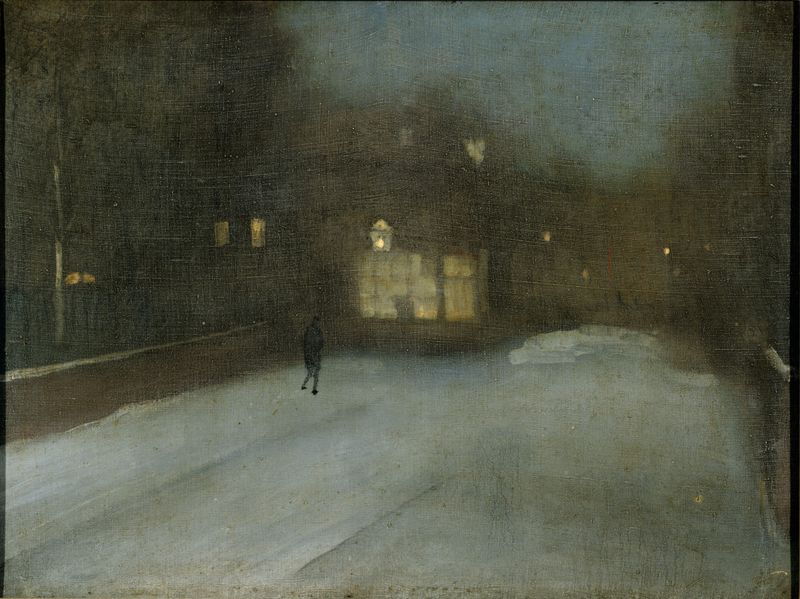
Nocturne in Grey and Gold: Chelsea Snow
James Abbott McNeill Whistler
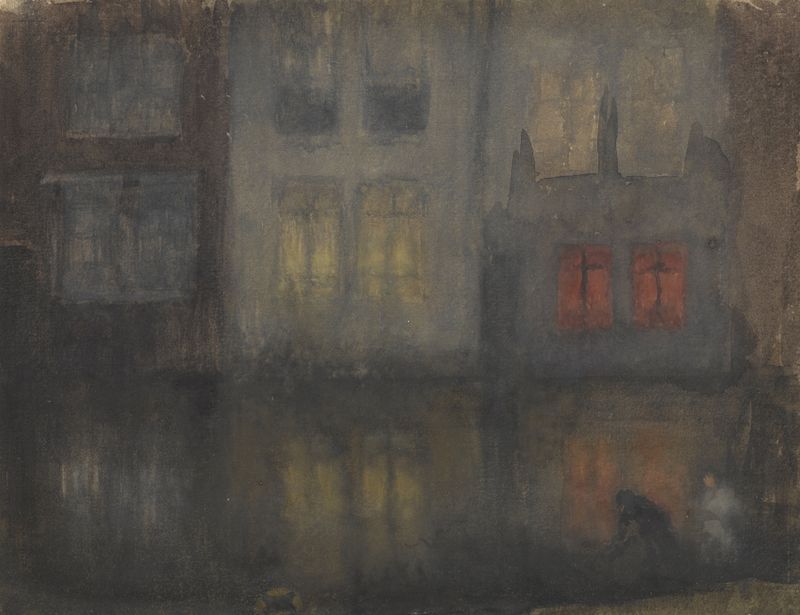
Nocturne: Black and Red—Back Canal, Holland
James Abbott McNeill Whistler
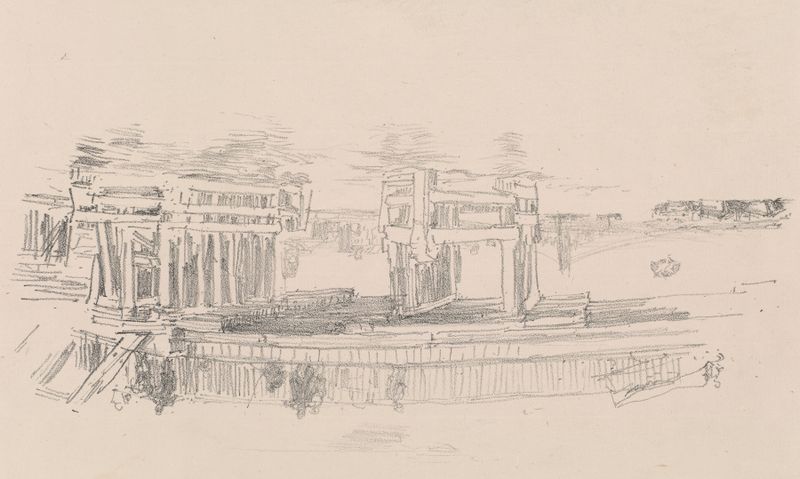
Old Battersea Bridge
James Abbott McNeill Whistler

Nocturne: Blue and Silver–Battersea Reach
James Abbott McNeill Whistler
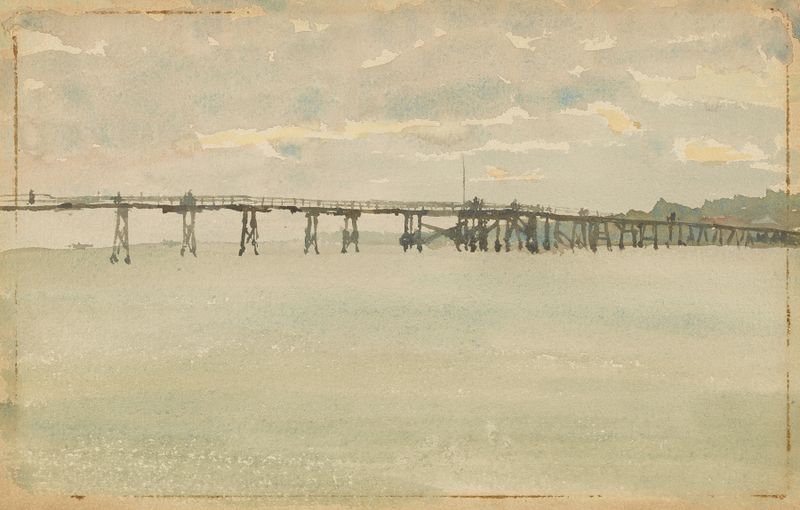
Grey and Silver–Pier, Southend
James Abbott McNeill Whistler





