
Mills in the evening — History & Facts
A hush falls over the scene as the last light of day glances off the sails of the windmills, drawing the eye to their silent guardianship over the village. The drama here is not in grand gestures but in the slow choreography of daily life winding down: two figures stroll a rutted path, their shadows stretching toward the viewer, while a small group gathers around a fire, their faces turned to its glow. The clouds above, heavy and restless, seem to press the land down, yet the open sky promises a world beyond the clustered rooftops and fences.
Every element is placed with care—notice how the diagonal of the path leads you from the quiet houses to the looming mills, then out into the open fields beyond. The palette is earthbound, with ochres and browns anchoring the scene, but the true subject is the play of dusk itself, settling over a working village. Painted between 1645 and 1650, Mills in the evening by Aert van der Neer belongs to the flourishing tradition of Dutch landscape painting, a genre that found poetry in the everyday and the local. In the Dutch Republic, such works were prized by a new class of urban collectors, eager to see their world reflected with both realism and a touch of lyricism.
Windmills were not only symbols of industry and ingenuity but also of communal life—here, their presence is both practical and monumental. While history has kept few traces of this specific painting’s journey, it now resides in a Dutch collection, a quiet testament to the era’s fascination with light, labor, and the land. Look again, and let your eye wander the winding road, imagining the stories that begin as evening falls.
More Artworks by Aert van der Neer

A Moonlit River Landscape With Figures Standing By A Gate, A Village Beyond
Aert van der Neer
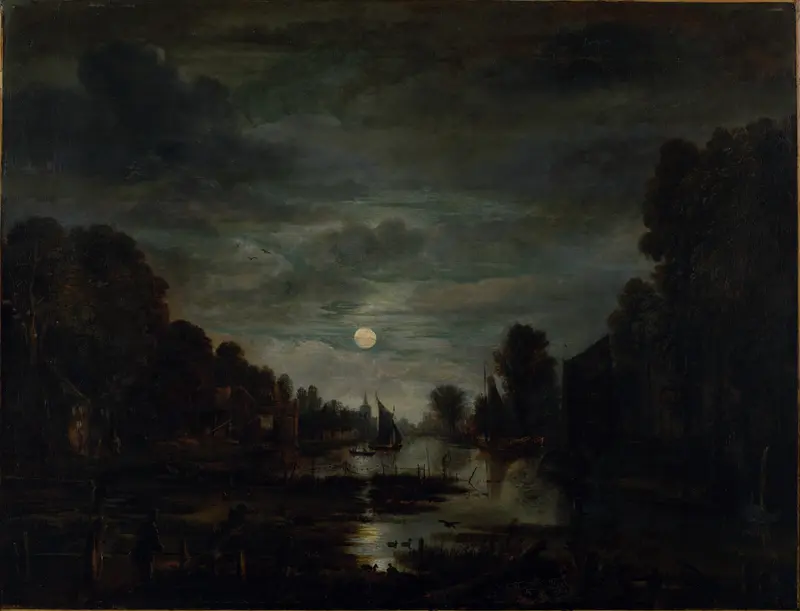
River Landscape in Moonlight
Aert van der Neer
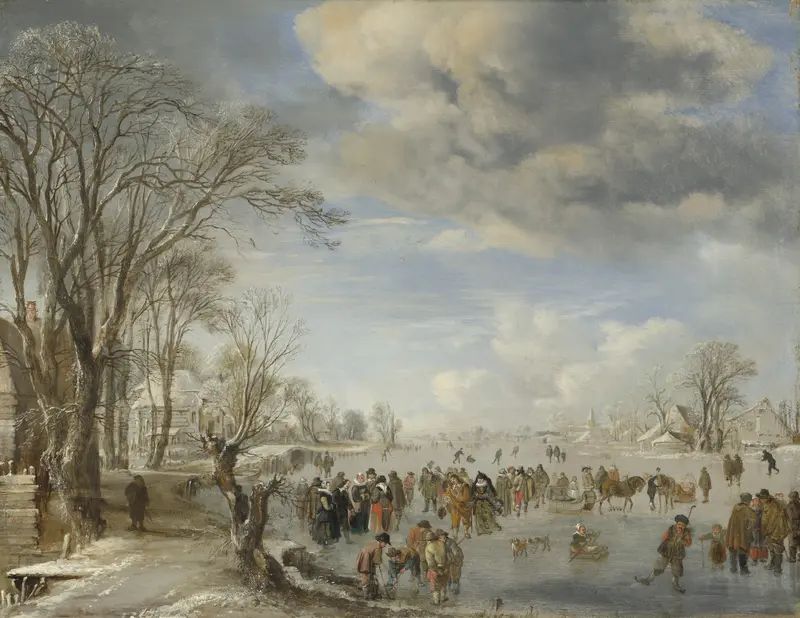
Winter in Holland – Skating Scene
Aert van der Neer

River Landscape
Aert van der Neer
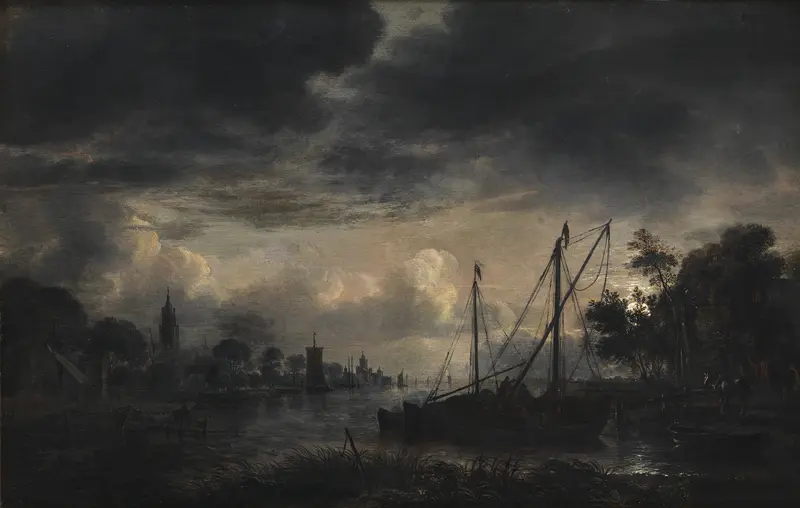
River Landscape in Moonlight
Aert van der Neer
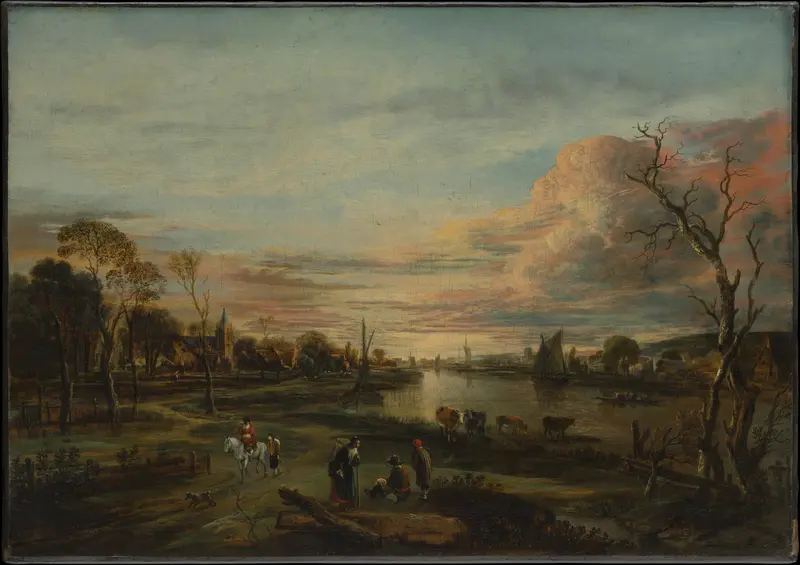
Landscape at Sunset
Aert van der Neer
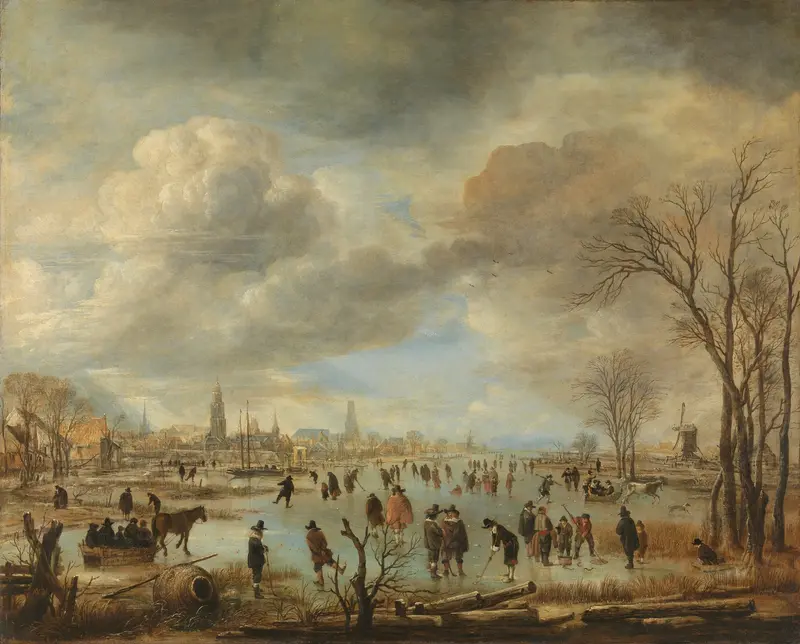
Winter Landscape near a Town with Kolf Players and Horse-Drawn Sleighs
Aert van der Neer

Winter Landscape with Skaters on a Frozen River
Aert van der Neer
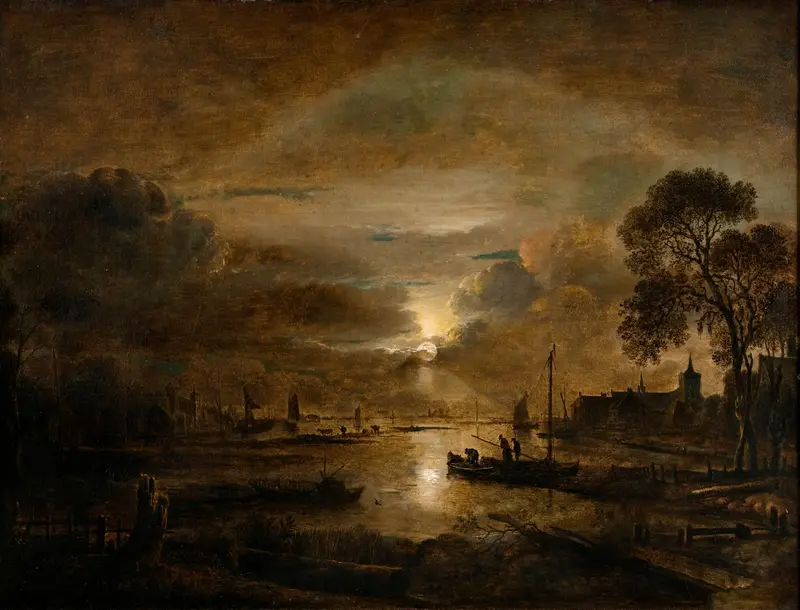
Moonlight at a Dutch River
Aert van der Neer
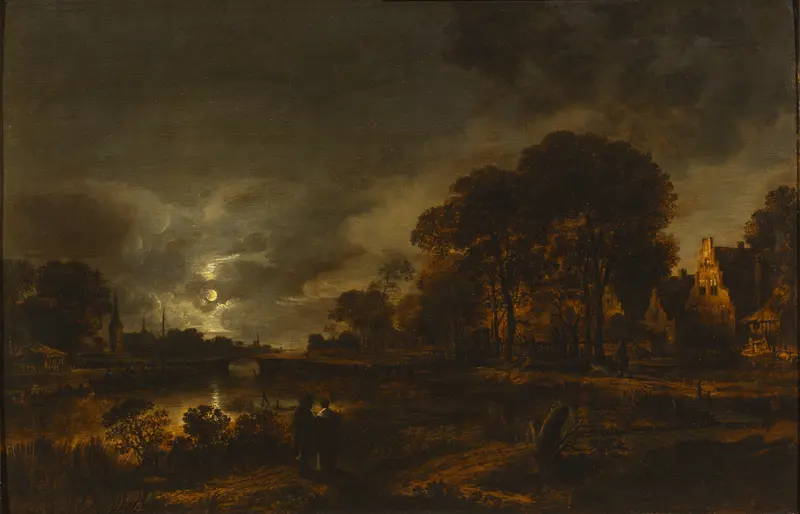
Moonlight Landscape
Aert van der Neer
More Landscape Art

The Starry Night
Vincent van Gogh

View of Delft
Johannes Vermeer

Water Lilies
Claude Monet

The Grand Canal, Venice, looking north-west from the Ca' Corner to the Ca' Contarini degli Scrigni, with the campanile of Santa Maria della Carità
Canaletto

Windsor Castle
Canaletto

The Grand Canal looking North-East from the Palazzo Dolfin-Manin to the Rialto Bridge
Canaletto