
Miss Jane Puxley — History & Facts
When Miss Jane Puxley first appeared in the public record, it was as part of a small group of portraits by John Linnell that captured the attention of Victorian society for their remarkable intimacy. Unlike his grand landscapes or religious scenes, Linnell’s portraits of women—especially those of sitters from the rising middle class—were rare and much discussed. The identity of Jane Puxley herself remains somewhat mysterious; her name surfaces in 19th-century census records, but little else is known.
This air of enigma has led some to speculate about her relationship with the artist, though no evidence confirms a personal connection beyond the commission. The painting presents Miss Puxley at a moment of poised reflection, her gaze meeting the viewer with a calm self-assurance. Linnell’s attention to the textures of her dress and the delicate rendering of her hands suggest both her social status and the sitter’s individuality. The soft, natural light falls across her face, highlighting a thoughtful expression that hints at interior life beyond the canvas.
Unlike the formal stiffness found in many contemporary portraits, Linnell’s approach here is direct and personal, recalling the psychological insight of Thomas Lawrence’s portraits, though with a quieter, more contemplative mood. The absence of overt symbols or elaborate background draws the eye to Miss Puxley herself, inviting speculation about her story. The physical history of Miss Jane Puxley is as elusive as its subject. The date and original patron are not recorded, and the painting’s early provenance remains obscure—a common fate for many of Linnell’s lesser-known works.
Over time, it has been attributed variously to private collections and, more recently, has surfaced in the context of online galleries dedicated to rediscovering overlooked Victorian portraiture. Within John Linnell’s career, this painting stands apart from his more famous landscapes and religious pieces, offering a rare glimpse into his sensitivity as a portraitist. Today, it serves as both a testament to the sitter’s quiet presence and to Linnell’s understated skill in capturing character.
More Artworks by John Linnell

A View Near Hampstead
John Linnell
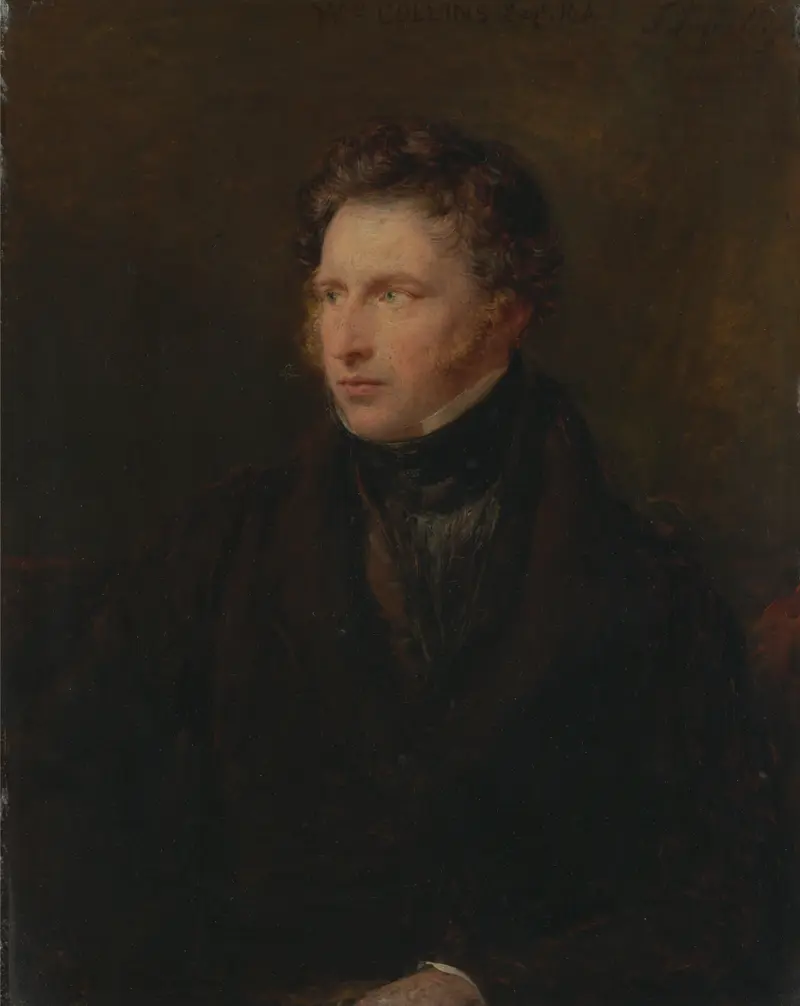
William Collins, R.A.
John Linnell
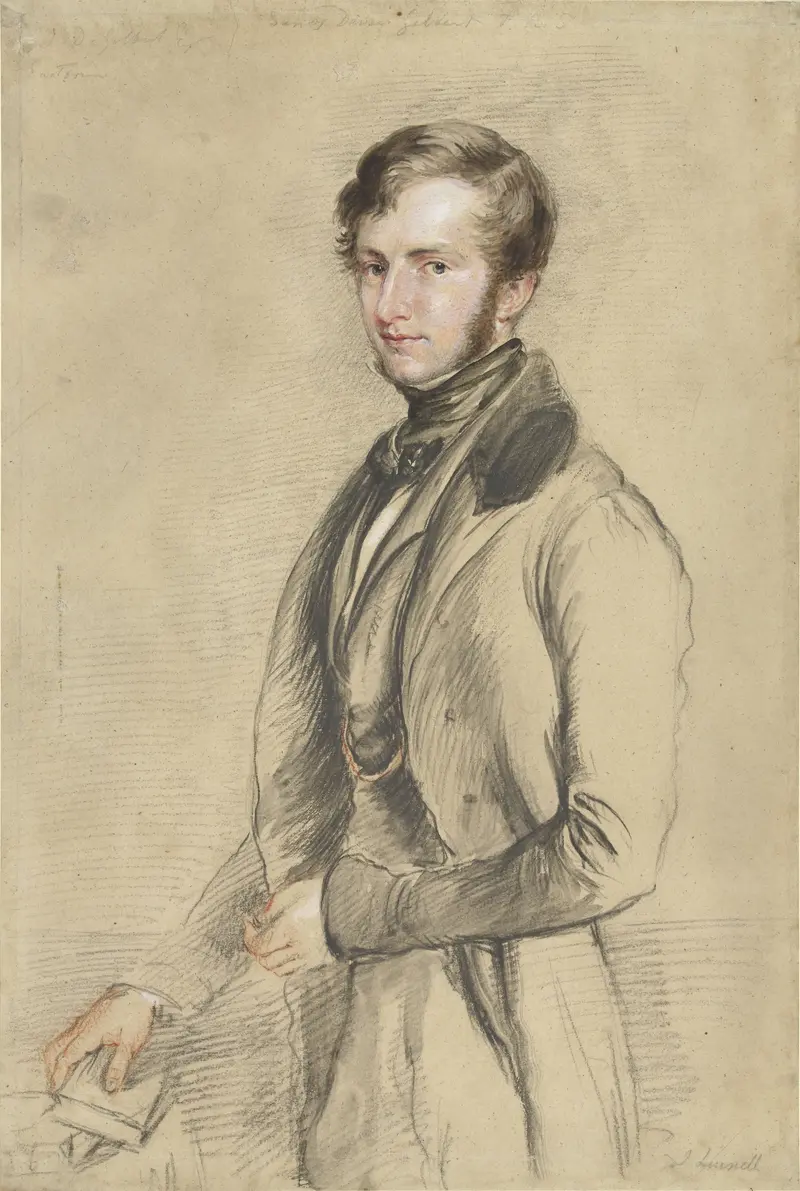
Portrait of John Davies Gilbert
John Linnell
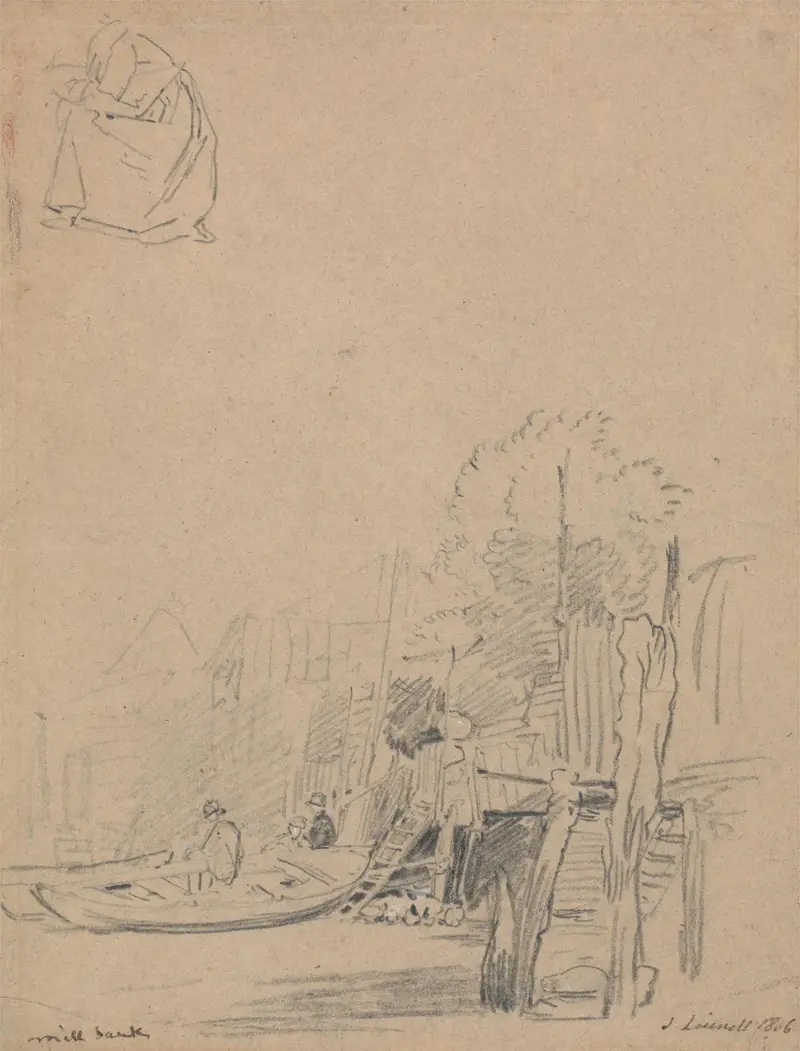
Millbank
John Linnell
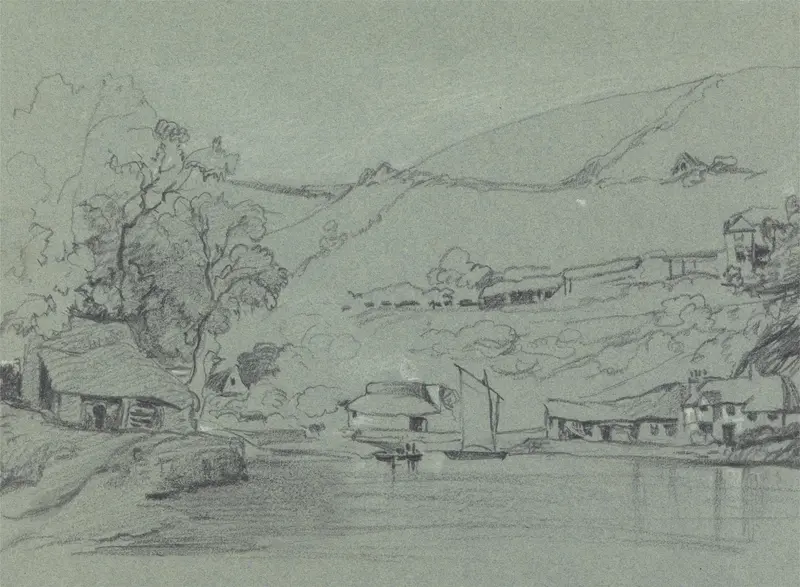
Scene in Kent
John Linnell
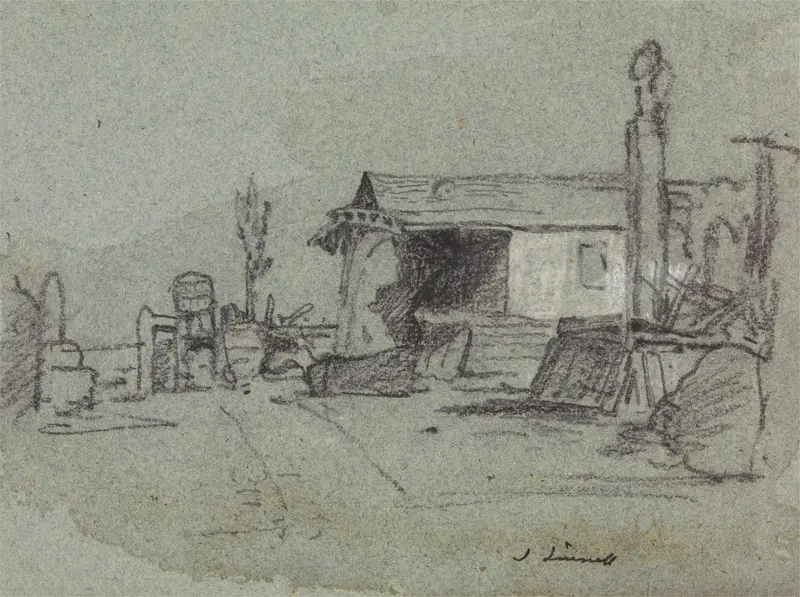
A Scene in the Edgware Road, London
John Linnell
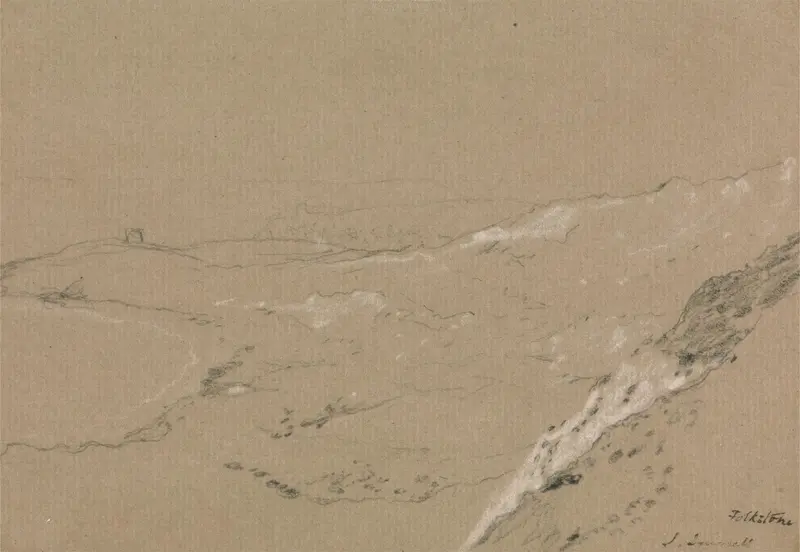
Folkestone
John Linnell
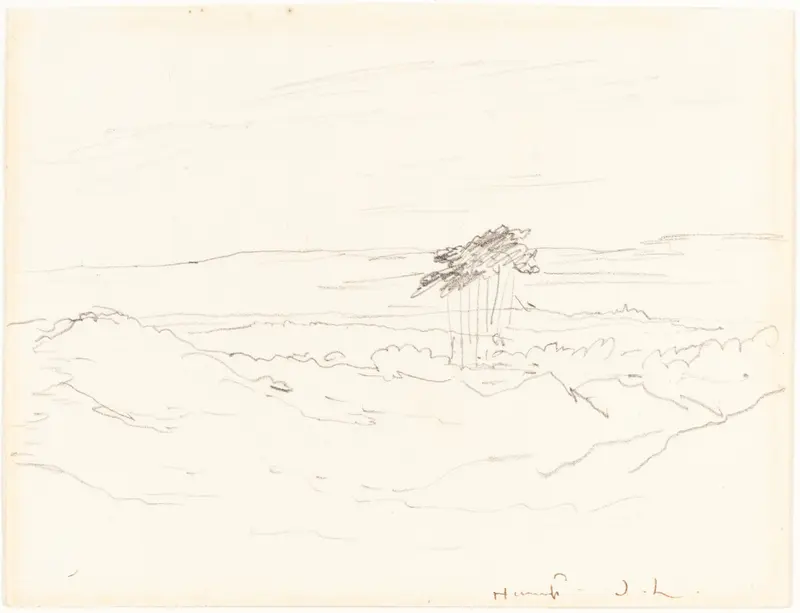
Hampstead Heath
John Linnell
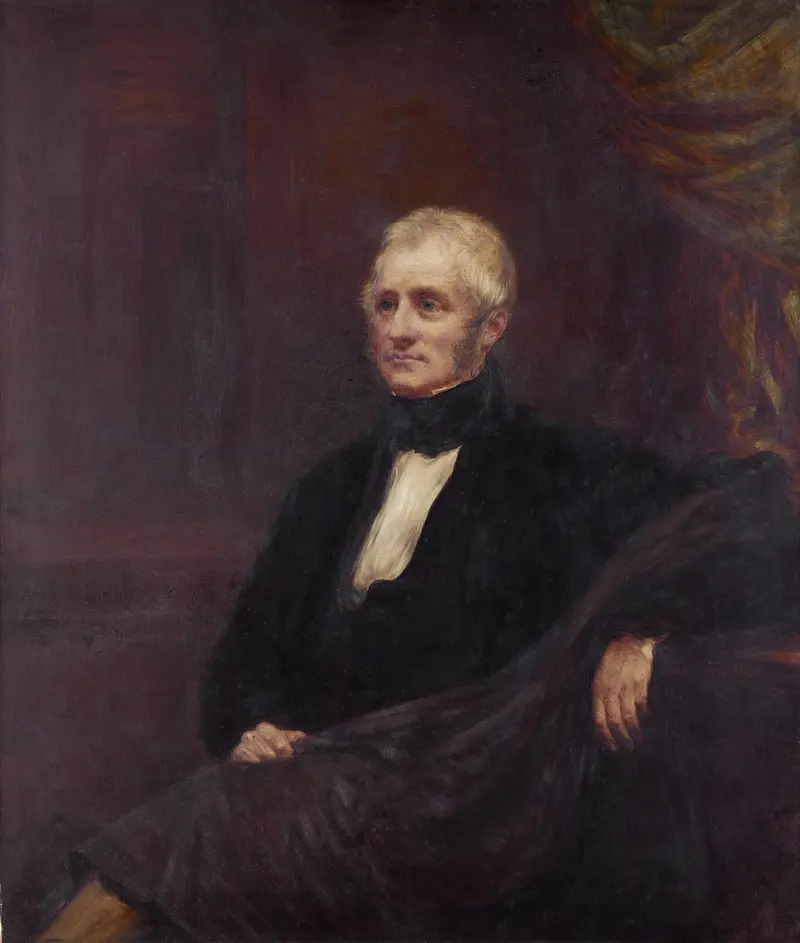
Henry Stephen Fox-Strangways, 3rd Earl Of Ilchester
John Linnell
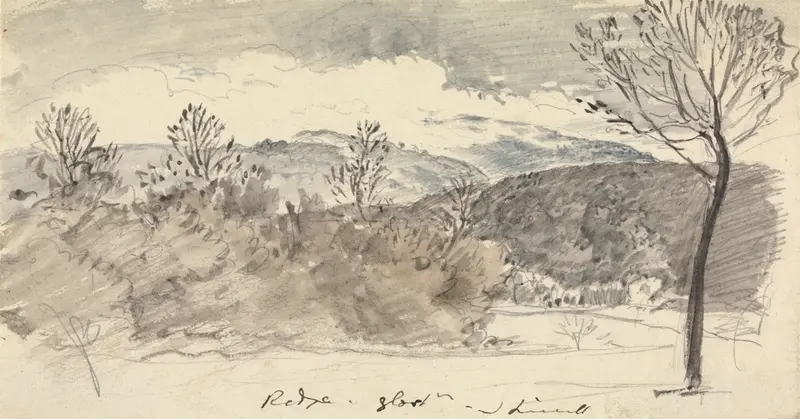
View at Mr. Sheppard’s, The Ridge, Gloucestershire
John Linnell





