
Misvormde koppen van een lachende man en vrouw met hoofdkapje — History & Facts
Can beauty exist without sorrow? In the unsettling yet mesmerizing work of Wenceslaus Hollar, the answer lingers in the shadows, inviting contemplation of joy and pain intertwined. Focus on the faces that dominate the space, each a distorted reflection of glee. The man’s wide grin contrasts sharply with the subtle shadows that cling to his features, while the woman’s joyous expression, framed by her cap, holds an eerie stillness that permeates the air. The careful hatching and cross-hatching techniques create a sense of depth, allowing light to dance across their forms while simultaneously emphasizing the underlying disquiet.
Notice how the delicate details of their garments hint at elegance, yet the distortions whisper of incongruity, provoking an emotional response that invites the viewer deeper into their world. The tension lies in the juxtaposition of laughter and the grotesque. Each smile is a mask, hiding the complexities of existence beneath it. The lavish detailing of their headwear, almost regal, belies the emotional turmoil lurking within.
This contrast creates a haunting beauty, compelling us to reflect on the duality of human experience—where joy can mask deeper sorrows, and vice versa, in a perpetual dance of light and shadow. Created in 1645, during a tumultuous period in Europe marked by political strife and social upheaval, Hollar’s work reflects the complicated nature of identity and perception. Living in exile from his native Bohemia, he was influenced by the Baroque movement's emphasis on dramatic expression. This context shapes the emotional resonance of Misvormde koppen van een lachende man en vrouw met hoofdkapje, revealing the artist’s keen insight into the human condition amidst uncertainty.
More Artworks by Wenceslaus Hollar
Browse all →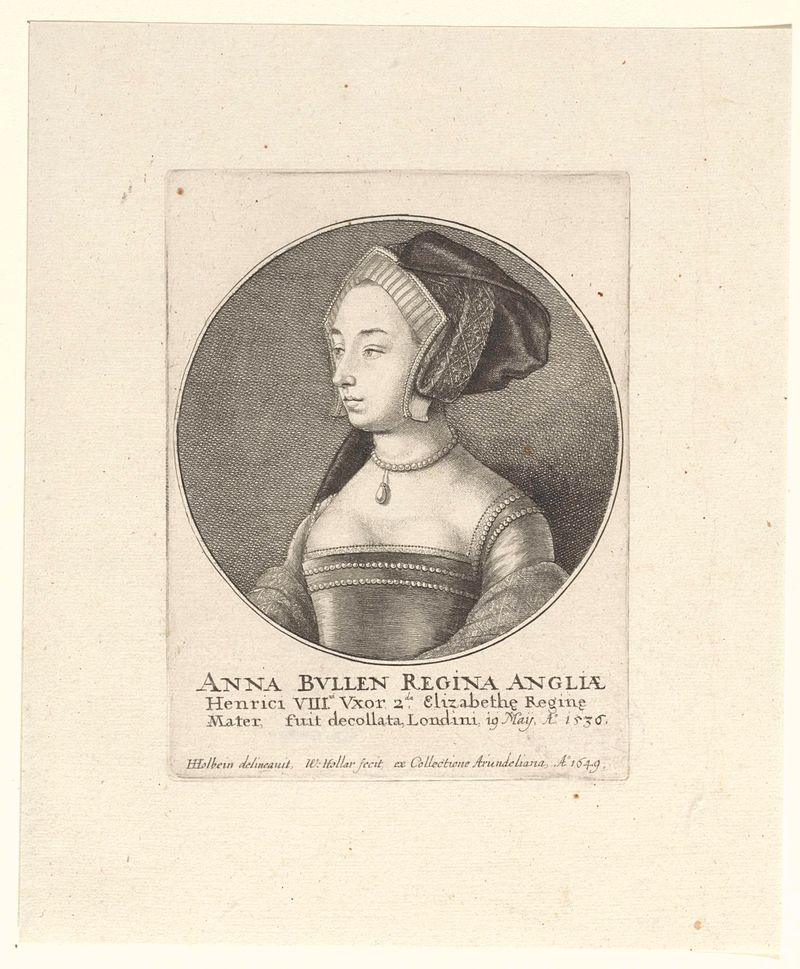
Portret van Anna Boleyn, koningin van Engeland
Wenceslaus Hollar
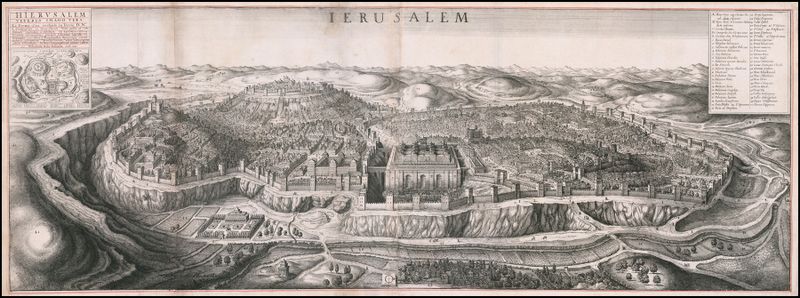
Bird’s eye view of Jerusalem
Wenceslaus Hollar
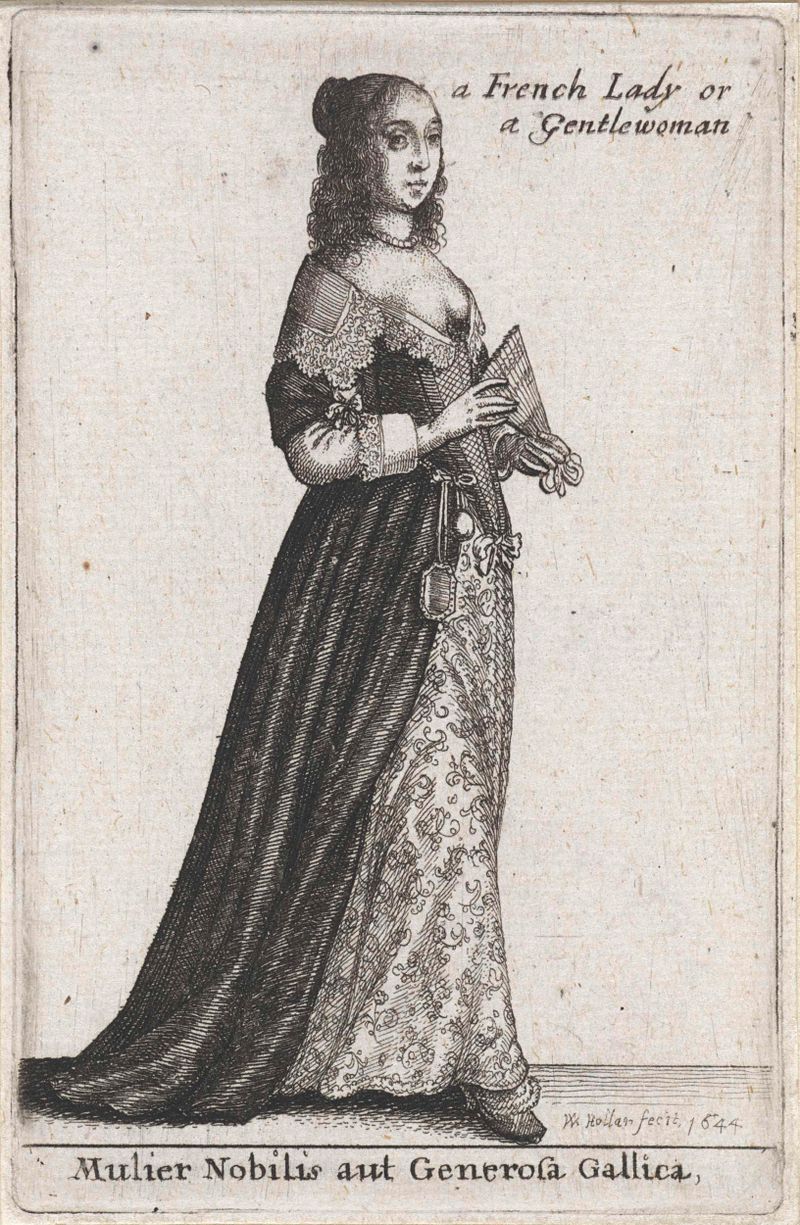
Mulier Nobilis aut Generosa Gallica / a French Lady or Gentlewoman
Wenceslaus Hollar
Titelprent voor: Ornatus Muliebris Anglicanus
Wenceslaus Hollar
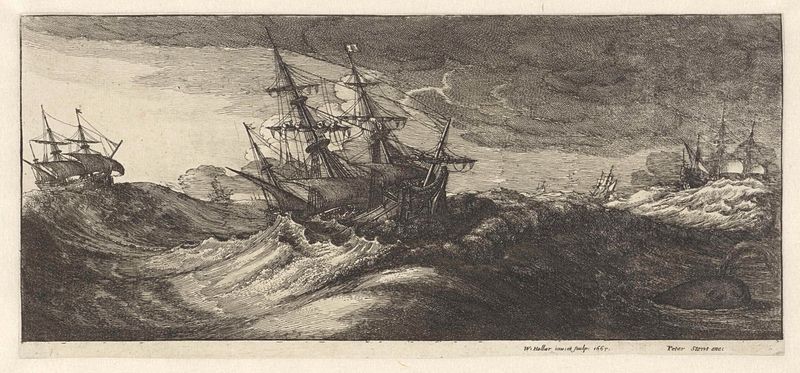
Oorlogsschepen en een walvis in een zeestorm
Wenceslaus Hollar
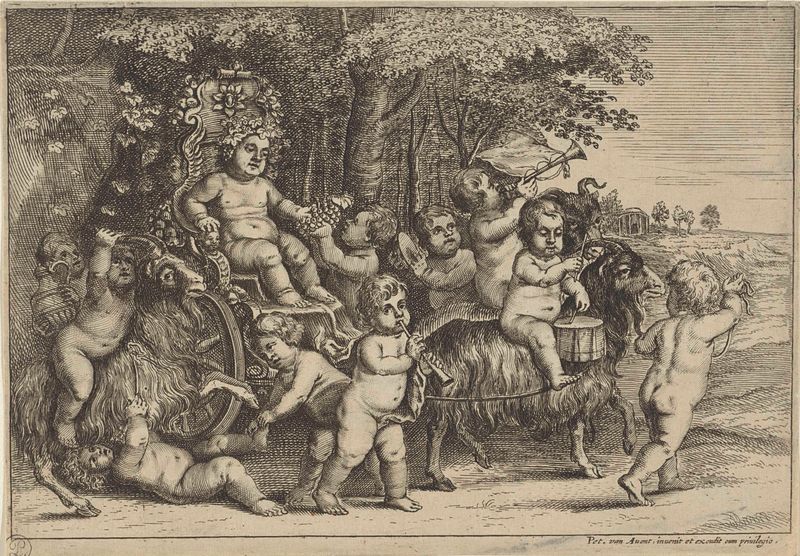
Optocht van bacchant en jongetjes op geiten
Wenceslaus Hollar
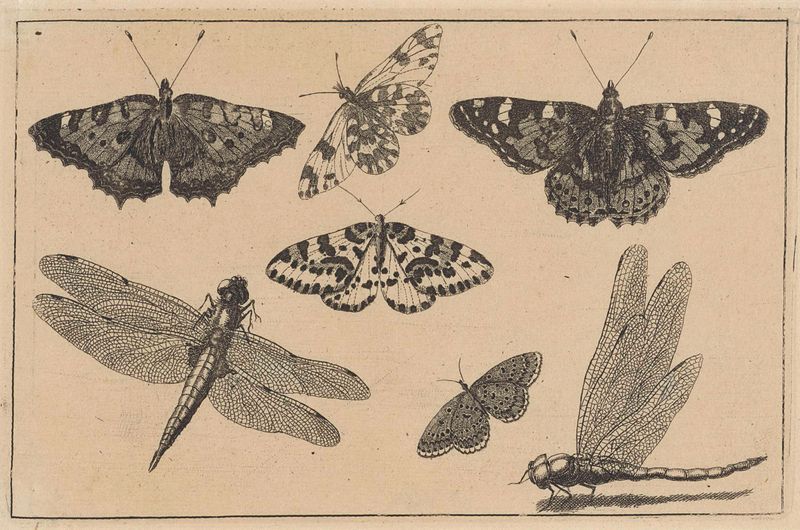
Twee libellen en vijf vlinders
Wenceslaus Hollar
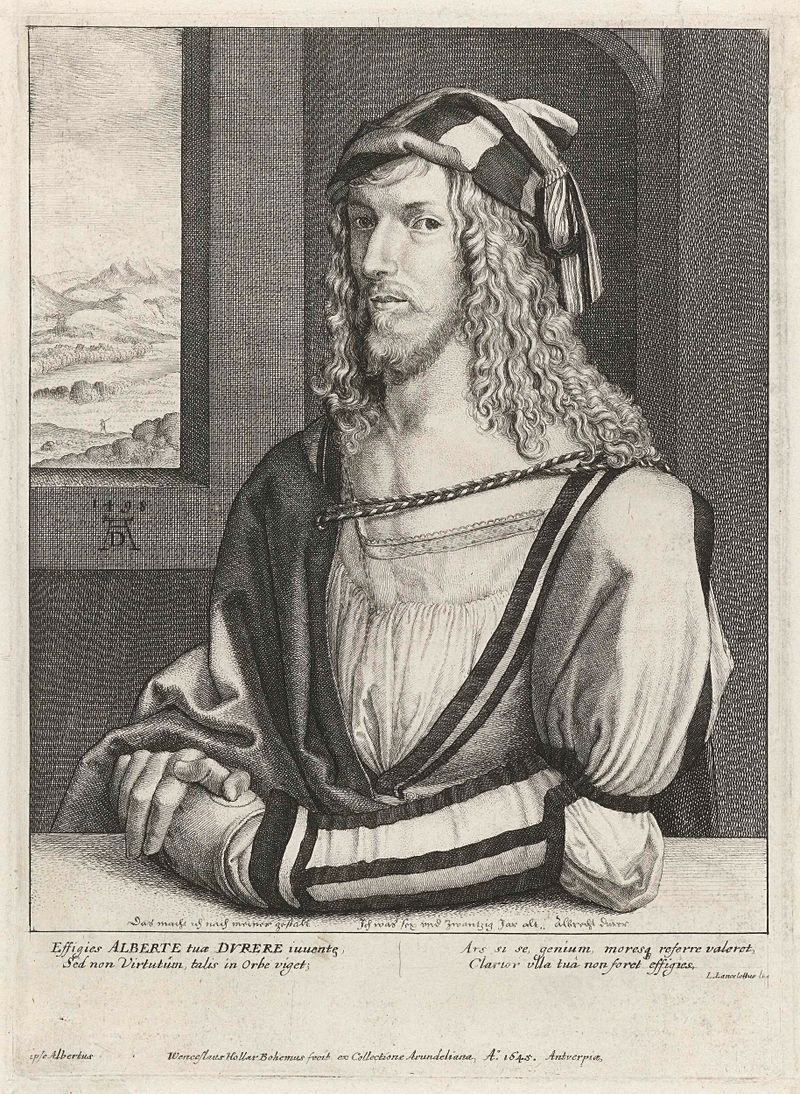
Portret van Albrecht Dürer
Wenceslaus Hollar
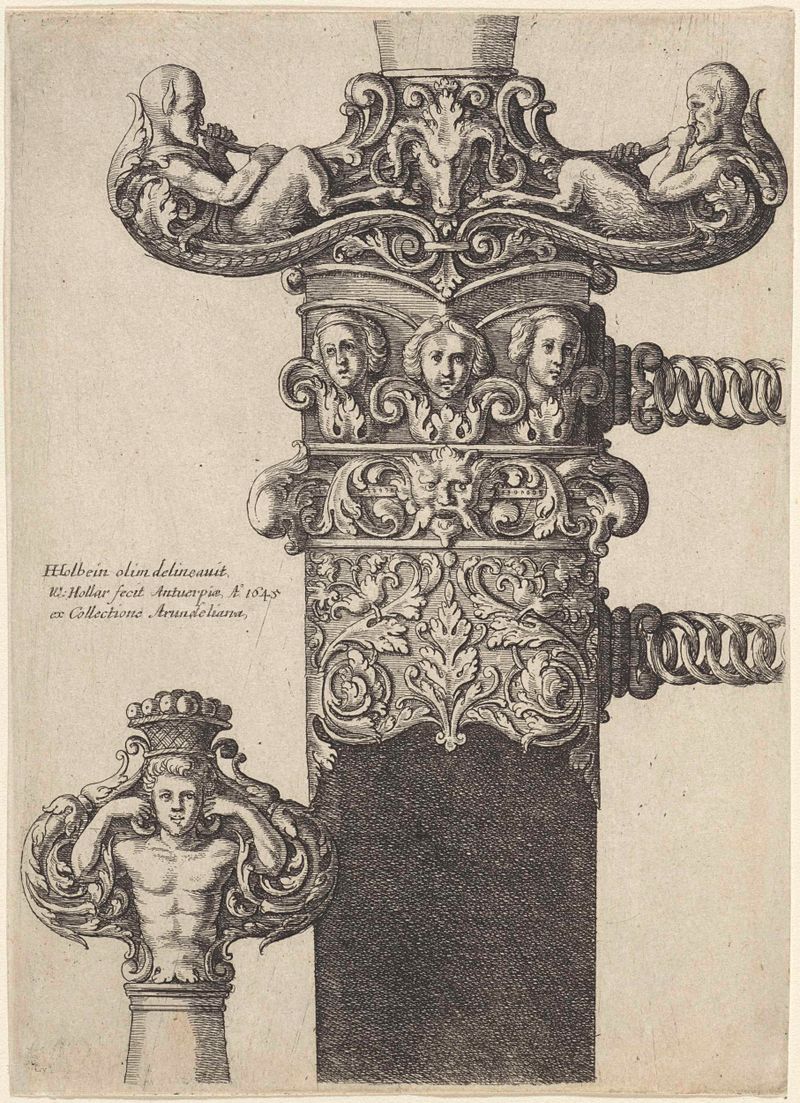
Ornamenteel ontwerp voor een dolk
Wenceslaus Hollar
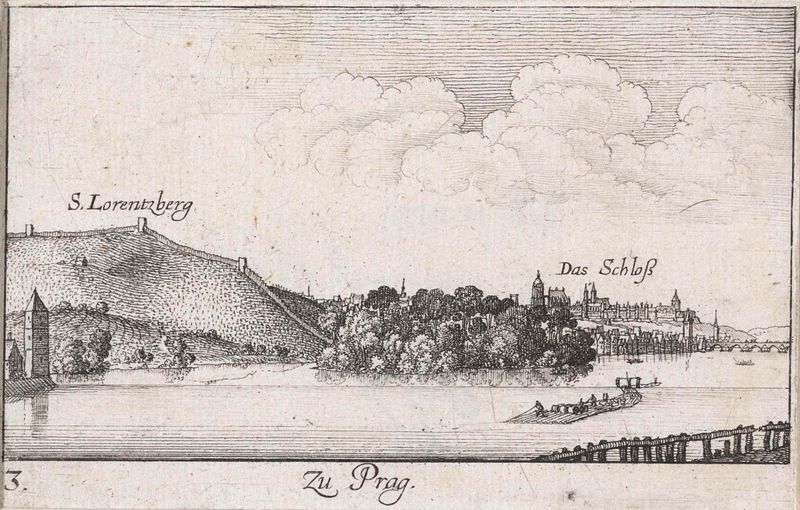
Gezicht op Praag vanaf de Moldau
Wenceslaus Hollar





