
Misvormde mannenkop — History & Facts
In the stillness of Wenceslaus Hollar’s Misvormde mannenkop, silence permeates the space, inviting introspection and reflection. Each contour and shadow speaks volumes, hinting at a story waiting to unfold beneath the surface. Look closely at the left side of the canvas, where the twisted features of the figure emerge from a shadowy background. The chiaroscuro technique brings a sculptural quality to the distorted visage, emphasizing the interplay of light and darkness.
Notice how the deep, muted colors envelop the figure, evoking a somber mood while drawing the viewer deeper into its enigmatic expression. The intricacy of the lines and textures captures both the vulnerability and strength within the shape, making it a haunting yet compelling study. Hidden beneath the surface lies a tension between the grotesque and the poignant. The asymmetry of the face suggests a struggle, perhaps reflecting the human condition itself — a reminder of imperfections and the beauty in fragility.
There’s a sense of confinement, as if the figure is trapped within its own form, yet it simultaneously evokes empathy, urging us to understand the complexities of identity and existence. Hollar’s careful rendering reveals layers of meaning that resonate far beyond its physical representation. Created in 1645, Misvormde mannenkop emerged during a time when Hollar was deeply immersed in the art scene of Antwerp. The artist had fled from the turmoil of the Thirty Years' War and found refuge in the Netherlands, influenced by both the baroque style of his time and the emotional depth of his subjects.
This work reflects his mastery of printmaking and his exploration of human expression, marking a significant moment in his artistic journey amidst a world grappling with chaos.
More Artworks by Wenceslaus Hollar
Browse all →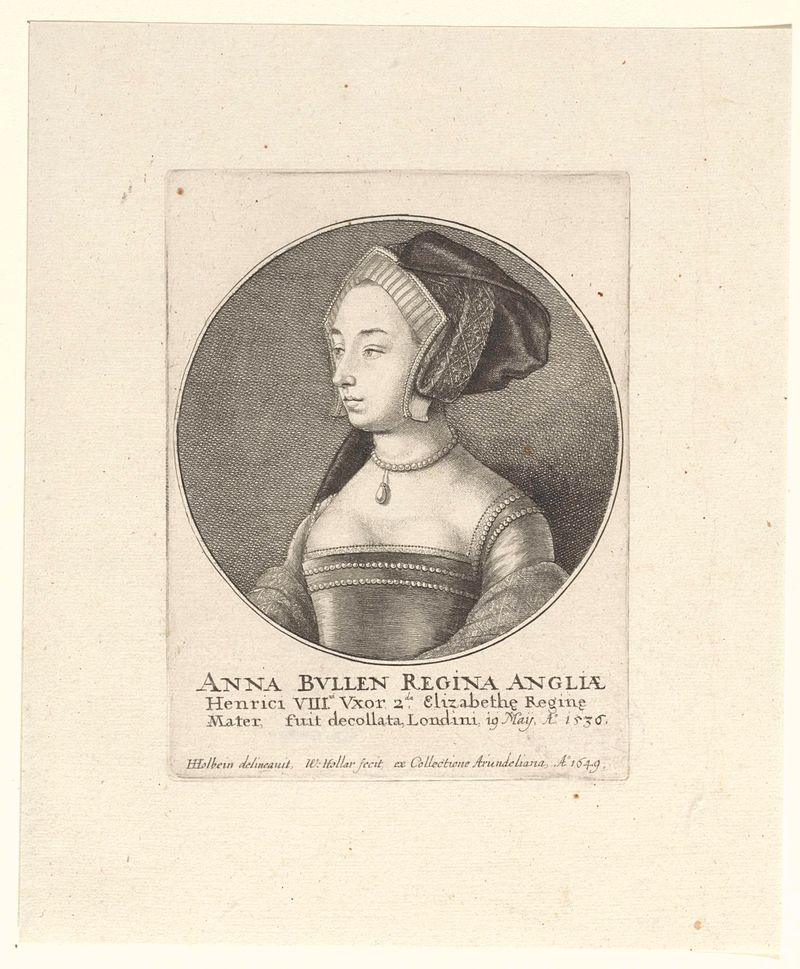
Portret van Anna Boleyn, koningin van Engeland
Wenceslaus Hollar
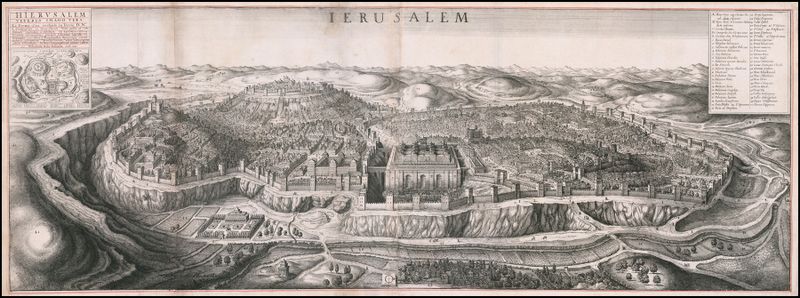
Bird’s eye view of Jerusalem
Wenceslaus Hollar
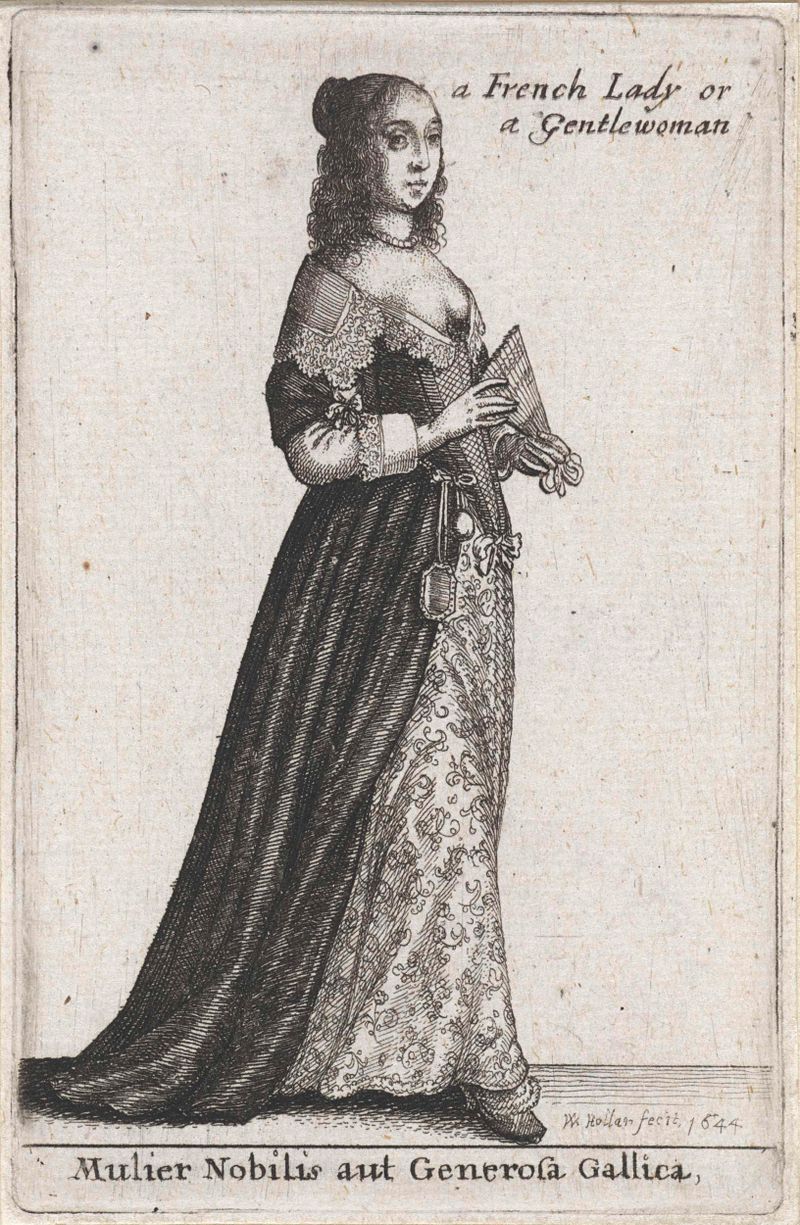
Mulier Nobilis aut Generosa Gallica / a French Lady or Gentlewoman
Wenceslaus Hollar
Titelprent voor: Ornatus Muliebris Anglicanus
Wenceslaus Hollar
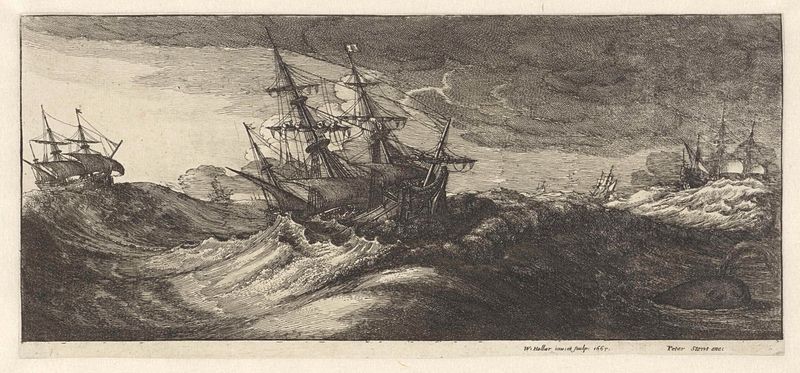
Oorlogsschepen en een walvis in een zeestorm
Wenceslaus Hollar
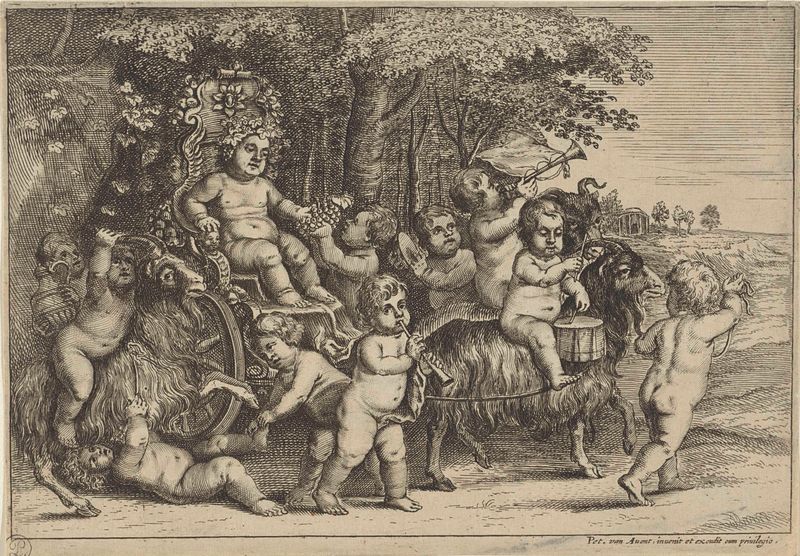
Optocht van bacchant en jongetjes op geiten
Wenceslaus Hollar
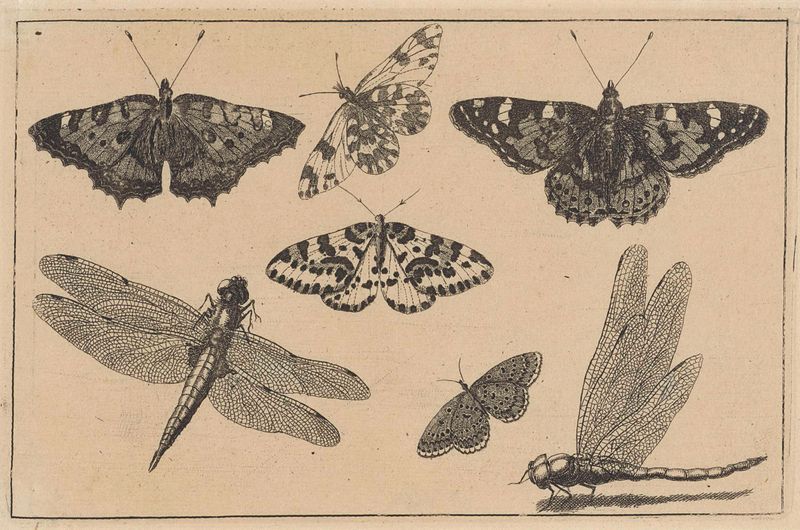
Twee libellen en vijf vlinders
Wenceslaus Hollar
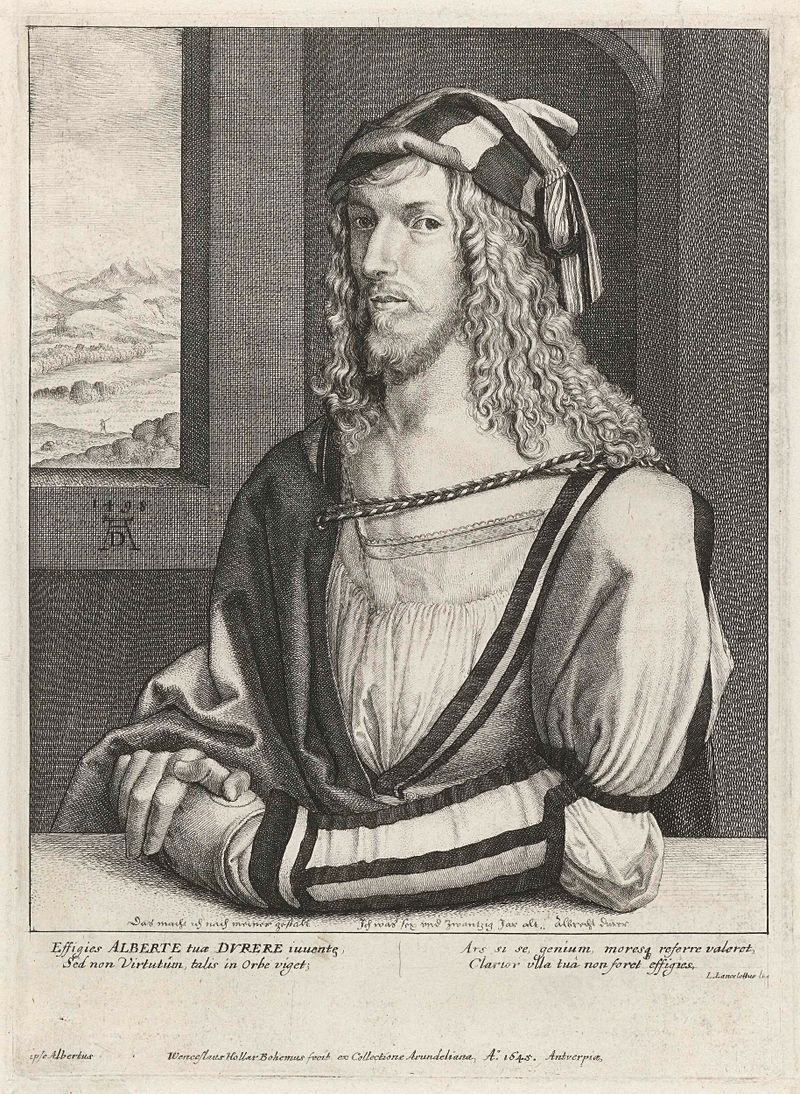
Portret van Albrecht Dürer
Wenceslaus Hollar
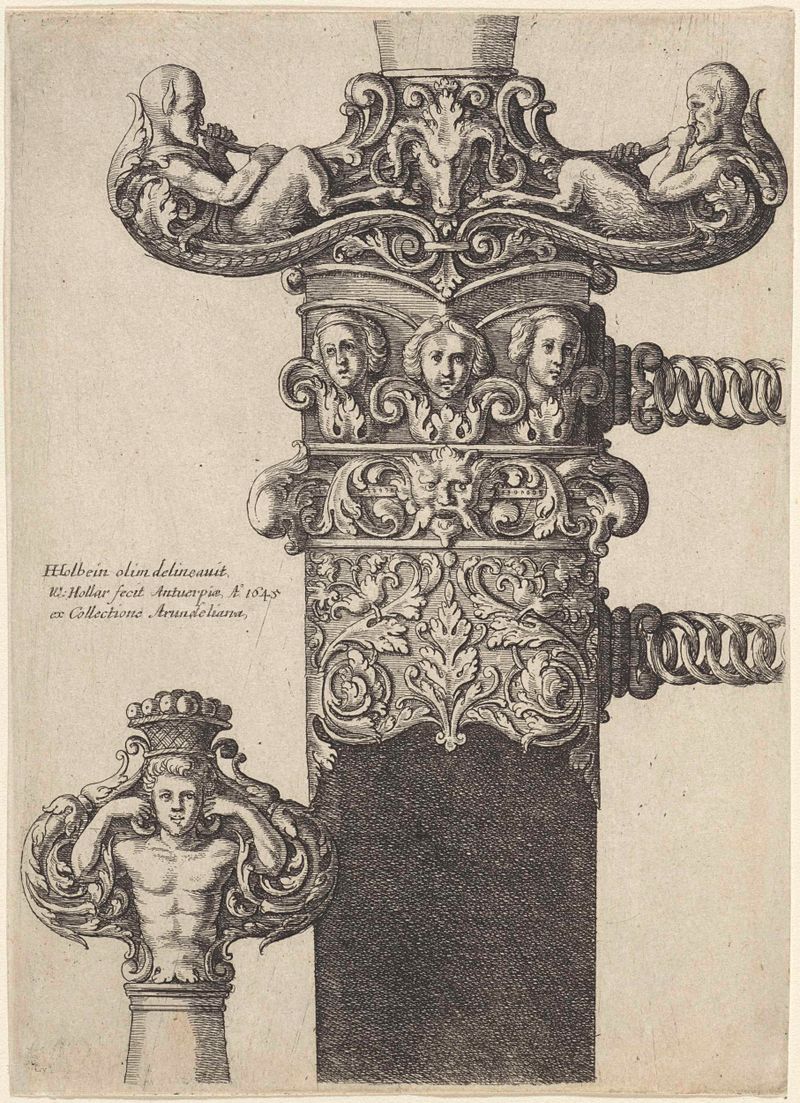
Ornamenteel ontwerp voor een dolk
Wenceslaus Hollar
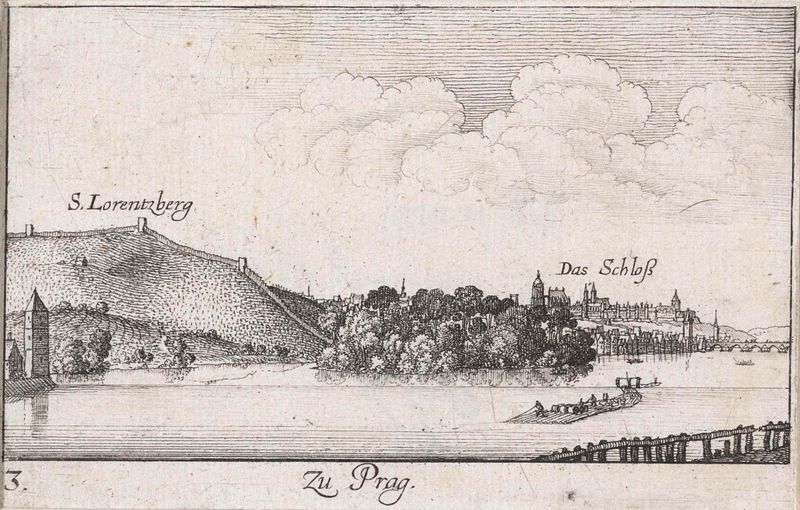
Gezicht op Praag vanaf de Moldau
Wenceslaus Hollar





