Mof en stola van bont — History & Facts
The delicate allure of a fur-lined stole drapes elegantly across the stark canvas, revealing the intricacies of human emotion interlaced with material wealth. In this moment, a profound sense of grief lies beneath the surface, whispering the secrets of the heart. Look to the center of the piece, where the stole's luxurious texture is rendered with meticulous detail. Hollar’s masterful line work captures the soft, inviting fur while also hinting at the encroaching shadows of despair.
Notice how the subtle play of light and dark reveals the contours of both the fabric and the emotional landscape, contrasting the softness of the stole with the stark reality it represents. The muted palette draws the viewer into an intimate dialogue between opulence and sorrow. Delve deeper, and you’ll find the interplay between the opulent fur and the somber background, suggesting a silent narrative of loss. Each fold of the stole seems to cradle remnants of joy now overshadowed by mourning, illustrating how beauty can often mask suffering.
The elegance of the accessory becomes almost haunting, evoking the weight of memories intertwined with grief, as if the stole carries the essence of those it once adorned. Wenceslaus Hollar painted this work in 1645, at a time when he was deeply immersed in the artistic circles of London after fleeing the turmoil of the Thirty Years' War in his native Bohemia. The period was marked by a fascination for still life and the exploration of textures, reflecting the broader currents of the Baroque, which celebrated not just the tangible beauty of objects but their deeper, often darker meanings.
More Artworks by Wenceslaus Hollar
Browse all →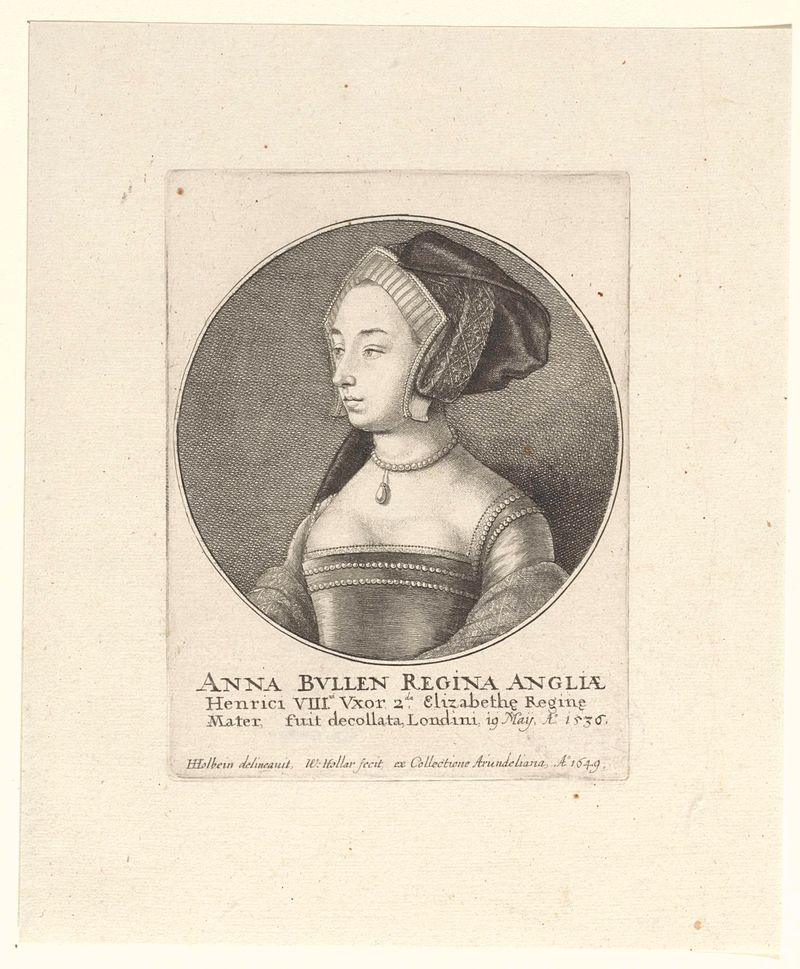
Portret van Anna Boleyn, koningin van Engeland
Wenceslaus Hollar
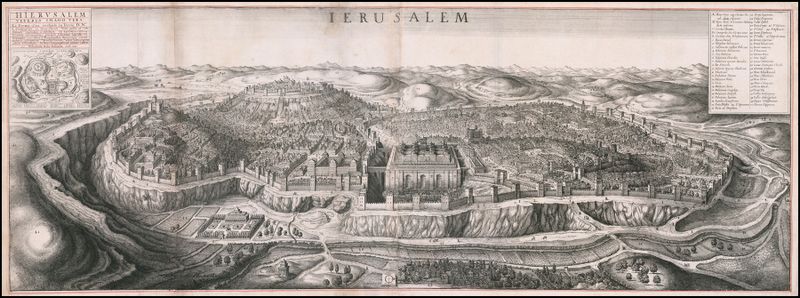
Bird’s eye view of Jerusalem
Wenceslaus Hollar
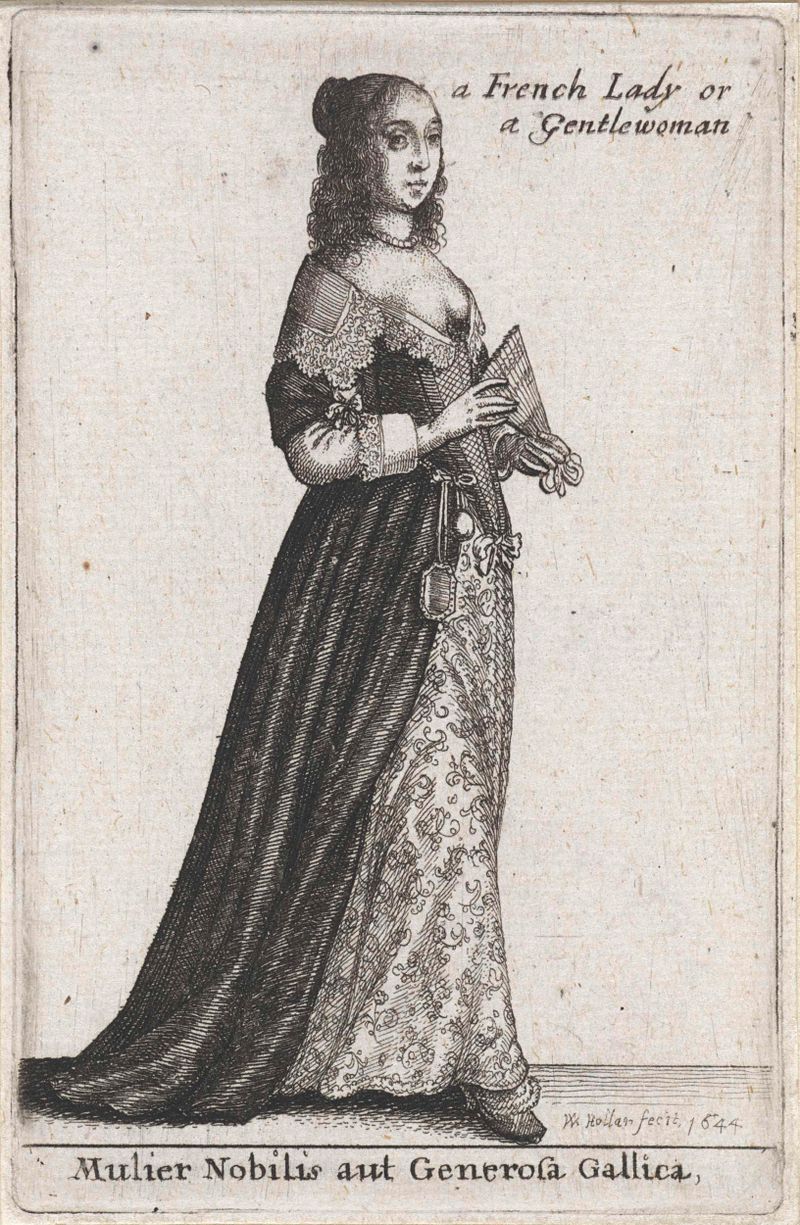
Mulier Nobilis aut Generosa Gallica / a French Lady or Gentlewoman
Wenceslaus Hollar
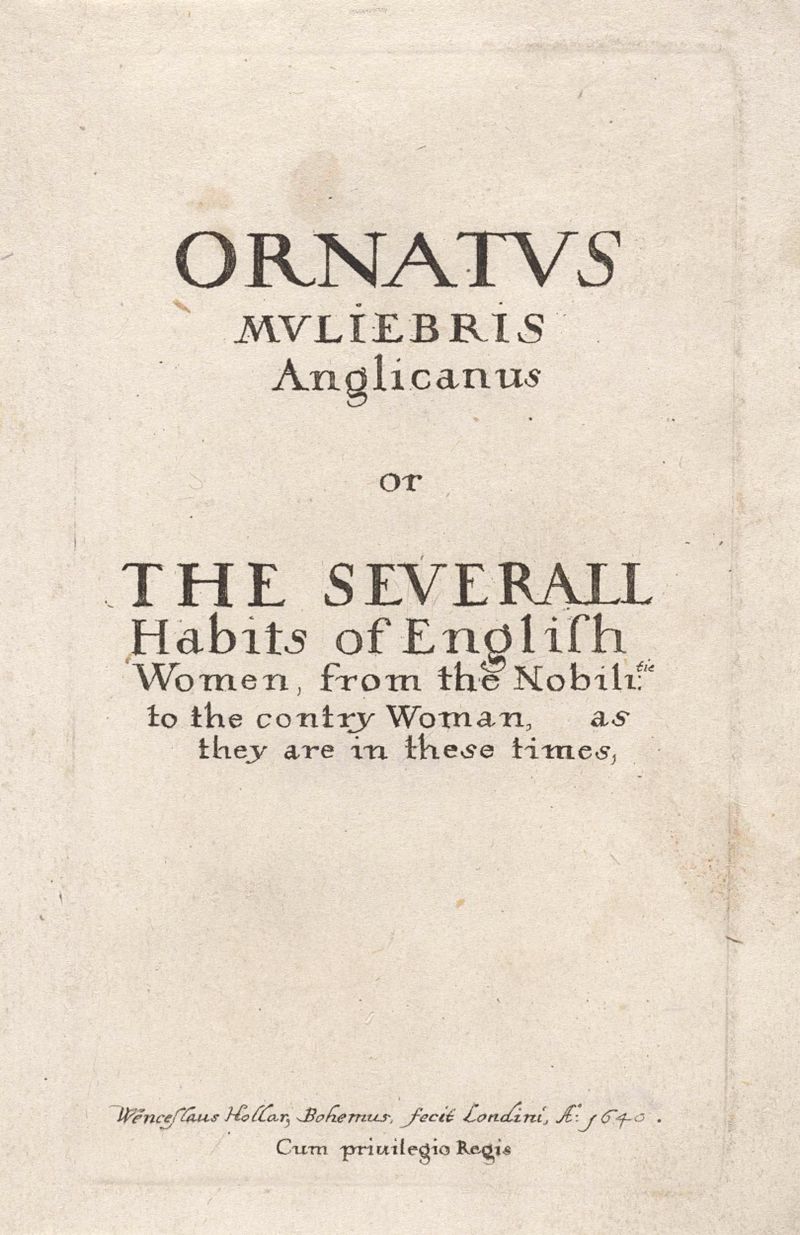
Titelprent voor: Ornatus Muliebris Anglicanus
Wenceslaus Hollar
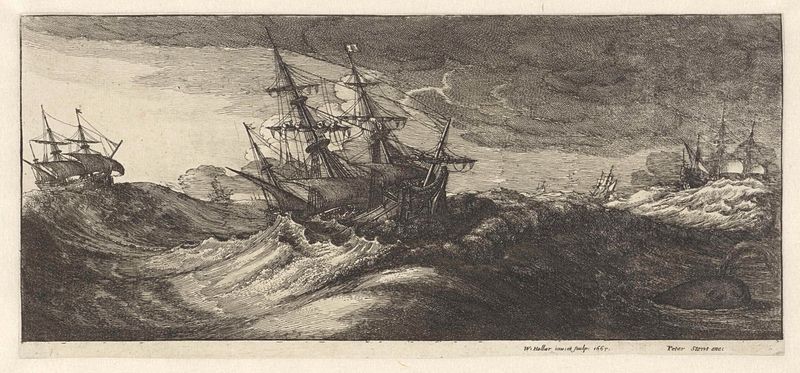
Oorlogsschepen en een walvis in een zeestorm
Wenceslaus Hollar
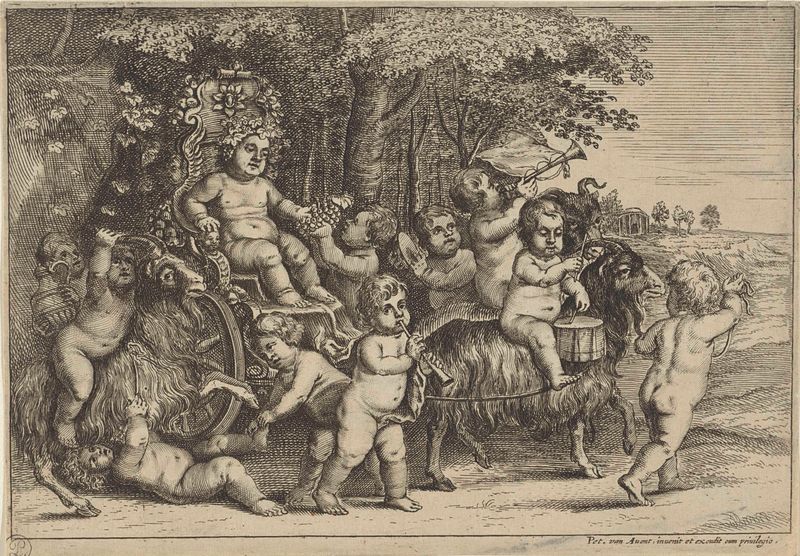
Optocht van bacchant en jongetjes op geiten
Wenceslaus Hollar
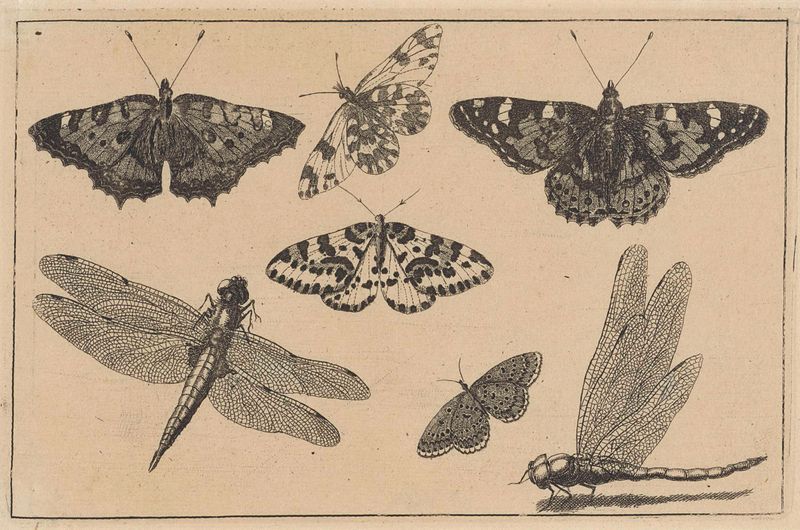
Twee libellen en vijf vlinders
Wenceslaus Hollar
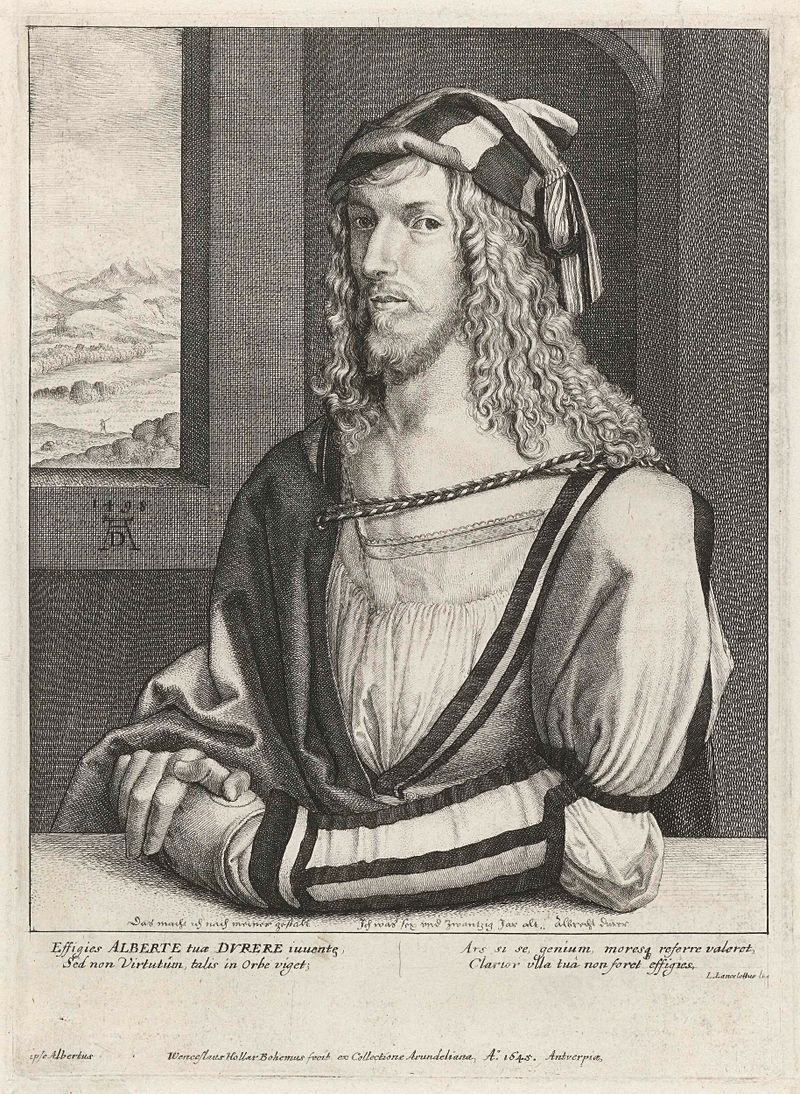
Portret van Albrecht Dürer
Wenceslaus Hollar
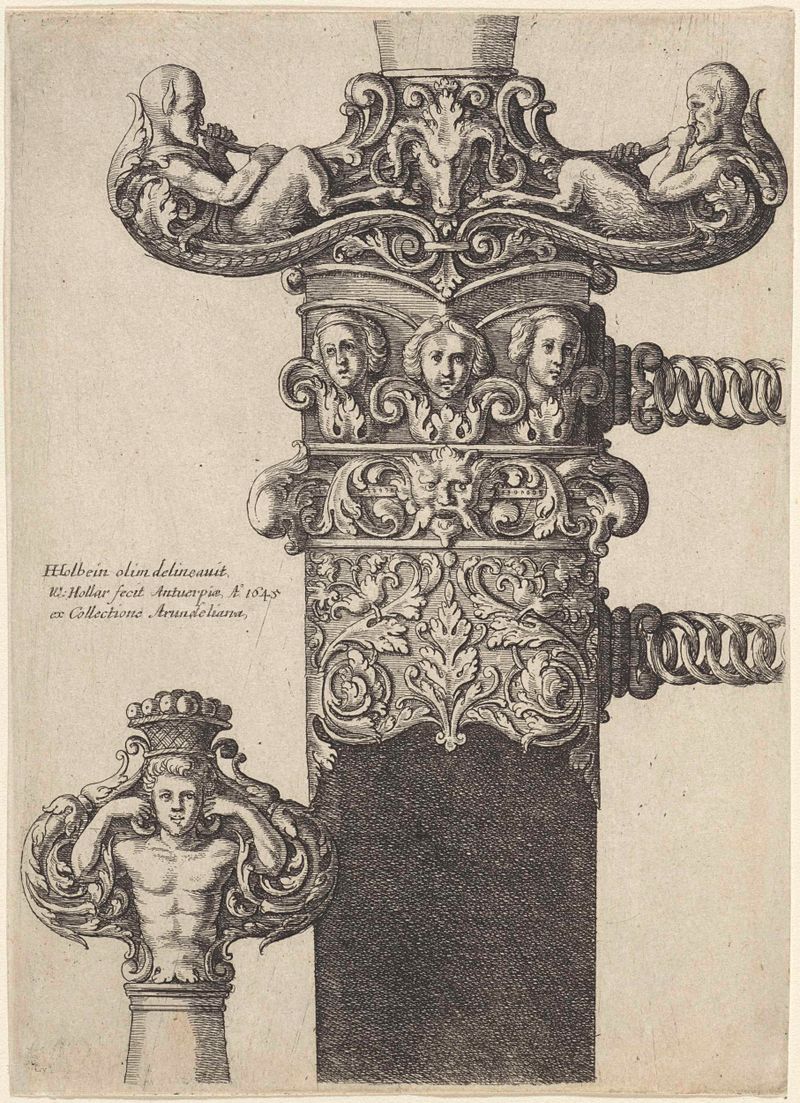
Ornamenteel ontwerp voor een dolk
Wenceslaus Hollar
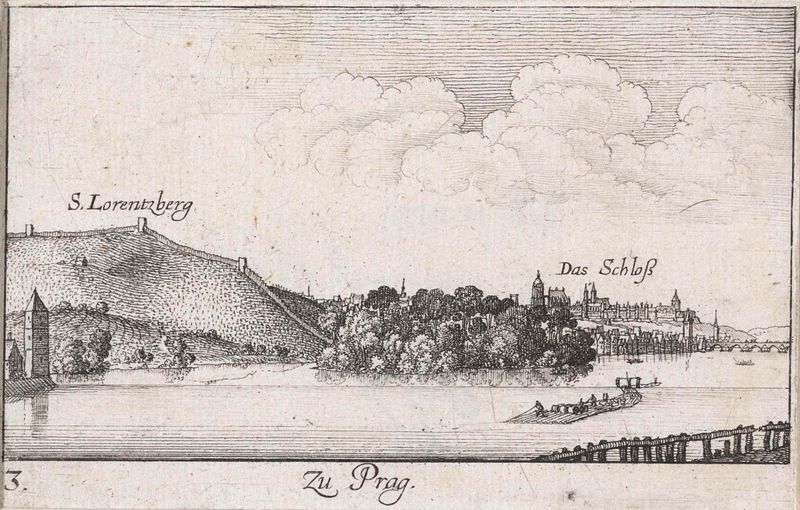
Gezicht op Praag vanaf de Moldau
Wenceslaus Hollar