
Mof en stola van bont — History & Facts
What if beauty was never meant to be finished? In Wenceslaus Hollar's work, we are drawn into an exquisite moment of decadence, where the interplay of materials unfurls a sense of ecstasy that vibrates beyond the frame. Look closely at the sumptuous fur depicted; your gaze should first be captivated by its velvety texture, meticulously rendered with delicate linework. The intricate details of the stola, draping gracefully upon the figure, invite you to explore the folds and the subtle play of light that caresses the fibers. The rich tones of brown and cream dance across the canvas, suggesting warmth and softness, while the contrasting shadows create a depth that pulls us into the tactile world of the garment. Beneath the surface elegance lies a profound commentary on luxury and desire.
The fur, a symbol of status, also evokes a sense of transient beauty; it teeters between opulence and the fleeting nature of wealth. As your eyes wander, you might uncover hints of vulnerability in the way the fabric clings, embodying both allure and a hint of fragility, compelling the viewer to reflect on the duality of possession and loss. Created in 1645, this piece emerges from Hollar's time in England during a period marked by political turmoil and artistic exploration. Having fled the Thirty Years' War in his native Bohemia, he settled in London, where he became a prominent figure in the art scene, illustrating the richness of life around him and adapting to the tastes of his new home.
More Artworks by Wenceslaus Hollar
Browse all →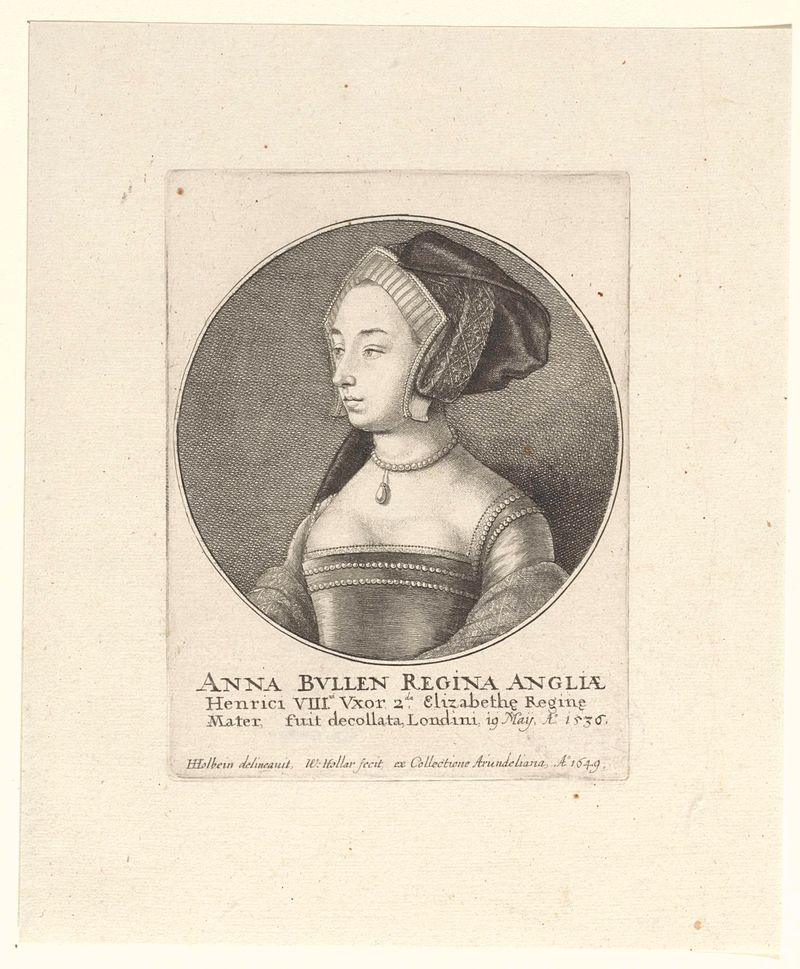
Portret van Anna Boleyn, koningin van Engeland
Wenceslaus Hollar
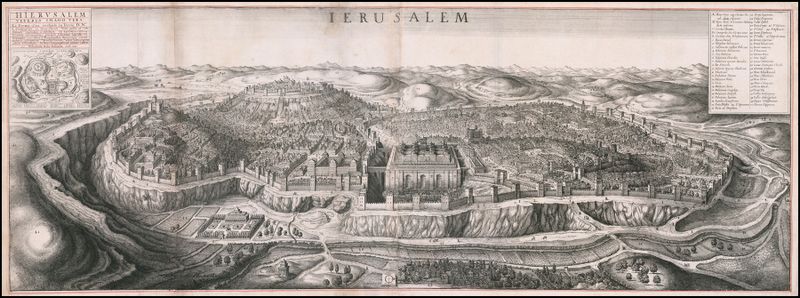
Bird’s eye view of Jerusalem
Wenceslaus Hollar
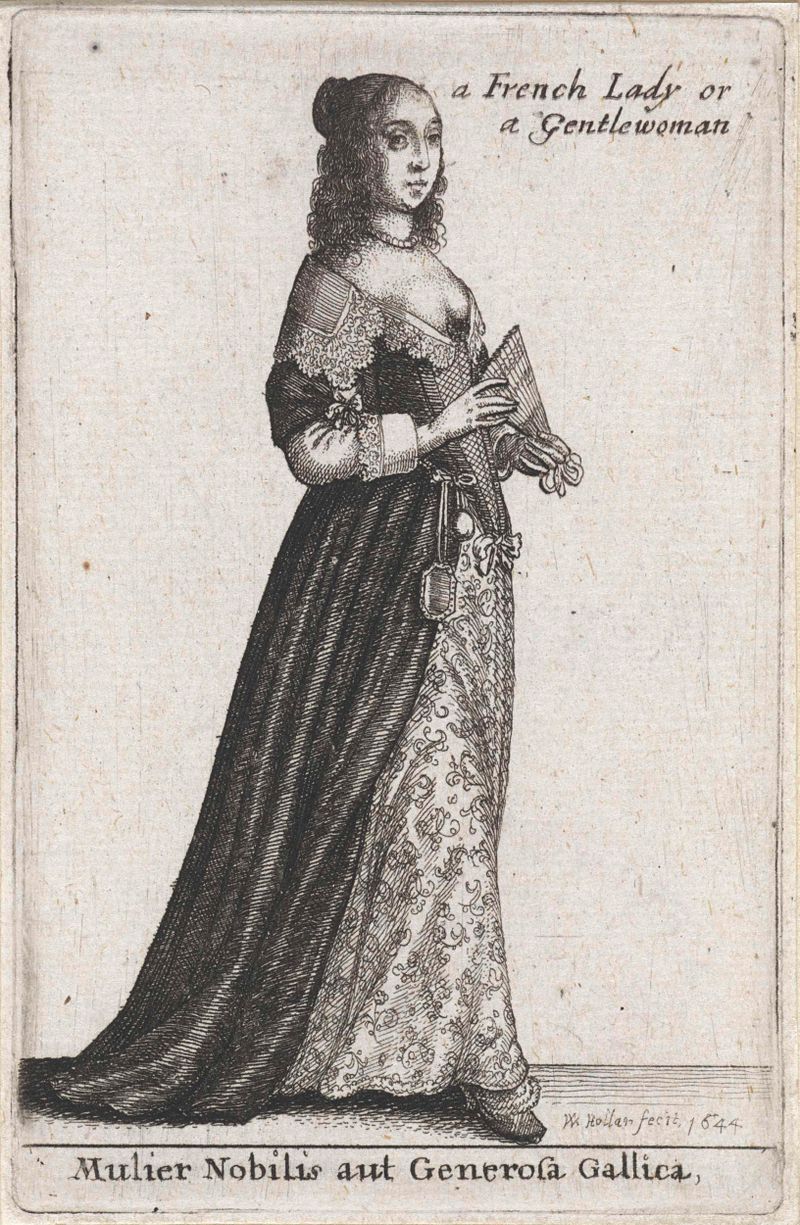
Mulier Nobilis aut Generosa Gallica / a French Lady or Gentlewoman
Wenceslaus Hollar
Titelprent voor: Ornatus Muliebris Anglicanus
Wenceslaus Hollar
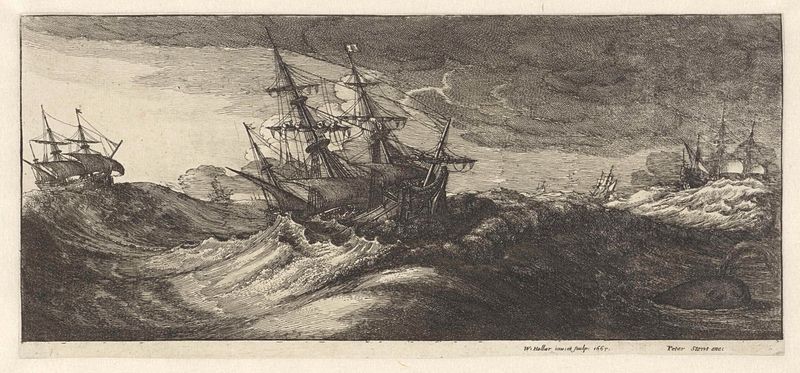
Oorlogsschepen en een walvis in een zeestorm
Wenceslaus Hollar
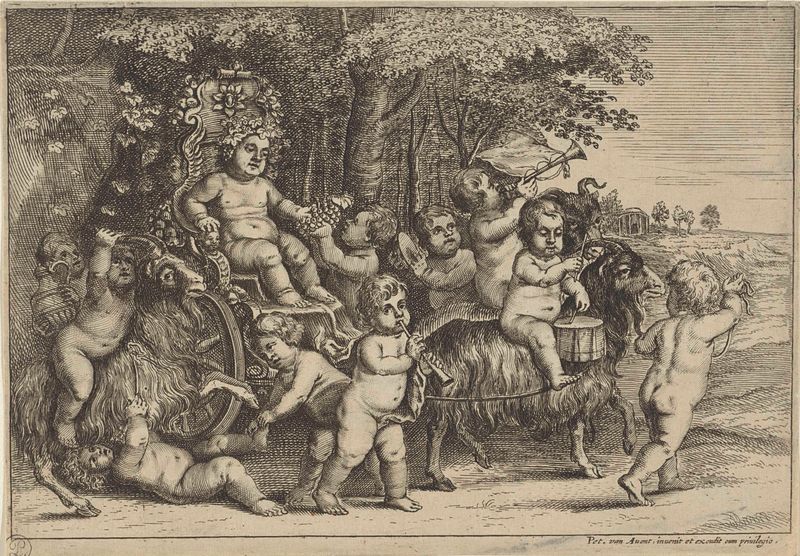
Optocht van bacchant en jongetjes op geiten
Wenceslaus Hollar
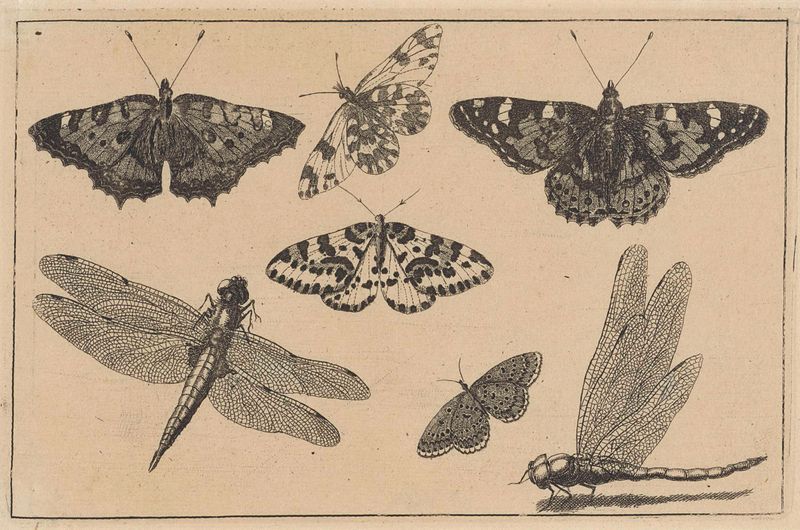
Twee libellen en vijf vlinders
Wenceslaus Hollar
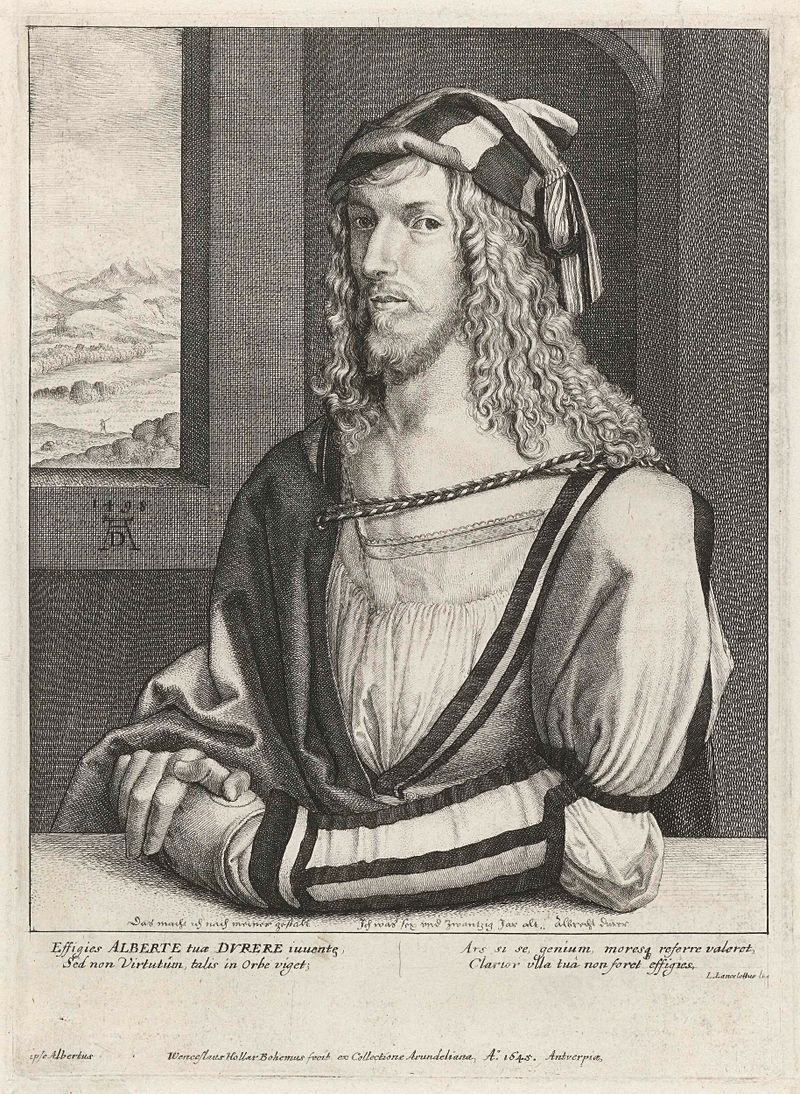
Portret van Albrecht Dürer
Wenceslaus Hollar
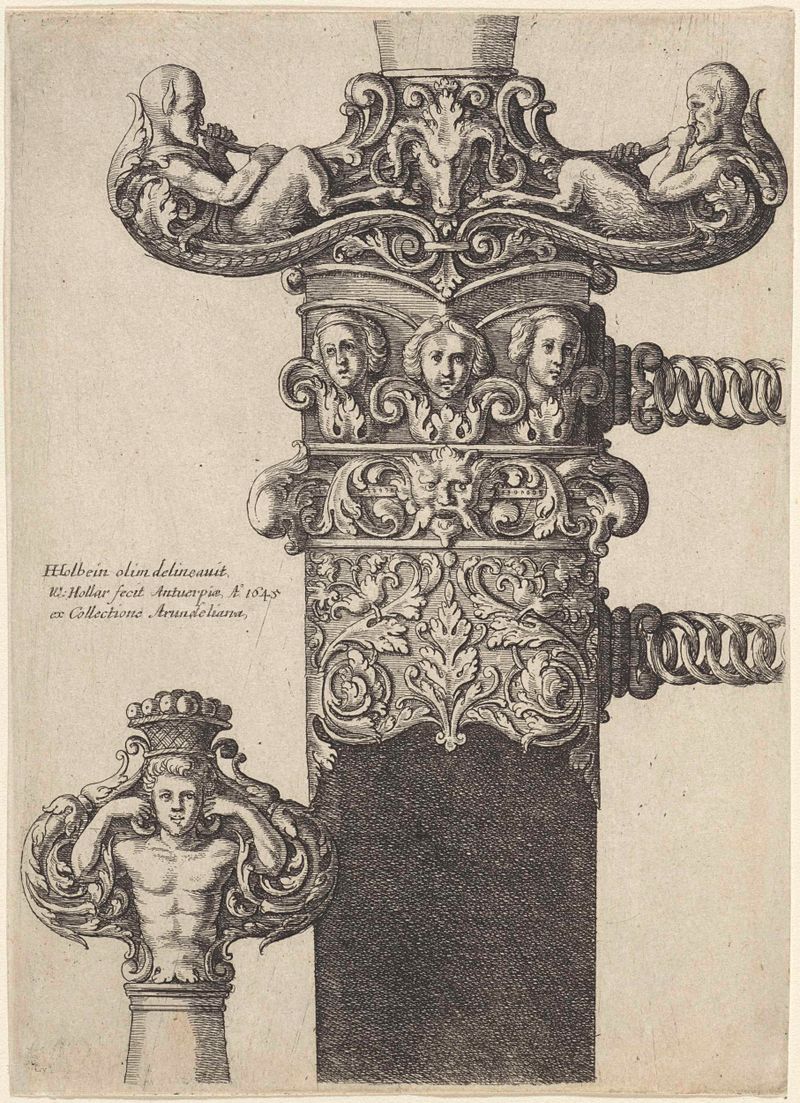
Ornamenteel ontwerp voor een dolk
Wenceslaus Hollar
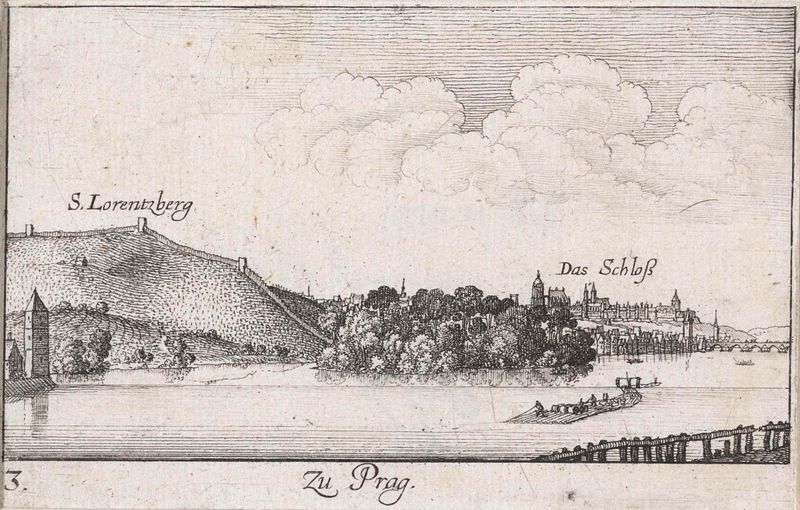
Gezicht op Praag vanaf de Moldau
Wenceslaus Hollar





