
Mof, gezien van vijf kanten — History & Facts
What if beauty was never meant to be finished? In the intricate print Mof, gezien van vijf kanten, Wenceslaus Hollar captures the tension of an unfinished journey, reflecting the revolutionary spirit of an age poised on the cusp of transformation. Look to the center of the composition, where the figure of Mof stands, gracefully poised against an elegant backdrop. The careful linework invites your eye to explore the five distinct views, each revealing layers of detail that speak to both form and depth. Notice how the contrasts between the shadows and highlights create a sense of three-dimensionality, enhancing the figure's presence within the flat surface of the print.
The delicate etching technique preserves Hollar’s meticulous attention to detail, making each angle distinct yet interconnected. The work resonates with emotional complexity; it embodies the notion of multiplicity in perception and experience. Each viewpoint reflects different aspects of identity and beauty, challenging the observer to consider the layers beneath surface appearances. This multiplicity can be seen as a metaphor for the era's revolutionary ideas, where traditional concepts of beauty, class, and society were being re-examined and deconstructed. Created between 1645 and 1646 during Hollar’s time in England, Mof, gezien van vijf kanten marks a pivotal moment in the artist's career, as he navigated the artistic landscape shaped by the upheaval of the English Civil War.
This period was defined by a clash of ideologies, as artists began to push boundaries in representation and expression, reflecting the larger societal shifts around them. Hollar’s work stands as a testament to this transformative era in art history.
More Artworks by Wenceslaus Hollar
Browse all →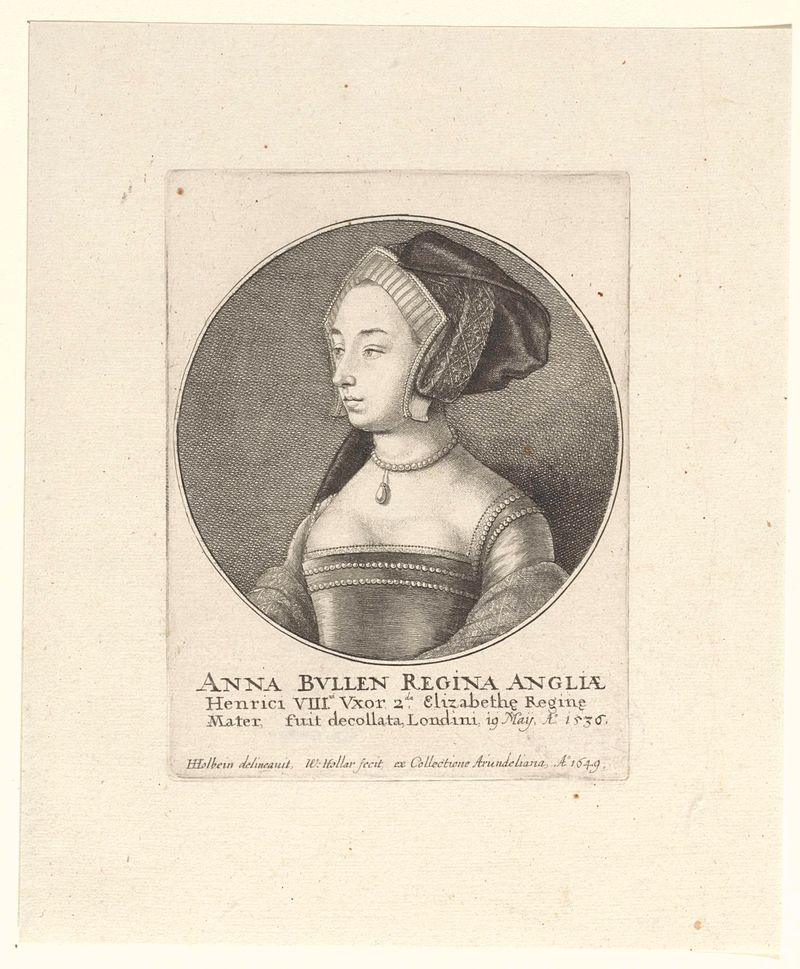
Portret van Anna Boleyn, koningin van Engeland
Wenceslaus Hollar
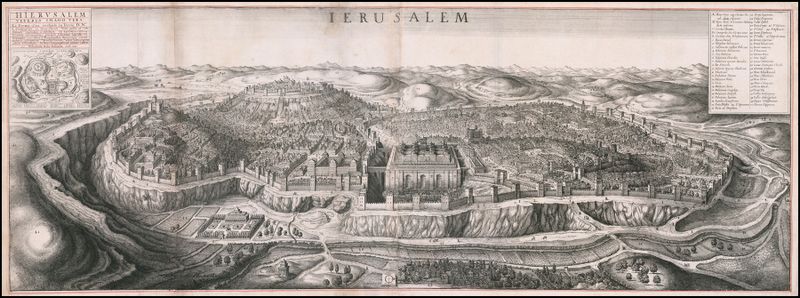
Bird’s eye view of Jerusalem
Wenceslaus Hollar
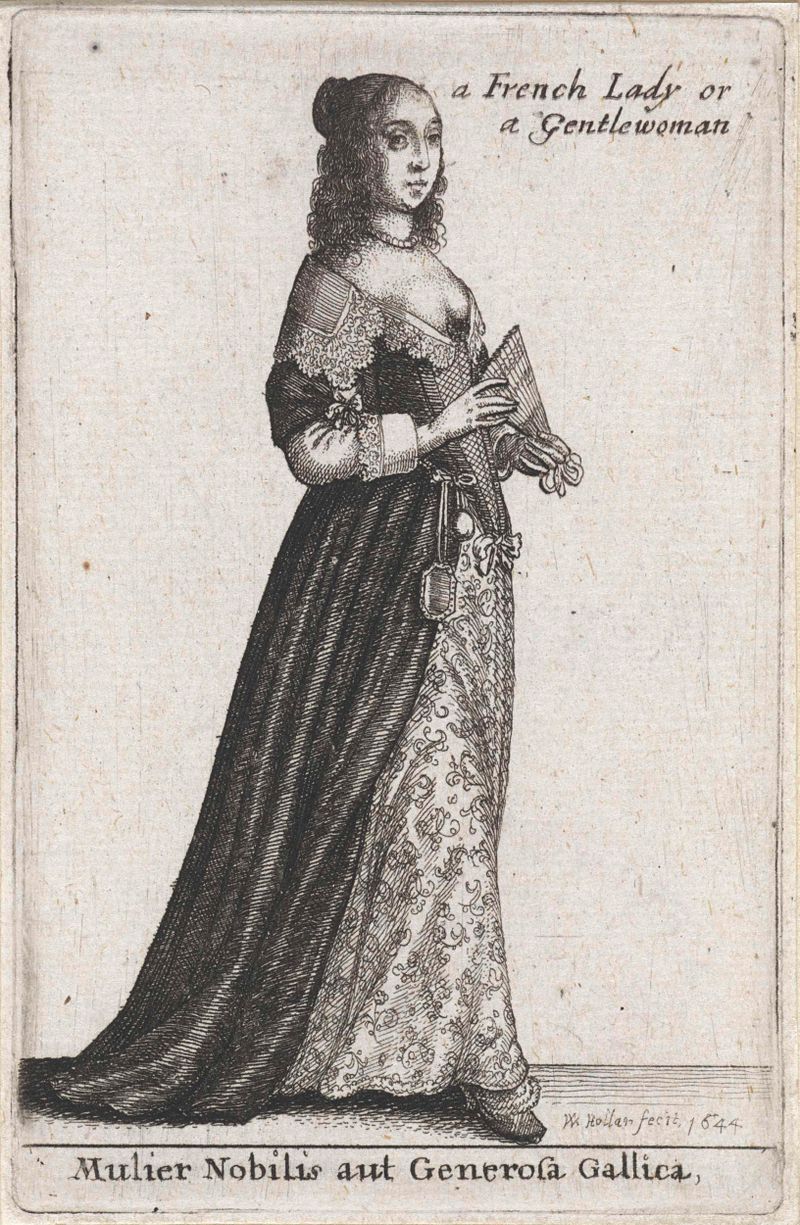
Mulier Nobilis aut Generosa Gallica / a French Lady or Gentlewoman
Wenceslaus Hollar
Titelprent voor: Ornatus Muliebris Anglicanus
Wenceslaus Hollar
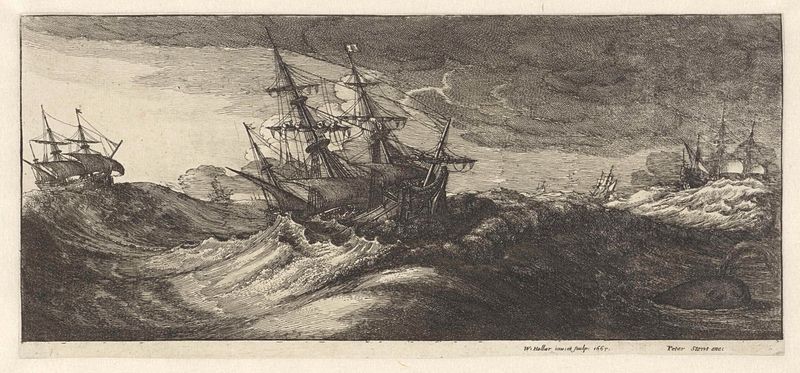
Oorlogsschepen en een walvis in een zeestorm
Wenceslaus Hollar
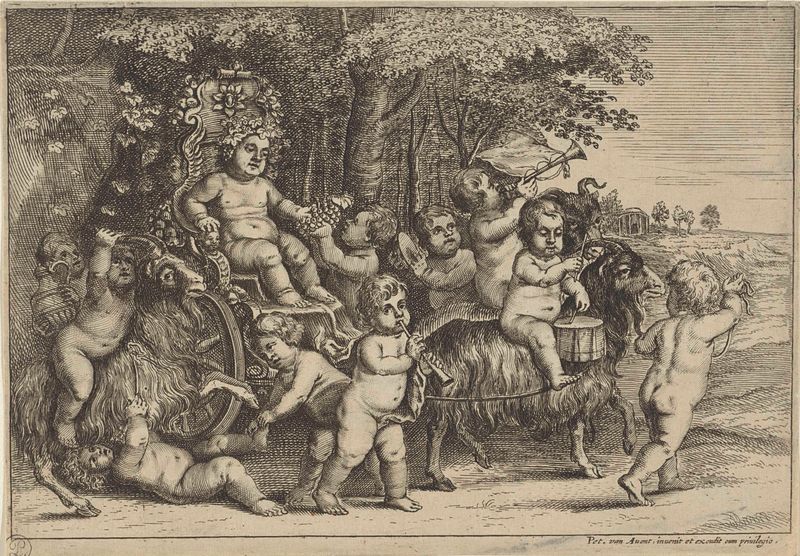
Optocht van bacchant en jongetjes op geiten
Wenceslaus Hollar
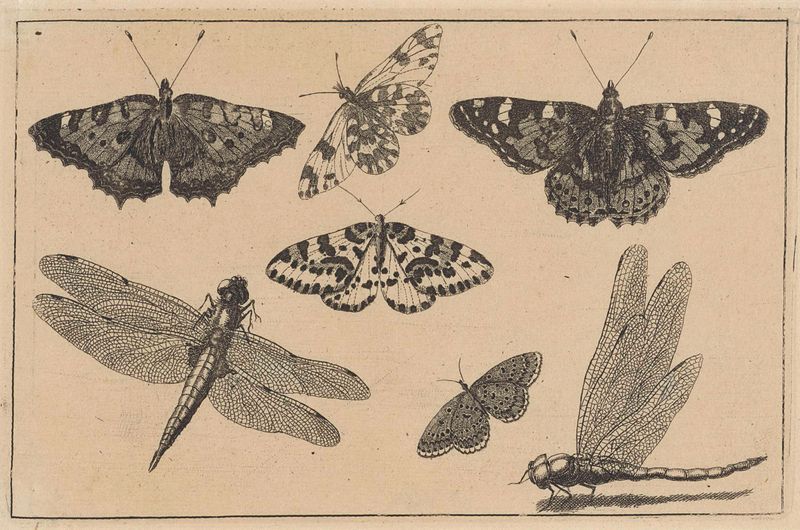
Twee libellen en vijf vlinders
Wenceslaus Hollar
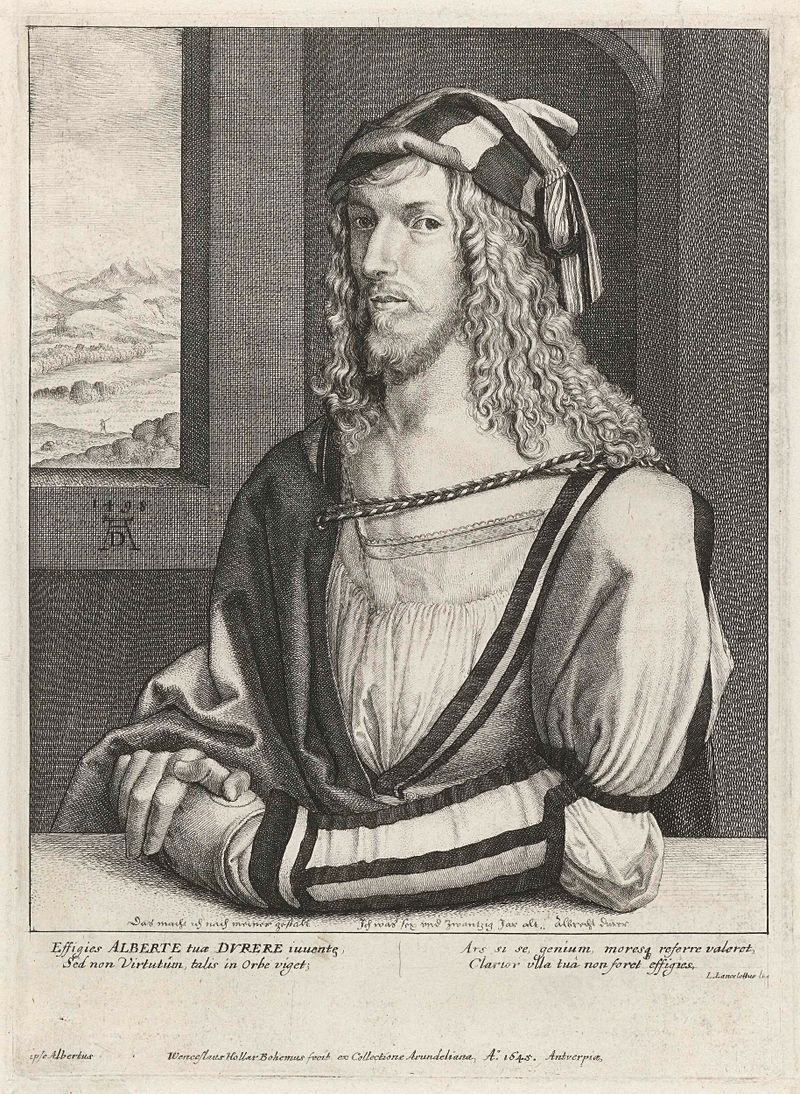
Portret van Albrecht Dürer
Wenceslaus Hollar
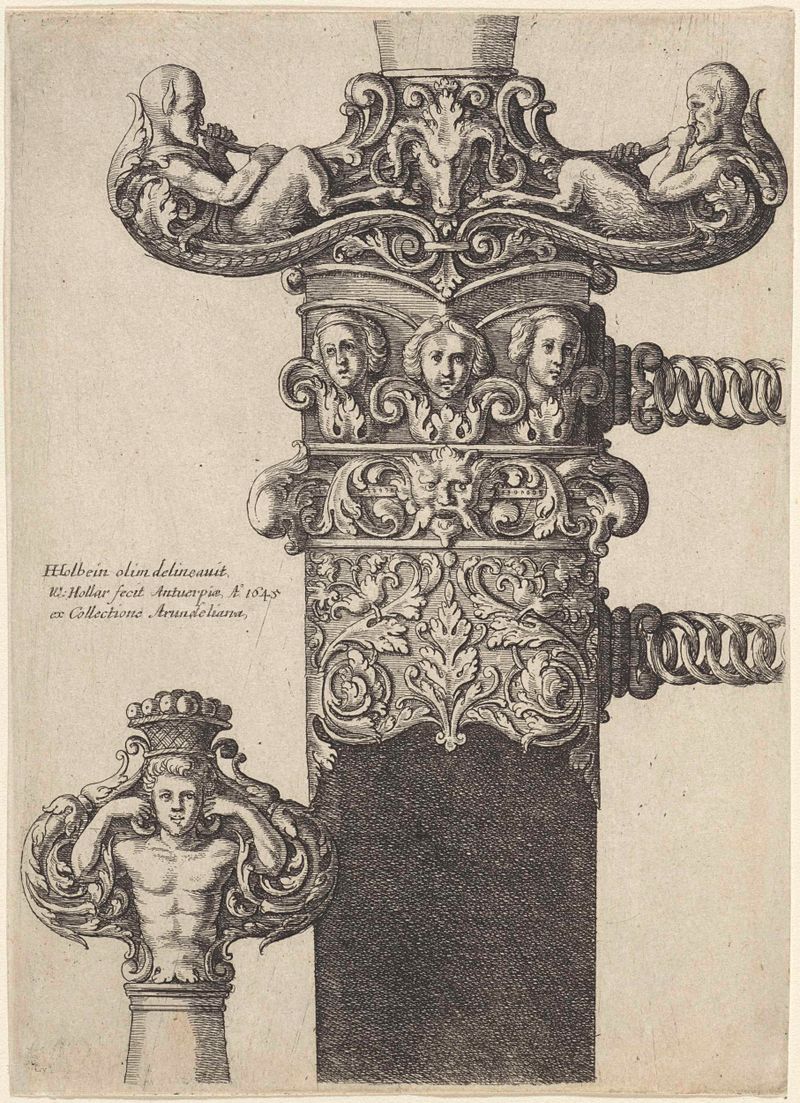
Ornamenteel ontwerp voor een dolk
Wenceslaus Hollar
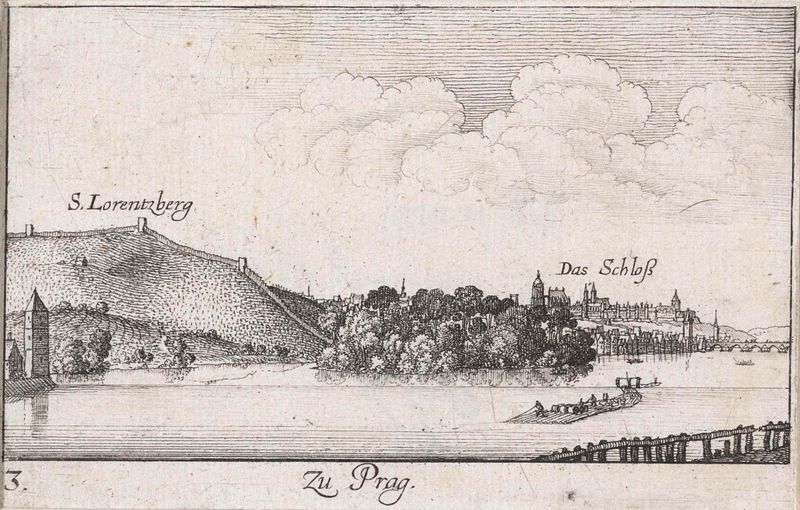
Gezicht op Praag vanaf de Moldau
Wenceslaus Hollar





