Mof van bont, een zakdoek en een masker — History & Facts
Can beauty exist without sorrow? In Wenceslaus Hollar’s Mof van bont, een zakdoek en een masker, we find an embodiment of this profound question, where the passage of time intertwines with the ephemeral nature of beauty and loss. Through the artist’s delicate lines and nuanced textures, a fleeting moment captures the essence of existence, forging a connection between the viewer and the transient human experience. Look closely at the intricate details of the fur, where strokes of light and shadow dance subtly, revealing the rich layers of color that make the material feel tangible. Notice how the delicate folds of the handkerchief reflect a softness that contrasts sharply with the stark mask beside it—each element carefully positioned to draw the eye.
The muted palette, punctuated by deep browns and subtle grays, evokes a sense of nostalgia, inviting contemplation of both beauty and mortality. The juxtaposition of the luxurious fur with the starkness of the mask hints at the duality of life; it speaks to the allure of beauty shadowed by the inevitability of decay. The mask—often a symbol of performance and hiding—may suggest an ever-present tension between authenticity and façade. Together, these elements provoke an emotional response, reminding us that time both beautifies and erodes, encapsulating the transient nature of human endeavors. Hollar created this piece during the period of the Thirty Years' War, a time marked by upheaval and change across Europe.
Working in London in 1642, he channeled his experiences amidst a shifting artistic landscape, influenced by the baroque style that emerged in his earlier life in Prague. This work not only reflects his mastery of etching but also engages with the broader themes of beauty and mortality, resonating deeply with the turbulent world around him.
More Artworks by Wenceslaus Hollar
Browse all →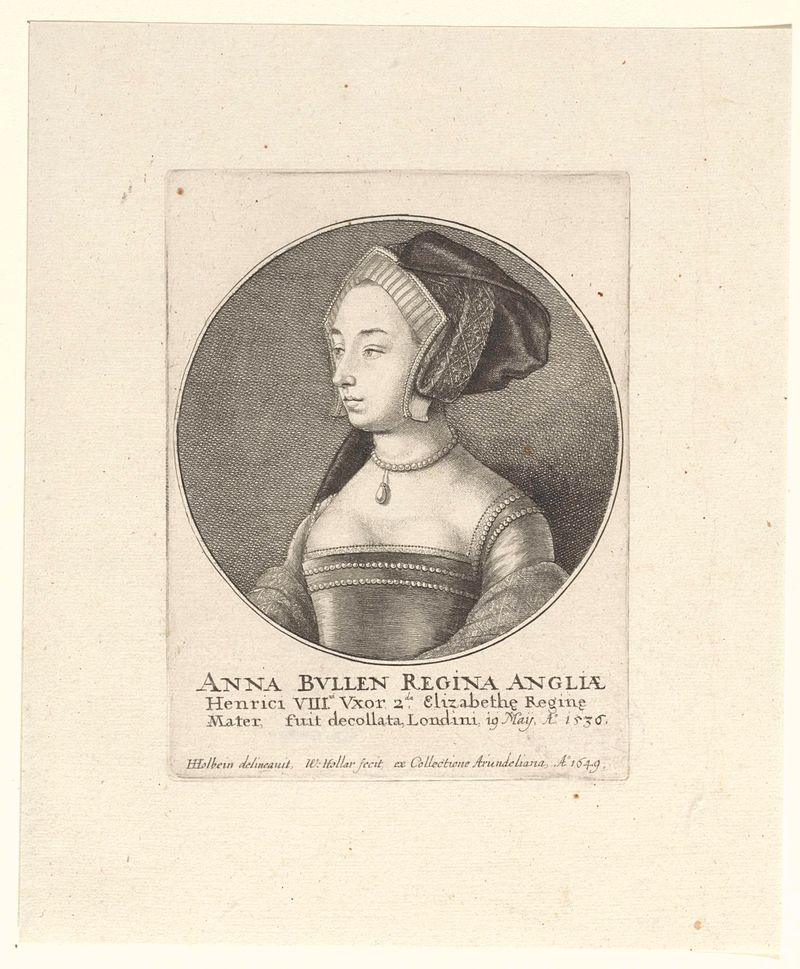
Portret van Anna Boleyn, koningin van Engeland
Wenceslaus Hollar
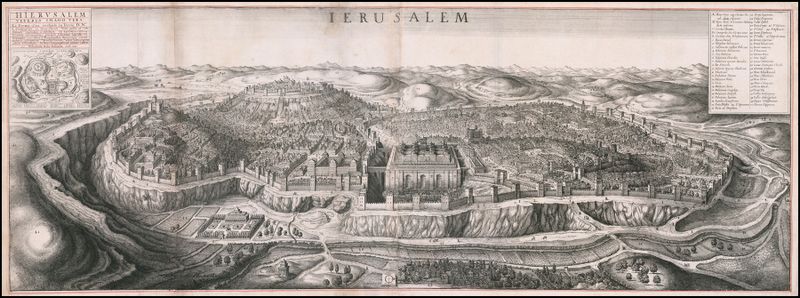
Bird’s eye view of Jerusalem
Wenceslaus Hollar
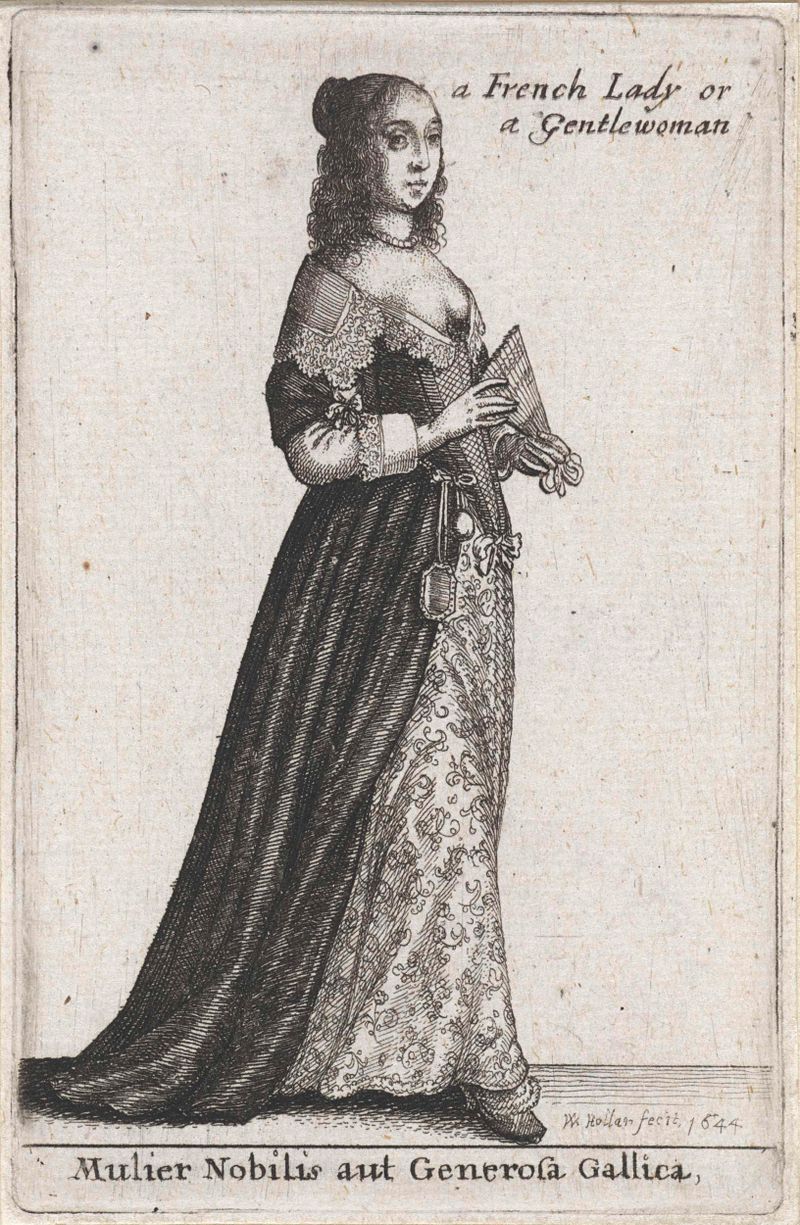
Mulier Nobilis aut Generosa Gallica / a French Lady or Gentlewoman
Wenceslaus Hollar
Titelprent voor: Ornatus Muliebris Anglicanus
Wenceslaus Hollar
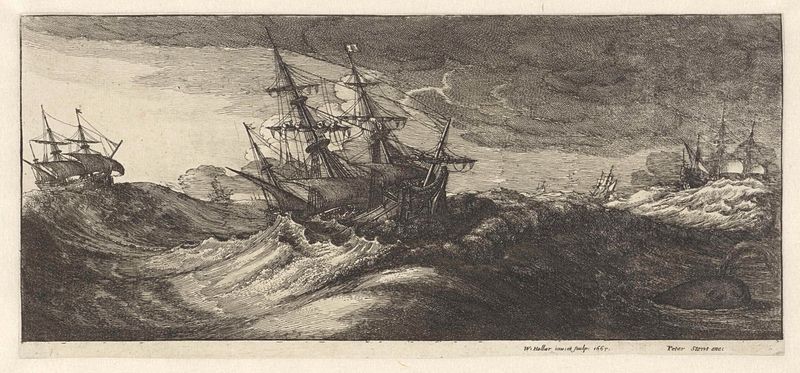
Oorlogsschepen en een walvis in een zeestorm
Wenceslaus Hollar
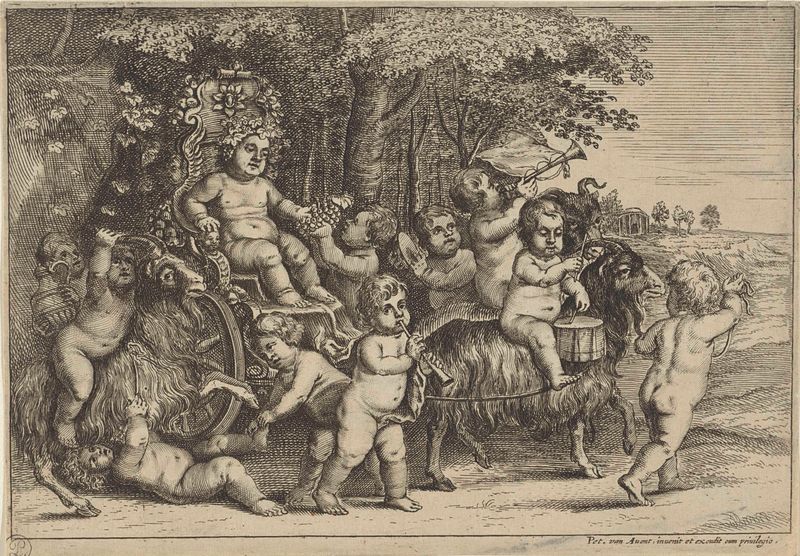
Optocht van bacchant en jongetjes op geiten
Wenceslaus Hollar
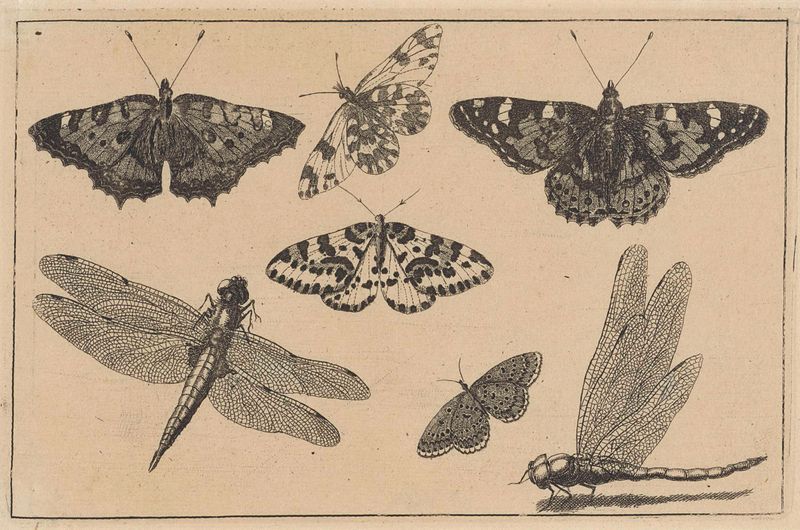
Twee libellen en vijf vlinders
Wenceslaus Hollar
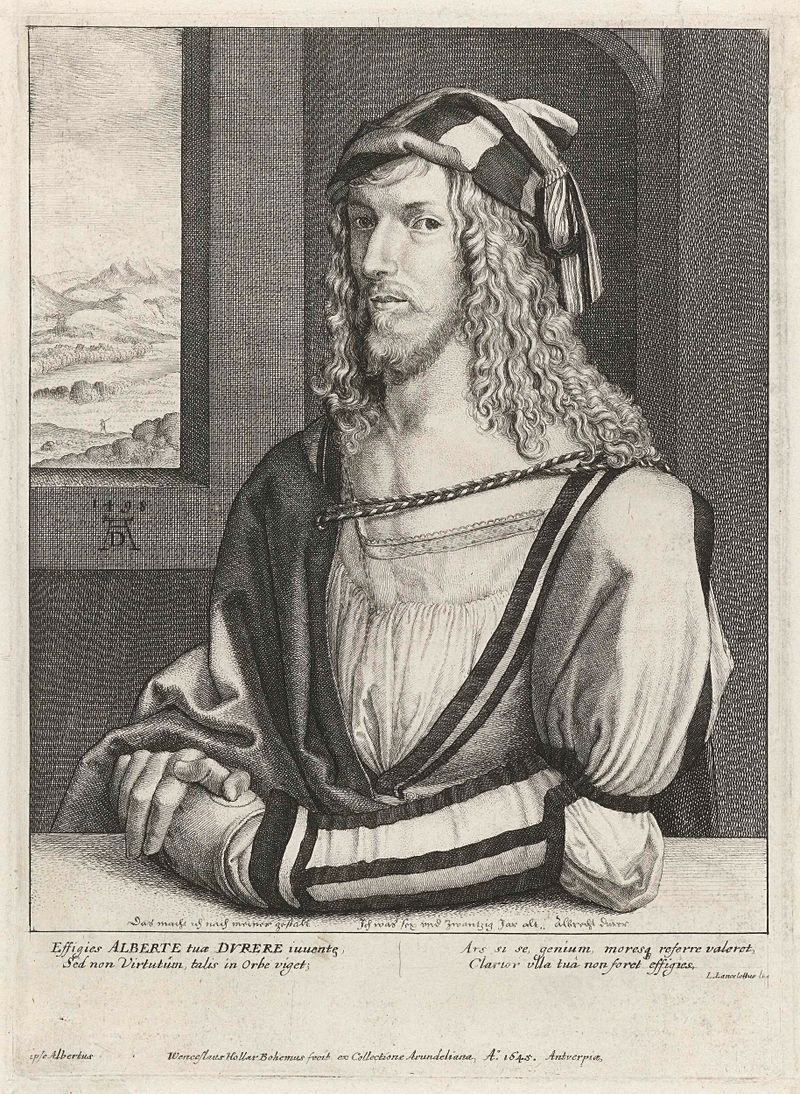
Portret van Albrecht Dürer
Wenceslaus Hollar
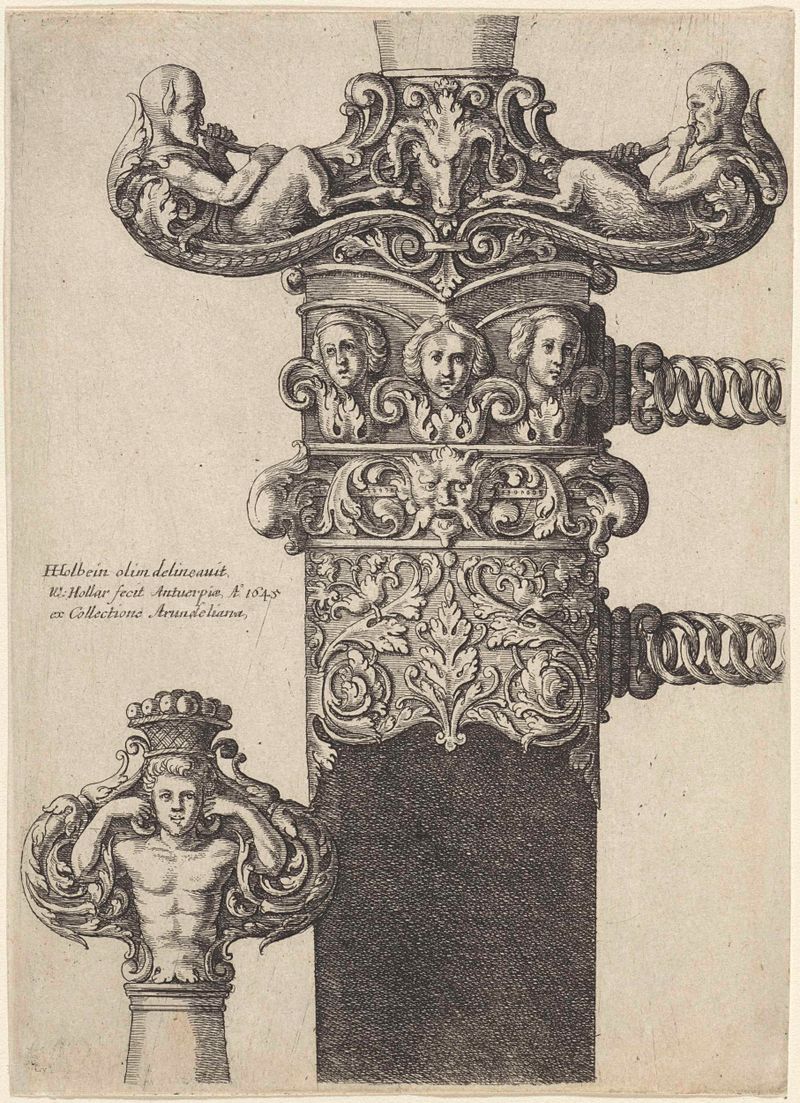
Ornamenteel ontwerp voor een dolk
Wenceslaus Hollar
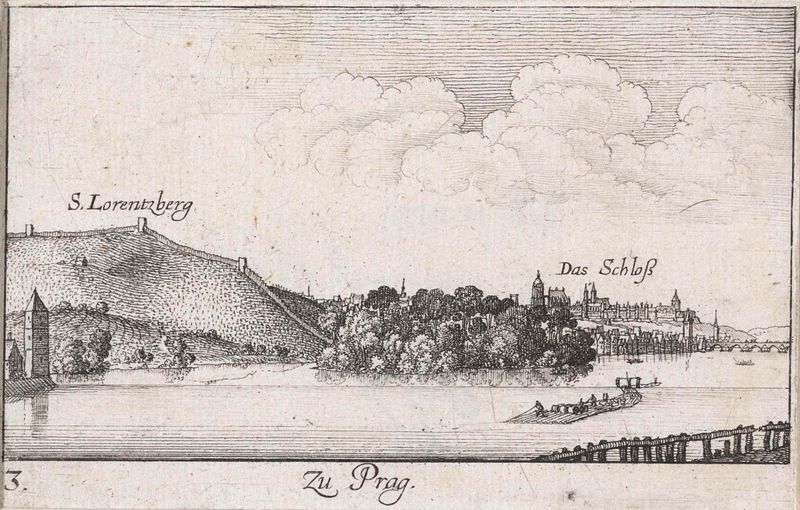
Gezicht op Praag vanaf de Moldau
Wenceslaus Hollar