Mof van bont versierd met brokaatband — History & Facts
In the delicate interplay of vibrant hues and muted tones, decay becomes an intimate whisper, revealing the fragility of beauty. Look to the rich fabric that sprawls across the canvas, adorned with intricate brocade and lavish ornamentation. The artist’s meticulous attention to detail draws the eye first to the golden accents, which shimmer against the deep colors, evoking a sense of opulence. Notice how the folds of the textile cascade down, capturing the light in a way that both celebrates and hints at the inevitable erosion of time.
The juxtaposition of vibrancy and wear suggests a deeper narrative, urging us to confront the transient nature of splendor. Within this sophisticated composition lies a poignant contrast between permanence and decay. The lavish brocade, once a symbol of wealth, now serves as a reminder of fragility; its ornate patterns seem to fade into the background, challenging the viewer to confront the ephemerality of human craftsmanship. Each thread tells a story of loss, urging us to ponder what remains after the surface beauty deteriorates.
The artist’s choice of colors seems to echo this sentiment — bright and rich, yet tinged with the melancholia of time passing. Wenceslaus Hollar created this piece in 1647, during a time when he was living in London after fleeing the turmoil of the Thirty Years' War in his native Bohemia. The art world was transitioning towards Baroque sensibilities, emphasizing detail and realism, which became pivotal factors in his work. Faced with personal and political upheaval, Hollar's exploration of decay within this piece reflects the broader human experience of loss and transformation during a period of great uncertainty.
More Artworks by Wenceslaus Hollar
Browse all →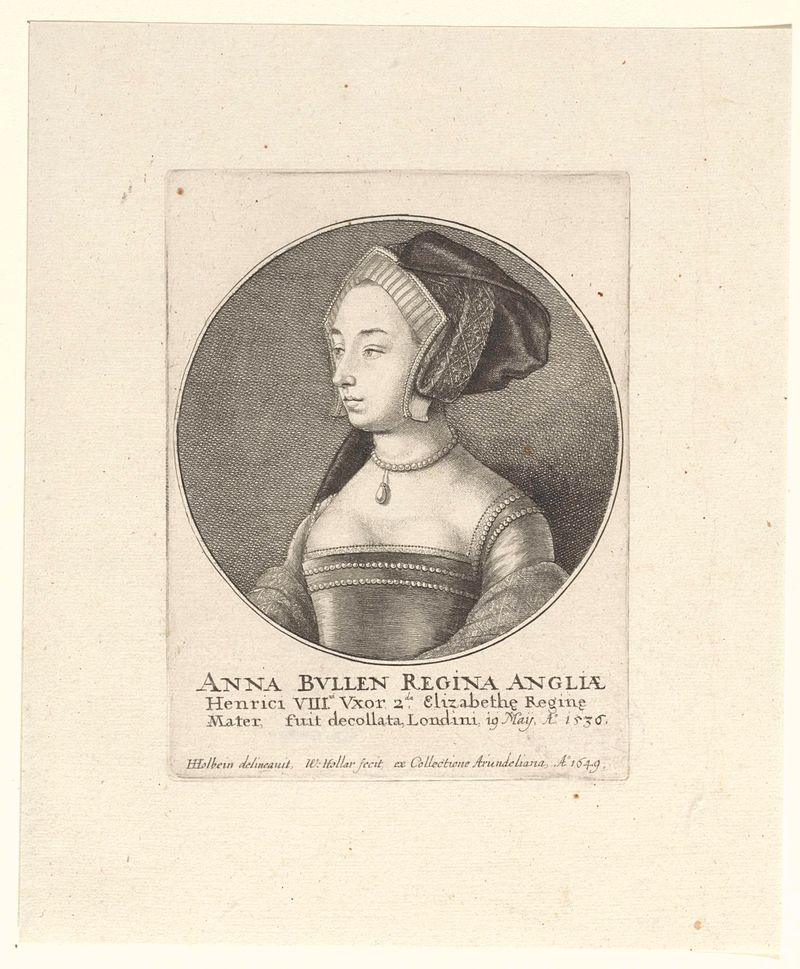
Portret van Anna Boleyn, koningin van Engeland
Wenceslaus Hollar
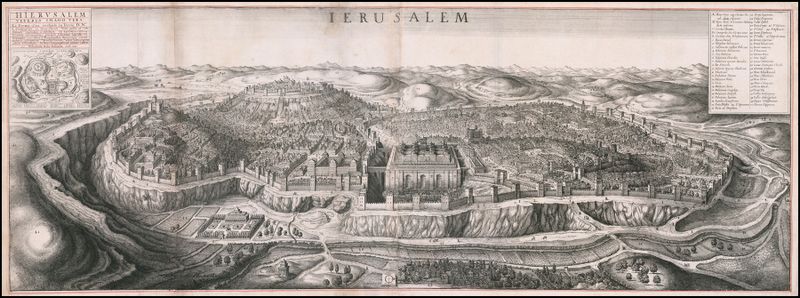
Bird’s eye view of Jerusalem
Wenceslaus Hollar
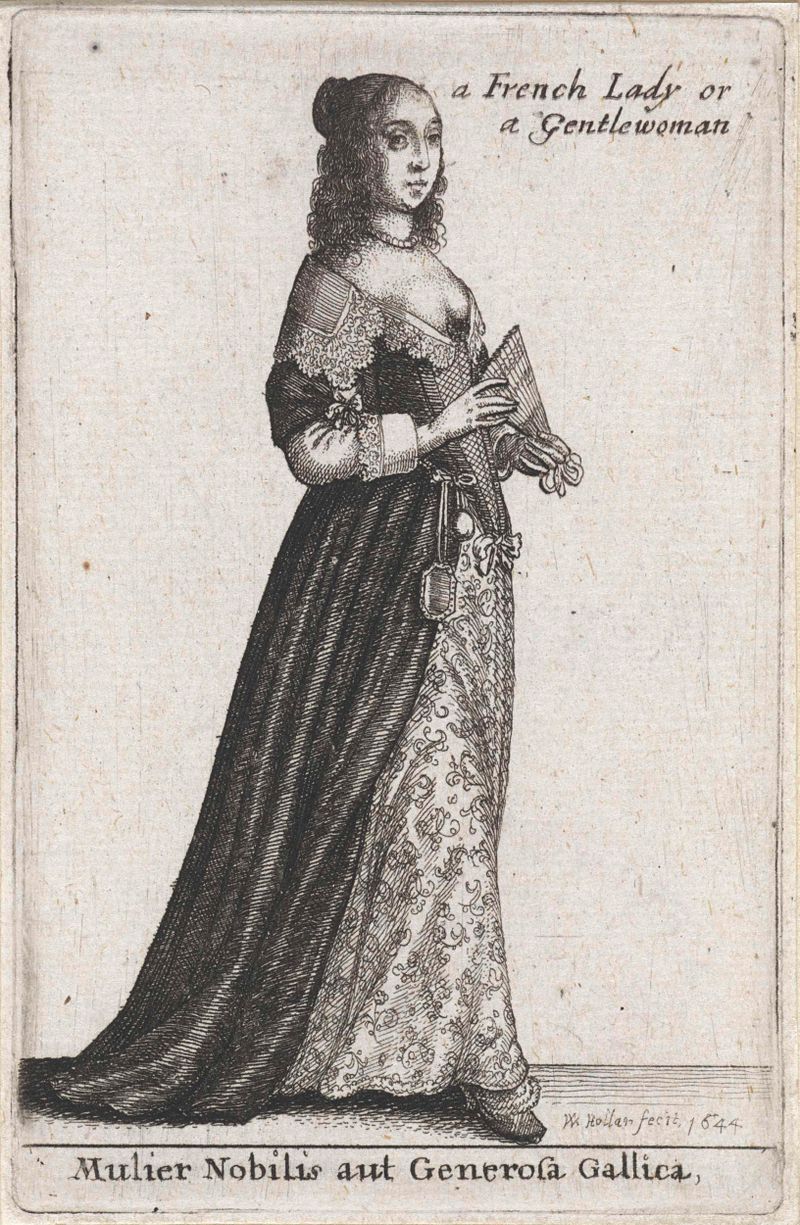
Mulier Nobilis aut Generosa Gallica / a French Lady or Gentlewoman
Wenceslaus Hollar
Titelprent voor: Ornatus Muliebris Anglicanus
Wenceslaus Hollar
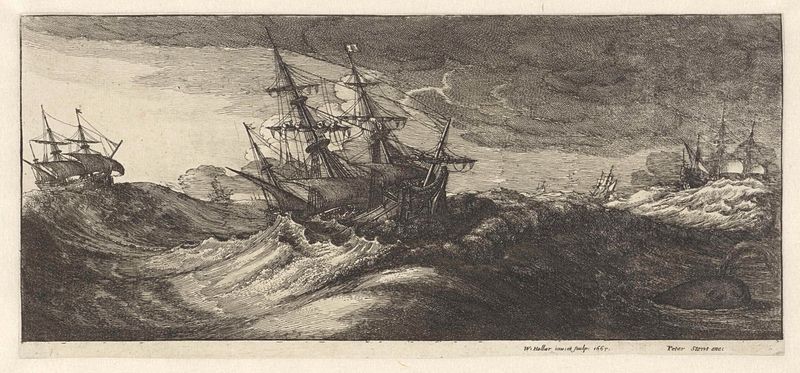
Oorlogsschepen en een walvis in een zeestorm
Wenceslaus Hollar
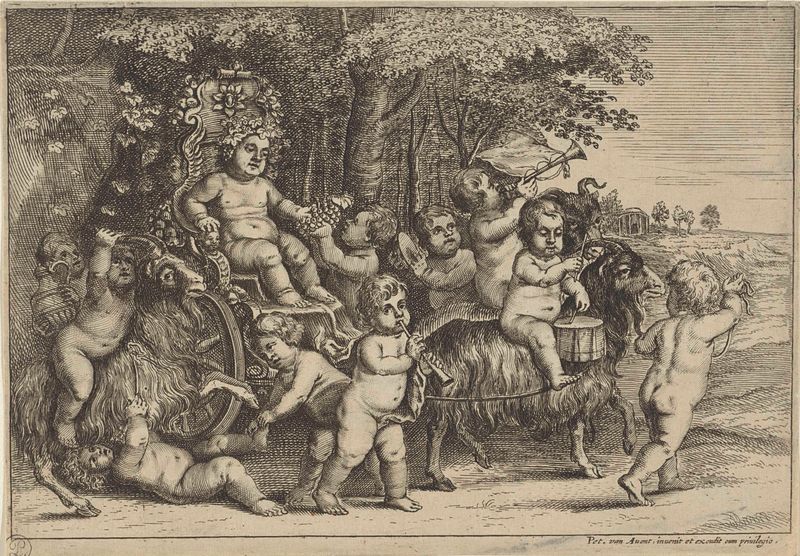
Optocht van bacchant en jongetjes op geiten
Wenceslaus Hollar
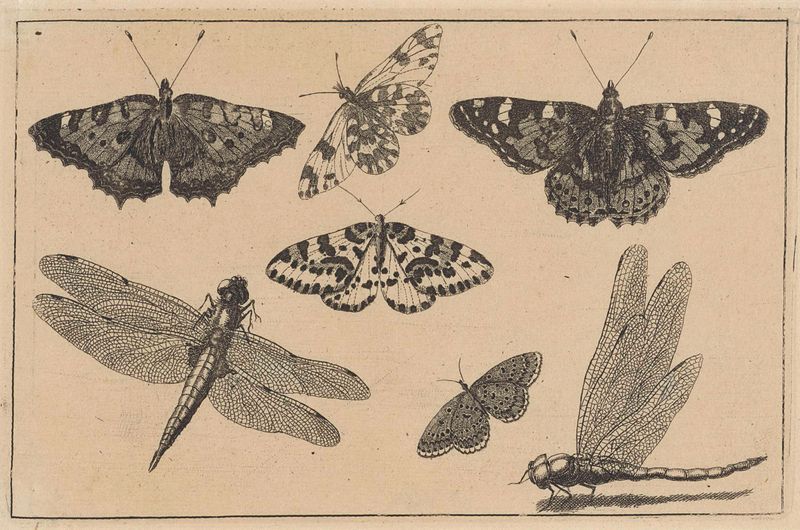
Twee libellen en vijf vlinders
Wenceslaus Hollar
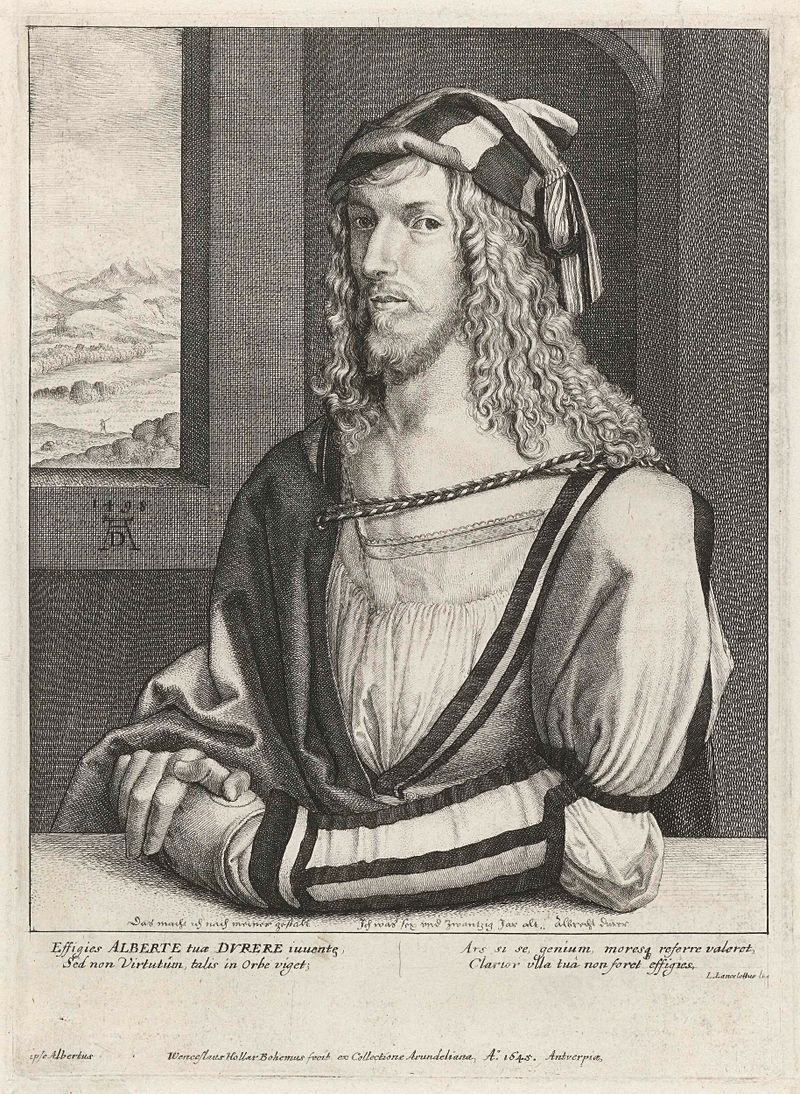
Portret van Albrecht Dürer
Wenceslaus Hollar
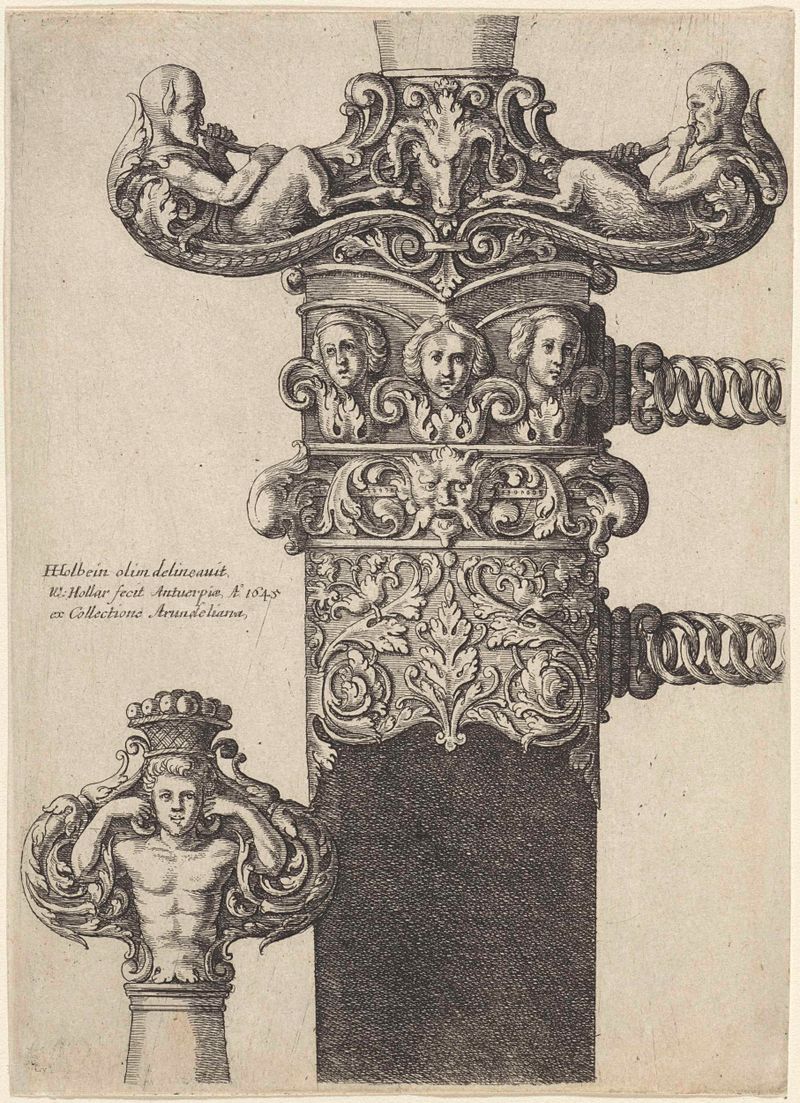
Ornamenteel ontwerp voor een dolk
Wenceslaus Hollar
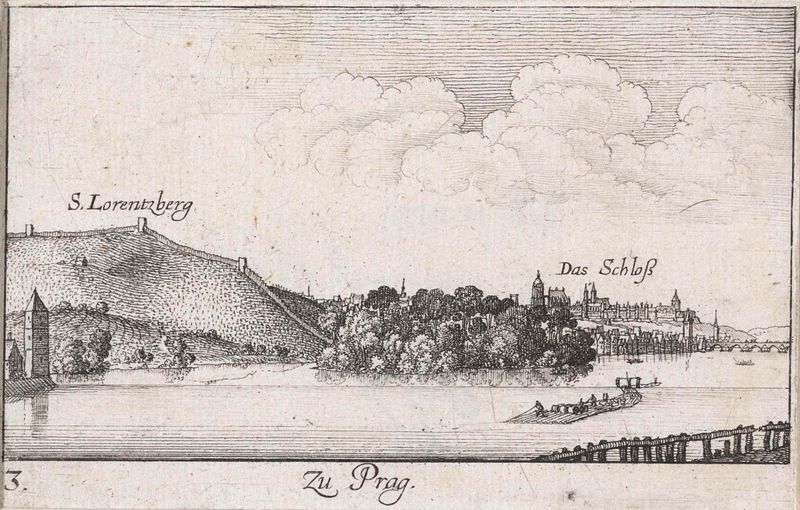
Gezicht op Praag vanaf de Moldau
Wenceslaus Hollar