Mof van bont versierd met brokaatband, liggend op tafel — History & Facts
Is this a mirror — or a memory? A lavish still life invites us to ponder the boundaries between the transient and the eternal, enticing our senses with its delicate beauty. Focus first on the intricate brocade that adorns the mohair laid gracefully across the table. The carefully captured textures draw your gaze, inviting you to feel the fibers’ plushness and the subtle sheen of the fabric. Notice how the play of light dances across the surface, revealing shadows that deepen the folds, creating a sense of depth and inviting intimacy with the object.
Each element, from the soft curves of the cloth to the delicate patterns of the brocade, reflects Hollar’s meticulous attention to detail. Yet, beneath the surface allure lies an emotional tension. The juxtaposition of the rich materials against the simplicity of the table invokes thoughts of mortality and rebirth. The opulence of the fabric symbolizes a fleeting beauty, while its placement suggests a moment frozen in time — an invitation to reflect on what is left behind.
Here, elegance meets the inevitability of decay, echoing the cycles of life and art itself. In the mid-17th century, Wenceslaus Hollar created this work in the vibrant artistic atmosphere of the Dutch Golden Age, where he became a prominent engraver and painter. Living in London during this time, he found himself balancing personal loss with a flourishing career, reflecting the transient beauty and deeper meanings that would hallmark his legacy. This piece encapsulates the era's fascination with material culture while subtly hinting at the passage of time and rebirth through art.
More Artworks by Wenceslaus Hollar
Browse all →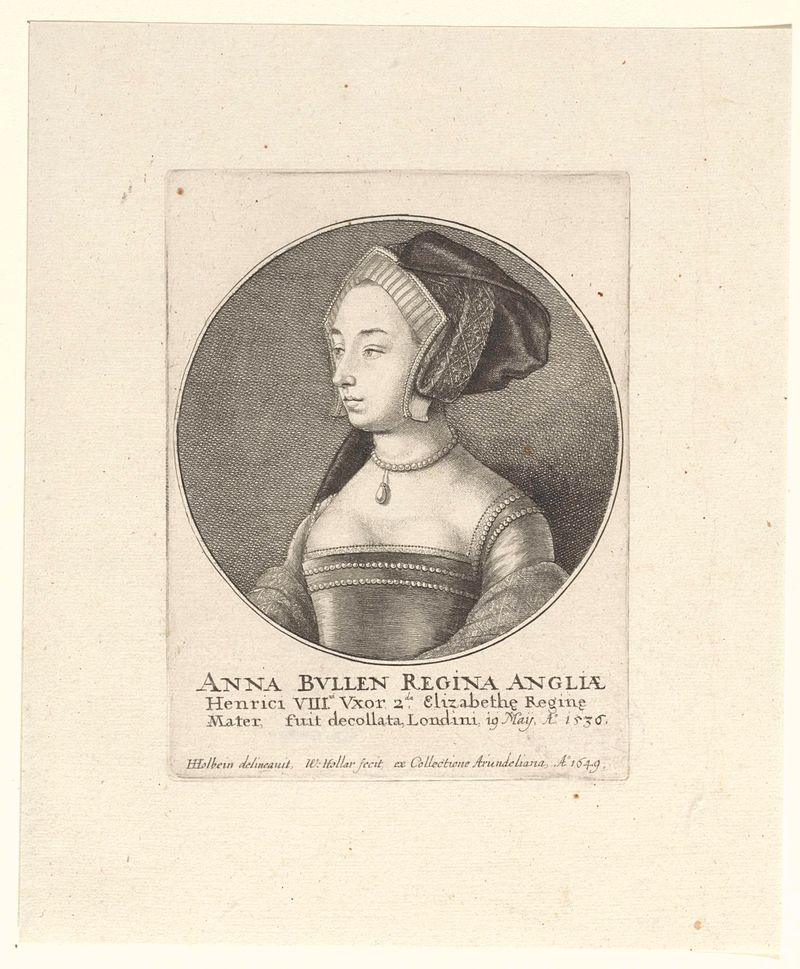
Portret van Anna Boleyn, koningin van Engeland
Wenceslaus Hollar
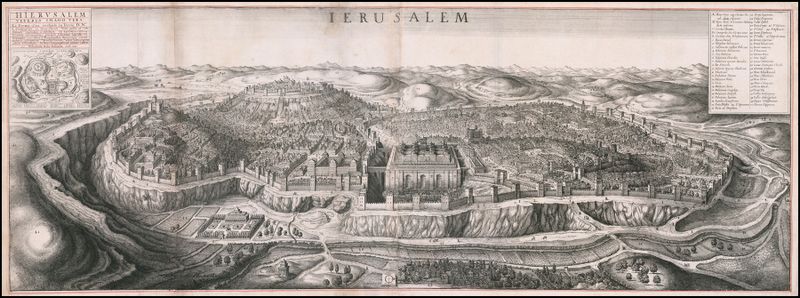
Bird’s eye view of Jerusalem
Wenceslaus Hollar
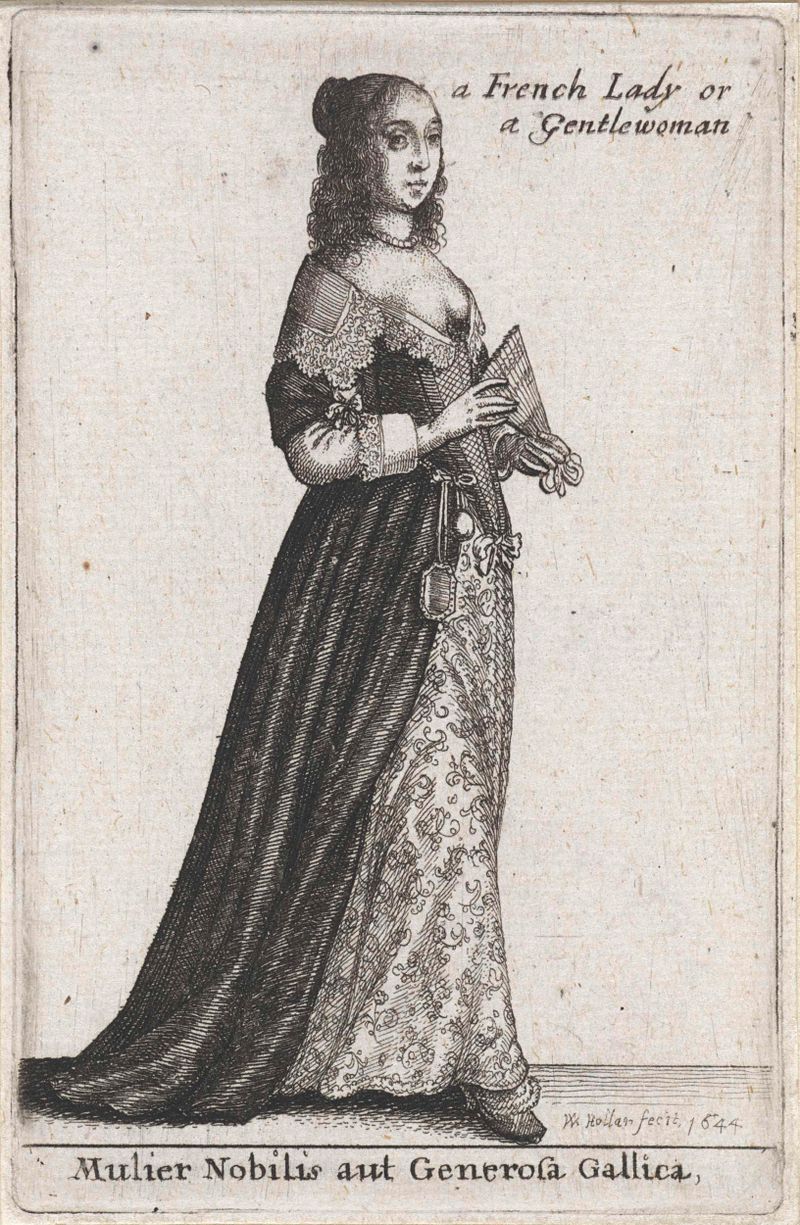
Mulier Nobilis aut Generosa Gallica / a French Lady or Gentlewoman
Wenceslaus Hollar
Titelprent voor: Ornatus Muliebris Anglicanus
Wenceslaus Hollar
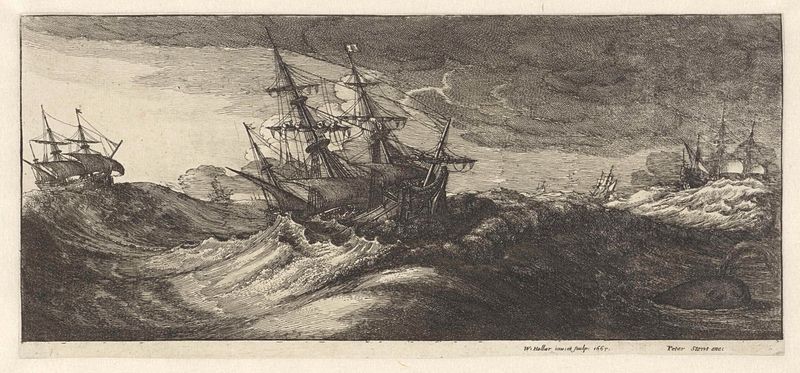
Oorlogsschepen en een walvis in een zeestorm
Wenceslaus Hollar
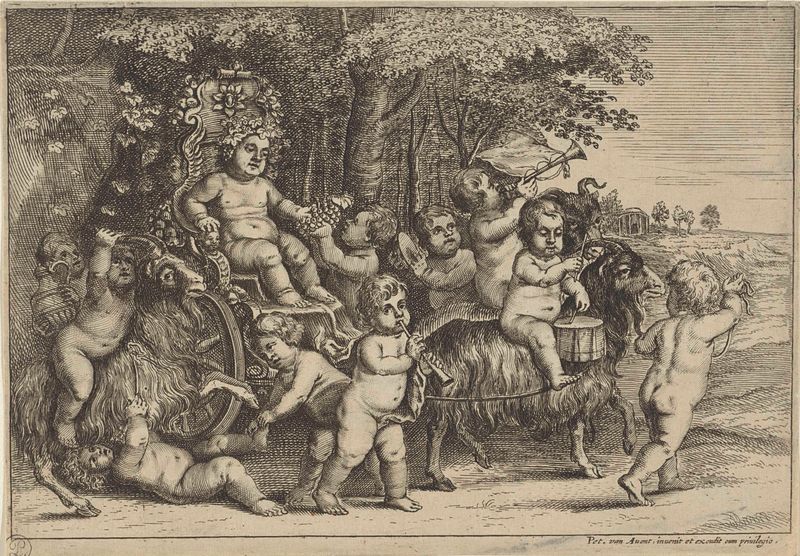
Optocht van bacchant en jongetjes op geiten
Wenceslaus Hollar
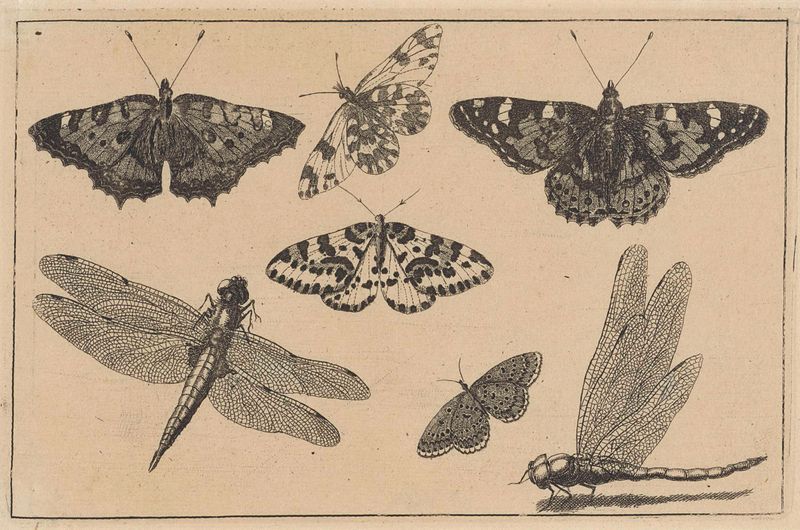
Twee libellen en vijf vlinders
Wenceslaus Hollar
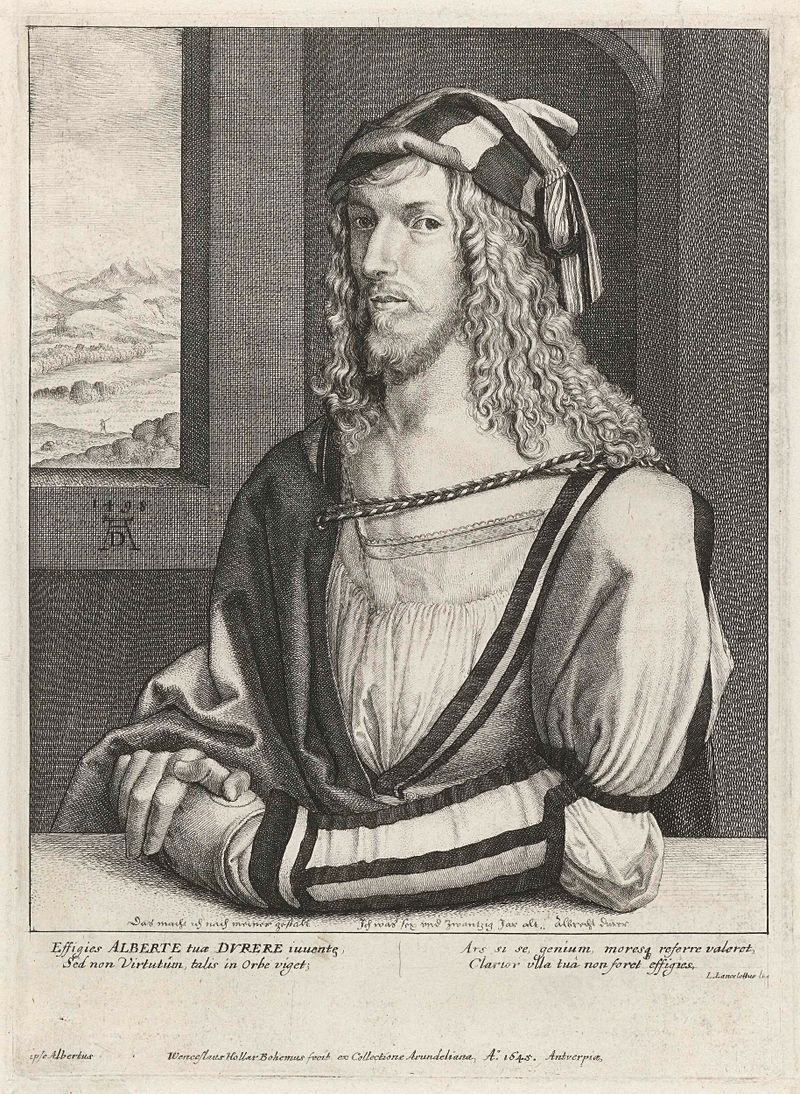
Portret van Albrecht Dürer
Wenceslaus Hollar
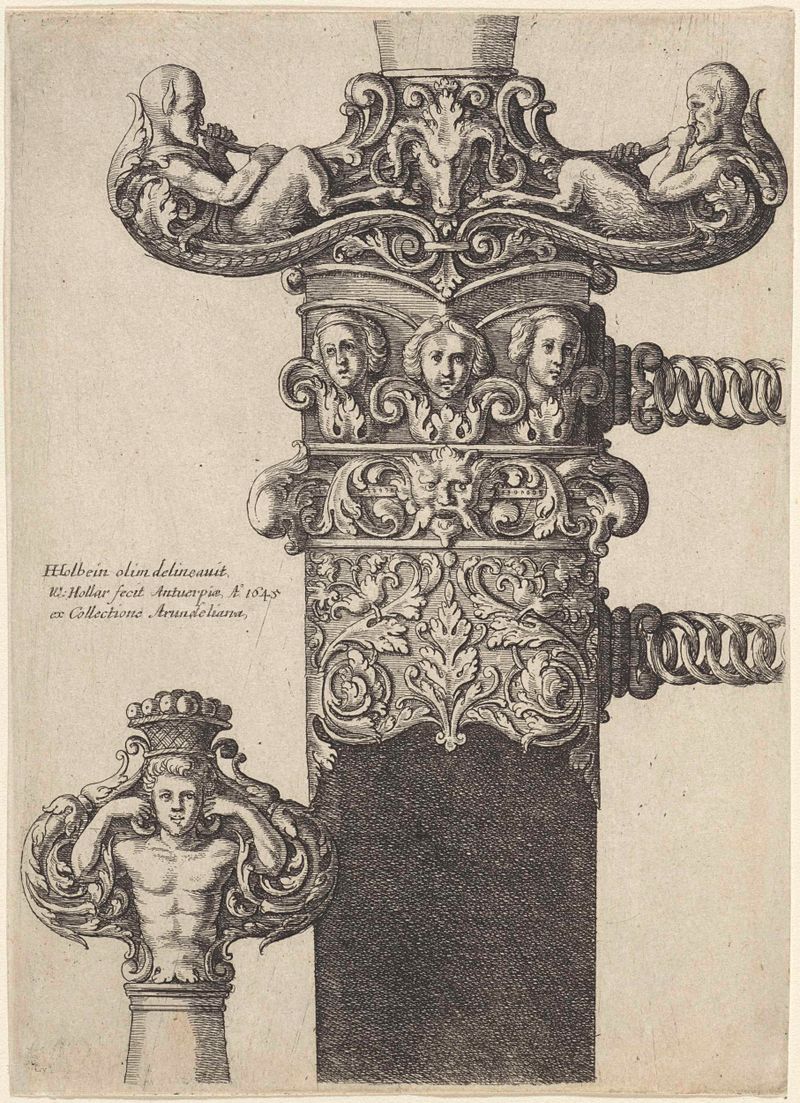
Ornamenteel ontwerp voor een dolk
Wenceslaus Hollar
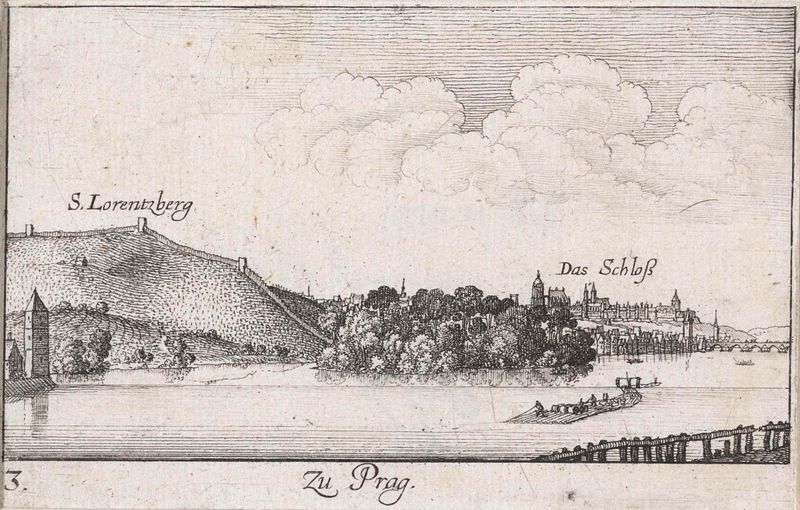
Gezicht op Praag vanaf de Moldau
Wenceslaus Hollar