
Monastir — History & Facts
What if beauty was never meant to be finished? In a world where chaos dances alongside creativity, the boundaries of madness and brilliance blur, leaving us yearning for the unachievable perfection that resides beyond our grasp. Look to the left at the vibrant landscape, where lush greens meet the cascading blues of the sky. Notice how the colors meld into one another, creating an impressionist haze that invites exploration. The distant mountains rise majestically, their jagged peaks softened by atmospheric perspective, while the foreground bursts with chaotic strokes, reflecting an exuberance that feels almost manic.
Each brushstroke vibrates with energy, embodying the artist's intense emotional state. Within this striking composition lies a profound tension between order and disorder. The lively flora contrasts sharply with the serene, almost haunting backdrop of Monastir, evoking a sense of longing for tranquility amidst the tumult of creativity. This juxtaposition suggests the duality of inspiration—the ecstasy of creation can meld with the madness of uncertainty, leaving viewers to ponder the delicate line between sanity and artistic brilliance. In 1848, Edward Lear painted this piece during his travels across the Mediterranean, a time when he grappled with his own mental struggles.
As he traversed landscapes both literal and metaphorical, Lear was deeply immersed in the Romantic movement, which celebrated unrestrained expression and the sublime. This work reflects not only his fascination with nature but also his quest for a sense of belonging in a world that often felt disordered and chaotic.
More Artworks by Edward Lear
Browse all →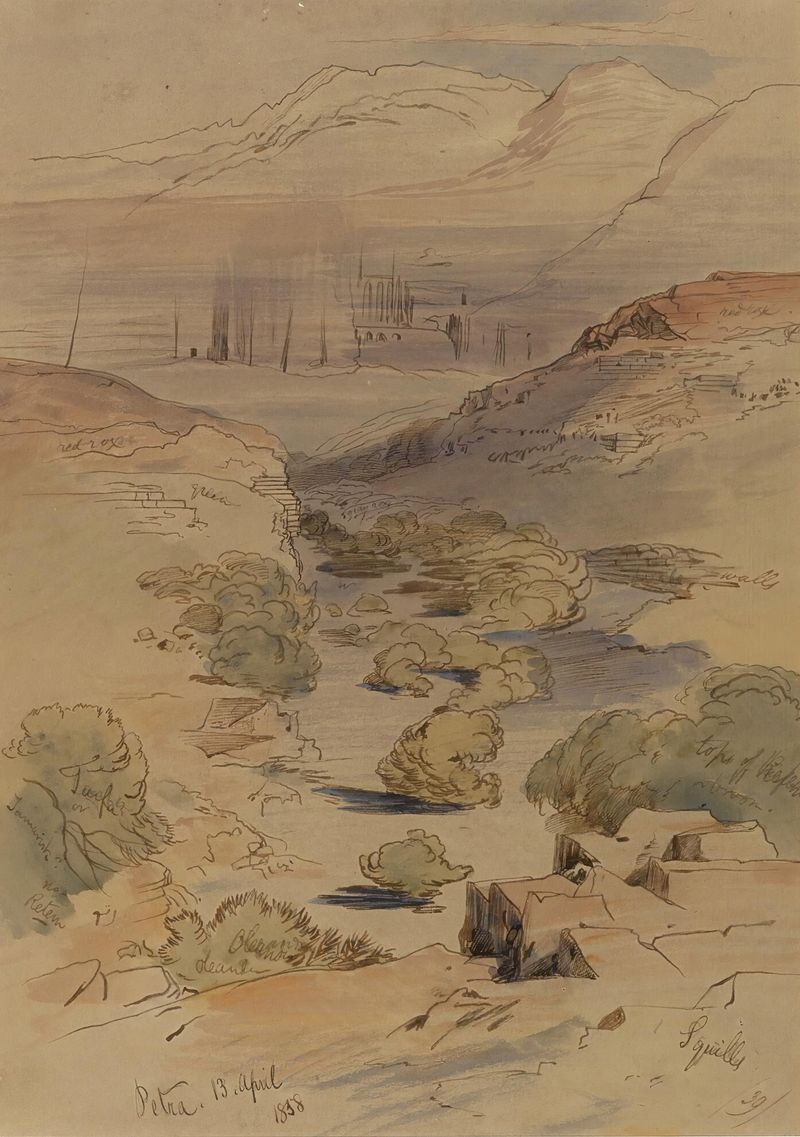
Petra
Edward Lear
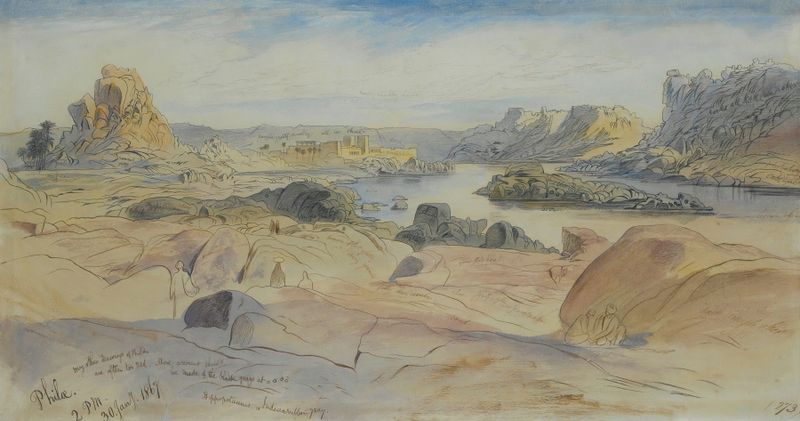
Philae, Egypt
Edward Lear
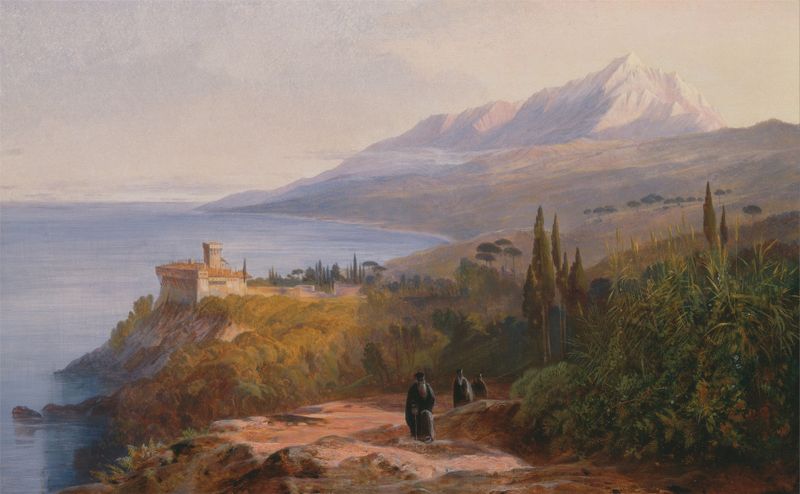
Mount Athos and the Monastery of Stavronikétes
Edward Lear
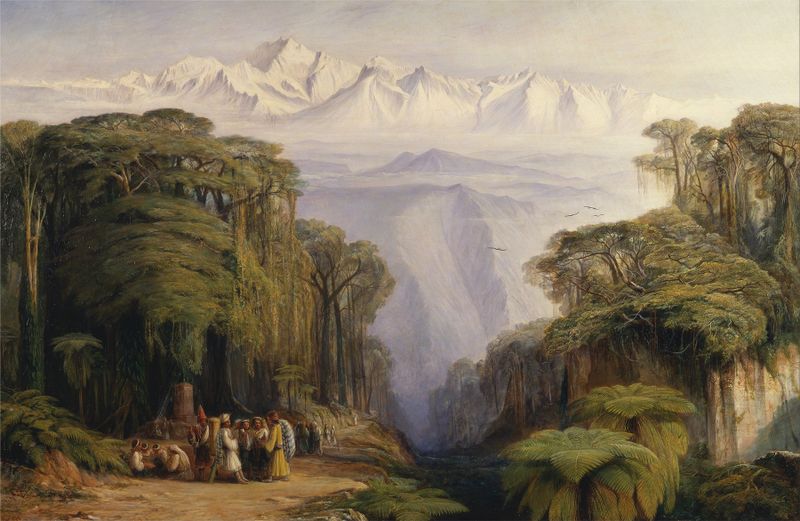
Kangchenjunga from Darjeeling
Edward Lear
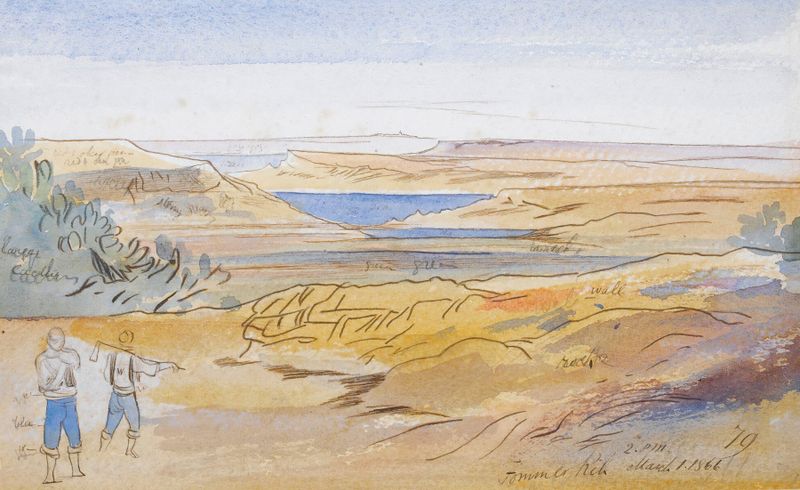
Fomm Ir-Rih, Malta
Edward Lear
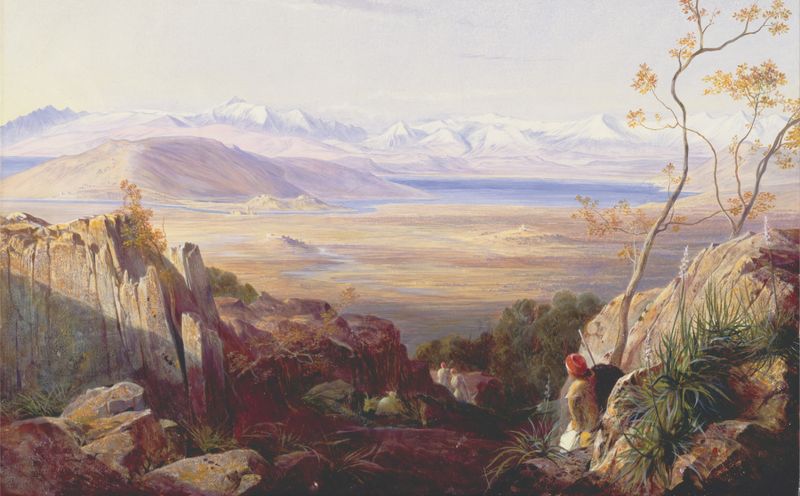
Butrinto, Albania
Edward Lear
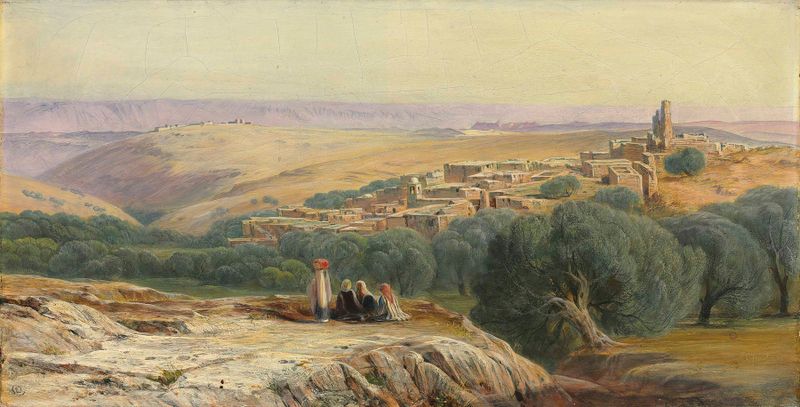
The Plains of Bethany
Edward Lear

Karnak, 9-30 pm, 22 January 1867
Edward Lear
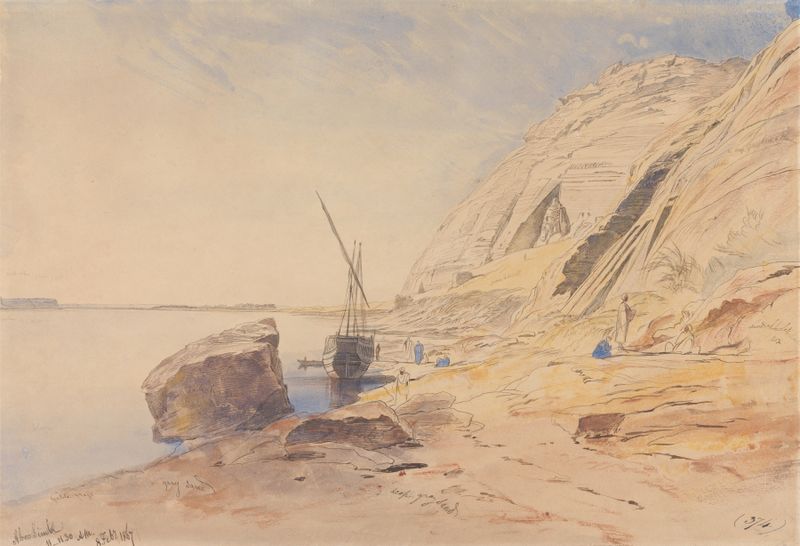
Abu Simbel, 11-11;30 am, 8 February 1867 (374)
Edward Lear

A View Of Mount Athos And The Pantokrator Monastery, Greece
Edward Lear





