
Mondaufgang — History & Facts
What secret hides in the quiet of the canvas? In the stillness of Mondaufgang, the viewer is invited to explore the delicate balance between nature's splendor and the human spirit's yearning for connection. Look to the left, where the moon’s luminous glow bathes the landscape in silvery light. Notice how the artist employs soft, swirling brushstrokes to create a tranquil sky, transitioning from deep blues to tranquil whites that evoke serenity. The horizon is softly painted, suggesting the dawn of a new day, while the gentle undulations of the foreground invite the viewer to step into the scene, merging the ethereal with the tangible. As you delve deeper, consider the interplay of light and shadow.
The moon represents both illumination and introspection, casting a glow that hints at hidden thoughts and emotions beneath the surface. The surrounding landscape, serene yet isolated, speaks to the human condition—a longing for understanding amidst the vastness of nature. This tension between solitude and serenity is a poignant reminder of the duality inherent in our experiences. In 1900, Jan Stanisławski was immersed in the artistic milieu of Poland, where he was a pivotal figure in the landscape movement.
During this period, he focused on capturing the essence of the natural world, influenced by impressionism and the burgeoning symbolism in art. The world was undergoing significant change, and his works reflected both the beauty and the challenges of modern life, establishing a unique voice that resonated with the viewers of his time.
More Artworks by Jan Stanisławski
Browse all →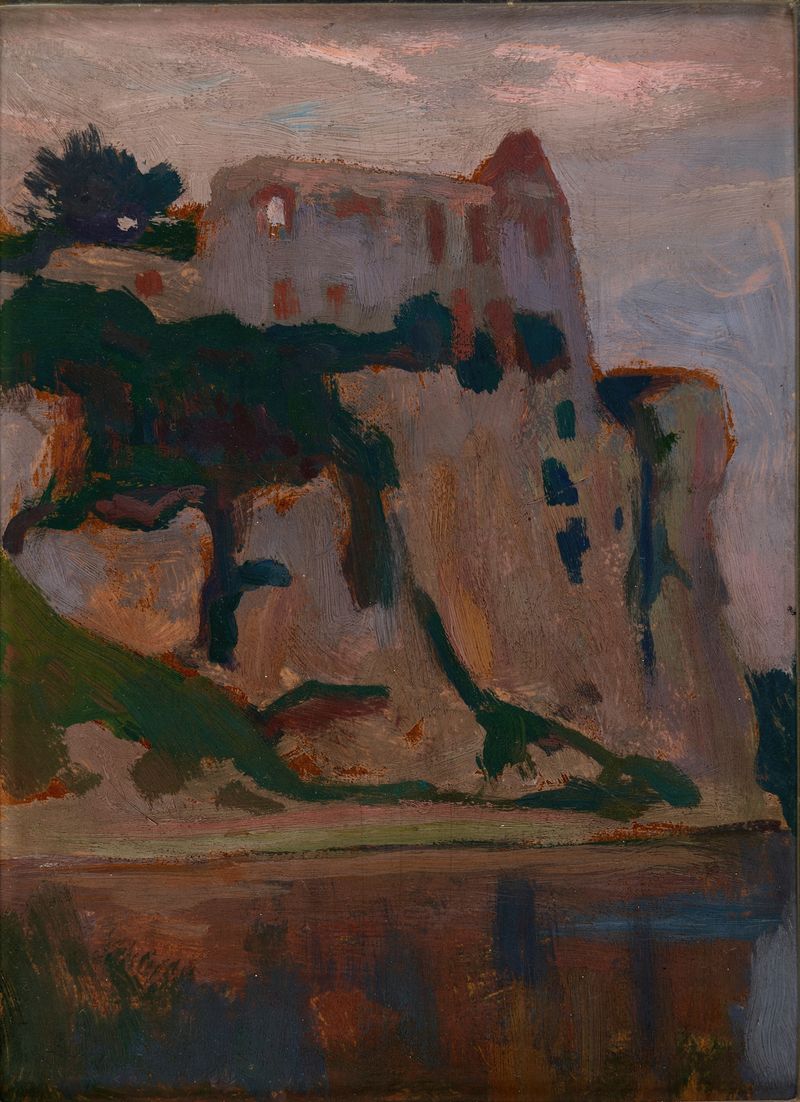
Tyniec at Dawn
Jan Stanisławski
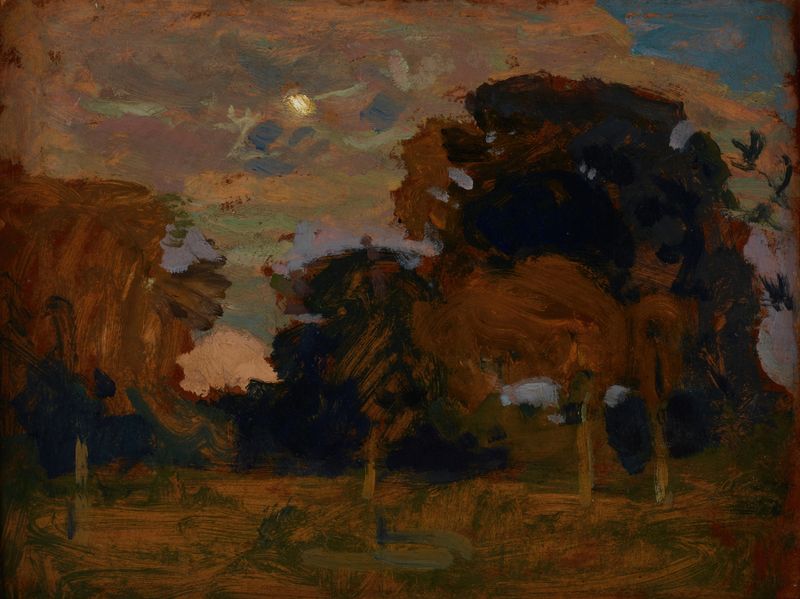
Moon in the Clouds
Jan Stanisławski
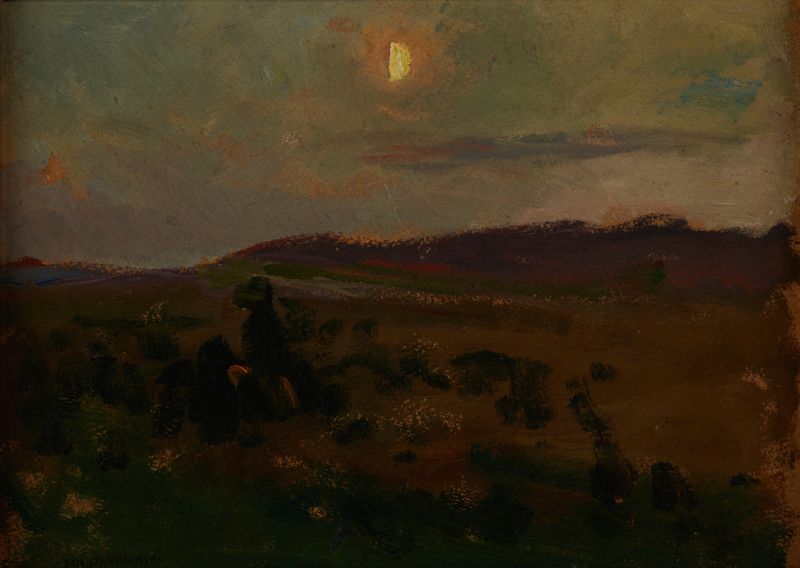
Moonrise
Jan Stanisławski
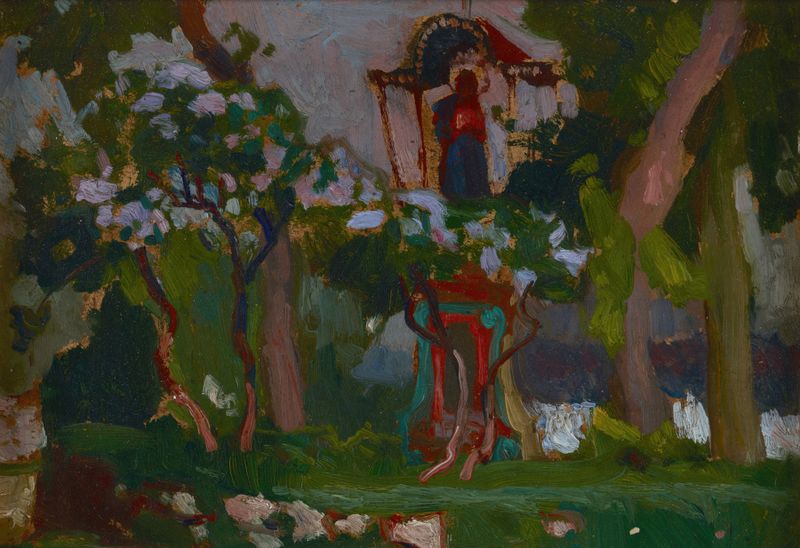
May
Jan Stanisławski
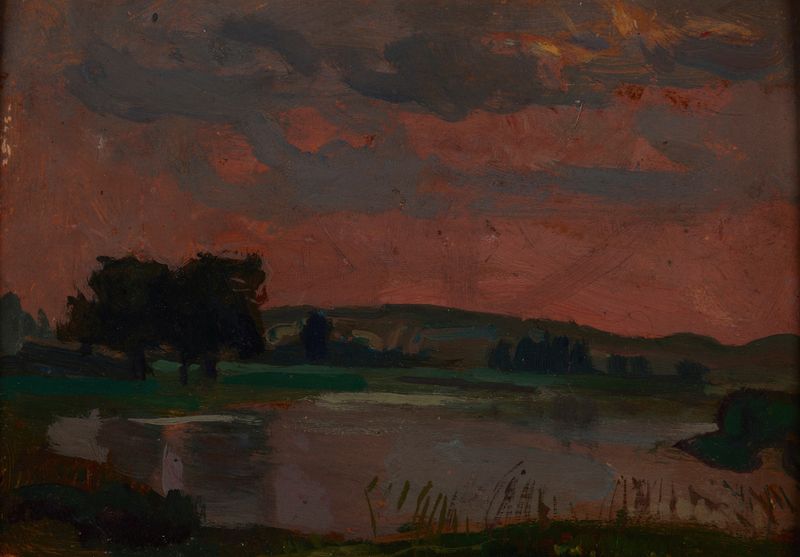
The Vistula in the Twilight
Jan Stanisławski
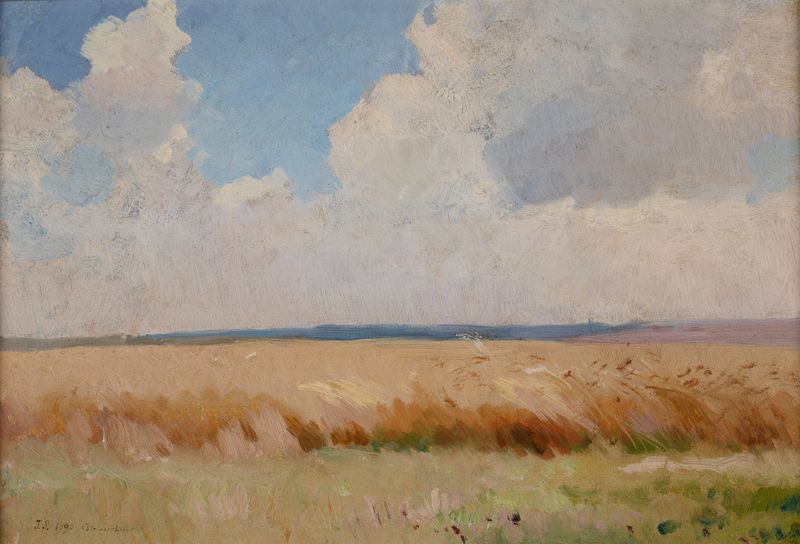
Field at Białocerkiew (Bila Tserkva)
Jan Stanisławski
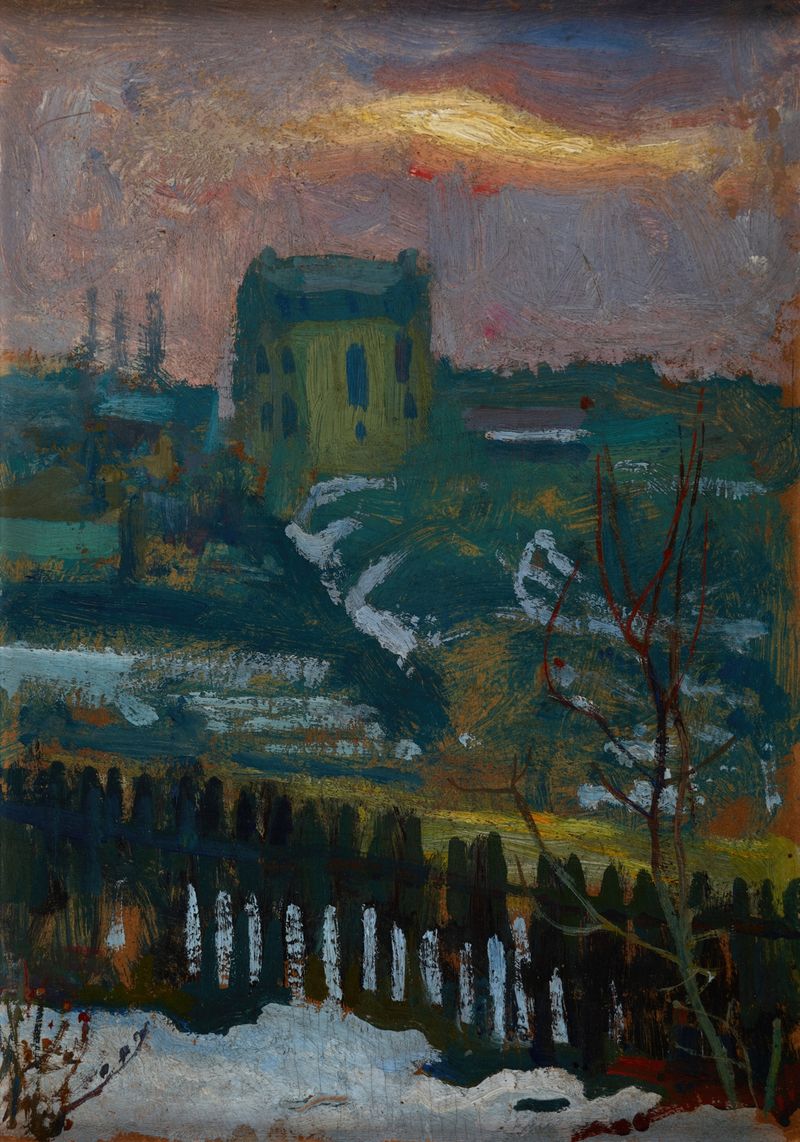
House in Winter
Jan Stanisławski
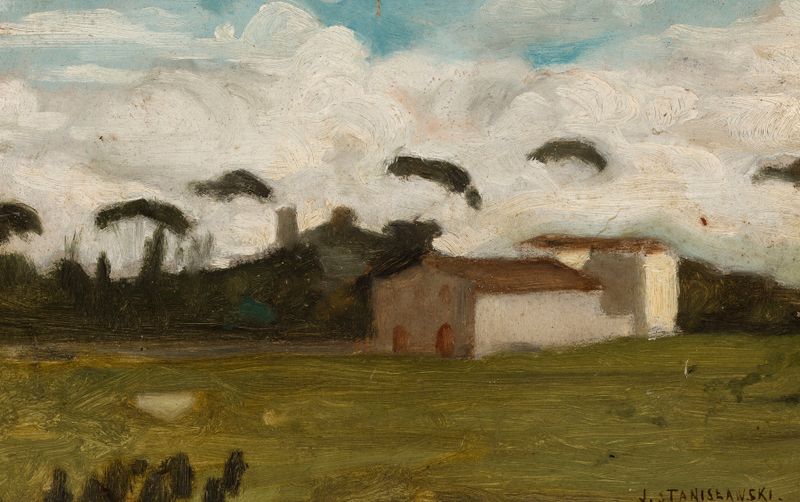
Landscape
Jan Stanisławski
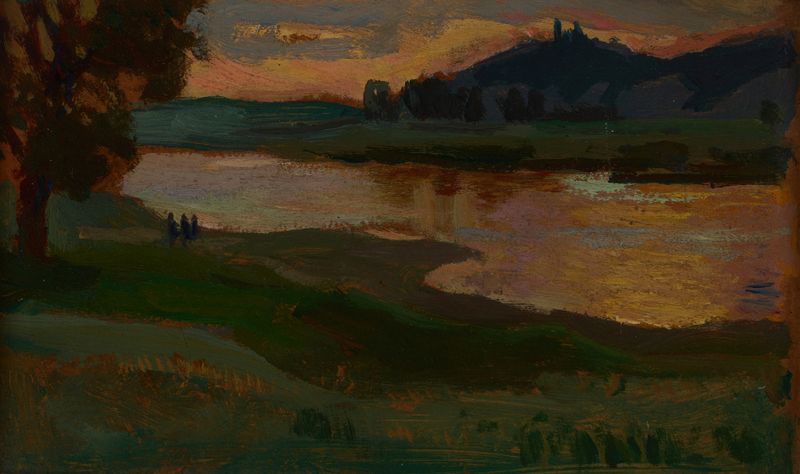
Bielany at Dusk
Jan Stanisławski
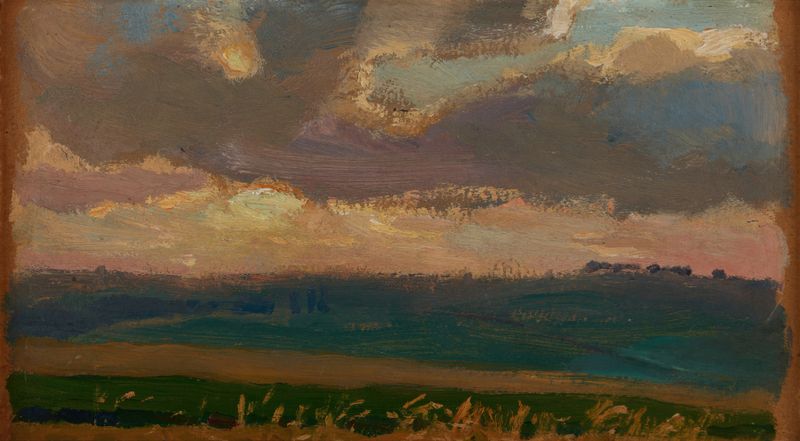
Fields at Proszowice
Jan Stanisławski





