
Mondnacht am Enzwehr bei Besigheim — History & Facts
Did the painter know this moment would outlive them? The tranquility of twilight, where every brushstroke breathes life into the stillness, invites us into a world suspended in time. Focus on the subtle hues of indigo and teal that create a soft, undulating rhythm across the canvas. The gentle interplay of light and shadow draws the eye to the serene waters of the Enzwehr, while the distant hills cradle the horizon like a protective embrace. Notice the delicate trees on the banks, their limbs almost swaying with the whispers of evening, conveying a sense of movement that belies the stillness of the moment. In the painting, a juxtaposition of calm and anticipation exists.
The tranquil water reflects the twilight sky, yet the vibrant strokes hint at an underlying energy, a promise of change. The viewer can almost hear the rustle of leaves or feel the cool breeze, evoking memories and emotions that resonate deeply. Each element, from the rippling reflections to the enveloping night, contrasts with the bustling realities of the day, suggesting that peace can emerge even in a world of turmoil. In 1890, Schönleber painted this work during a transformative period in German art, where artists were moving away from traditional techniques towards a more impressionistic approach.
Living in the picturesque landscapes of southern Germany, he sought to capture the ephemeral beauty of nature, reflecting a growing fascination with light and atmosphere in art. Amidst a backdrop of social and artistic change, this piece embodies a serene moment that continues to echo through time.
More Artworks by Gustav Schönleber
Browse all →
Venezianisches Fischerboot
Gustav Schönleber
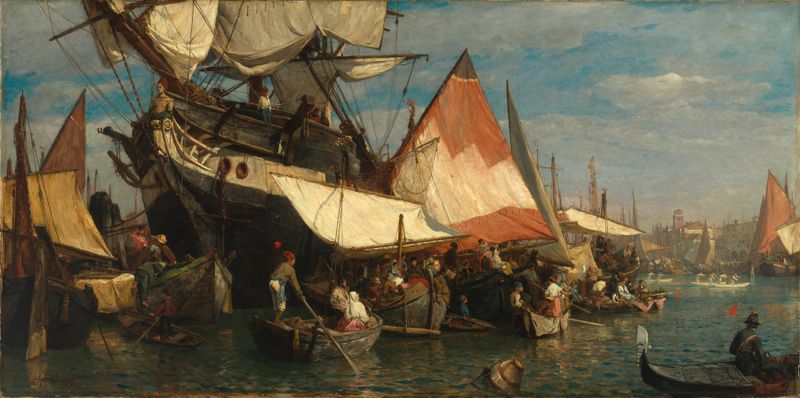
Regatta in Venedig
Gustav Schönleber
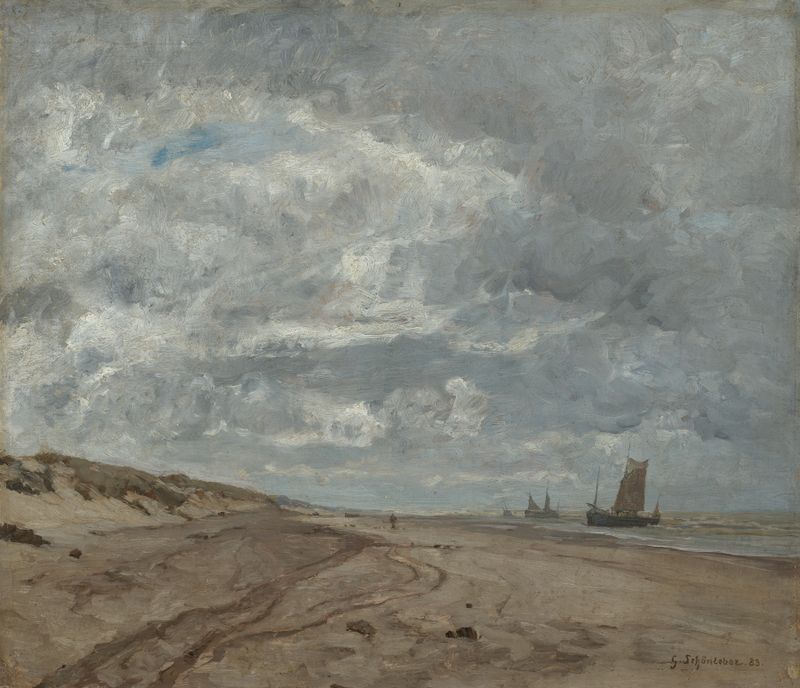
Strand von Scheveningen
Gustav Schönleber

Am Ufer der Waal
Gustav Schönleber

San Fruttuoso
Gustav Schönleber

Quinto al Mare (Genua)
Gustav Schönleber

Venezianische Häuser an einem Kanal
Gustav Schönleber
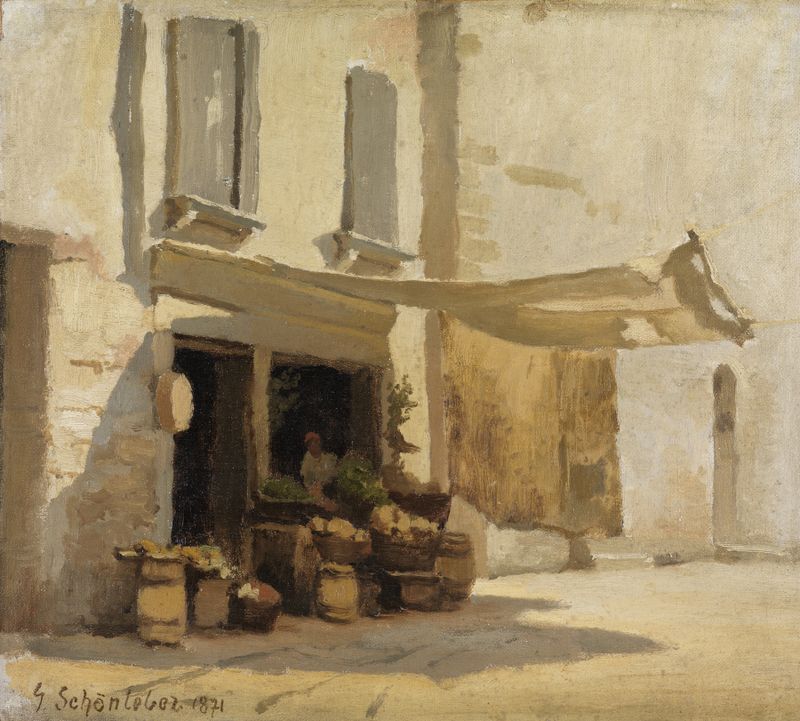
Obstbude in Venedig
Gustav Schönleber
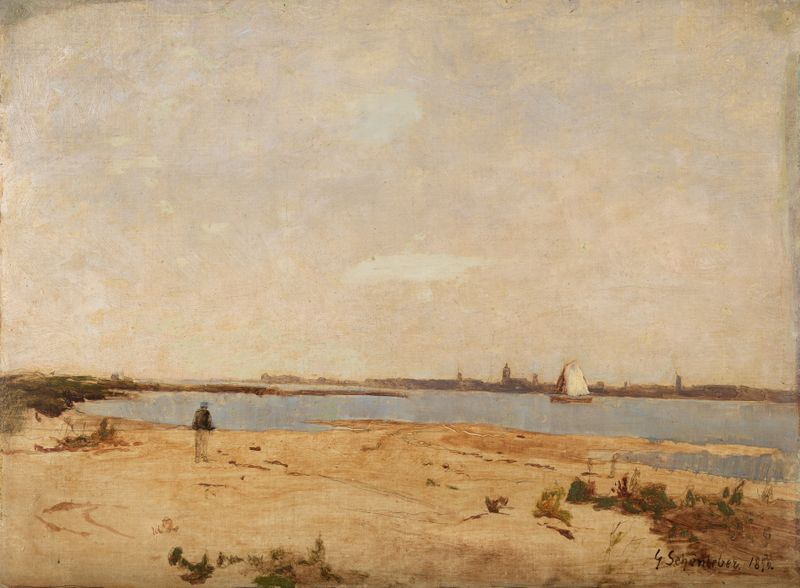
Blick auf Gorkum
Gustav Schönleber

Hafeneinfahrt von Vlissingen
Gustav Schönleber





