
Mons Capitolinus, Tempum Jovis Capitolini, Mons Palatinus — History & Facts
In Mons Capitolinus, Tempum Jovis Capitolini, Mons Palatinus, Christoph Ziegler captures the essence of time as both an architect and a destroyer, leaving its mark in every delicate brushstroke. Look to the center of the canvas, where the imposing structures of ancient Rome rise, outlined sharply against a dusky sky. Notice how the warm golden hues of the buildings contrast with the coolness of the surrounding shadows, creating a tension that speaks to the ephemerality of greatness. Ziegler’s meticulous attention to detail invites viewers to explore the textures of the stones, each façade aging gracefully, yet bearing the weight of history. Beneath the surface beauty lies a profound dichotomy: the grandeur of the monuments juxtaposed with the inevitability of decay.
The vibrant life captured within the architecture contrasts starkly with the stillness of time, which erodes both memory and monument. One can almost sense the whispers of the past echoing through the ruins, where once vibrant ceremonies turned to mere shadows of their former selves, leaving behind a palpable ache for what is lost. Painted in 1882, this work emerged during a period of renewed interest in classical antiquity and the grand narratives of history. Ziegler, residing in Europe amidst an artistic revolution that embraced realism and romanticism, was influenced by a world eager to reconnect with its roots.
His depiction of this iconic landscape reflects not only personal artistic exploration but also the collective yearning of a society grappling with the passage of time and the legacy of its cultural treasures.
More Artworks by Christoph Ziegler
Browse all →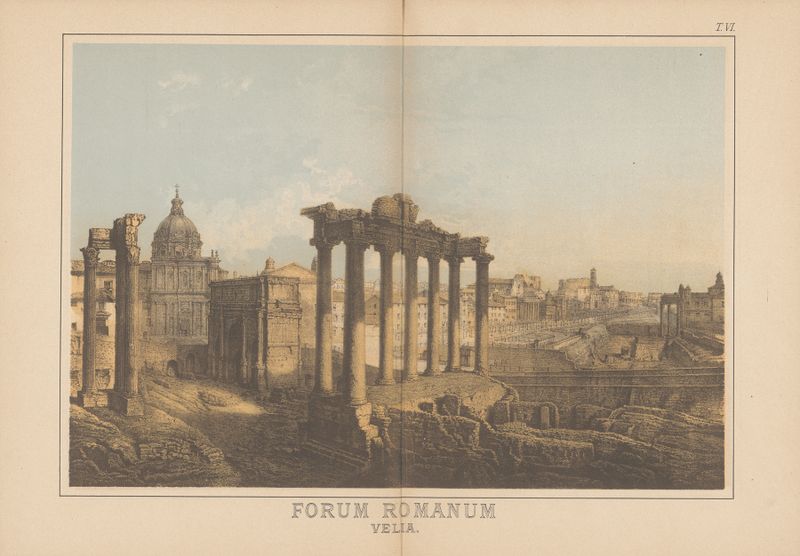
Forum Romanum
Christoph Ziegler
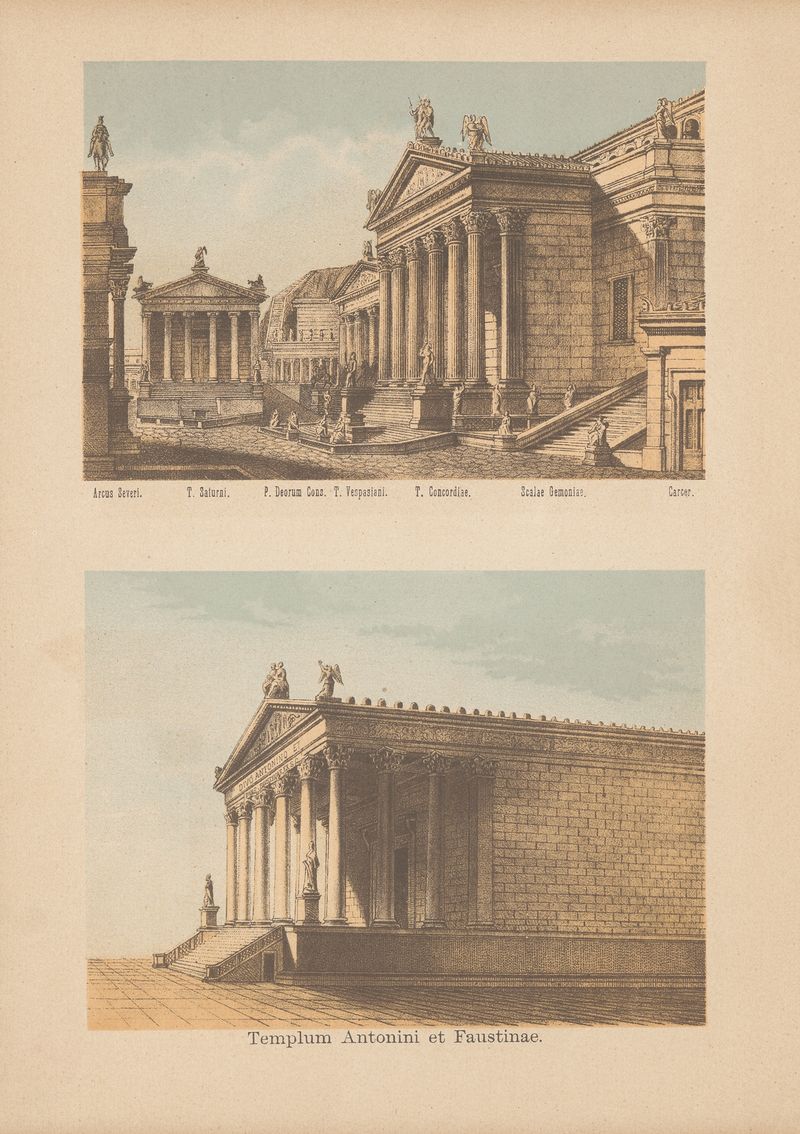
Templum Antonini et Faustinae
Christoph Ziegler
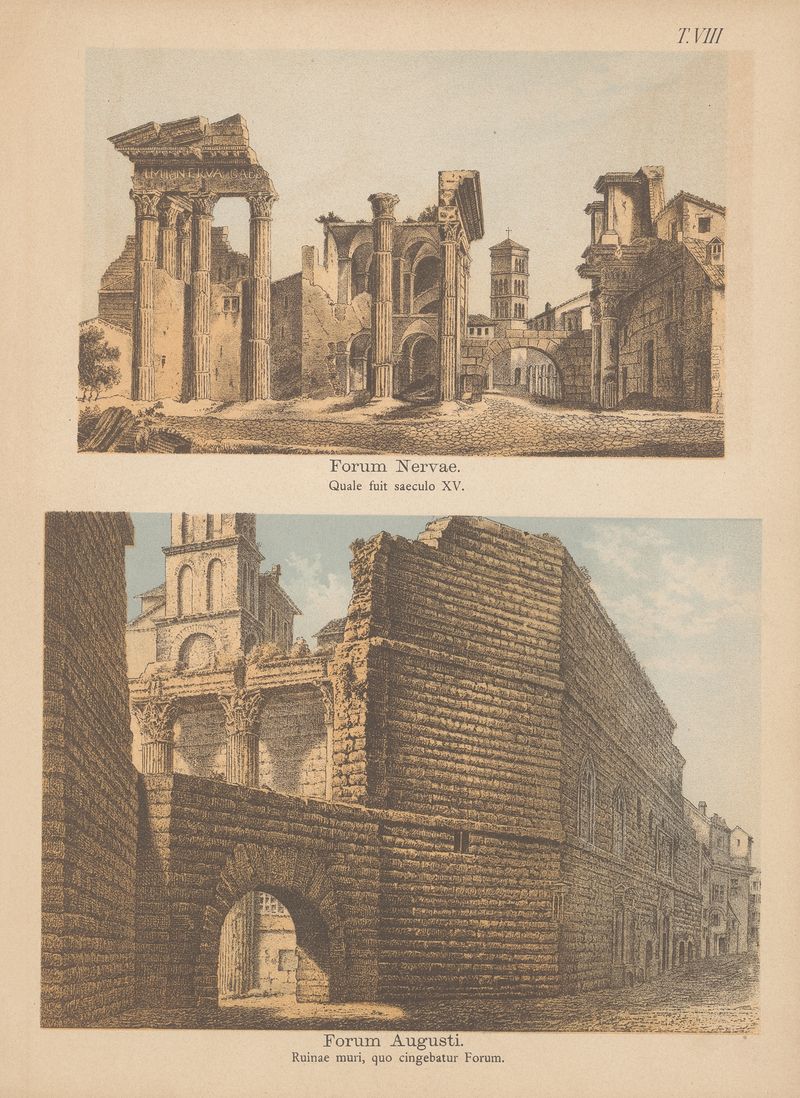
Forum Nervae, Forum Augusti
Christoph Ziegler
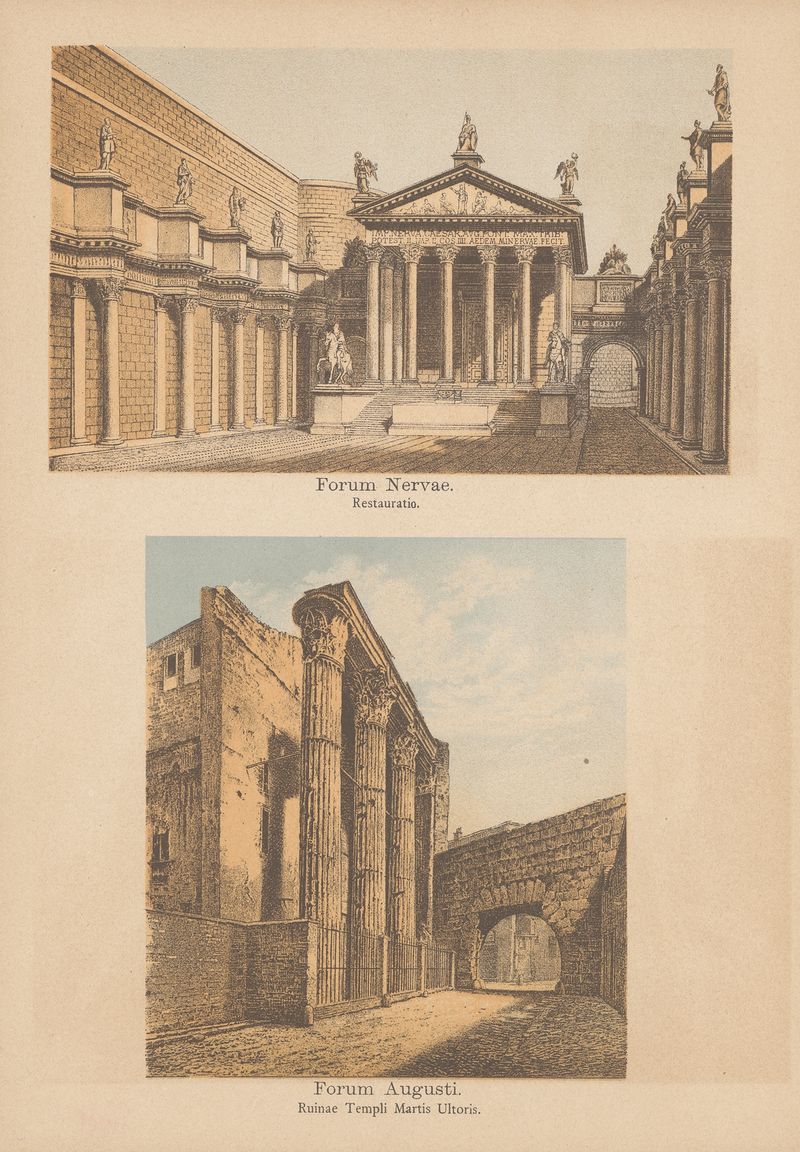
Forum Nervae, Forum Augusti
Christoph Ziegler
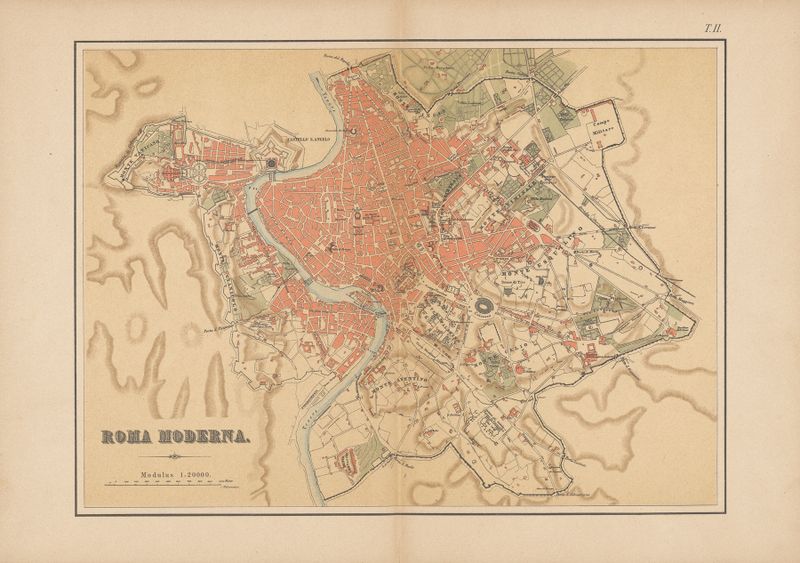
Plan des neuen Rom
Christoph Ziegler
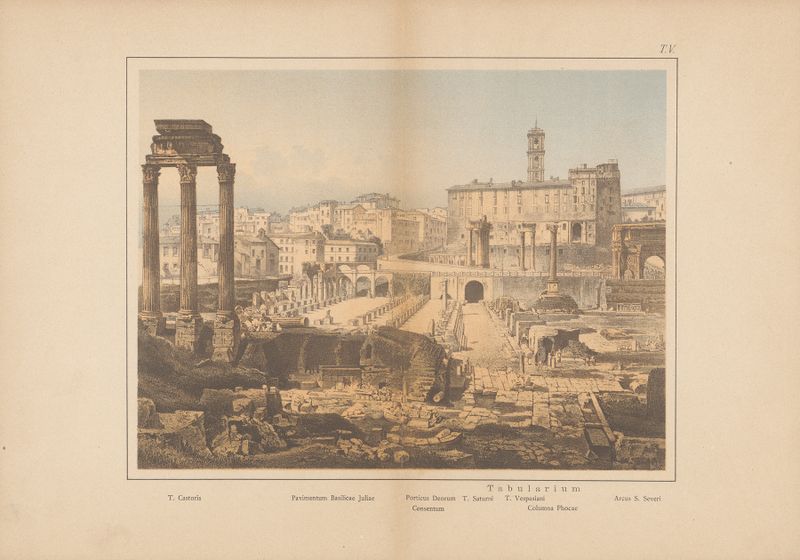
Tabularium
Christoph Ziegler
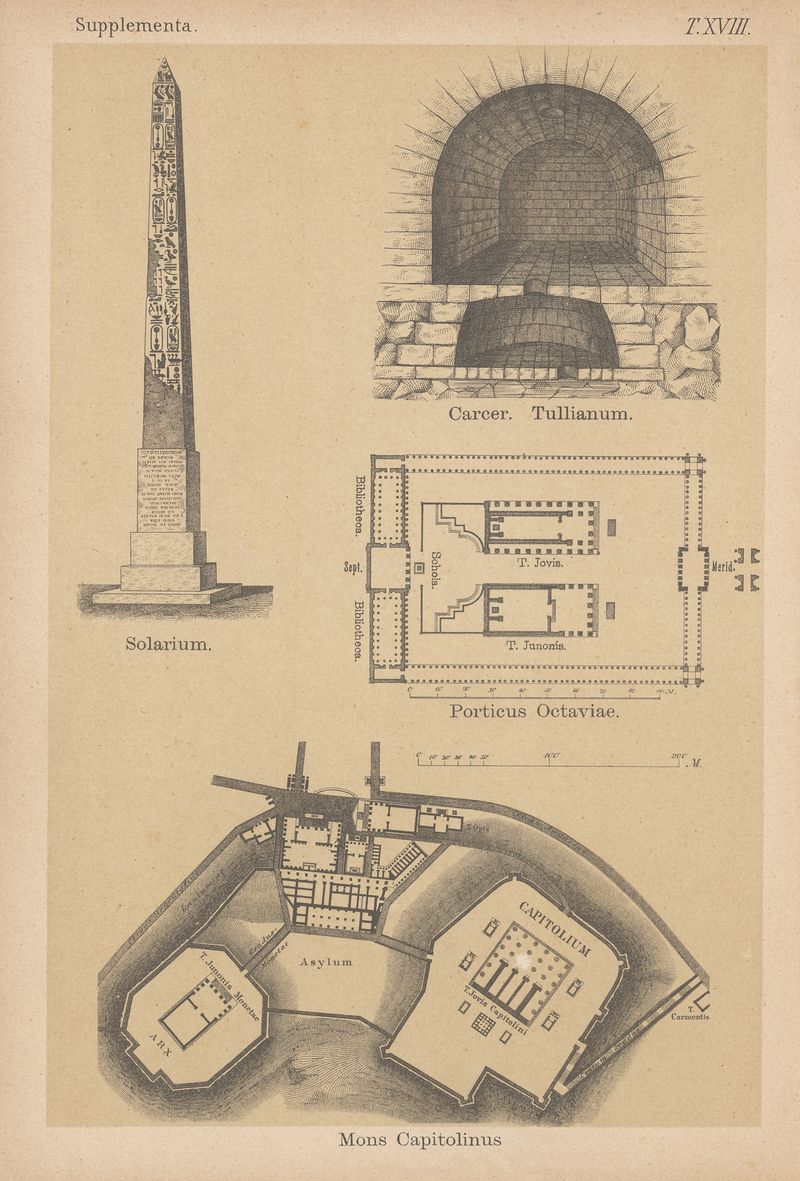
Mons Capitolinus
Christoph Ziegler
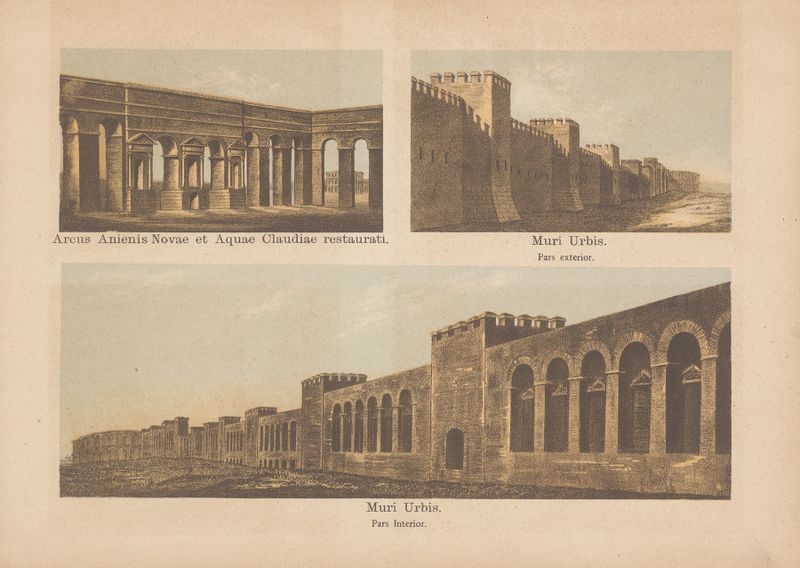
Arcus Anienis Novae, Muri urbis
Christoph Ziegler
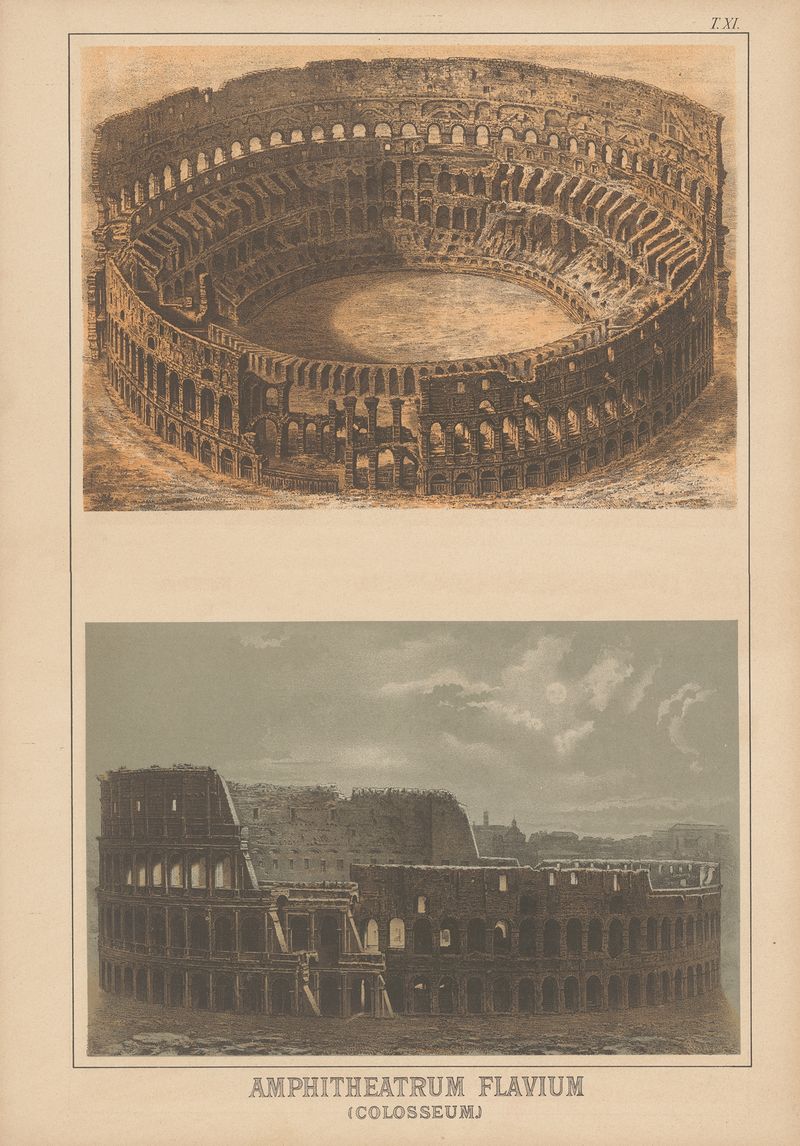
Amphitheatrum Flavium (Colosseum)
Christoph Ziegler
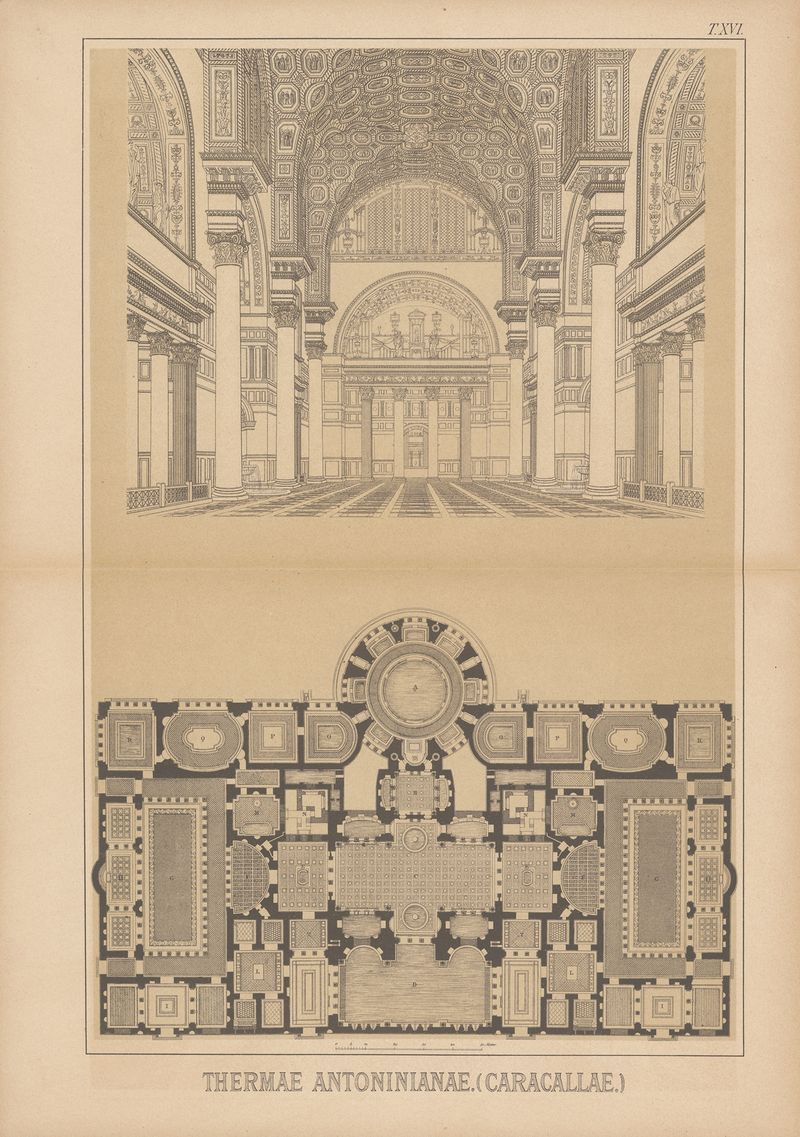
Thermae Antoninianae (Caracallae)
Christoph Ziegler
More Architecture Art
Browse all →
The statue of Liberty
Frédéric Auguste Bartholdi

View of Houses in Delft, Known as ‘The Little Street’
Johannes Vermeer

View of Houses in Delft, Known as ‘The Little Street’
Johannes Vermeer

The Cathedral in Rouen. The portal, Grey Weather
Claude Monet

The yellow house
Vincent van Gogh

The Church in Auvers-sur-Oise, View from the Chevet
Vincent van Gogh