
Mons Palatinus Pars Septentrionalis et Occidentalis — History & Facts
In the quiet embrace of a landscape, desire weaves through the contours of earth and sky, revealing an unspoken longing for connection with nature's raw beauty. Look to the left, where the vibrant hues of green and ochre blend seamlessly, drawing you into the rolling hills that rise and fall like a gentle sigh. Notice how the soft light caresses the foreground, highlighting the delicate texture of the grass while casting elongated shadows that whisper of the passage of time. The painter’s technique, with its meticulous attention to detail and harmony of color, invites you to traverse this serene expanse, becoming one with the landscape just as the sun dips lower on the horizon. Yet, beneath the tranquil exterior lies a complex interplay of emotion.
The juxtaposition of the rugged mountains in the background against the gentle, almost inviting valley suggests a struggle, a yearning to find solace in the untamed wilderness. The silvery clouds overhead hint at an impending storm, enriching the duality of peace and tension that permeates the scene. Each element not only captures the physical beauty of the Palatine region but also evokes a deeper, intrinsic desire for escape, reflection, and contemplation. In 1882, Christoph Ziegler painted this landscape as part of a broader exploration of natural beauty amidst a rapidly industrializing Europe.
Living in Germany during a time of significant artistic innovation, he sought to encapsulate a sense of place that resonates with the viewer’s longing for connection with the past and the natural world. This work exemplifies his dedication to capturing the essence of landscapes with both precision and emotional depth.
More Artworks by Christoph Ziegler
Browse all →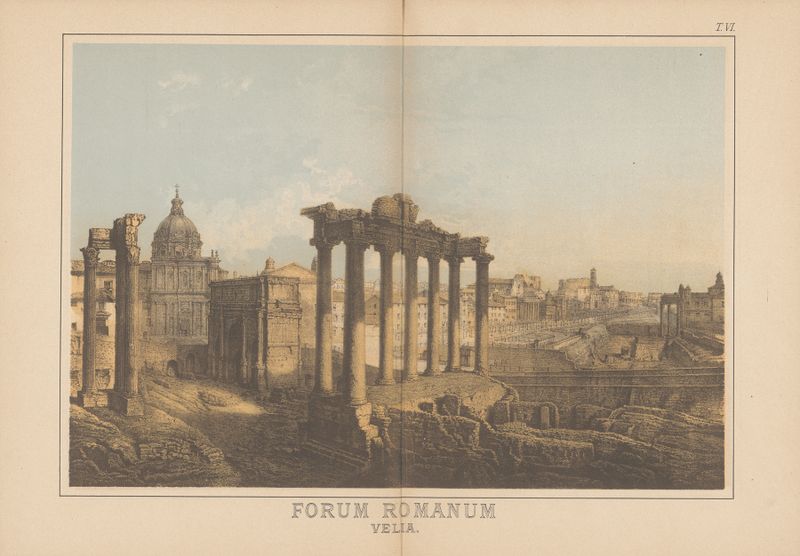
Forum Romanum
Christoph Ziegler
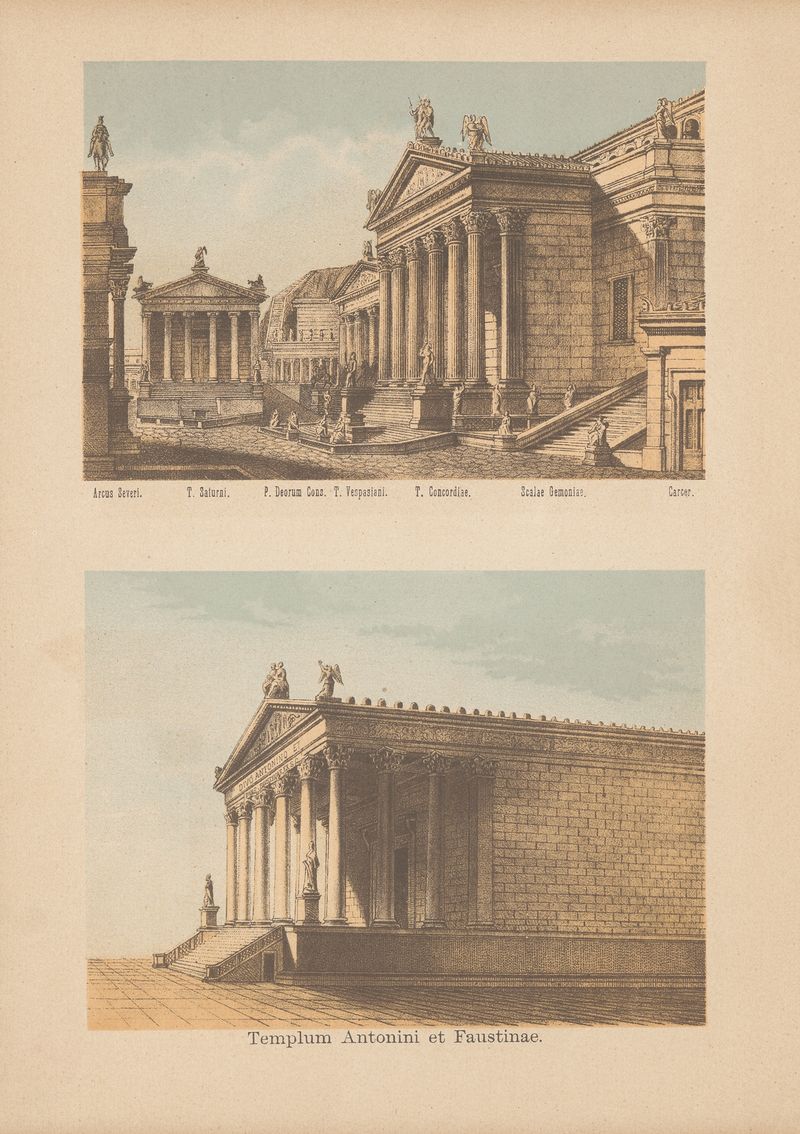
Templum Antonini et Faustinae
Christoph Ziegler
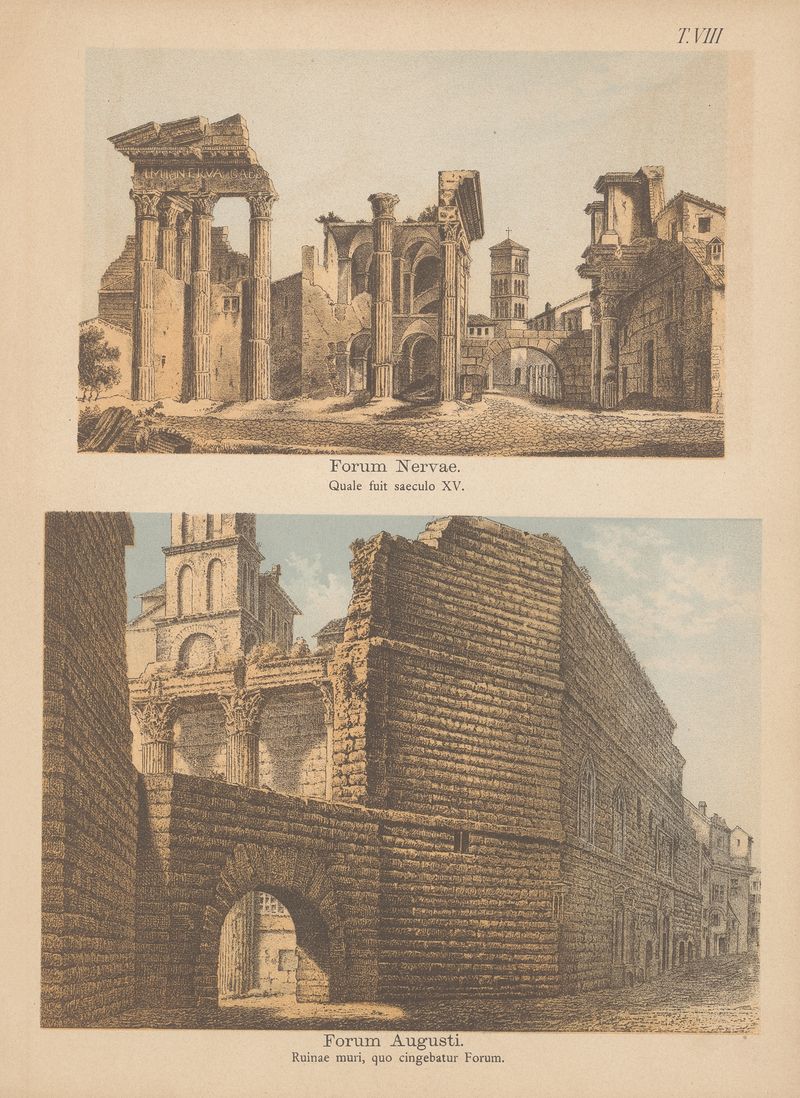
Forum Nervae, Forum Augusti
Christoph Ziegler
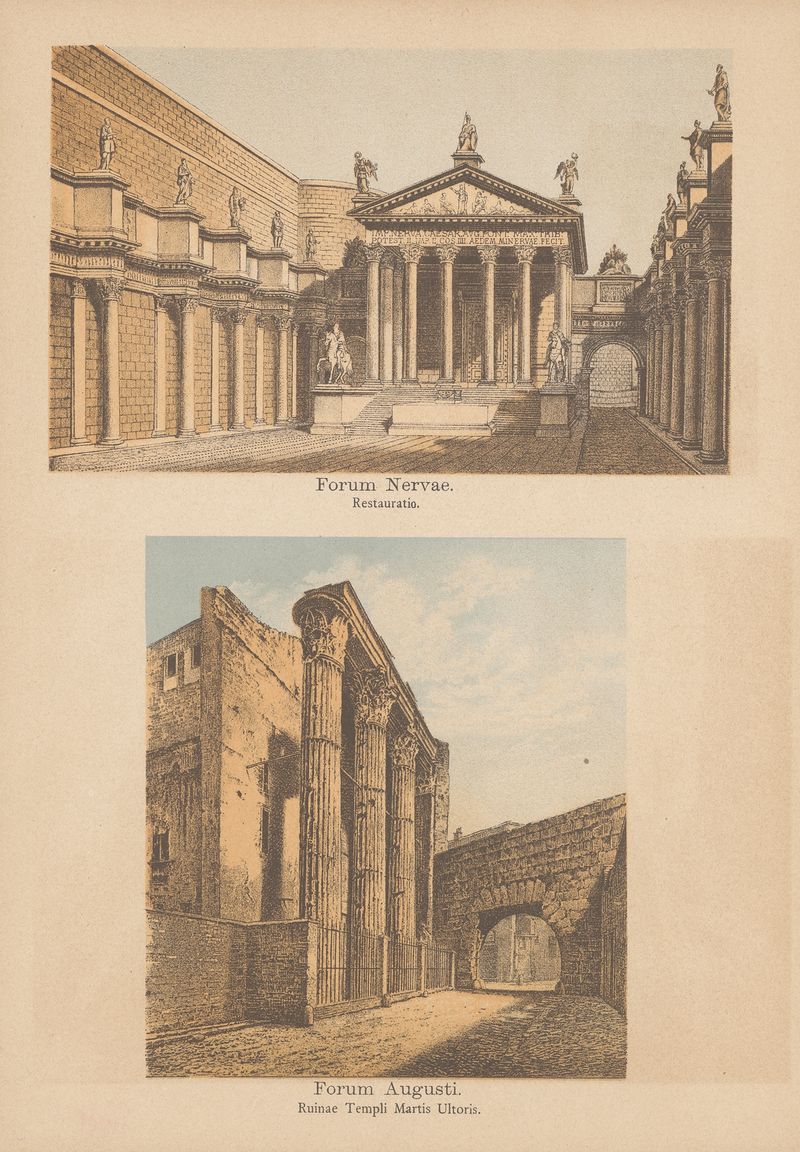
Forum Nervae, Forum Augusti
Christoph Ziegler
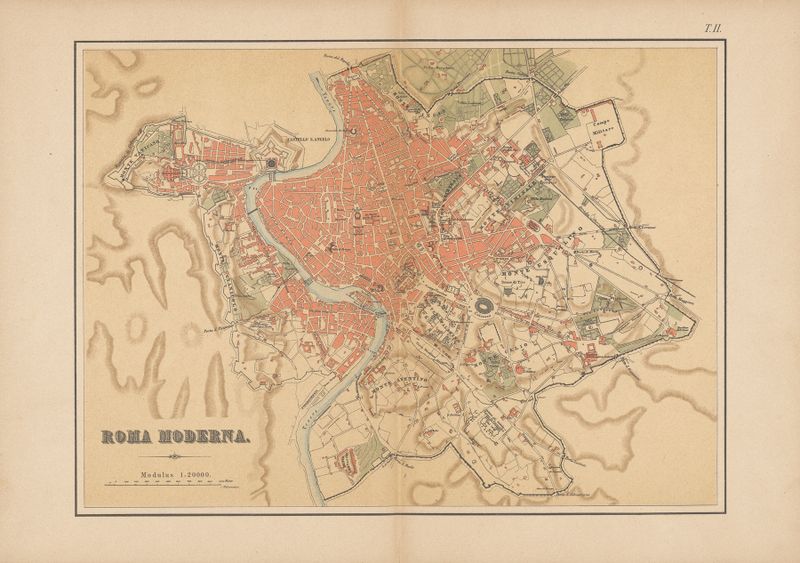
Plan des neuen Rom
Christoph Ziegler
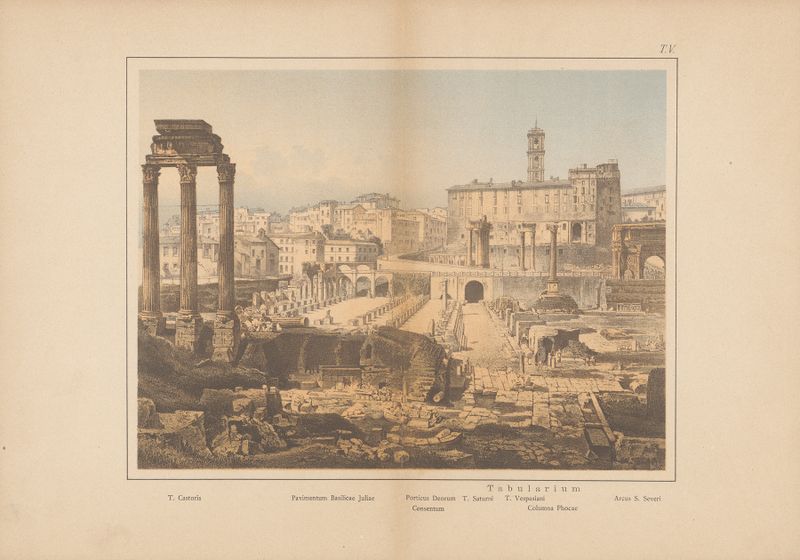
Tabularium
Christoph Ziegler
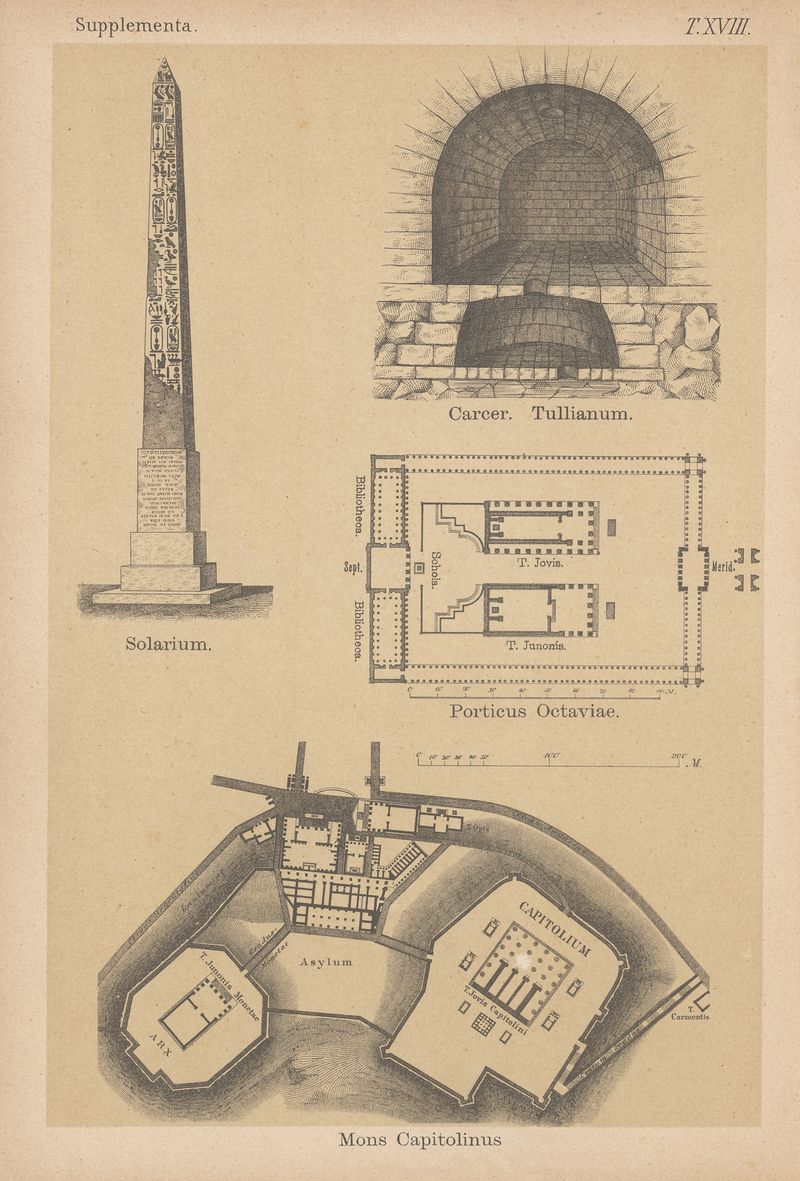
Mons Capitolinus
Christoph Ziegler
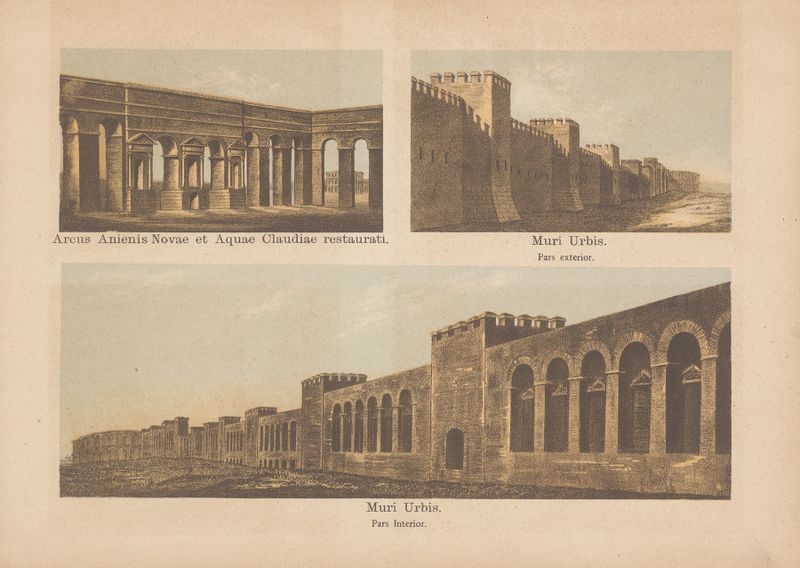
Arcus Anienis Novae, Muri urbis
Christoph Ziegler
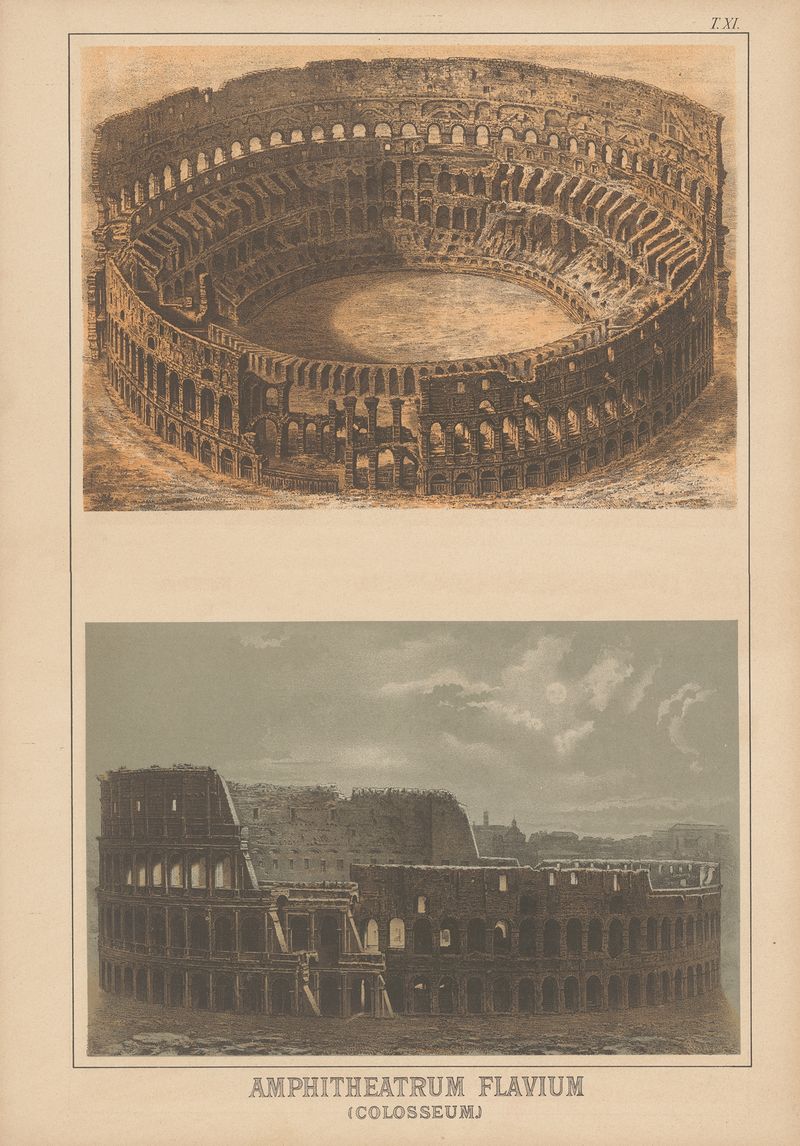
Amphitheatrum Flavium (Colosseum)
Christoph Ziegler
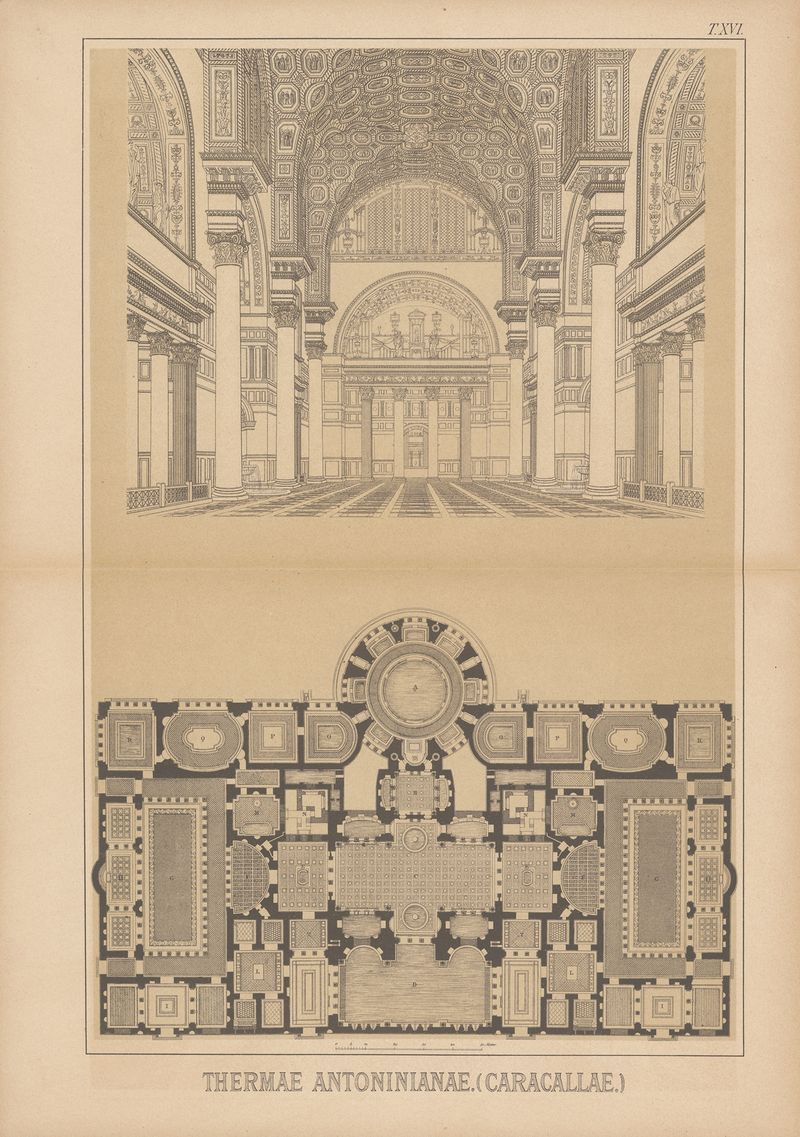
Thermae Antoninianae (Caracallae)
Christoph Ziegler





