
Monsieur de Norvins — History & Facts
When Jean Auguste Dominique Ingres unveiled Monsieur de Norvins in 1810, the sitter’s identity was no secret: Guillaume Jean-Baptiste de Norvins was a high-ranking official in Napoleon’s police, and his portrait was painted in Rome at a moment when Ingres himself was still a young pensionnaire at the French Academy. The painting’s direct gaze and psychological intensity drew immediate attention, with one contemporary remarking on the sitter’s "penetrating eyes and air of silent authority." This was not simply a likeness, but a statement—Ingres was staking his claim as a portraitist who could capture both power and character. The moment Ingres chose is one of dignified stillness: Norvins sits upright, his body slightly turned, but his head faces the viewer with unwavering focus. The dark, plain background isolates him, emphasizing the crisp white of his cravat and the subtle gleam of his official medal, symbols of his status and service.
Norvins’s left hand rests on a document, perhaps alluding to his bureaucratic role, while his right hand is hidden, a gesture that has prompted speculation about its meaning—does it suggest reserve, secrecy, or simply compositional balance? The clarity of line and sculptural modeling recall Ingres’s admiration for Raphael, yet the psychological tension is entirely his own, contrasting with the more decorative approach seen in David’s portraits of officials from the same era. After its completion, Monsieur de Norvins remained with the sitter’s family for many years, a prized possession and testament to Norvins’s stature. It later entered public collections, and today it is housed in the Musée du Louvre, where it stands as an early landmark in Ingres’s long career as a portraitist. The work marks a turning point: painted during Ingres’s formative Roman years, it demonstrates his move away from the grand history painting favored by the Academy toward the incisive, psychologically charged portraits that would become his signature.
More Artworks by Jean Auguste Dominique Ingres
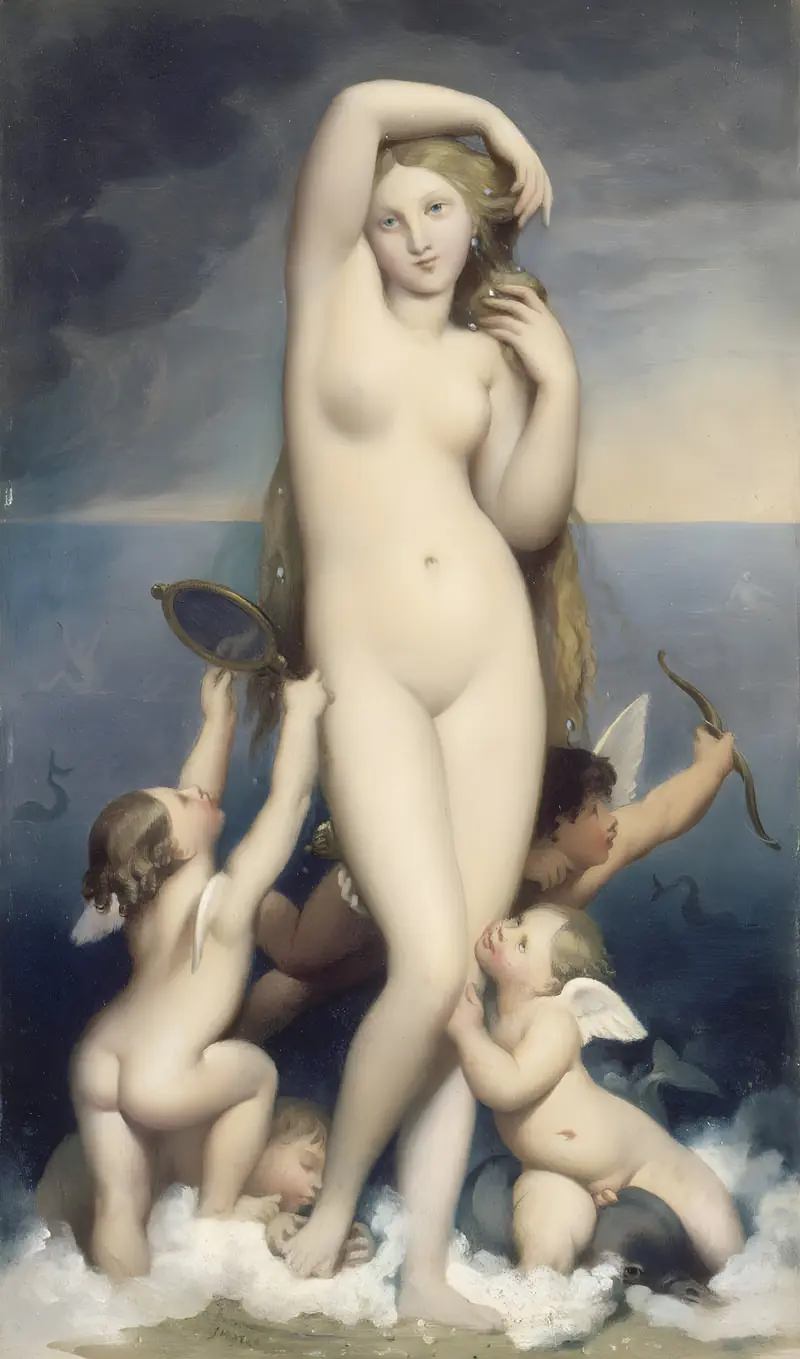
Vénus anadyomène
Jean Auguste Dominique Ingres
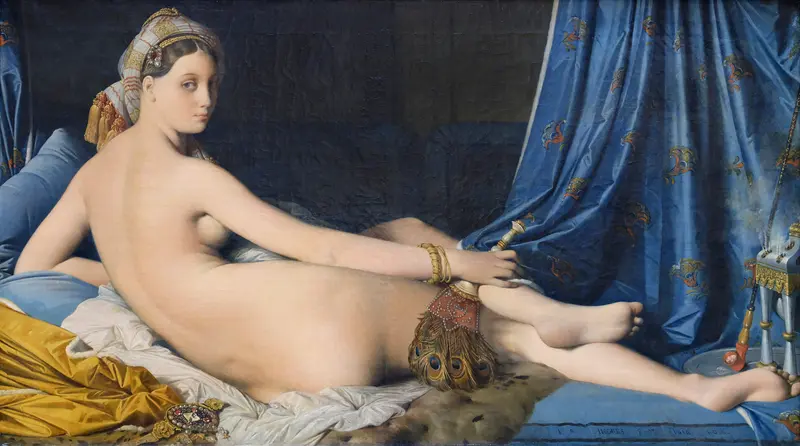
Grande Odalisque
Jean Auguste Dominique Ingres
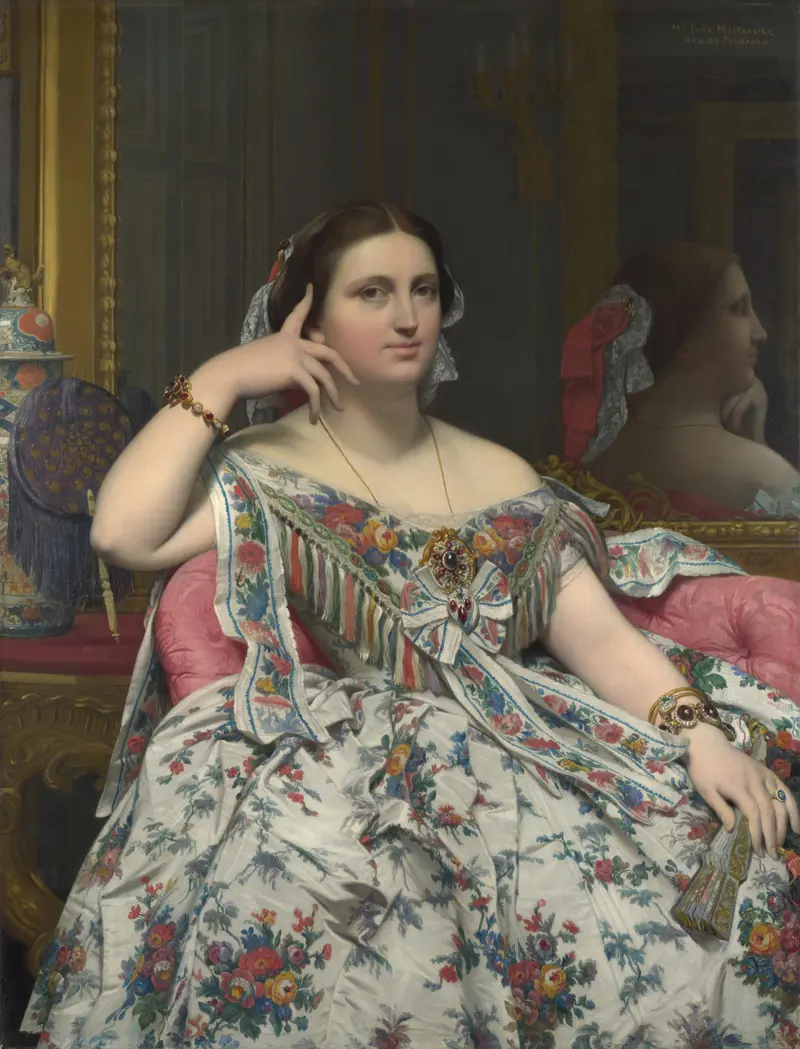
Madame Moitessier (seated)
Jean Auguste Dominique Ingres
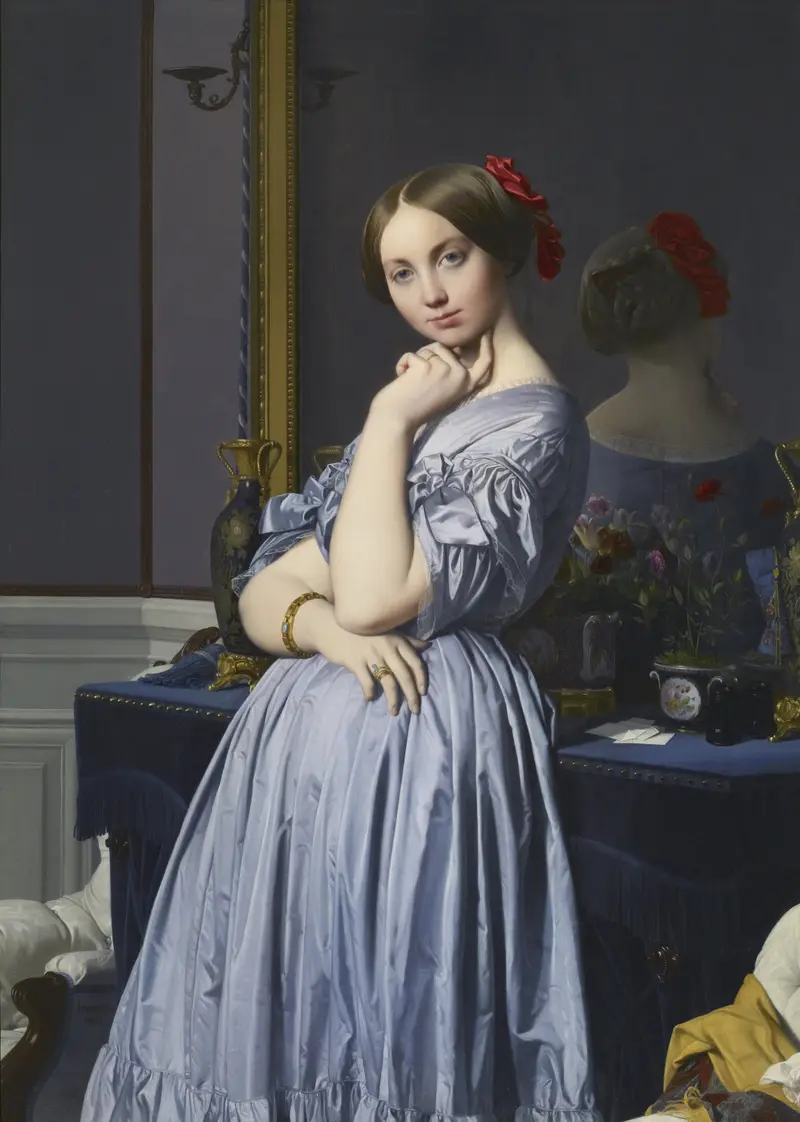
Portrait of Comtesse d’Haussonville
Jean Auguste Dominique Ingres
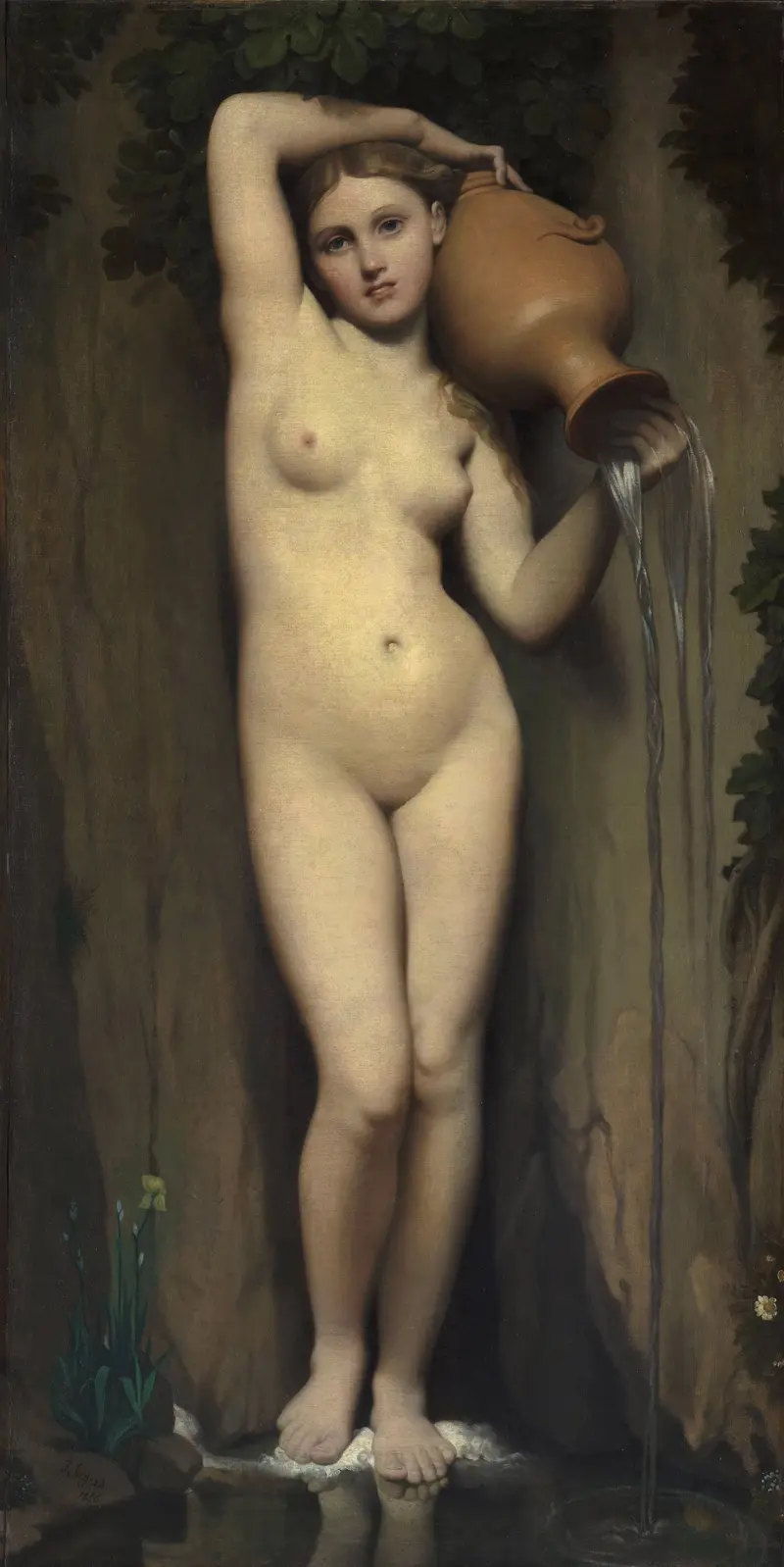
The Source
Jean Auguste Dominique Ingres
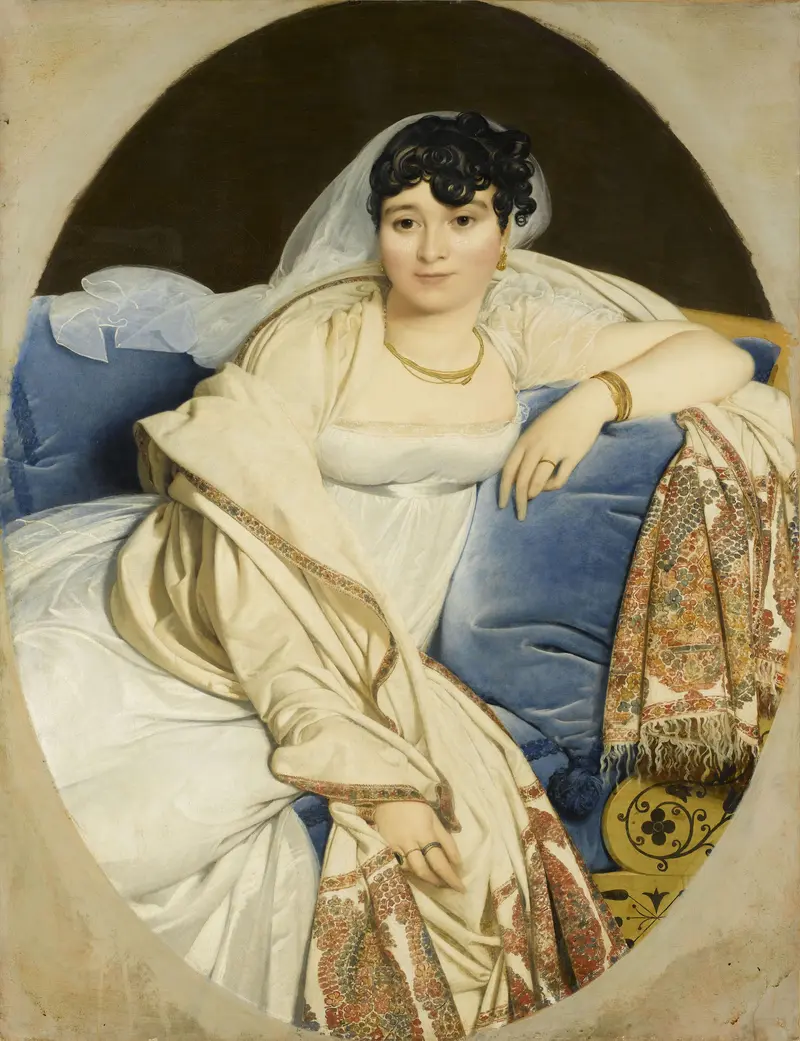
Madame Rivière
Jean Auguste Dominique Ingres

Madame Jean-Auguste-Dominique Ingres, née Madeleine Chapelle
Jean Auguste Dominique Ingres

Portrait of a Lady
Jean Auguste Dominique Ingres
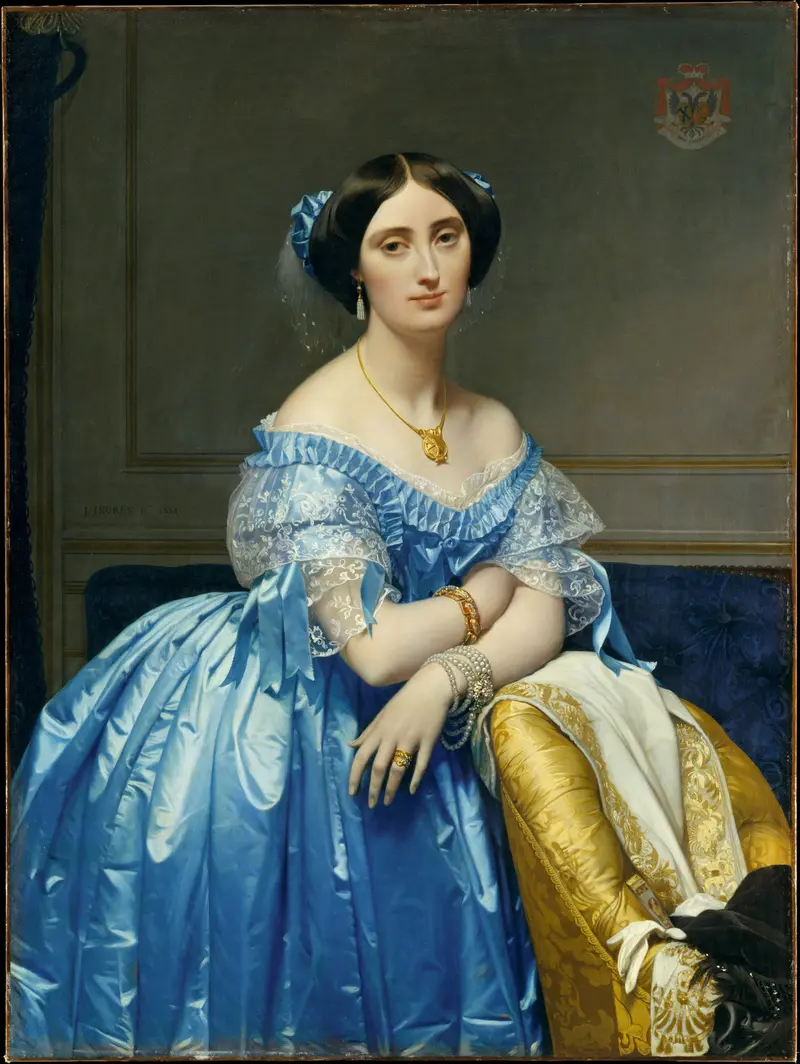
Joséphine-Éléonore-Marie-Pauline de Galard de Brassac de Béarn (1825–1860), Princesse de Broglie
Jean Auguste Dominique Ingres
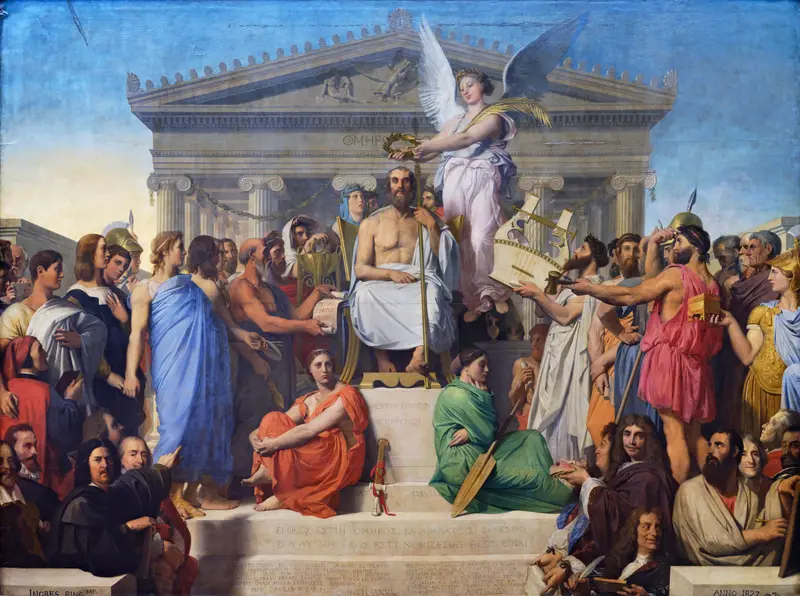
The Apotheosis of Homer
Jean Auguste Dominique Ingres





