
Mont Blan — History & Facts
In the quiet embrace of an untouched landscape, destiny unfolds in its purest form. Look to the jagged summit of Mont Blanc, where Lear captures the ferocity of nature's beauty against the gentler hues of the valley below. The stark whites of the snow-capped peaks contrast sharply with the deep greens and soft blues of the foreground. Notice how the brushstrokes blend seamlessly, creating a harmony that draws your eye upward, inviting you to explore the expansive sky that looms above.
A delicate play of light dances across this majestic mountain, highlighting both its grandeur and its peril. The artwork resonates with emotional tension, illustrating the duality of nature as both awe-inspiring and formidable. The viewer can sense the isolation inherent in the mountain's silent presence, a reminder of humanity's insignificance in the face of such towering destiny. The underlying softness of the landscape hints at the fleeting passage of time, while the imposing peak stands timeless and unyielding, echoing the eternal struggles of existence. In 1863, Edward Lear created this masterpiece during a period of personal challenges and artistic exploration, primarily in the valleys of the Swiss Alps.
Amidst the backdrop of a Europe grappling with political change and the evolution of Romanticism, Lear sought solace and inspiration in the wild beauty of nature. This painting reflects his deep appreciation for landscape and his quest to capture the sublime, at a time when the world was beginning to appreciate the emotional depths of the natural world.
More Artworks by Edward Lear
Browse all →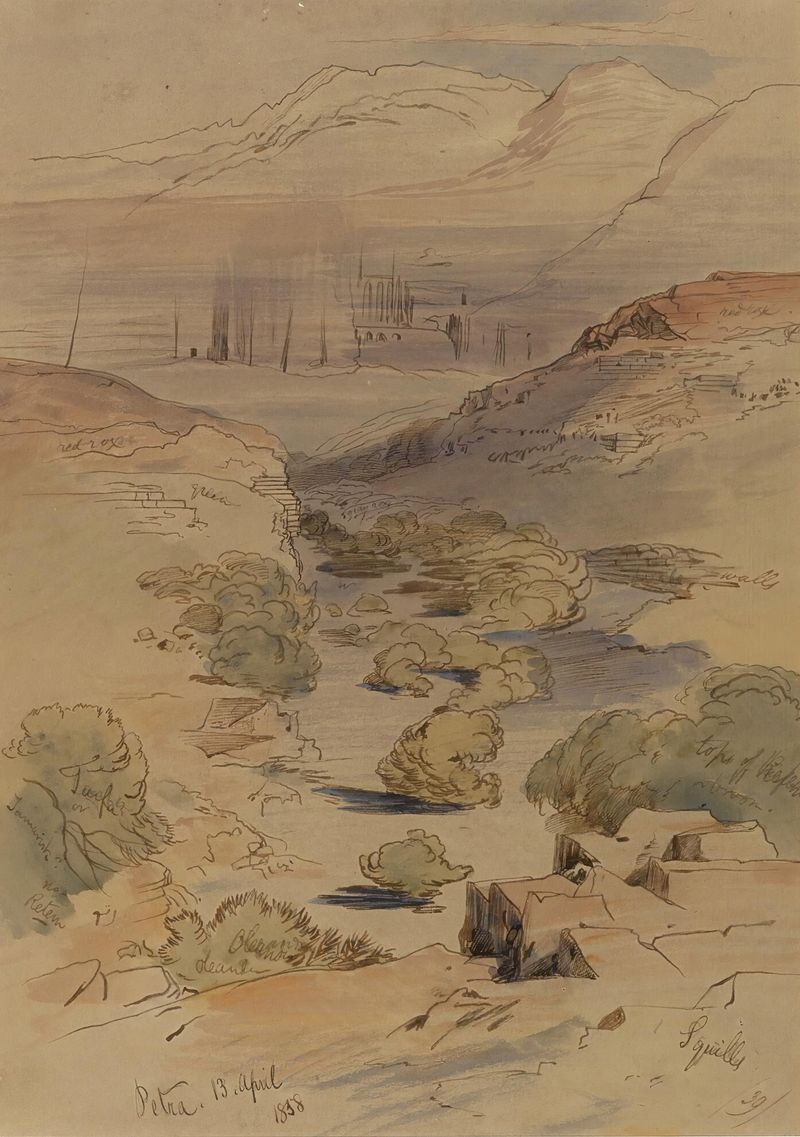
Petra
Edward Lear
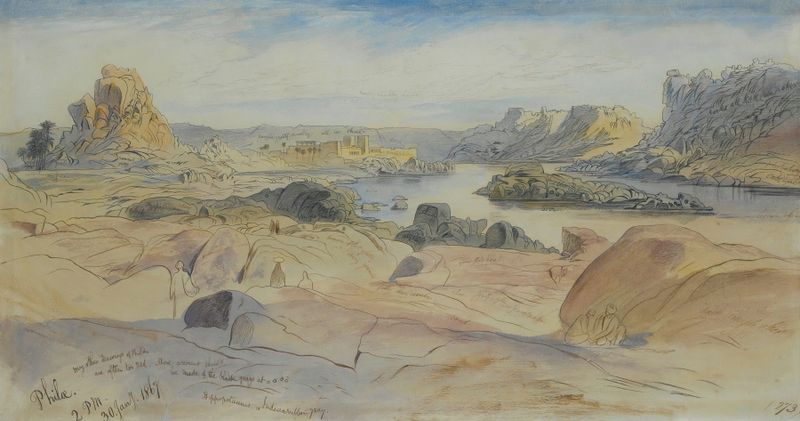
Philae, Egypt
Edward Lear
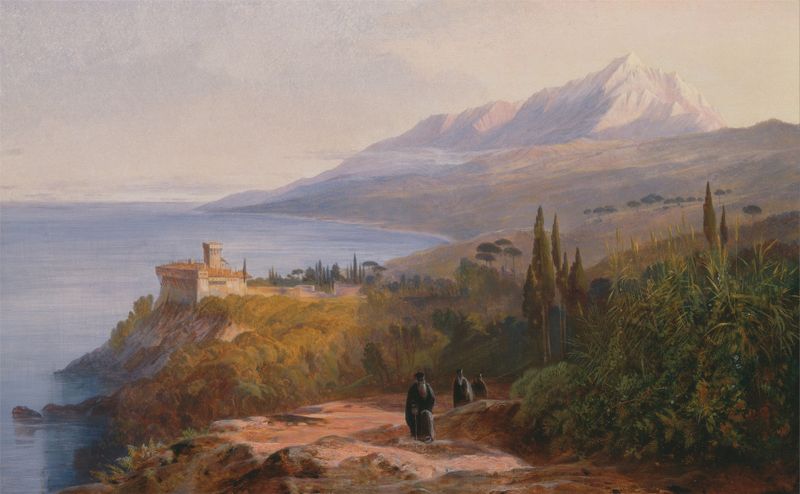
Mount Athos and the Monastery of Stavronikétes
Edward Lear
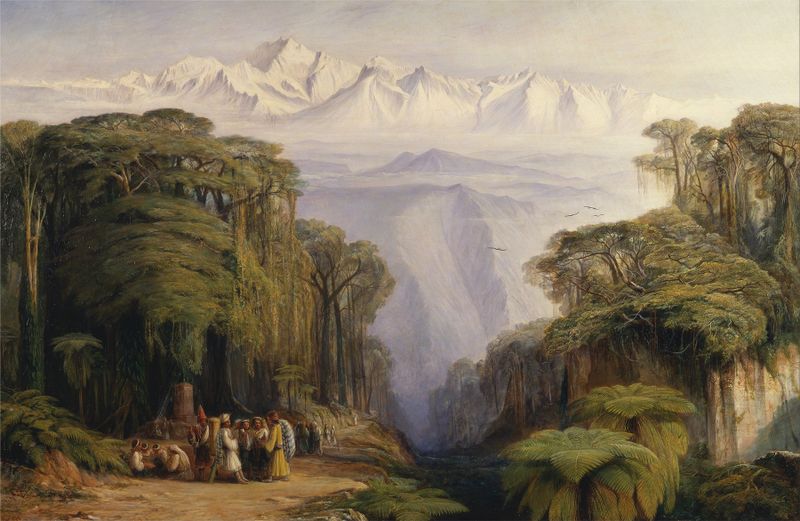
Kangchenjunga from Darjeeling
Edward Lear
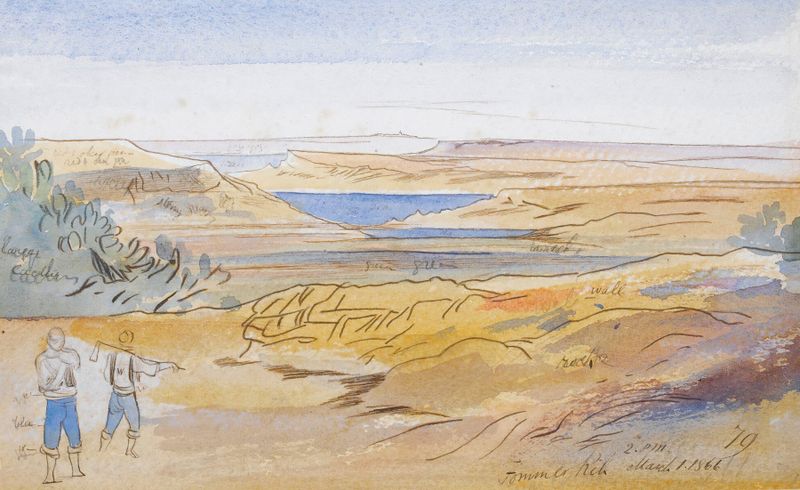
Fomm Ir-Rih, Malta
Edward Lear
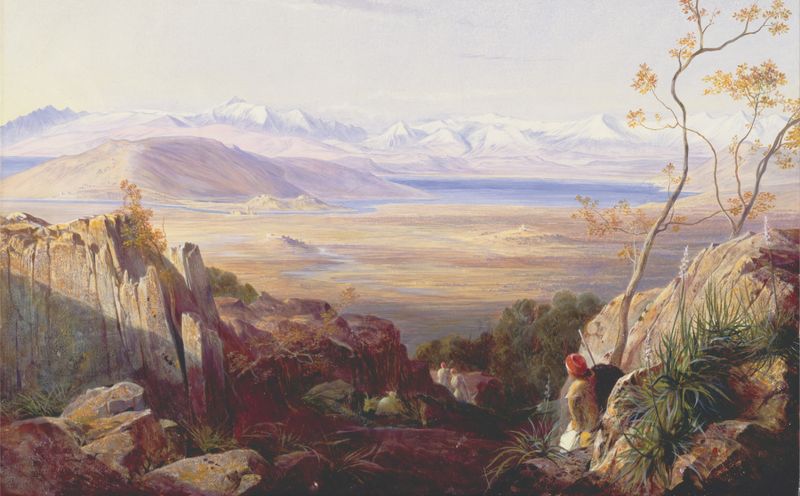
Butrinto, Albania
Edward Lear
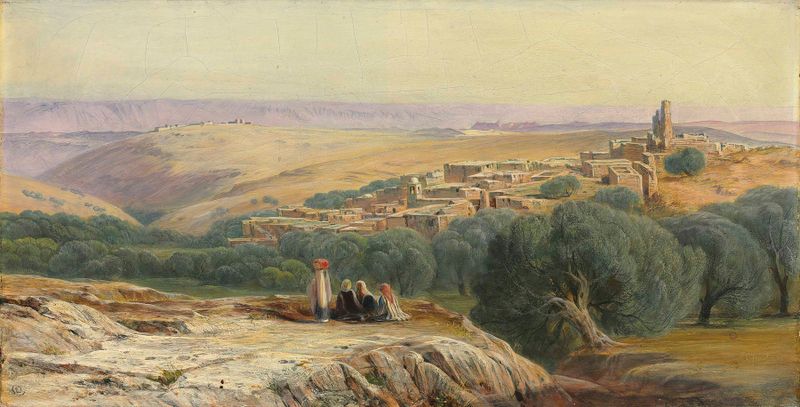
The Plains of Bethany
Edward Lear

Karnak, 9-30 pm, 22 January 1867
Edward Lear
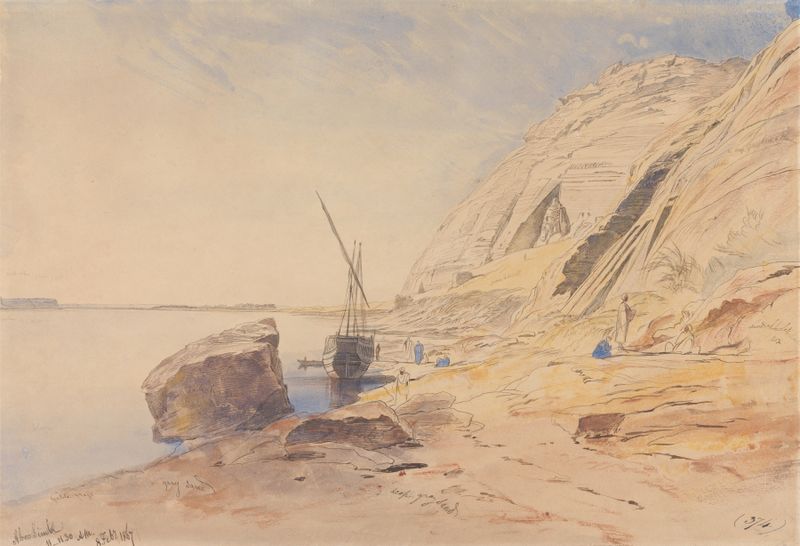
Abu Simbel, 11-11;30 am, 8 February 1867 (374)
Edward Lear

A View Of Mount Athos And The Pantokrator Monastery, Greece
Edward Lear





