
Montmartre Cemetery in Paris — History & Facts
What secret hides in the quiet of the canvas? In a world where life and death intertwine, the stillness of a cemetery invites contemplation and reflection, capturing the essence of creation and decay. Look to the left at the delicate interplay of light filtering through the trees, casting dappled shadows over the gravestones. The artist employs a muted palette of greens and browns, conveying the serenity of Montmartre Cemetery. Notice how the brushstrokes blend softly, evoking the lushness of the foliage while allowing the weathered stone of the tombs to emerge with a sense of reverence.
Each detail is intentional, guiding the eye to appreciate not just the physical space but also the emotional weight it carries. Beyond the tranquility lies a deeper narrative of life’s impermanence. The juxtaposition of vibrant nature against the solemnity of monumental stones speaks to the human experience—of love, loss, and remembrance. The viewer is invited to reflect on those who rest beneath the earth, their stories entwined with the living landscape above.
This silent dialogue between the animate and inanimate evokes a sense of connection, urging one to ponder what remains when all is said and done. In 1893, Julian Falat painted this scene in a period marked by artistic exploration and personal introspection. Living in Paris, a hub of artistic revolution, he sought to capture the nuanced beauty of everyday life and the spaces where humanity intersects with the eternal. The era was a time of change, and his work reflected a desire to celebrate the fleeting moments of existence amid the backdrop of mortality.
More Artworks by Julian Falat
Browse all →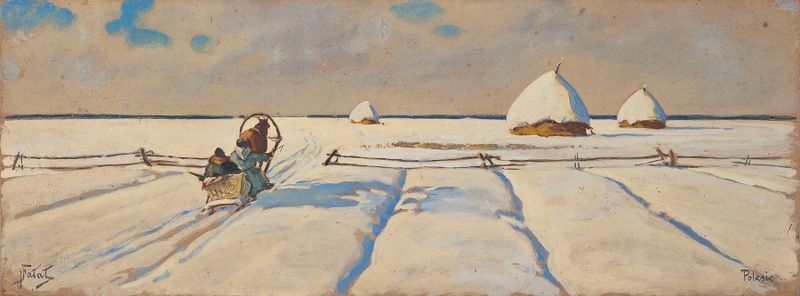
Sleigh in a snowy field – Polesia
Julian Falat
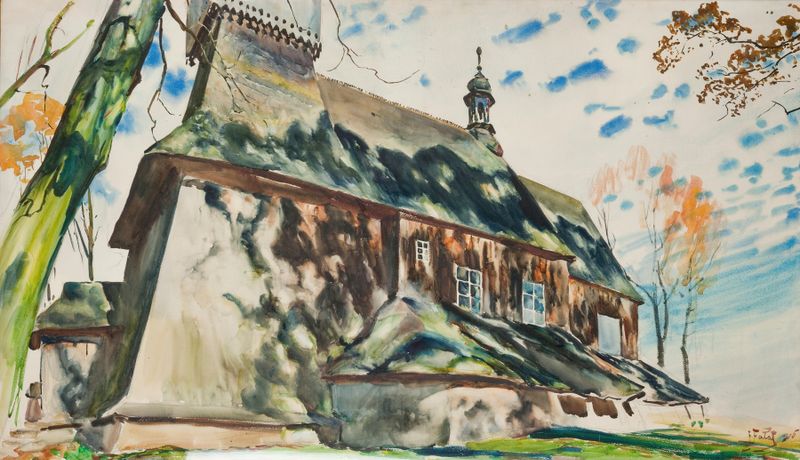
Church in Osiek
Julian Falat
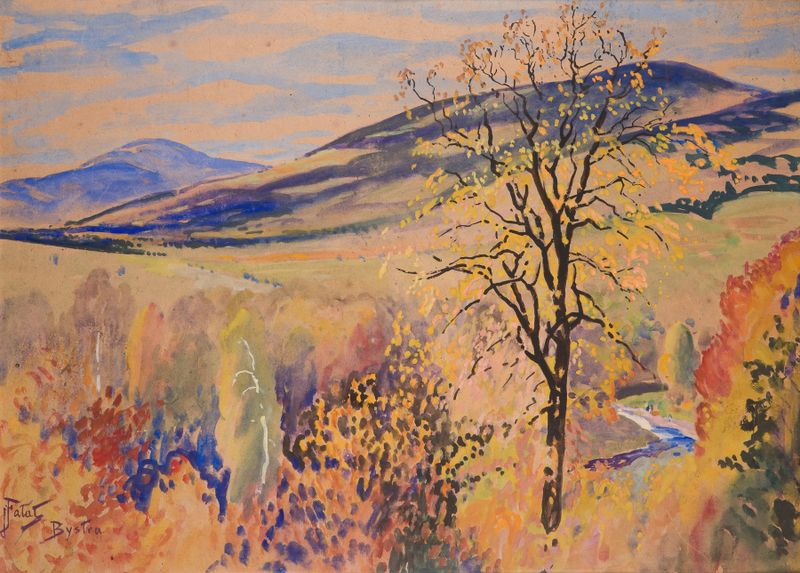
Pejzaż jesienny z Bystrej
Julian Falat
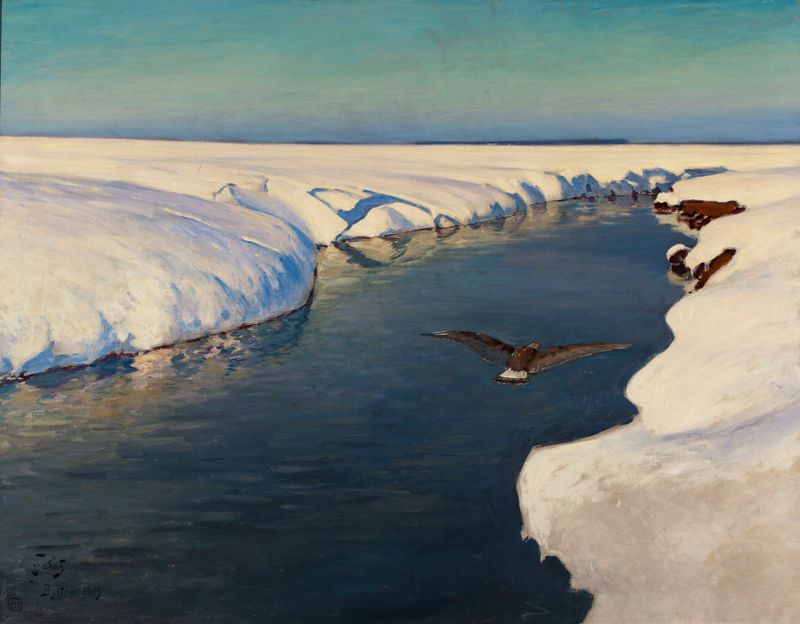
Winter landscape with a river and a bird
Julian Falat
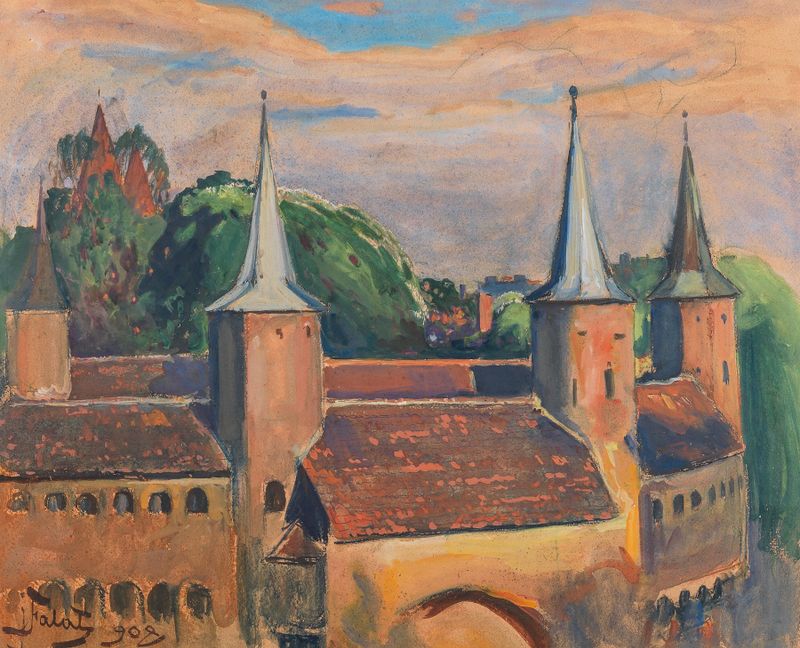
The Kraków Barbican
Julian Falat
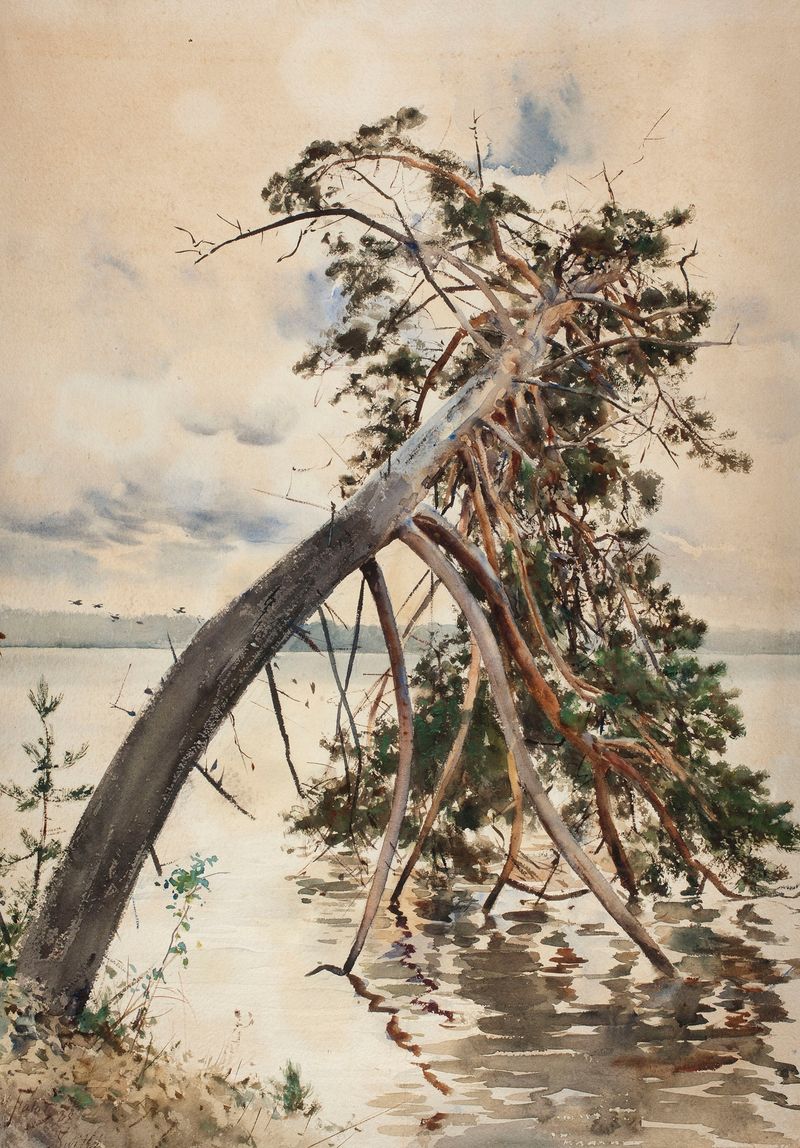
Świteź
Julian Falat
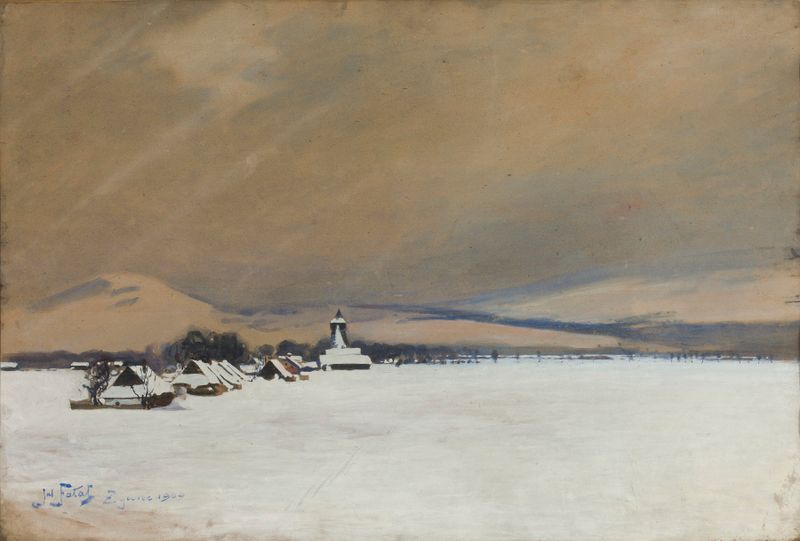
Winter landscape from Żywiec
Julian Falat
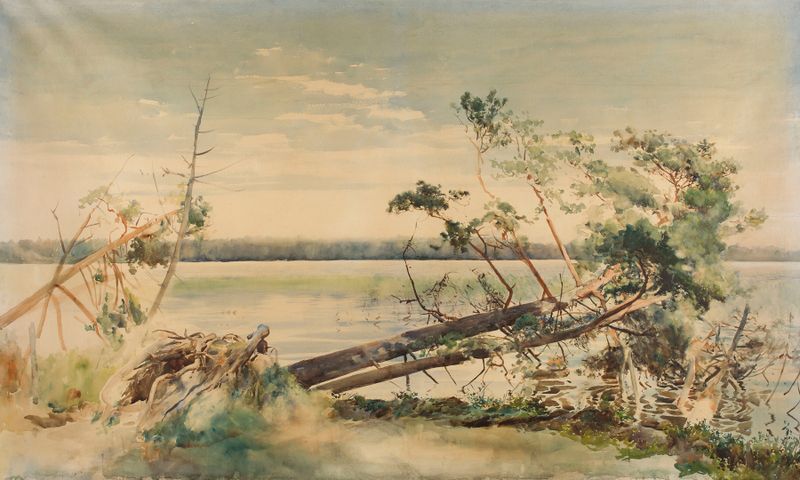
Świteź
Julian Falat
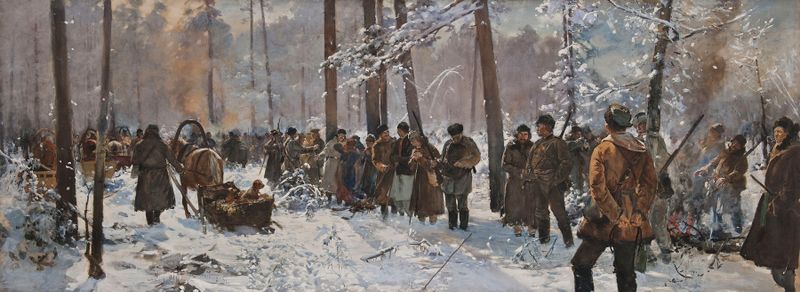
Battue at a hunt in Nieśwież
Julian Falat
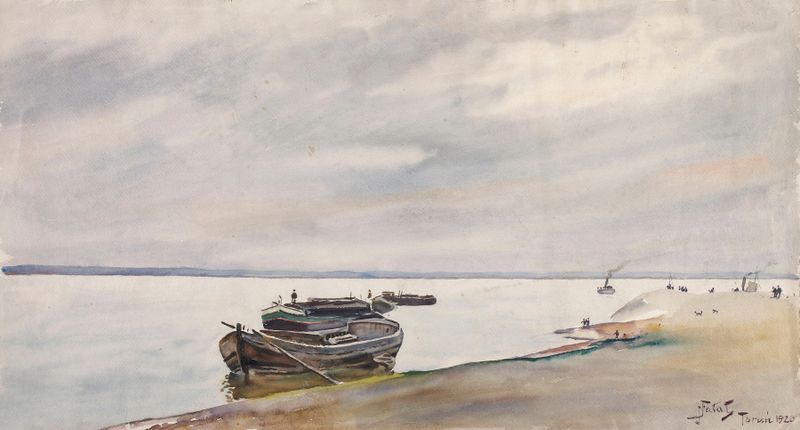
Boats and steamship on the Vistula near Toruń
Julian Falat





