
Montmartre, la rue Cortot — History & Facts
What if beauty was never meant to be finished? In the gentle embrace of twilight, a captured moment whispers of nostalgia, inviting the viewer to step into a world suspended between memory and reality. Look to the foreground where cobblestone paths meander like soft sighs beneath a canopy of trees. The delicate interplay of light and shadow dances across the buildings, their facades bathed in warm hues of ochre and soft blues. Notice how the artist skillfully layers pigments, creating a textured depth that evokes both the simplicity and complexity of life in Montmartre.
Every brushstroke, each nuanced gradient, beckons the eye to linger, exploring the hidden stories entwined within the scene. As you delve deeper, contemplate the contrast between the lively warmth of the street and the cool shadows that loom. This juxtaposition reflects the ephemeral nature of existence; the vibrancy of life is ever-present yet fleeting. The distant figures moving in silence evoke a sense of longing, as if they are mere echoes of past voices, imbuing the artwork with a bittersweet reminiscence.
Here, beauty becomes an invitation to reflect on moments lost and the permanence of memory. Stanislas Lépine, active during the late 19th century, crafted Montmartre, la rue Cortot amidst a rich tapestry of artistic innovation. Living in Paris during a time when Impressionism was blossoming, he explored the city's charm, capturing fleeting scenes that resonated with the emotions of everyday life. This period was defined by a response to modernity, and Lépine's work captures the essence of a vibrant neighborhood, forever etched in the collective memory of a changing world.
More Artworks by Stanislas Lépine
Browse all →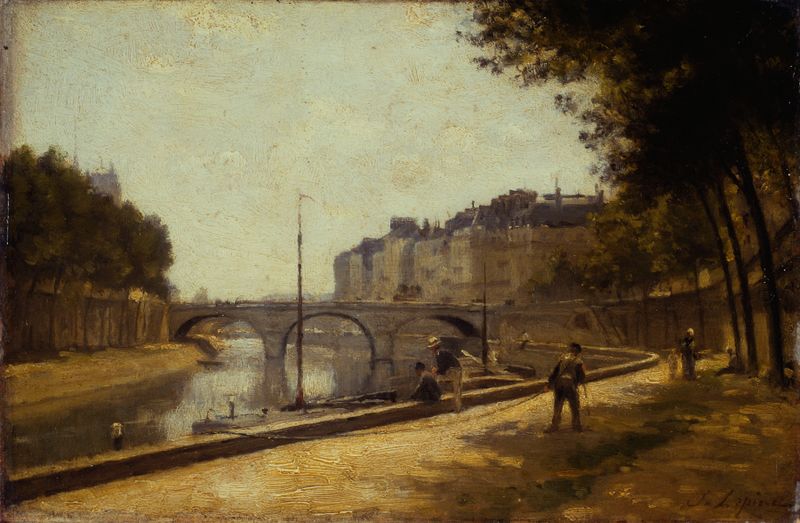
Le pont Saint-Michel
Stanislas Lépine
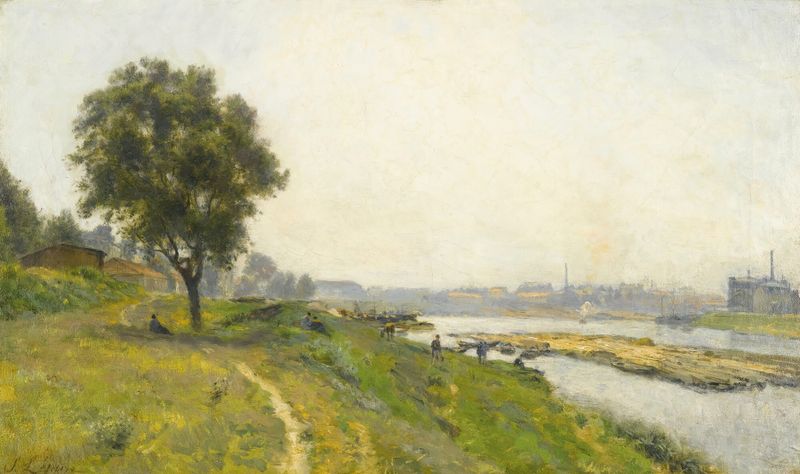
Ivry-Sur-Seine. Le Confluent Avec La Marne
Stanislas Lépine

View on the Seine, Paris
Stanislas Lépine
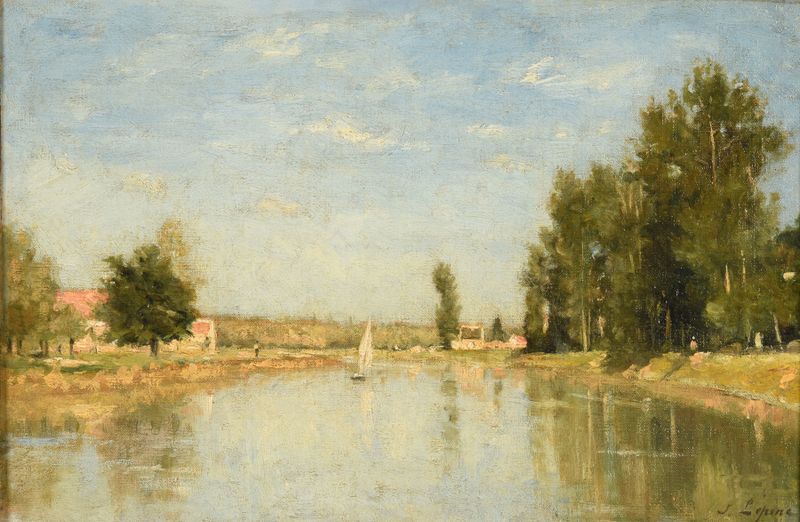
Les Bords de la Marne
Stanislas Lépine

L’île de la Cité et l’île Saint-Louis, vues du pont d’Austerlitz
Stanislas Lépine
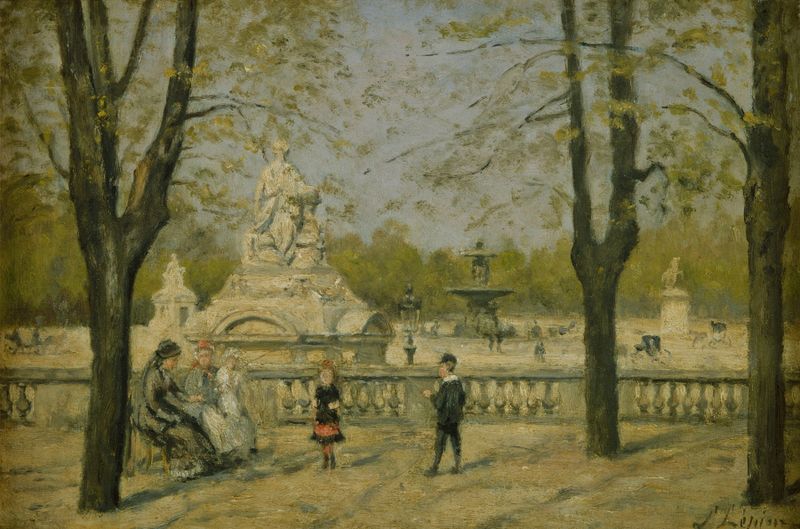
La place de la Concorde, vue de la terrasse des Tuileries
Stanislas Lépine
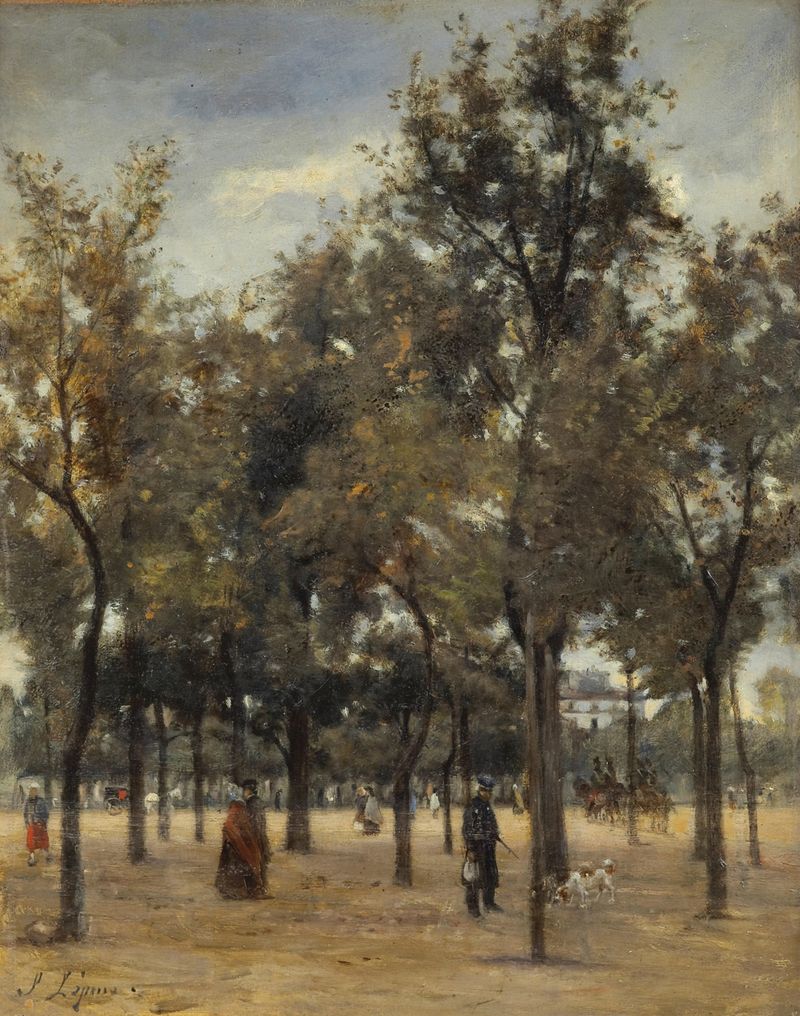
L’esplanade des Invalides
Stanislas Lépine
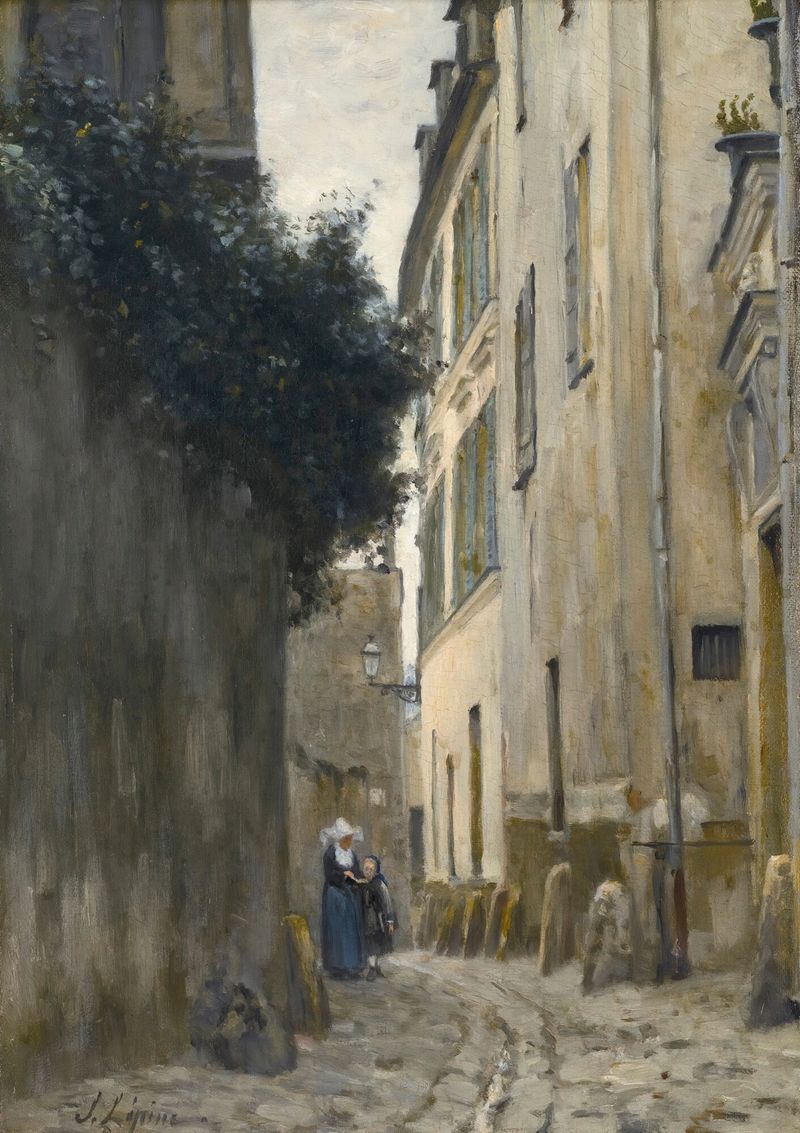
Montmartre. La Rue Saint-Vincent
Stanislas Lépine

Le Bassin de la Villette en hiver
Stanislas Lépine
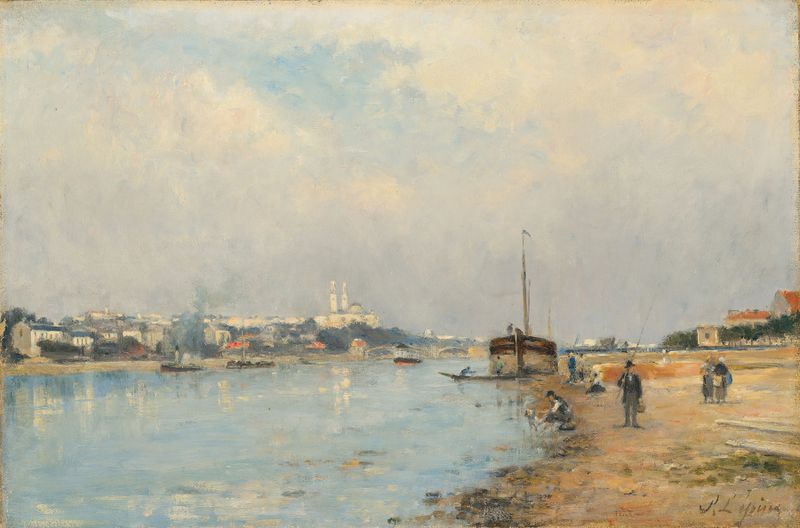
La Seine. Le Trocadéro et le pont de Grenelle, vus du quai de Javel
Stanislas Lépine





