
Monument between Tripoli and Tortosa — History & Facts
What if beauty was never meant to be finished? In a world where eras collide, the notion evokes a poignant melancholy that whispers through the brushstrokes of this work. Focus on the verdant landscape, where the eye is immediately drawn to the imposing monument that commands the foreground, standing as a silent witness to the passage of time. The artist’s technique is striking; soft pastels blend seamlessly in the sky, creating a harmonious contrast against the monument's rugged stone facade. Look closely at the intricate details carved into its surface, revealing a history that is both celebrated and forgotten, while the gentle play of light evokes a sense of both reverence and sorrow. Delve deeper into the emotional tapestry woven within this scene: the monument, a symbol of human ambition, coexists with an overwhelming sense of loss and decay.
The lush greenery surrounding it hints at nature's indifference, reclaiming the landscape as life ebbs and flows. This interplay between the man-made and the organic suggests a poignant commentary on the inevitability of time; even the grandest achievements fade, leaving behind whispers of their former glory. At the time of this painting, the artist was residing in England, grappling with the shifting tides of the Napoleonic Wars that would soon reshape Europe. Created in 1810, Monument between Tripoli and Tortosa reflects not only a personal exploration of artistic expression but also a burgeoning interest in Romanticism, revealing the tension between human achievement and the inescapable march of history.
More Artworks by Luigi Mayer
Browse all →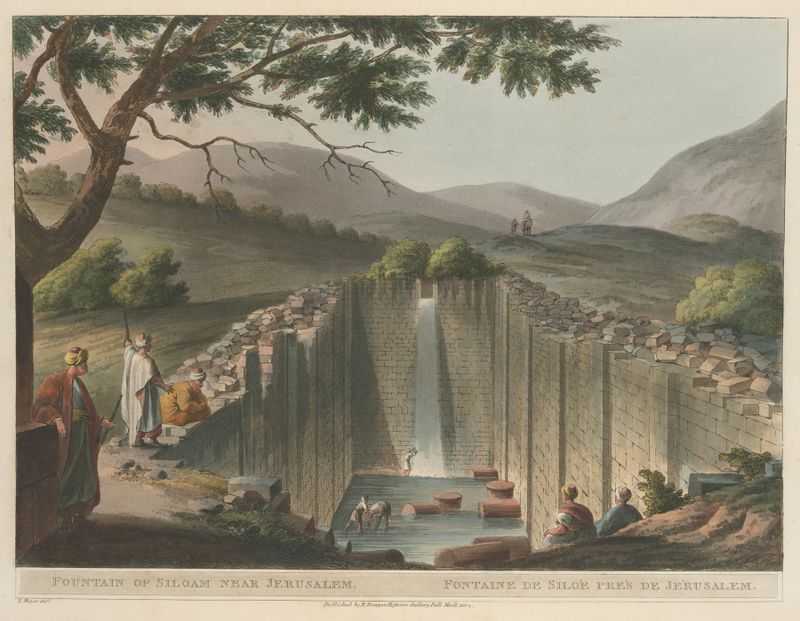
Fountain of Siloam Near Jerusalem
Luigi Mayer

View of the Dardanelles
Luigi Mayer
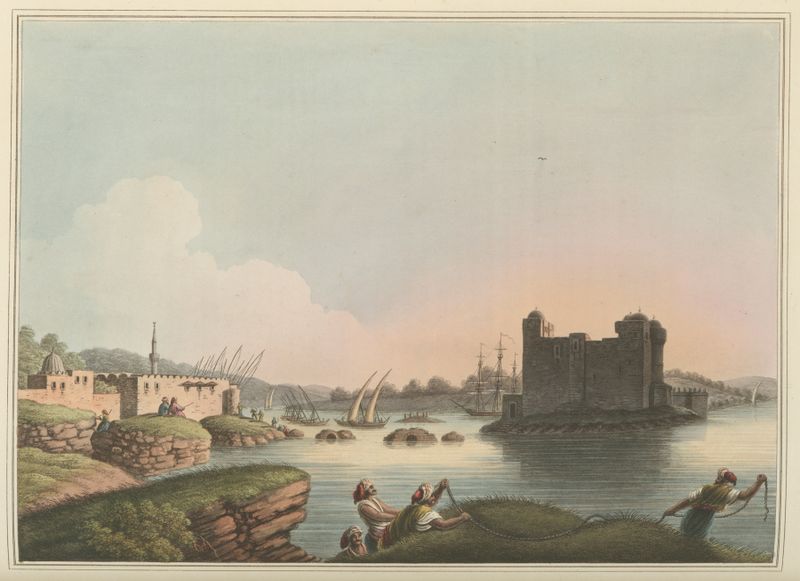
Port of Latachia
Luigi Mayer

Stadium at Ephesus
Luigi Mayer

Ancient Temples at Agrigentum
Luigi Mayer
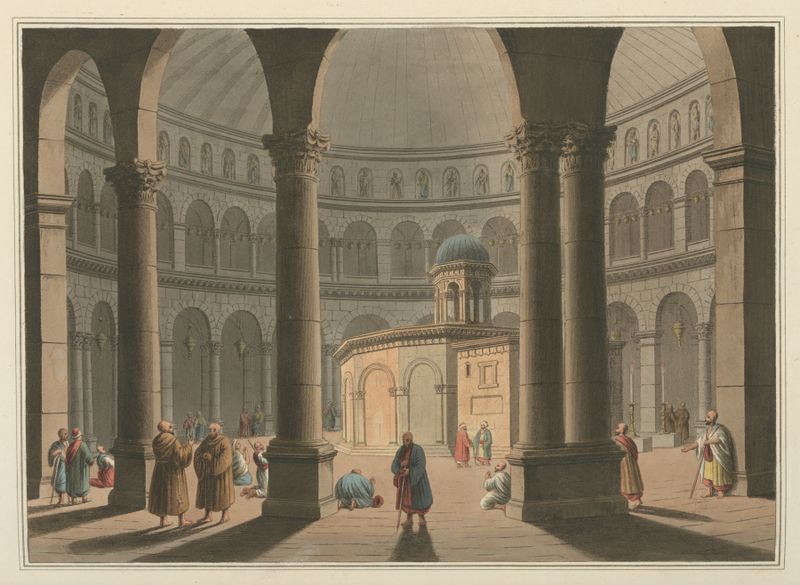
Church of the Holy Sepulchre
Luigi Mayer
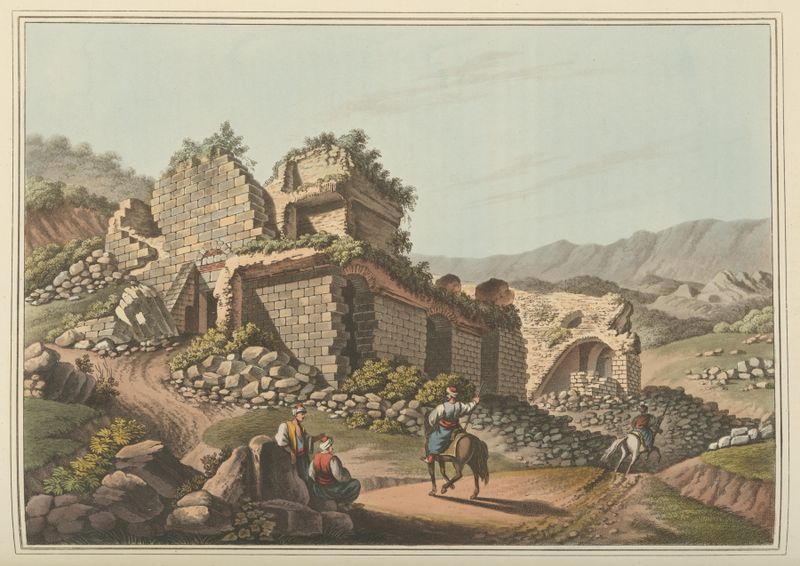
Theatre at Ephesus
Luigi Mayer
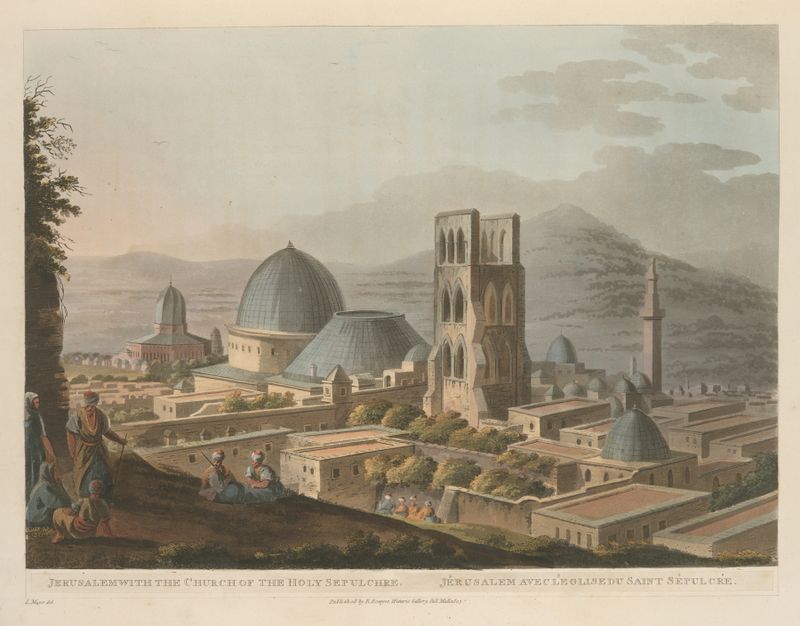
Jerusalem with the Church of the Holy Sepulchre
Luigi Mayer
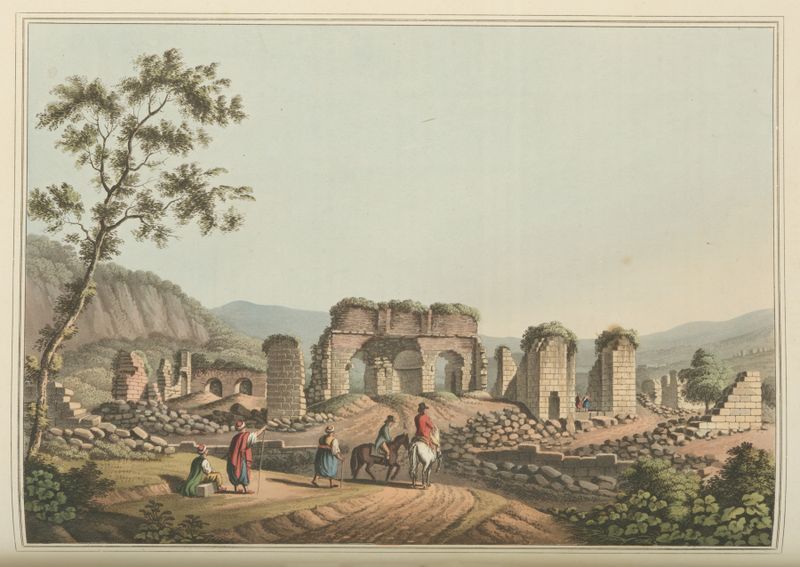
Ruins of the Temple of Diana at Ephesus
Luigi Mayer

Crater in the Island of Volcano
Luigi Mayer





