
Moon over the Rocks — History & Facts
In the soft glow of twilight, moments are suspended, and time seems to hold its breath. There lies a haunting elegance in the juxtaposition of the glimmering moonlight against the rugged, unyielding terrain, where each shadow tells a story of struggle and resilience. Look to the center where the luminous moon casts an ethereal light, illuminating the jagged rocks below. Notice how the artist uses a palette of cool blues and silvery grays to evoke a sense of tranquility, while the harsh, textured brushstrokes of the rocks contrast sharply with the softness of the night sky.
This deliberate choice creates a dialogue between serenity and turmoil, inviting the viewer to explore the emotional landscape of the piece. The moon, a timeless symbol, hangs above as a beacon of hope, while the rocks anchor the scene in reality, grounding dream and despair. This duality reveals an underlying tension—the beauty of the moonlit night intertwines with the harshness of nature, reflecting the complex relationships we hold with time and memory. Fleeting moments of beauty remind us of the impermanence of life, echoing both joy and sorrow. In 1906, Jan Stanisławski created this artwork during a period of personal exploration and artistic maturation in Poland.
Amidst a burgeoning movement toward modernism, he sought to capture the interplay of light and emotion, drawing inspiration from his surroundings and the changing world of art. This piece reflects not only his technical prowess but also his profound contemplation of existence amid the passage of time.
More Artworks by Jan Stanisławski
Browse all →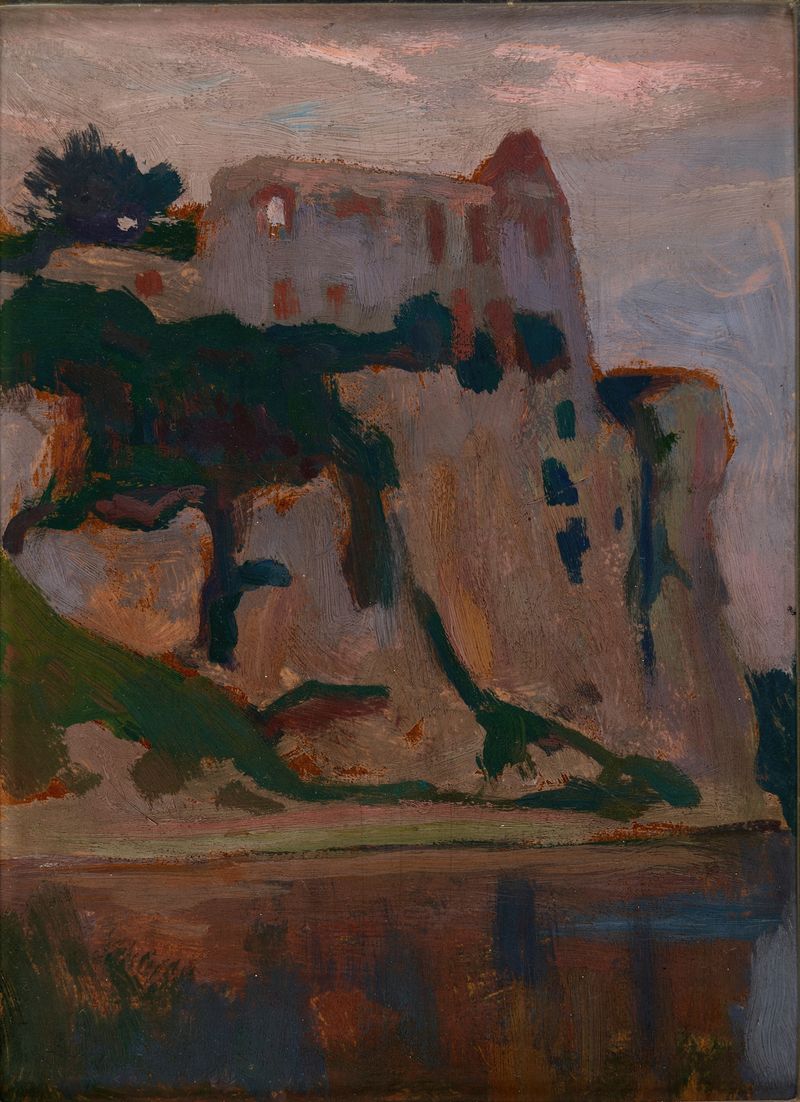
Tyniec at Dawn
Jan Stanisławski
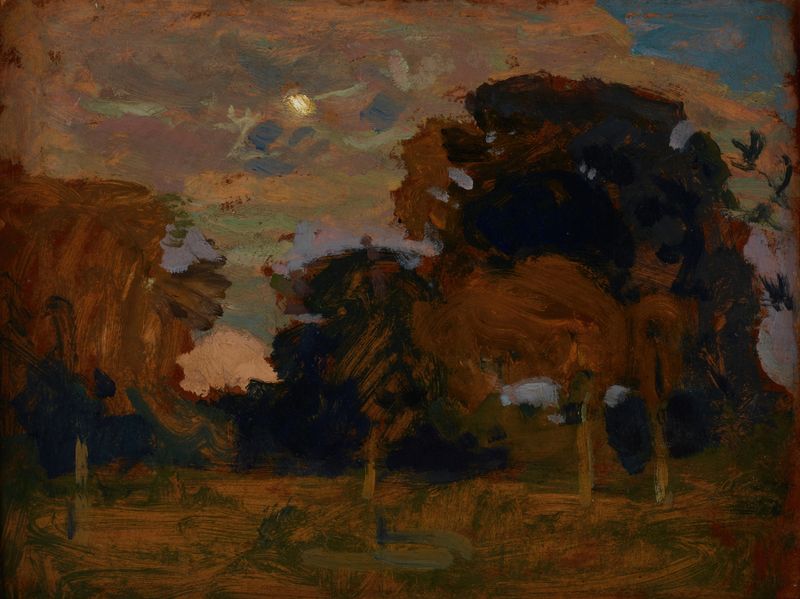
Moon in the Clouds
Jan Stanisławski
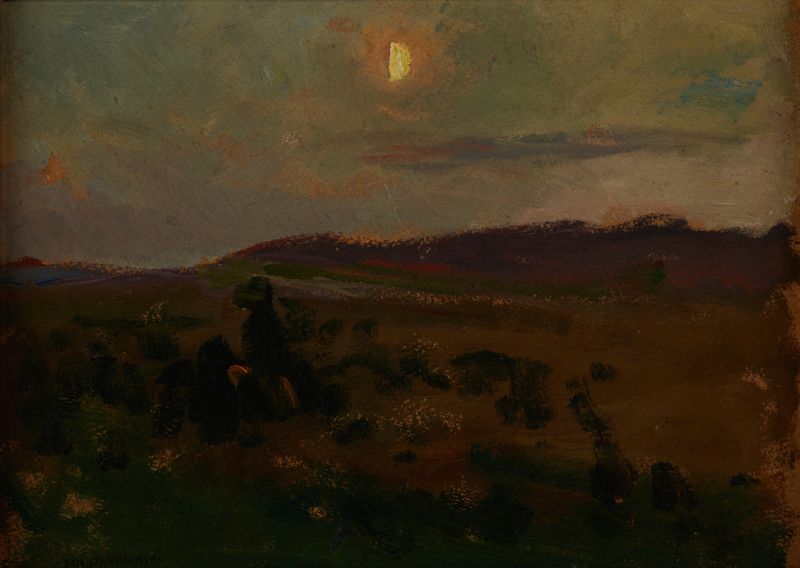
Moonrise
Jan Stanisławski
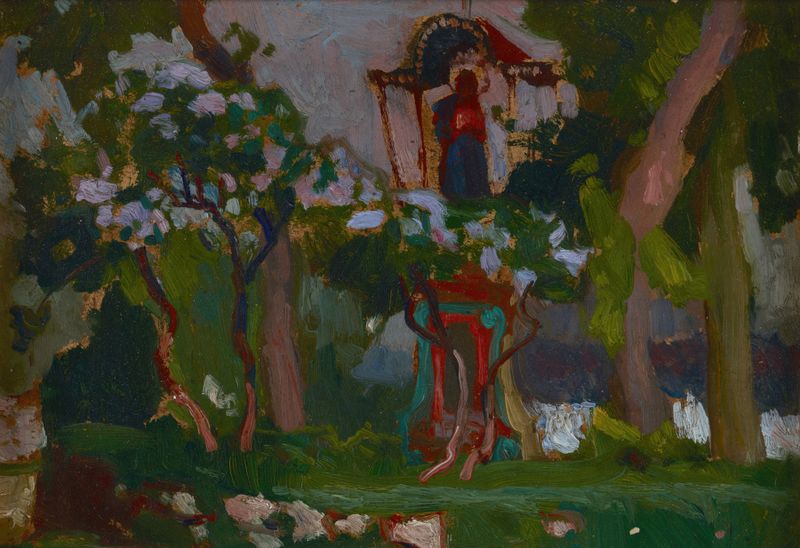
May
Jan Stanisławski
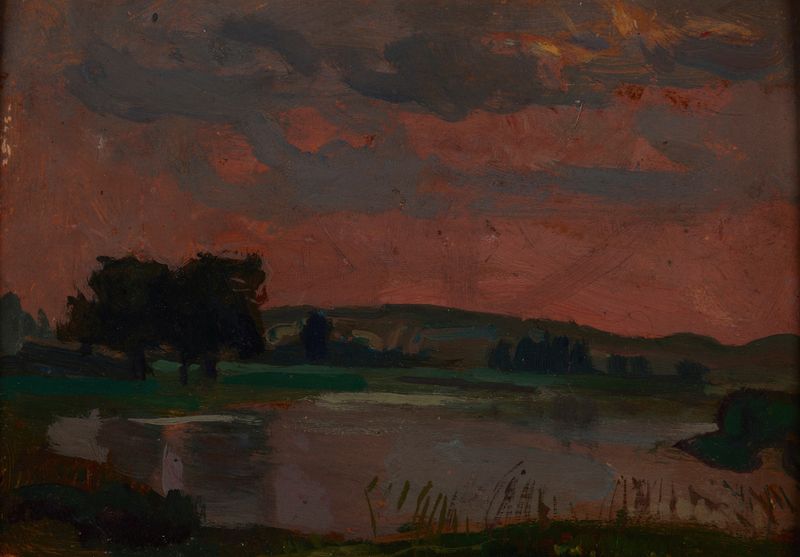
The Vistula in the Twilight
Jan Stanisławski
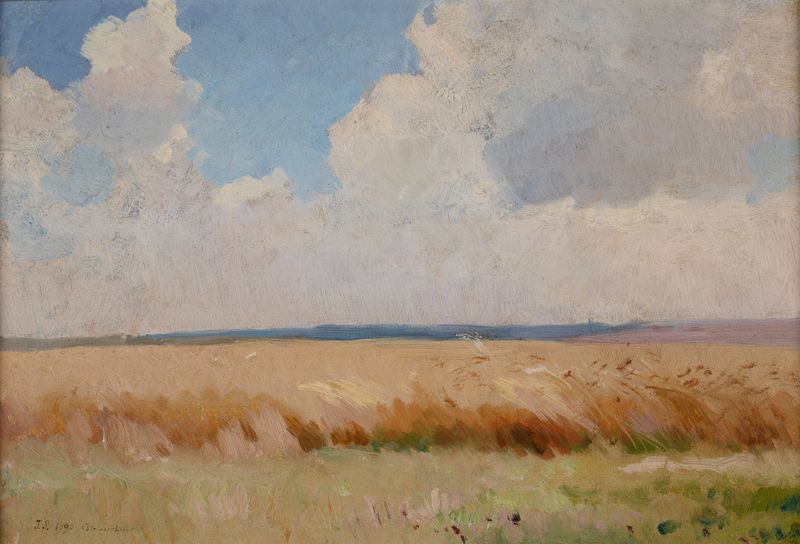
Field at Białocerkiew (Bila Tserkva)
Jan Stanisławski
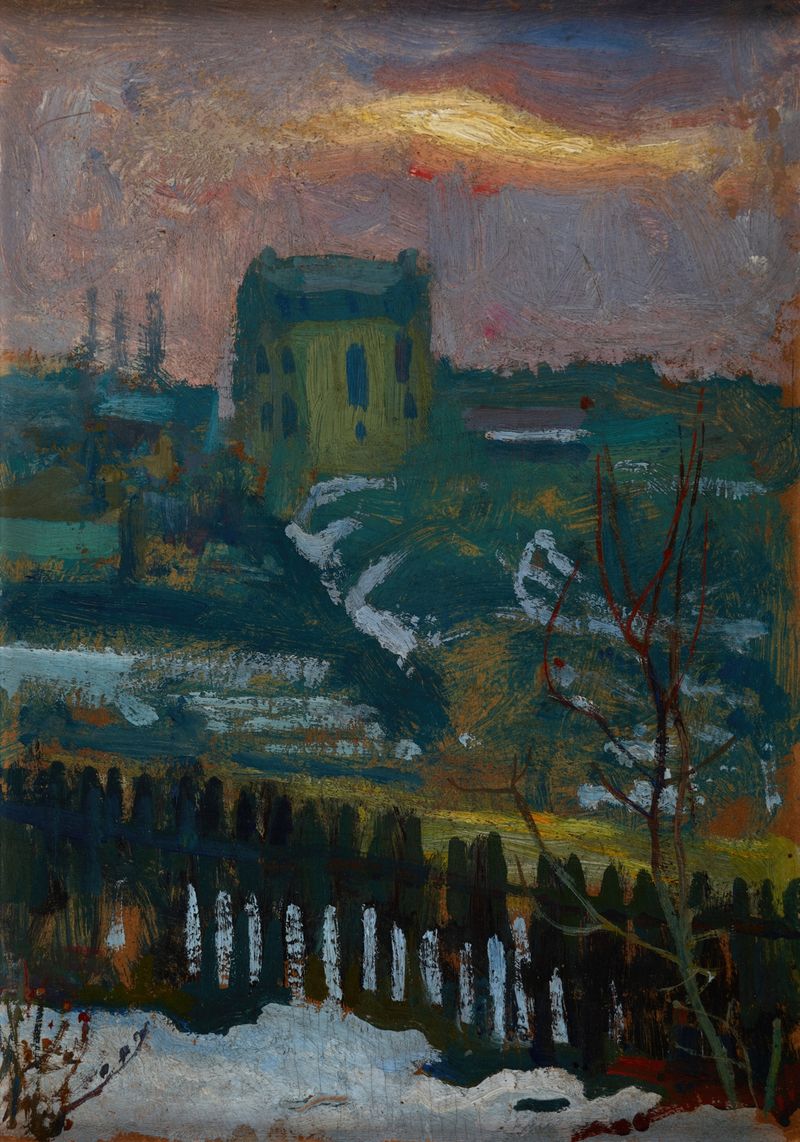
House in Winter
Jan Stanisławski
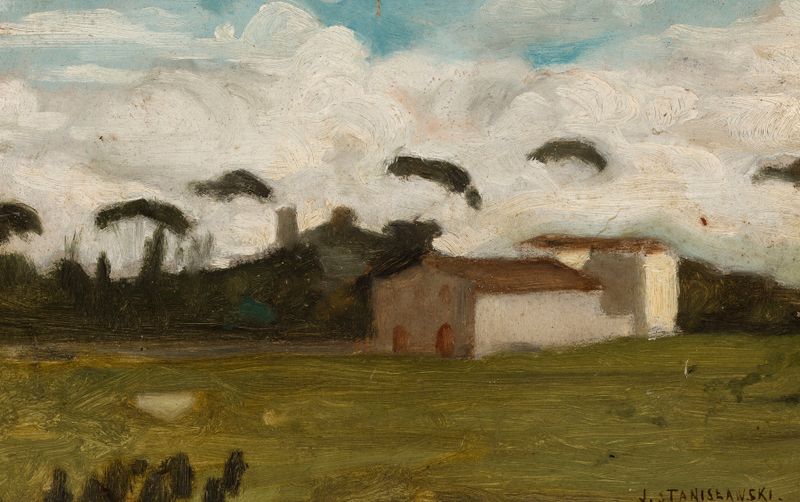
Landscape
Jan Stanisławski
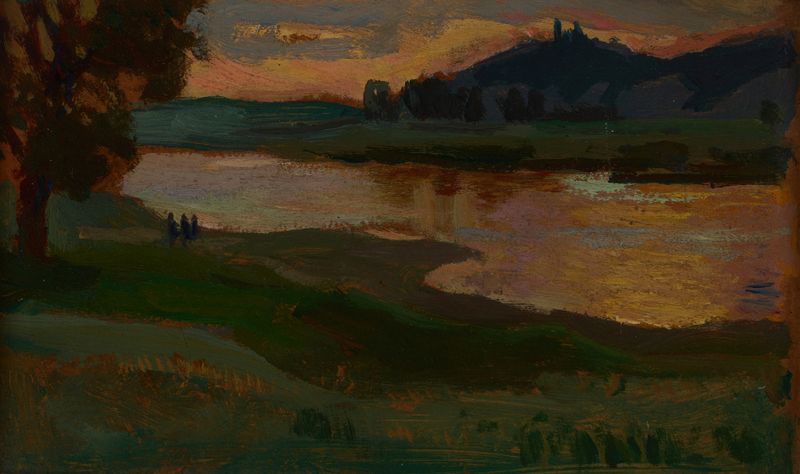
Bielany at Dusk
Jan Stanisławski
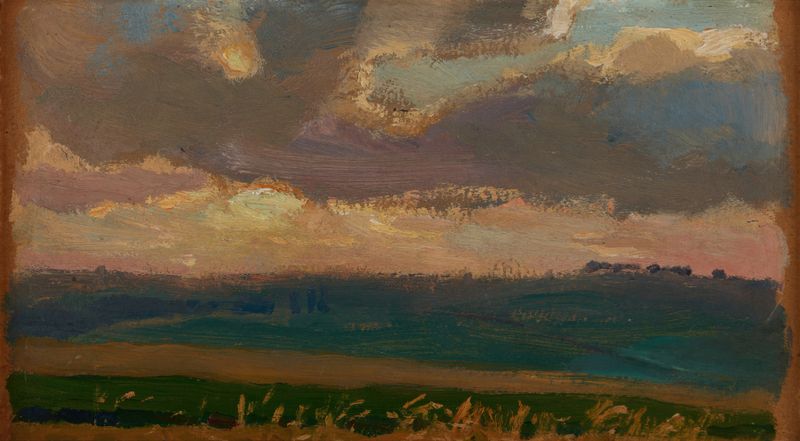
Fields at Proszowice
Jan Stanisławski





