
Moonlight, Tetuan, Morocco — History & Facts
In the quiet embrace of night, we find ourselves standing on the cusp of solitude, where the moonlight spills over the landscape, revealing the often-overlooked depths of loneliness. Look to the left at the ethereal glow of the moon reflecting in the tranquil waters, illuminating the scene with a silver wash that softens the edges of reality. Notice how the deep blues and greens of the landscape blend seamlessly into one another, creating a harmonious yet haunting atmosphere. The brushwork, fluid and intentional, guides your eye across the canvas, capturing not just a location but an emotional state. As you absorb the painting, contemplate the contrast between the opulent moonlight and the desolate terrain, a reminder of the isolation inherent in beauty.
The distant buildings, barely discernible, evoke a sense of abandonment, while the stillness of the water amplifies the feeling of introspection. This interplay of light and shadow transforms the scene into a poignant meditation on solitude, inviting viewers to wrestle with their own experiences of loneliness. In 1911, while living in London, Sir John Lavery created this work during a visit to Tetuan, Morocco, where he was drawn to the enchanting landscapes steeped in cultural richness. It was a period marked by Lavery's exploration of color and light, seeking to translate the vibrancy of foreign terrains onto his canvas—a reaction to the modernity encroaching upon the art world.
More Artworks by Sir John Lavery
Browse all →
On The Sands
Sir John Lavery

The Beach, Tangier
Sir John Lavery

Evening, The Bay Of Tunis
Sir John Lavery

Tangier bay at night
Sir John Lavery
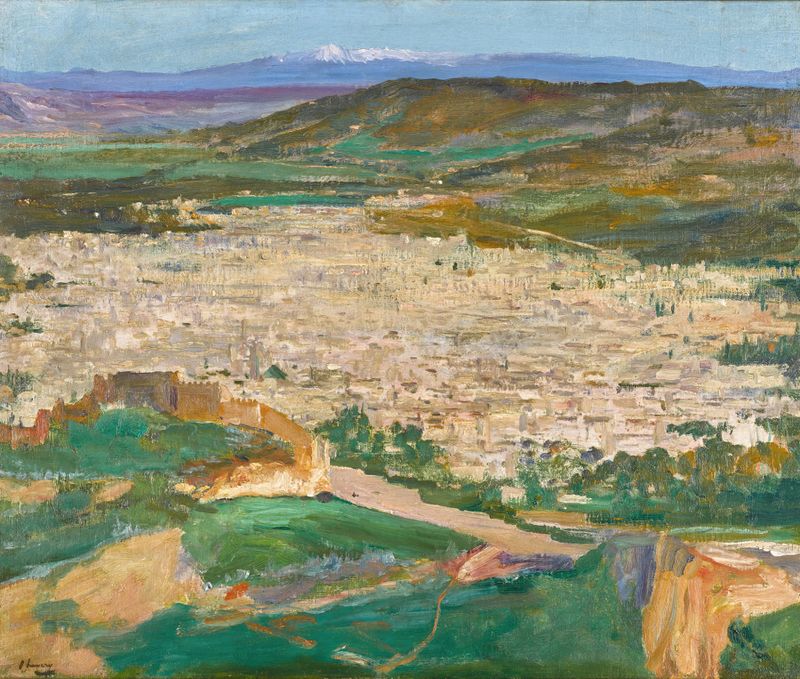
A View of Fez
Sir John Lavery
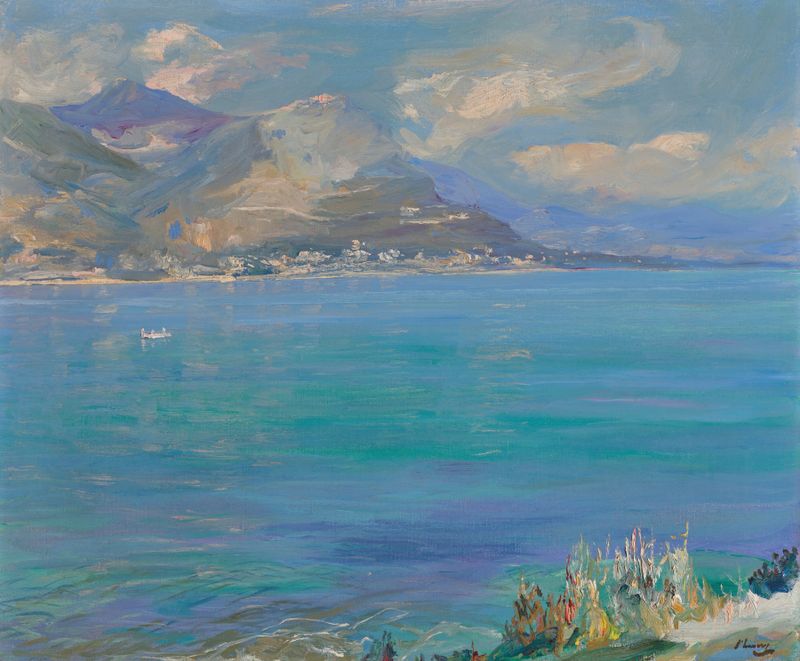
Beaulieu
Sir John Lavery
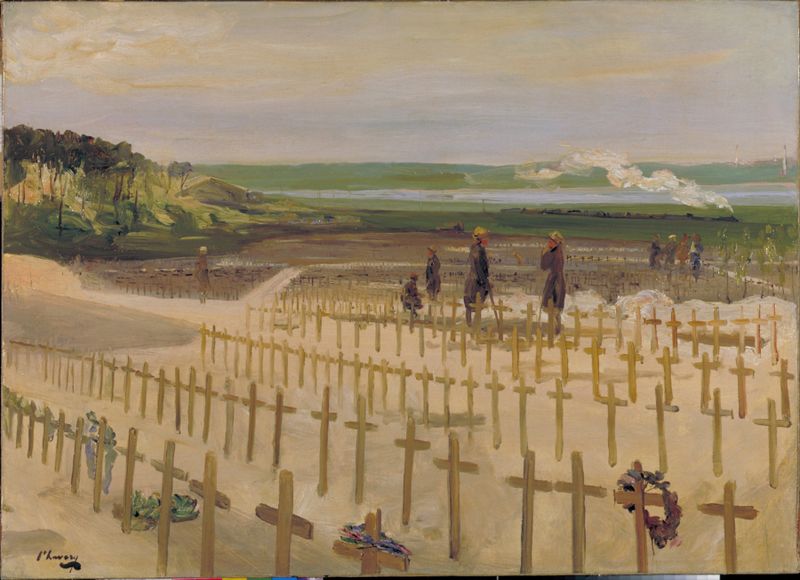
The Cemetery, Etaples, 1919
Sir John Lavery
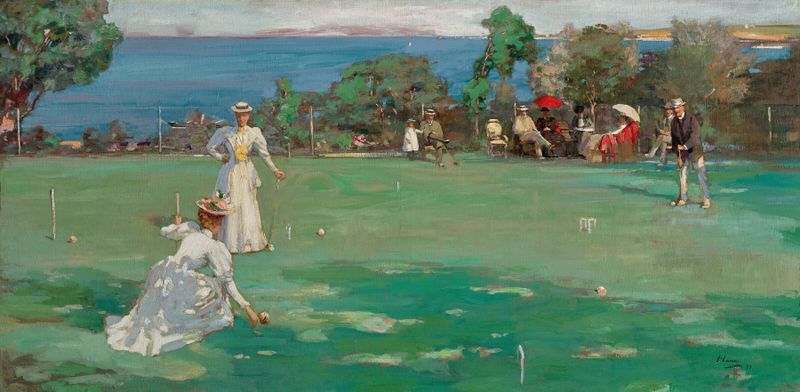
The Croquet Party
Sir John Lavery
Chiswick Baths
Sir John Lavery

Hounslow
Sir John Lavery





