
Moonlit Landscape — History & Facts
In the stillness of a moonlit night, where darkness wraps the earth in shadows, a whisper of light illuminates the landscape, revealing truths hidden from the day. In Moonlit Landscape, the viewer's gaze is immediately drawn to the shimmering reflection of the moon on a serene body of water. Look closely at how the pale light dances across the surface, creating ripples that suggest movement and life within a tranquil scene. The delicate balance of deep blues and silvery whites evokes a sense of calm, while the surrounding trees, silhouetted by the moonlight, frame the vista and invite contemplation of what lies beyond. Within this serene composition lies a poignant contrast between light and darkness.
The moon, a solitary beacon in an expansive night sky, symbolizes hope and introspection, contrasting with the enveloping shadows that hint at the mysteries of the unseen world. Each brushstroke carries a weight of emotion, reflecting the tension between what is illuminated and what remains hidden, urging the viewer to pause and reflect on their own inner landscape. Johan Christian Dahl painted Moonlit Landscape in 1832 while in Norway. This period marked a significant evolution in landscape painting, as artists began to embrace the sublime beauty of nature and the emotional depth it could convey.
Dahl was particularly instrumental in introducing Romantic themes to Norwegian art, capturing the essence of the landscape while drawing from personal experiences and the national sentiments that resonated in a rapidly changing world.
More Artworks by Johan Christian Dahl
Browse all →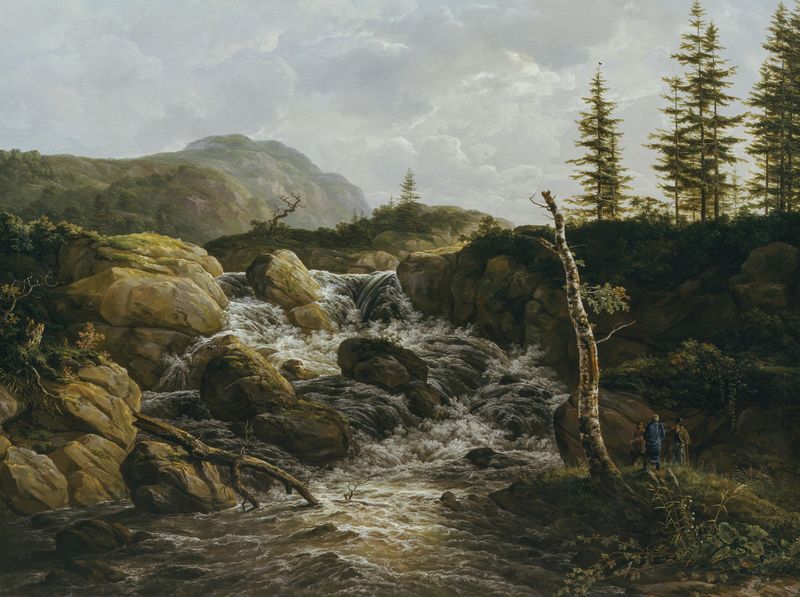
Mountainous Landscape with a Waterfall, Norway
Johan Christian Dahl
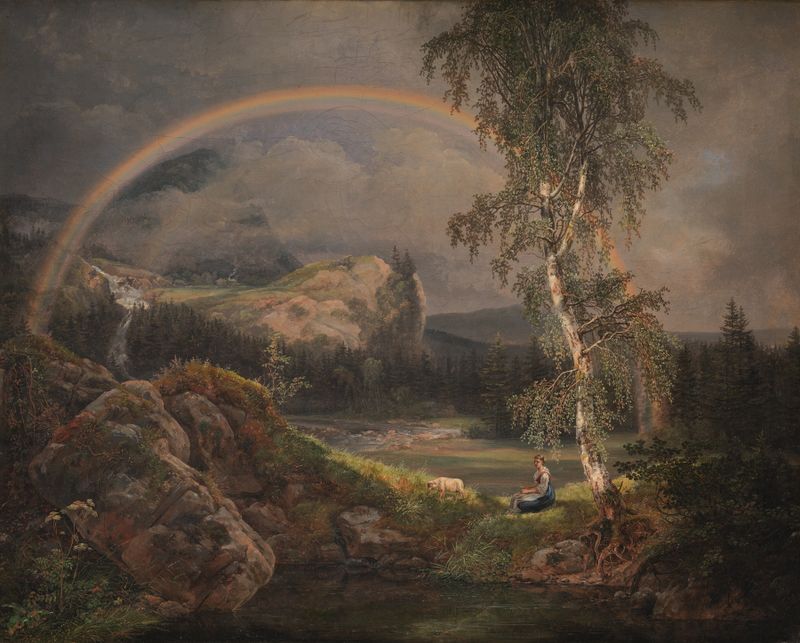
Norwegian Landscape with a Rainbow
Johan Christian Dahl
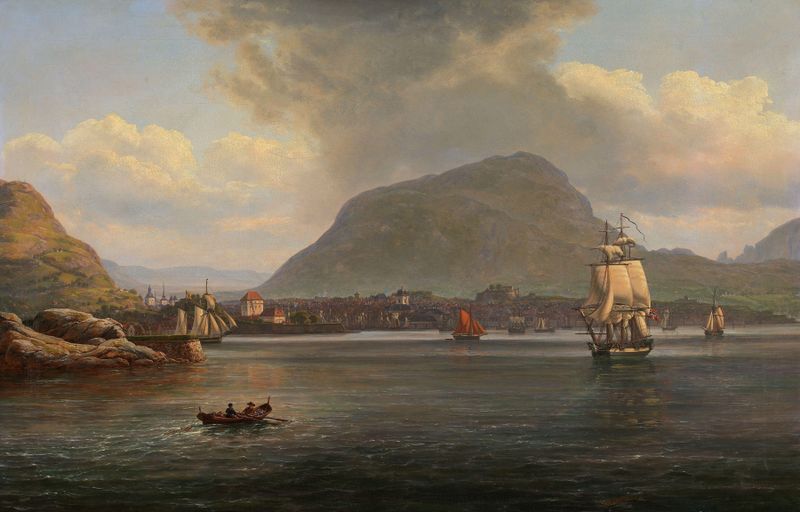
Bergen seen from the northern Inlet
Johan Christian Dahl
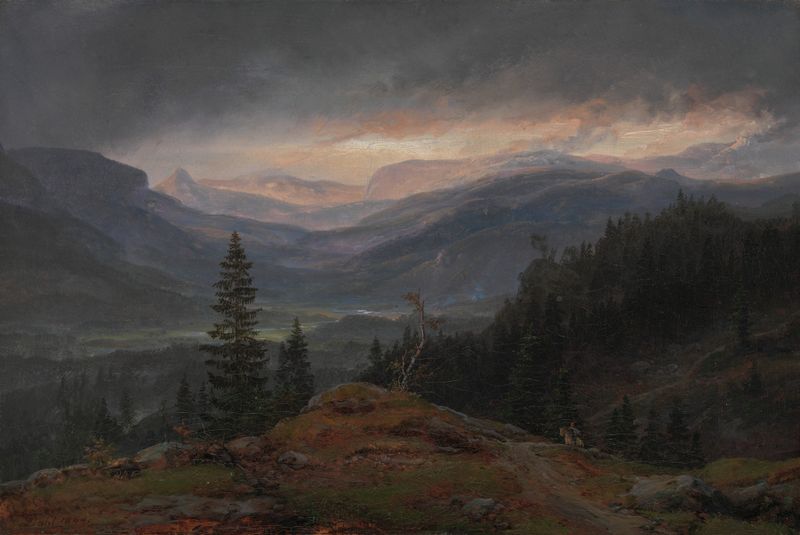
View over Hallingdal
Johan Christian Dahl
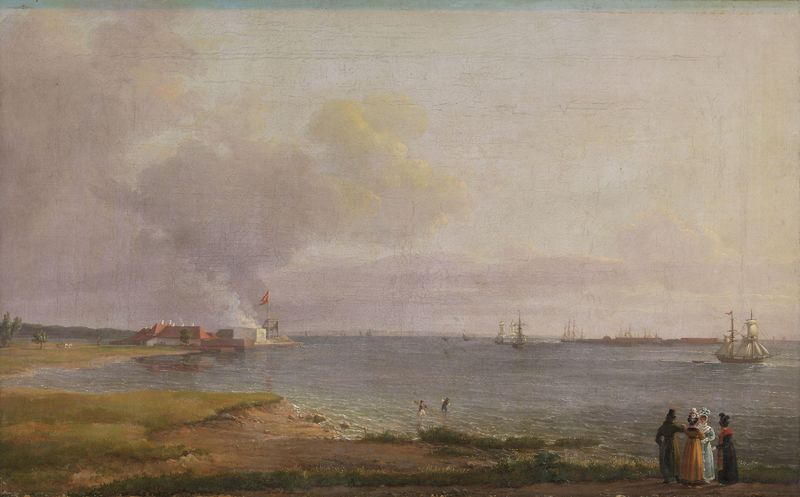
View over Øresund near the Lime Works
Johan Christian Dahl
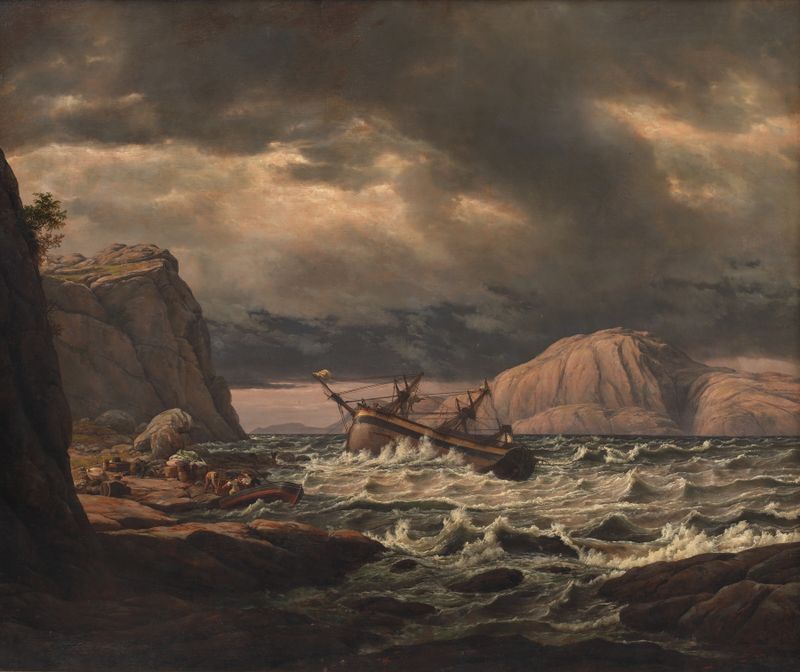
A Shipwreck on the Coast of Norway
Johan Christian Dahl
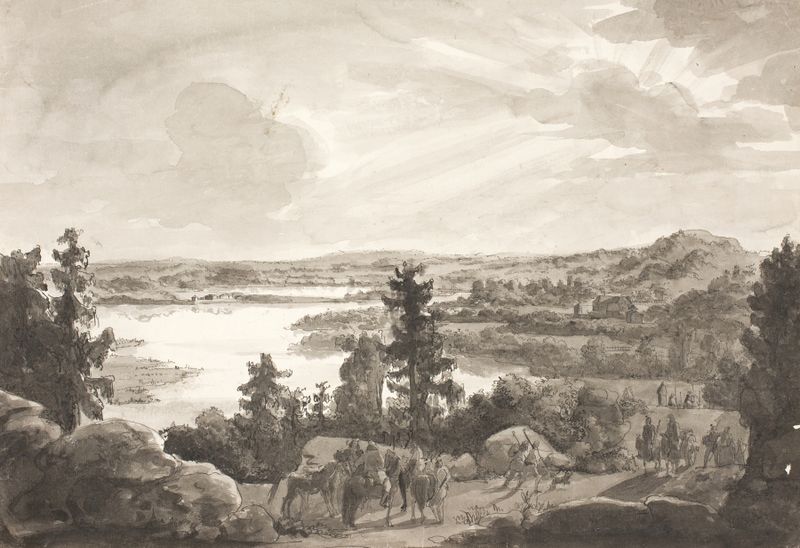
View of a Lake, Norway
Johan Christian Dahl
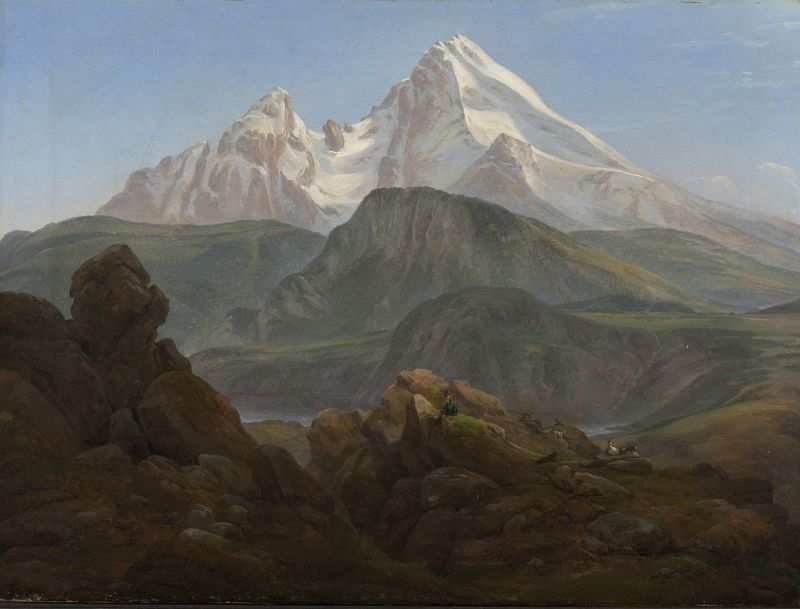
The Watzmann
Johan Christian Dahl
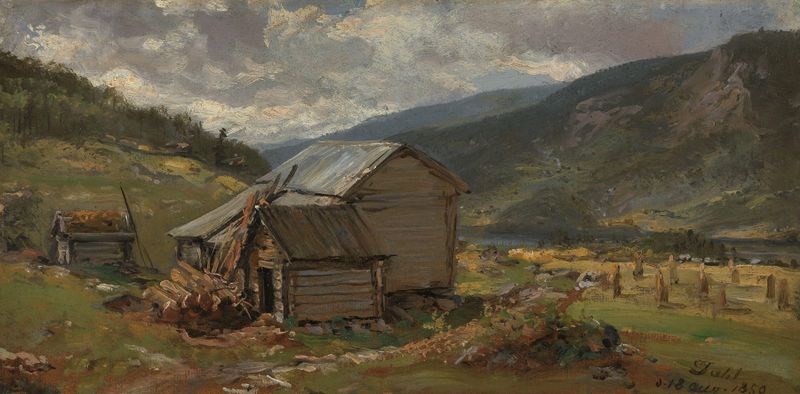
View of Hjelle in Valdres
Johan Christian Dahl

View At Skjolden In Lyster
Johan Christian Dahl





