Morgat — History & Facts
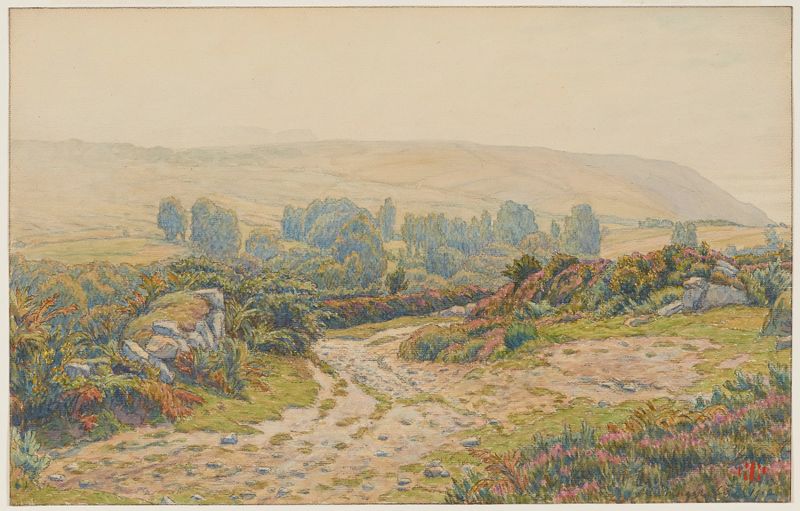
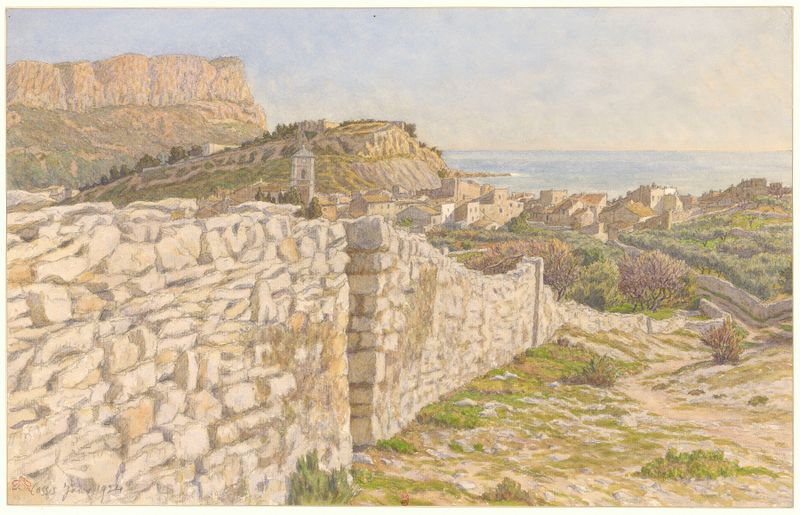
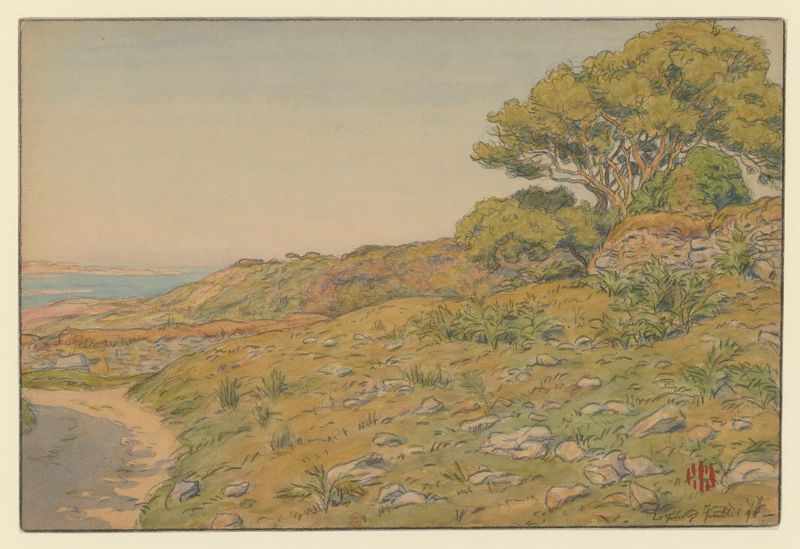
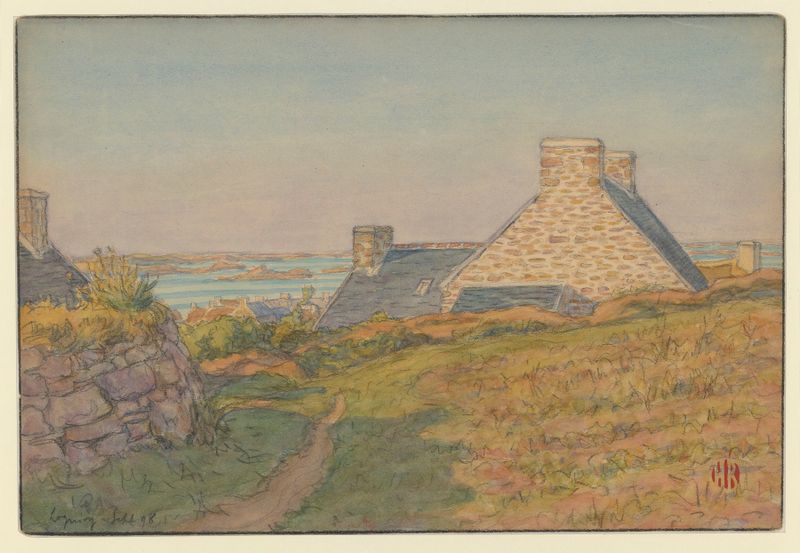
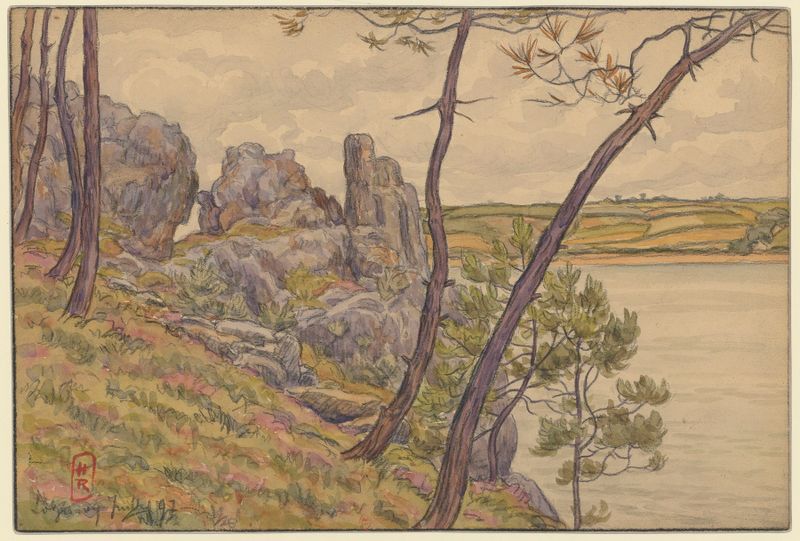
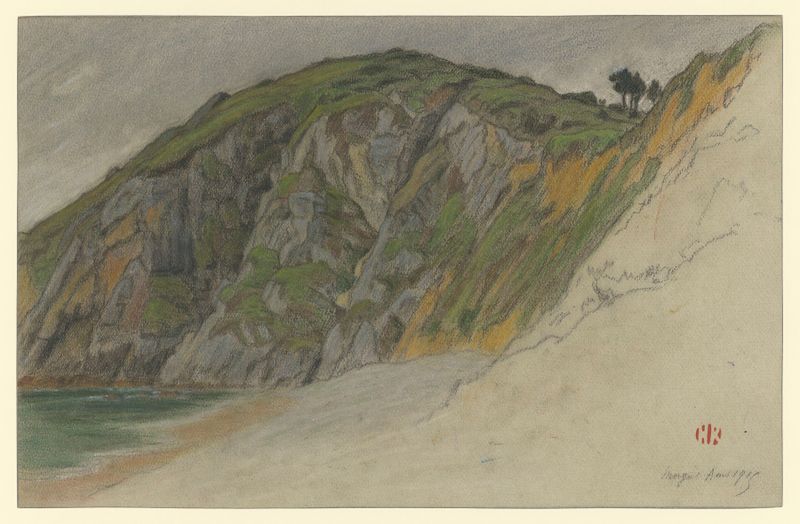
Can beauty exist without sorrow? In Morgat, the delicate interplay of light and shadow reveals a world where hope dances on the edge of melancholy. Look to the left, where soft, rolling waves caress the rocky coastline—each stroke of paint capturing the ocean’s rhythmic heartbeat. The palette of cool blues and muted greens, punctuated by warm sandy hues, evokes a sense of tranquility. Notice how the cliffs rise nobly against the horizon, their textured surfaces inviting the eye to explore the contrasts between the rugged land and the gently flowing water, embodying both strength and fragility. Beneath the serene surface, layers of meaning emerge.
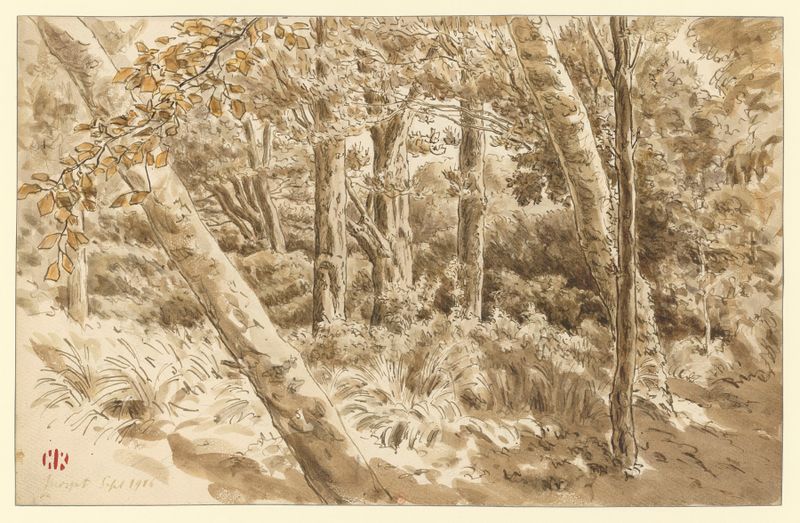
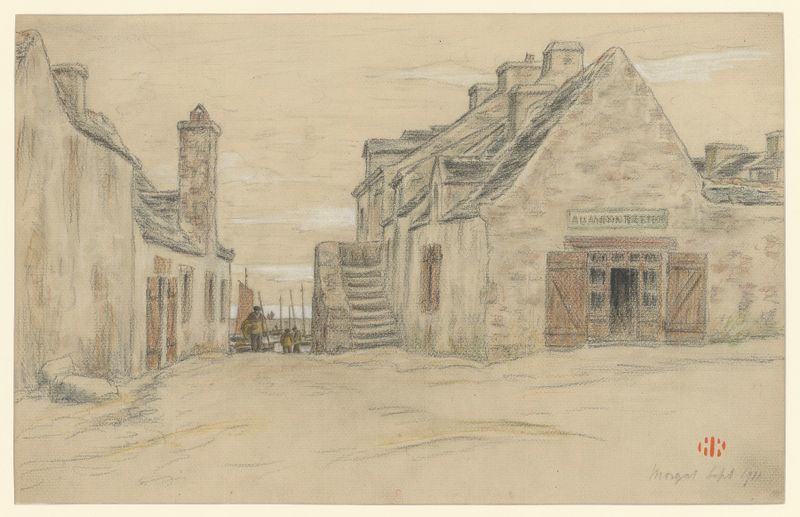
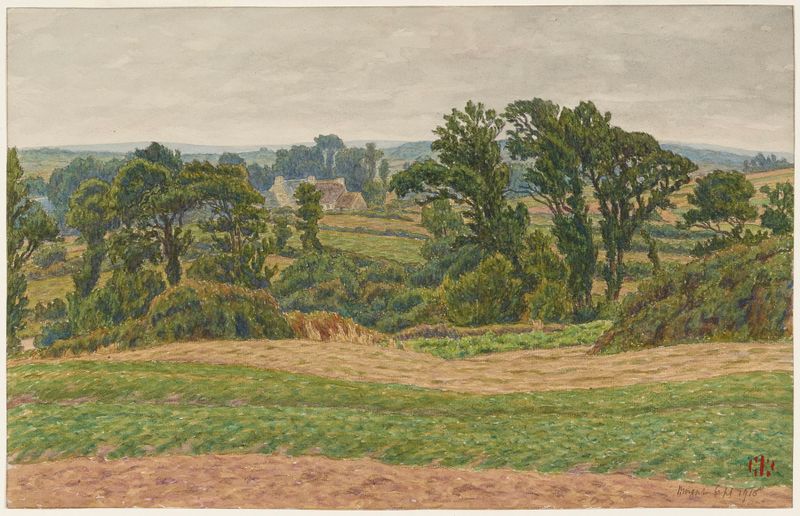
The ocean’s depths suggest an emotional journey, where the calmness of the day conceals the potential for storms, symbolizing life’s unpredictability. The scattering of light across the waves evokes a sense of fleeting moments—each glimmer a reminder that even in despair, there is a spark of hope waiting to surface. The juxtaposition of the vibrant coast against the expansive, shadowy sea reflects the tension between longing and fulfillment. In 1916, amidst the upheaval of World War I, Rivière painted this landscape in Bretagne, a region steeped in history and natural beauty.
At this time, the artist was grappling with the chaos around him, seeking refuge in the untouched landscapes of his homeland. This work embodies his desire to capture the essence of life’s dualities, offering a poignant commentary on the resistance of beauty against sorrow.