Morgat — History & Facts
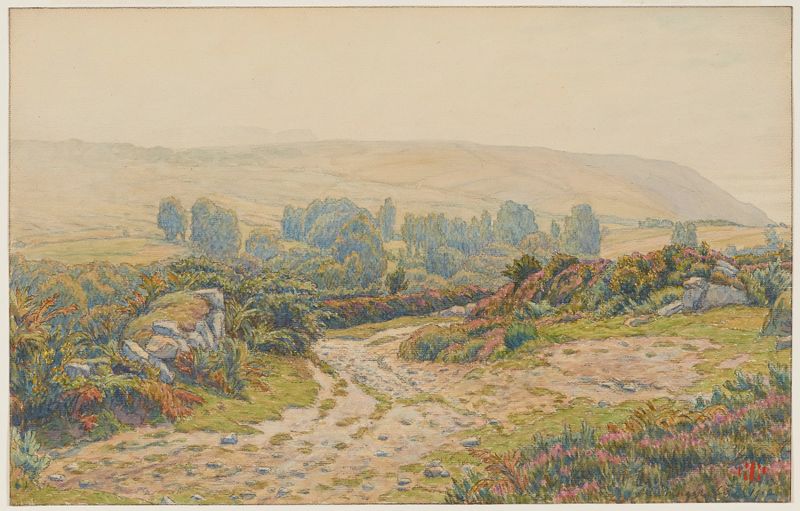
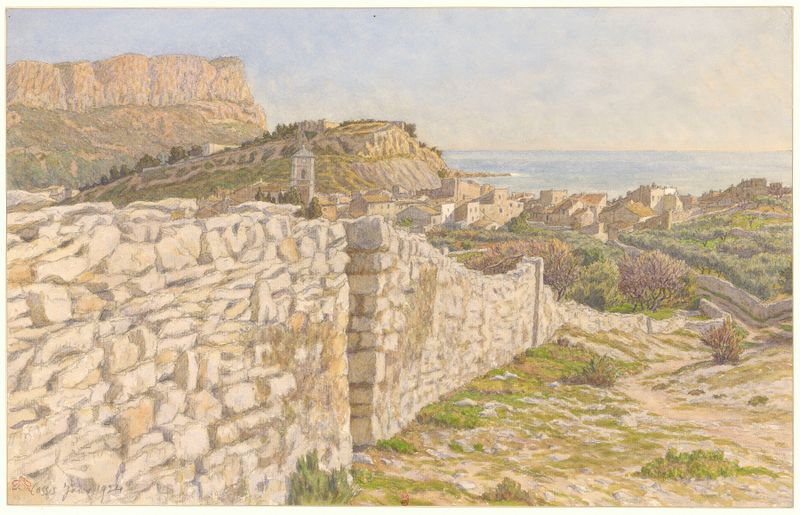
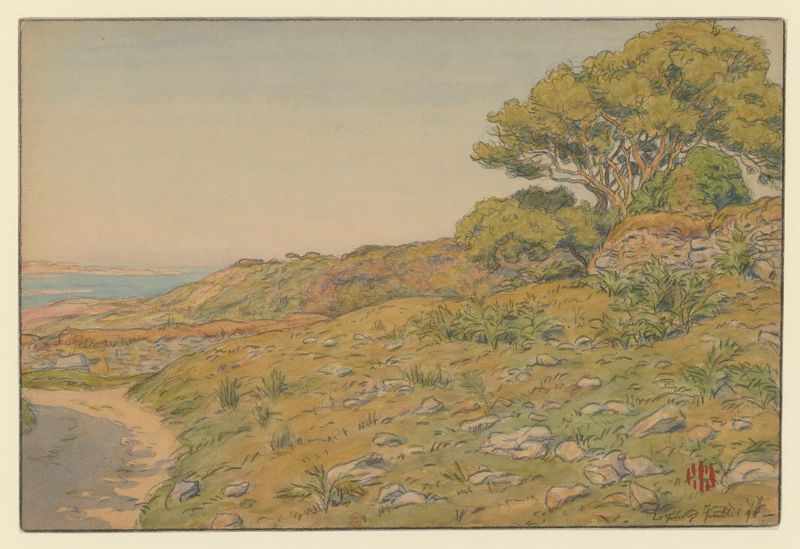
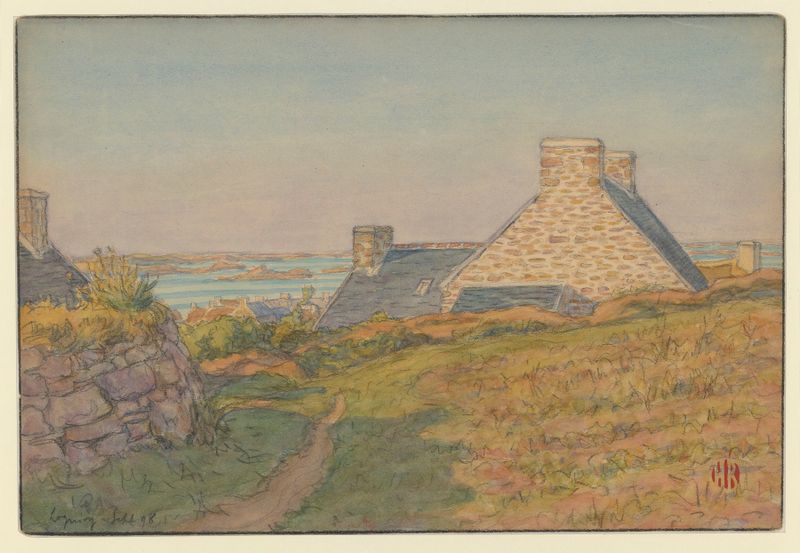
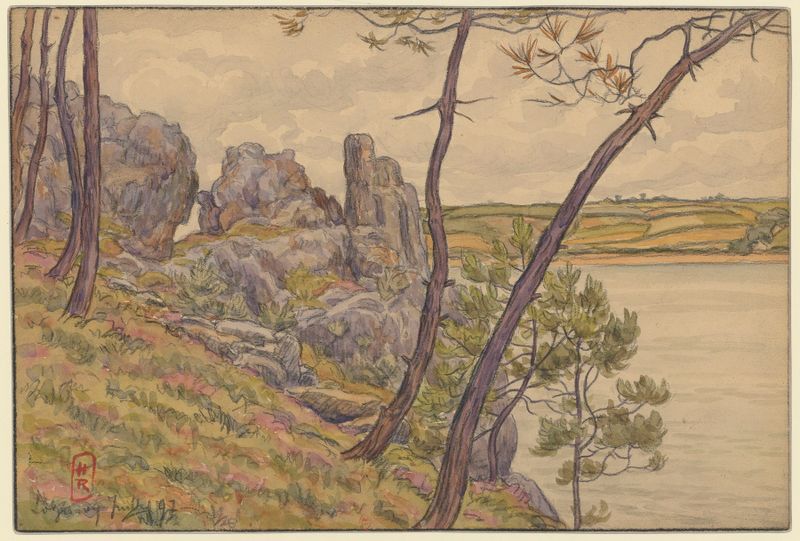
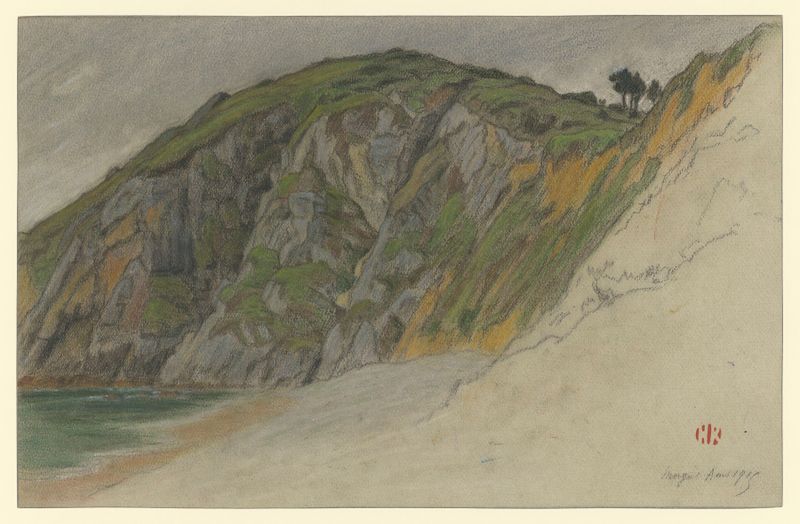
Could a single brushstroke hold eternity? In Morgat, a profound dialogue unfolds between faith and landscape, where every hue sings of the infinite and the ephemeral. Look to the lower left, where the delicate waves caress the rocky shore, their gentle undulation contrasting with the steadfast cliffs above. The cool blues and greens of the sea meld seamlessly with the warm earth tones of the land, creating a harmonious balance. Rivière’s use of light is particularly striking; notice how it captures the glimmering surface of the water, which sparkles like shards of glass, guiding your gaze deeper into the scene’s contemplative embrace. Yet it is the interplay of shadow and illumination that reveals deeper tensions.
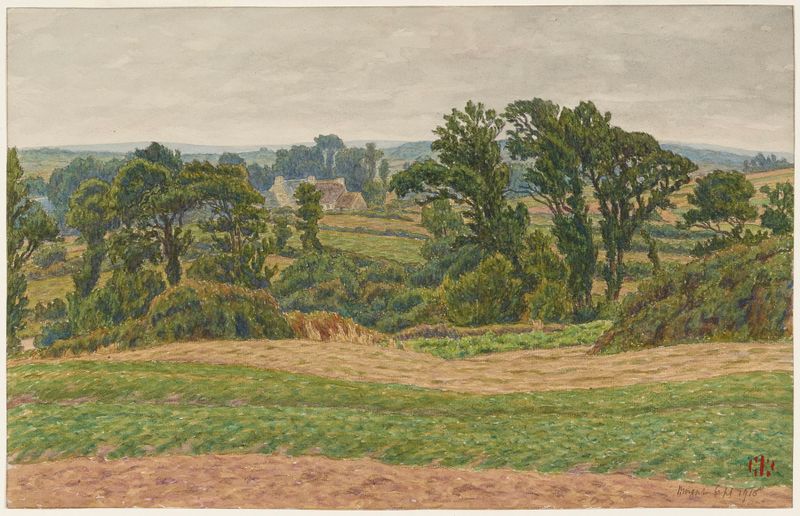
The cliffs loom large and unwavering, symbolizing both the strength and isolation of nature, while the shimmering water suggests the transient beauty of life itself. Each brushstroke is a moment captured, a fleeting reminder of faith’s role in navigating the constant ebb and flow. The composition invites reflection on the coexistence of permanence and change, urging viewers to consider their own place within this panorama. In 1910, Rivière painted this work while living in Brittany, a period marked by a deepening exploration of landscapes that reflected both personal experiences and broader artistic movements.
The world around him was shifting, with rapid advances in technology and thought, yet he remained rooted in a quest for spiritual connection through nature. At this moment, he found his voice in evoking the sublime, inviting viewers to pause and ponder their own faith amidst the natural world.